Artwork
Joanni Hollando (Jan Hollander)
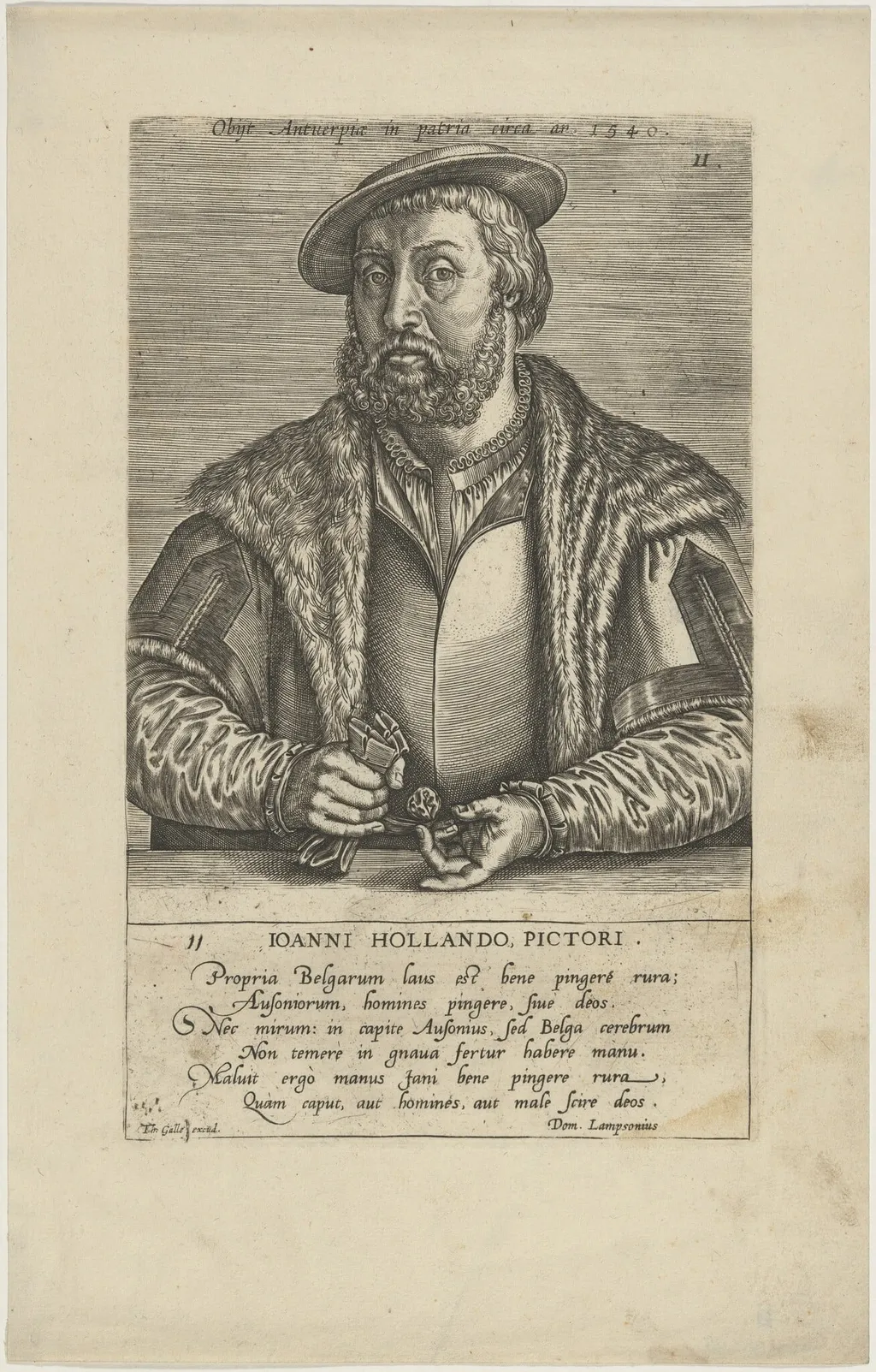
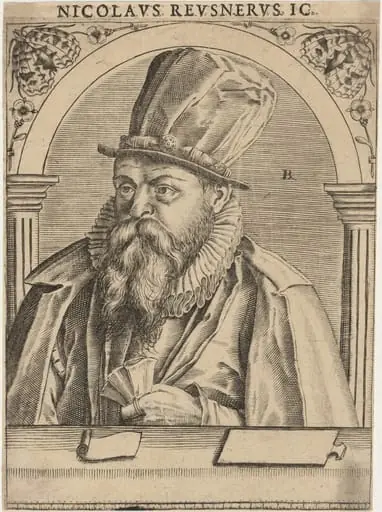
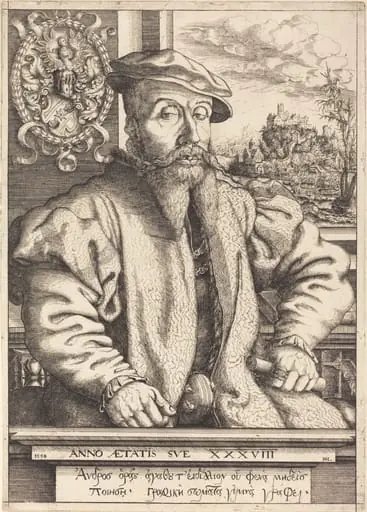
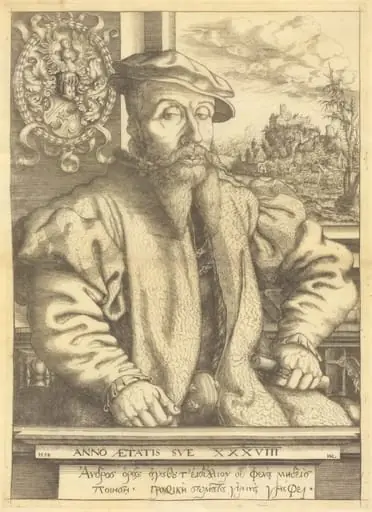
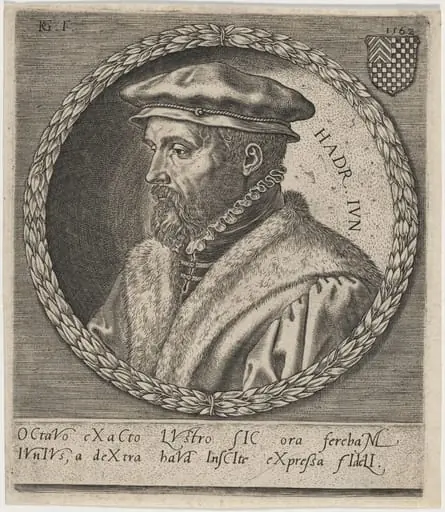
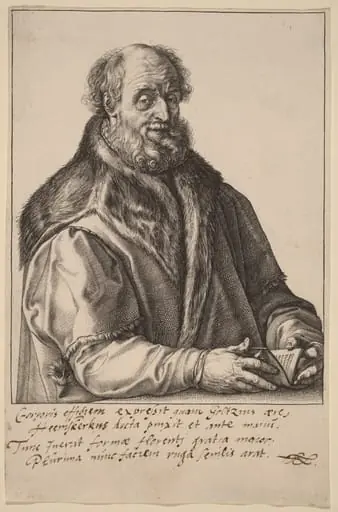
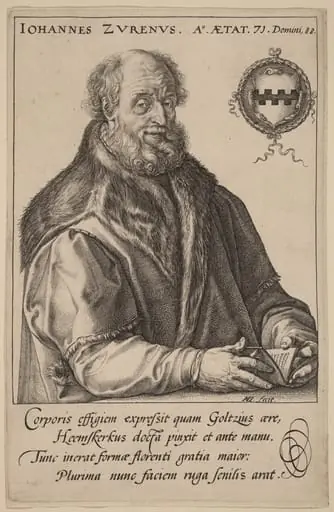
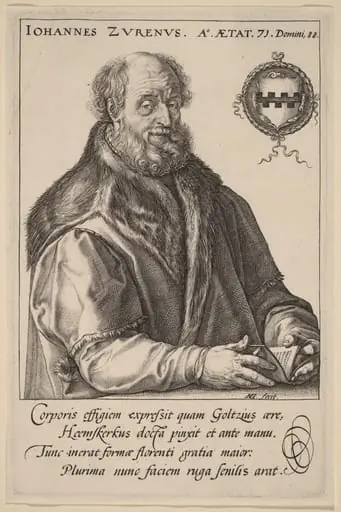
Joanni Hollando (Jan Hollander) is an ink print by the Renaissance artist Dominique Lampsonius. It dates from 1566 and is held in the collection of the National Gallery of Art.
About this work
Overview
The technique relies on incised lines on a metal plate, allowing multiple impressions to be made—a standard method for reproducing images in the 16th century.
Created in 1566, this black-and-white engraving by Dominique Lampsonius depicts a man identified as Joanni Hollando, also known as Jan Hollander. Rendered in fine linear detail, the portrait emphasizes the subject’s facial features and attire against a neutral background. The technique relies on incised lines on a metal plate, allowing multiple impressions to be made—a standard method for reproducing images in the 16th century.
Subject & Meaning
The sitter, Jan Hollander, is presented as a painter, as noted in the inscription below his name. His fur-lined coat and dark hat suggest modest status, while his right hand holds a small object—possibly a ring or key—symbolizing personal or professional identity. The left hand resting on the chest conveys quiet dignity, reinforcing the portrait’s intent to honor his craft rather than his social rank.
Technique & Style
Lampsonius employed engraving, a printmaking process involving incised lines on a copper plate inked and pressed onto paper. The precision of the lines captures texture in the fur trim, the weave of fabric, and the contours of the face. The composition avoids decorative elements, focusing attention on the subject’s expression and attire, typical of scholarly or artisan portraits of the period.
History & Provenance
The engraving was produced in 1566 during a period when printed portraits of artists were gaining currency in Northern Europe. While specific early ownership records are not documented, such prints were often circulated among artists’ networks and collectors. Its survival suggests it was valued as a record of a contemporary painter, possibly linked to regional artistic communities in the Low Countries.
Context
In mid-16th century Europe, engraved portraits served as both commemorative tools and professional advertisements. Artists like Hollander, though not widely known today, were documented through such prints to affirm their place in artistic circles. Lampsonius, a scholar and printmaker, contributed to this tradition by translating likenesses into reproducible form, bridging art and print culture.
Legacy
This engraving remains a modest but tangible link to a lesser-known painter of the Northern Renaissance. It exemplifies how printmaking preserved the identities of artists beyond their paintings, contributing to the historical record of regional art practices. Though not widely reproduced today, it continues to inform studies of 16th-century artistic identity and print dissemination.
Artist & collection