Artwork
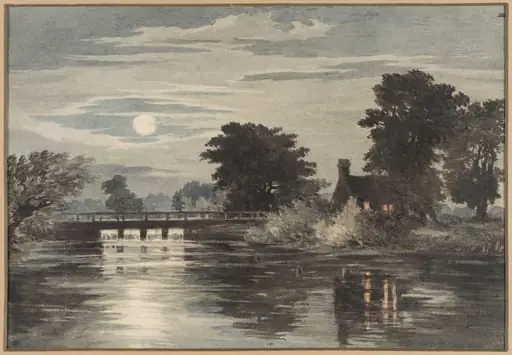
Gore House by moonlight
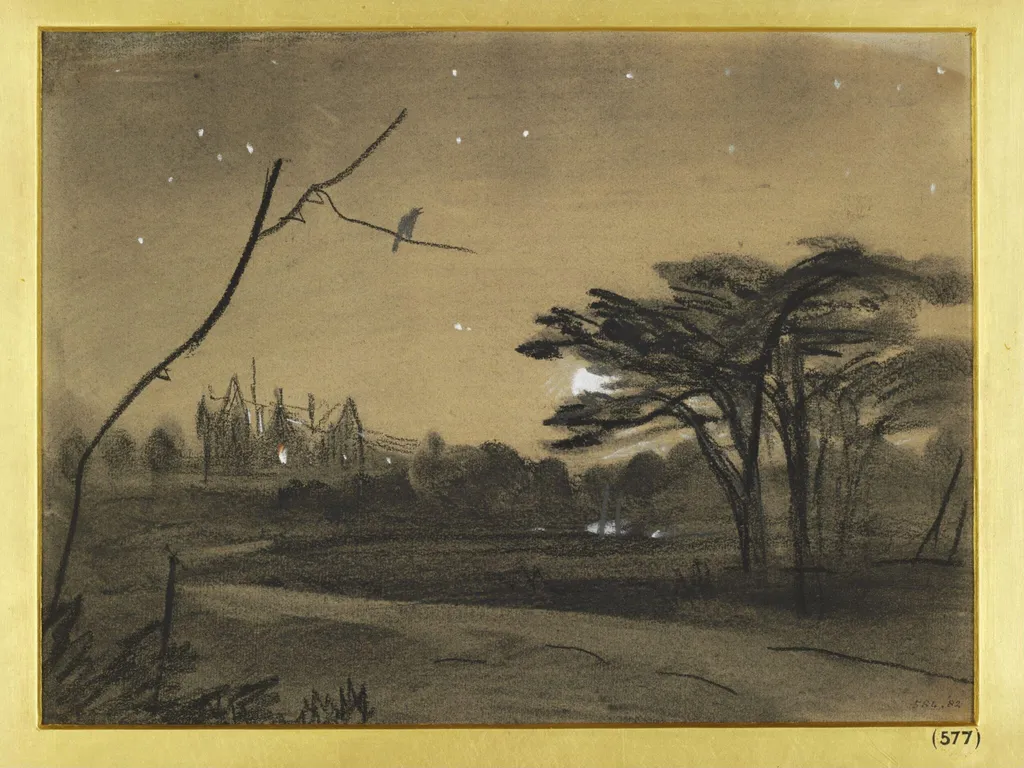
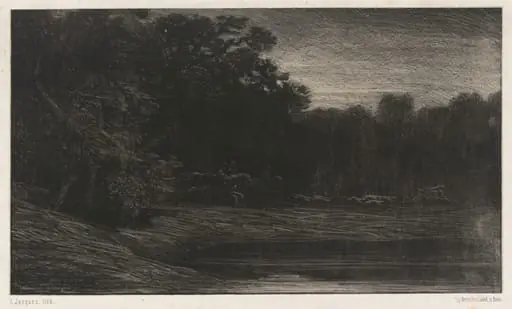
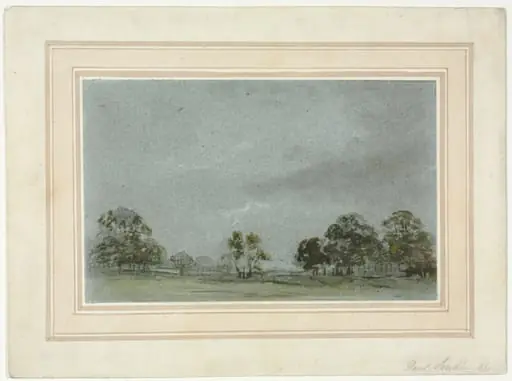
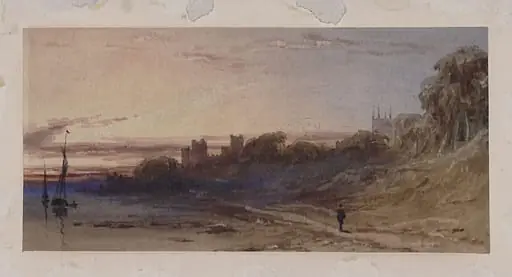
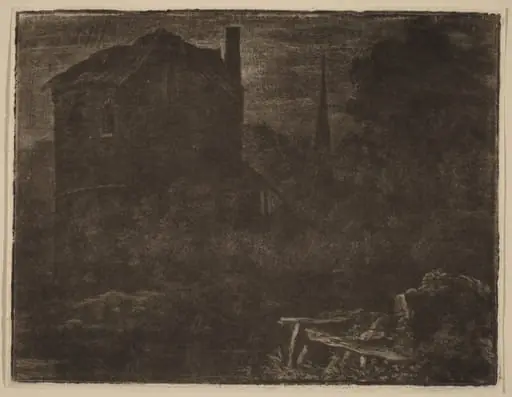
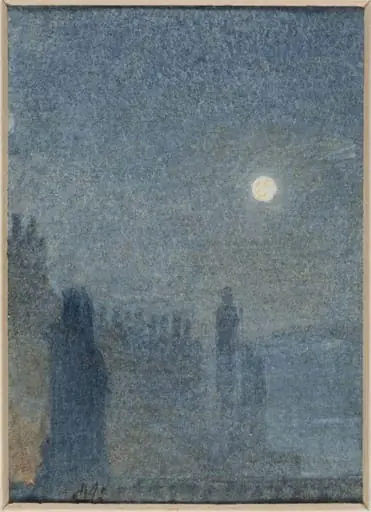
Gore House by moonlight is a drawing by the Romanticist artist Edwin Landseer. It dates from 1825 and is held in the collection of the Victoria and Albert Museum. Created in 1825, this crayon drawing portrays Gore House bathed in moonlight.
About this work
Overview
Created in 1825, this crayon drawing portrays Gore House bathed in moonlight. The composition captures a quiet nocturnal atmosphere, with the illuminated structure set against a dark sky and surrounded by foliage.
Subject & Meaning
The work focuses on the domestic architecture of Gore House, emphasizing its relationship to the surrounding landscape. The full moon casts a silvery light that highlights the building’s form while also suggesting a contemplative, perhaps slightly mysterious, evening setting.
Technique & Style
Executed in crayon, the artist employs dense line work and graduated shading to render texture and depth. Fine hatching defines the trees, fence, and foreground grasses, while broader strokes convey the luminous quality of the moonlit sky.
History & Provenance
Dated to the early nineteenth century, the drawing is an example of period interest in atmospheric landscape studies. Its precise origin and ownership trail remain limited, but it aligns with contemporary British practices of documenting local estates through detailed draughtsmanship.
Own this work as a print
Artist & collection

Artist
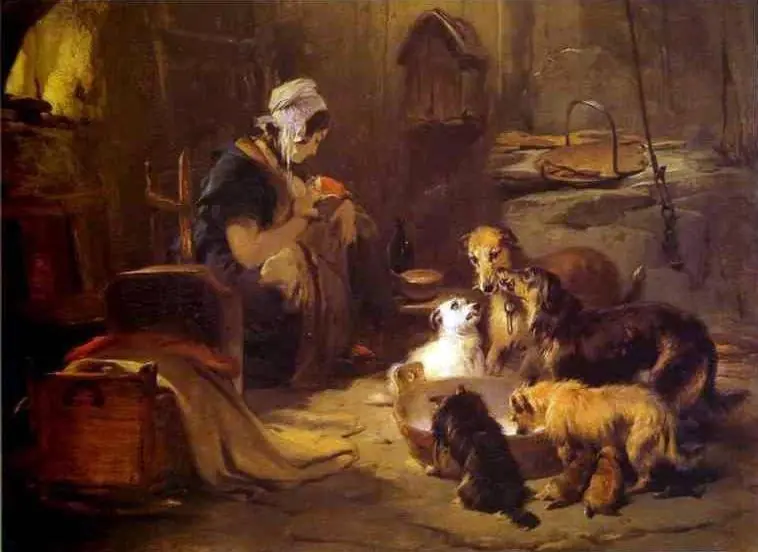
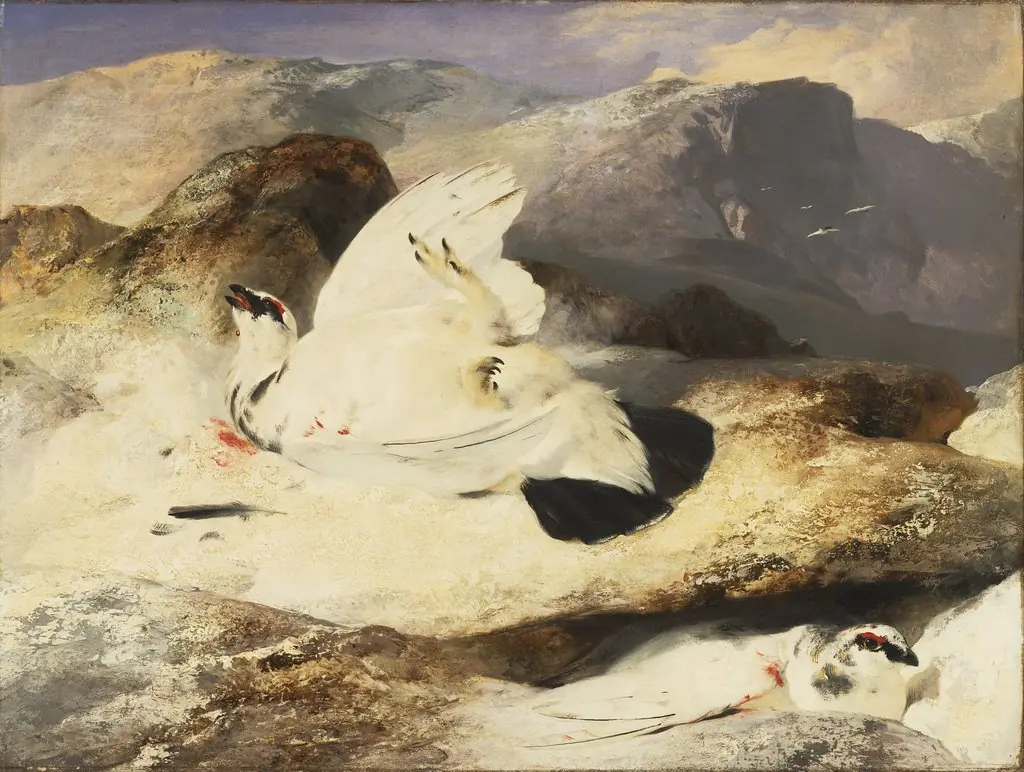
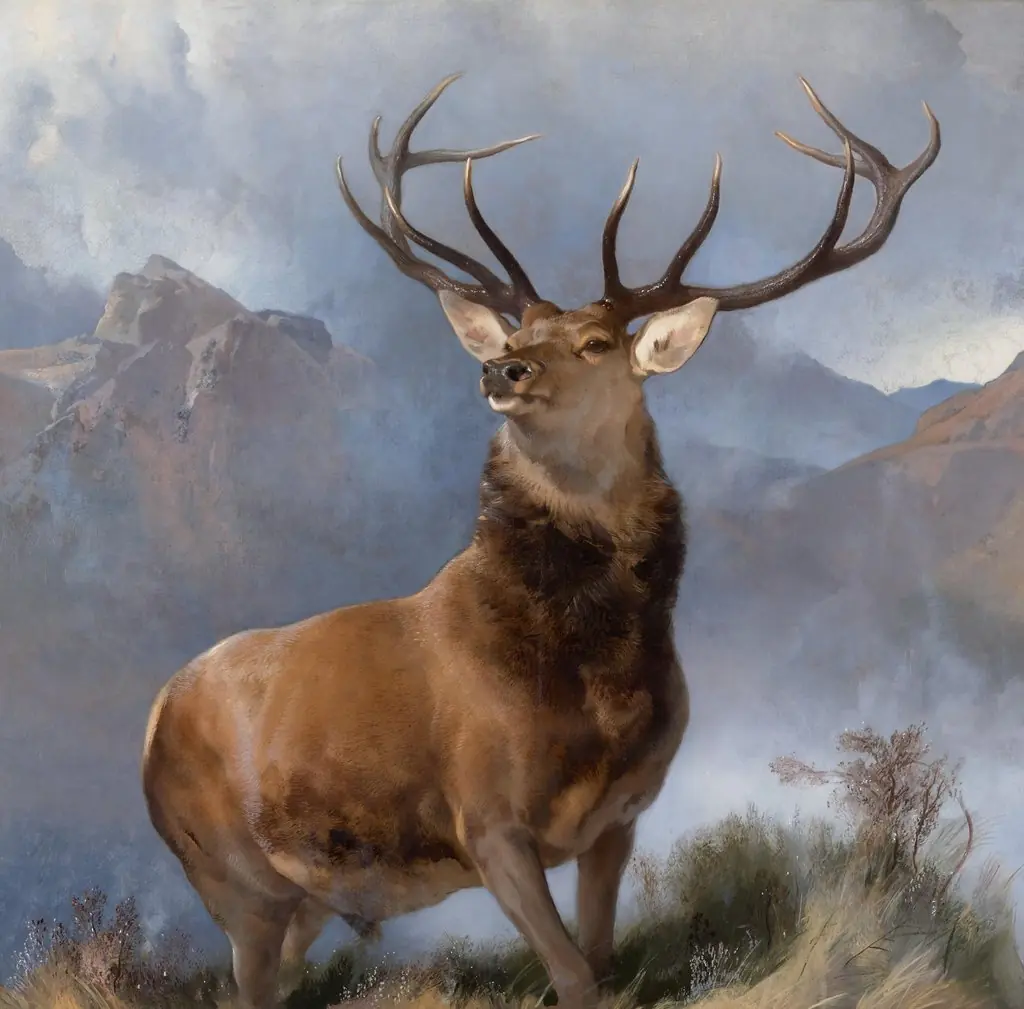
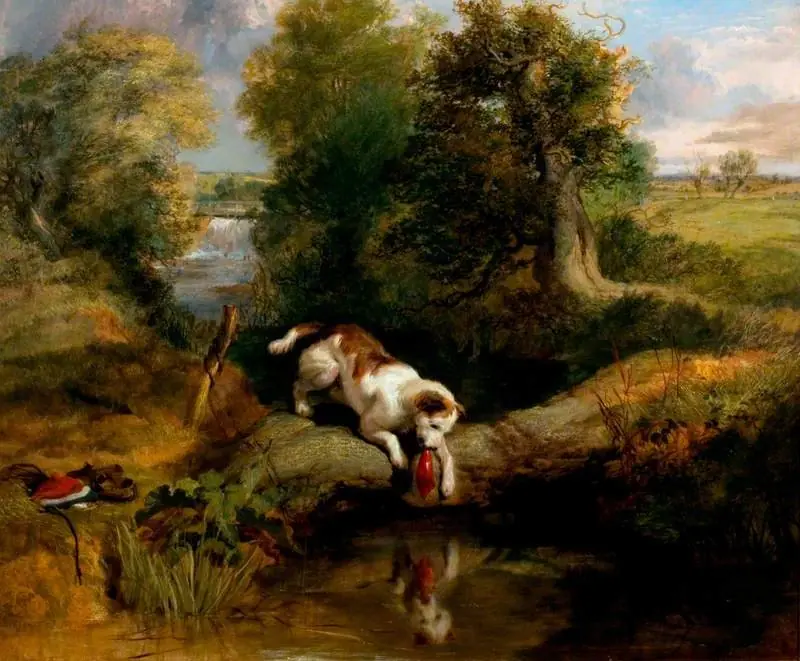
Sir Edwin Henry Landseer was an English painter and sculptor, well known for his paintings of animals – particularly horses, dogs, and stags. His best-known work is the lion sculptures at the base of Nelson's Column in Trafalgar Square.