Artwork
Isac binecuvântând pe fiul său Iacob
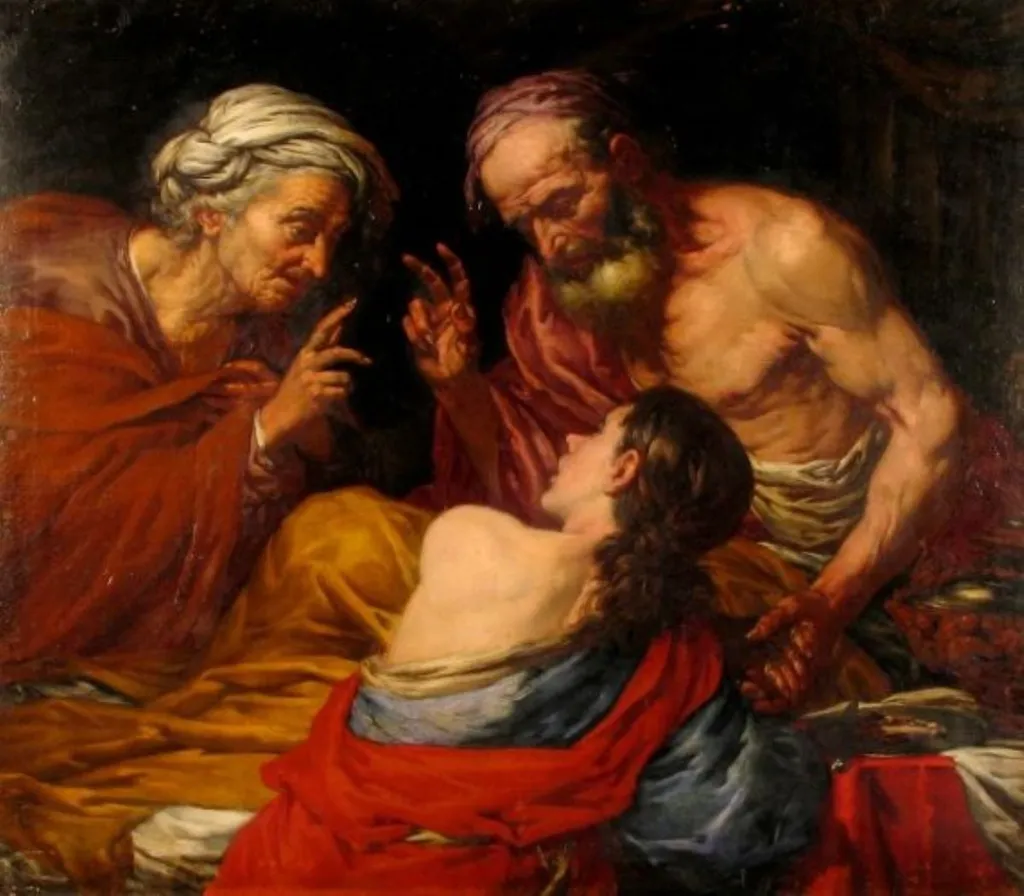
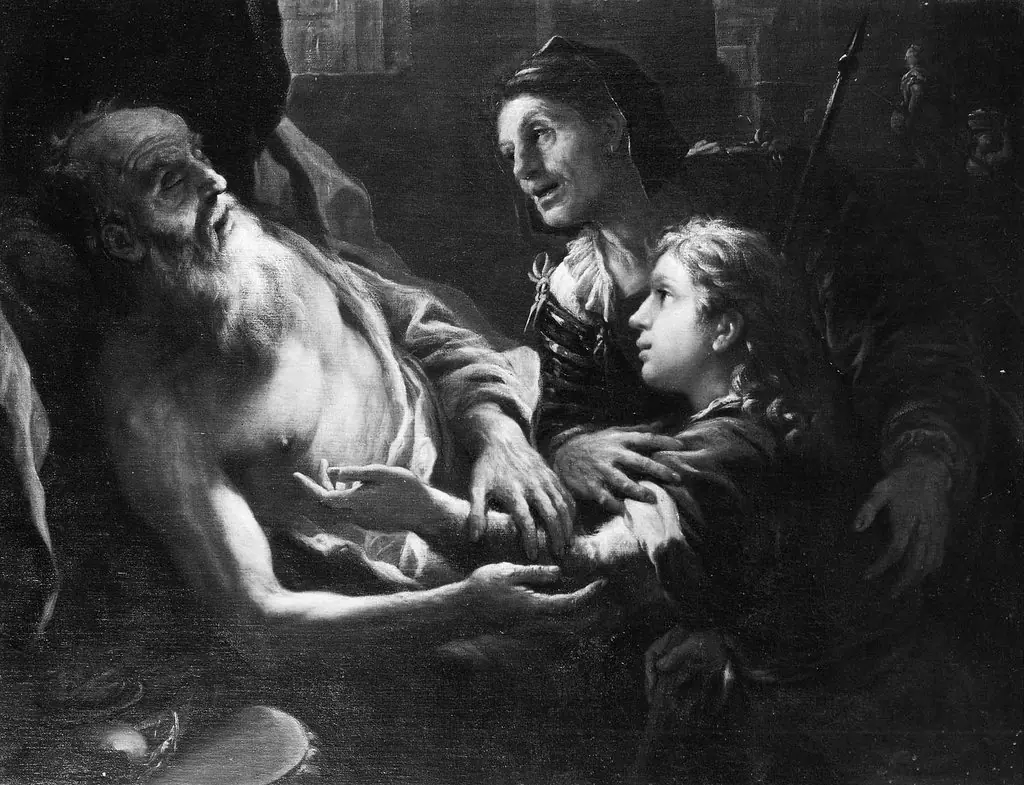
Isac binecuvântând pe fiul său Iacob is an unspecified painting by the Baroque artist Giovanni Battista Langetti. It is held in the collection of the Brukenthal National Museum.
About this work
Overview
The scene avoids theatricality, focusing instead on the physical and spiritual transfer of blessing through gesture and gaze.
Giovanni Battista Langetti’s religious work depicts the biblical moment when Isaac blesses his son Jacob. The composition centers on a quiet, intimate exchange between two figures, rendered with emotional restraint. The scene avoids theatricality, focusing instead on the physical and spiritual transfer of blessing through gesture and gaze. The dark background isolates the figures, heightening the sense of personal significance in the act.
Subject & Meaning
The painting illustrates Genesis 27, in which the aging Isaac, blind and near death, bestows his patriarchal blessing upon Jacob, unaware that he has been deceived. Langetti captures the tenderness of the moment, emphasizing paternal devotion and the weight of divine inheritance. The son’s reverent posture and the father’s guiding hand convey both affection and the solemnity of a rite passed from one generation to the next.
Technique & Style
Langetti employs chiaroscuro to model the figures with strong contrasts of light and shadow, lending volume and emotional intensity. The textures of fabric—Isaac’s rich red robe and Jacob’s blue garment with red sash—are rendered with subtle gradations. The dark, unbroken background enhances the three-dimensionality of the forms, directing focus to the tactile connection between their hands and the quiet intensity of their expressions.
History & Provenance
The painting is attributed to Langetti, a 17th-century Genoese artist known for his religious and genre scenes. While its early ownership is undocumented, its style aligns with the Caravaggesque tradition prevalent in northern Italy during the mid-1600s. It likely originated as a private devotional piece, reflecting the period’s interest in emotionally resonant biblical narratives for domestic or ecclesiastical settings.
Context
In mid-17th-century Italy, religious imagery often emphasized human emotion and physical realism, influenced by Caravaggio’s legacy. Langetti’s approach reflects this trend, favoring psychological depth over idealization. The scene’s intimacy contrasts with grander altarpieces of the era, suggesting a shift toward personal devotion and domestic spirituality among collectors and patrons of the time.
Legacy
Langetti’s work contributes to a broader tradition of Baroque religious painting that prioritized emotional immediacy. While not widely reproduced, this piece exemplifies how lesser-known artists adapted Caravaggio’s innovations to intimate narratives. Its quiet power lies in its restraint, offering a humanized vision of sacred text that resonated with contemporary viewers seeking spiritual connection through everyday tenderness.
Artist & collection

Artist
Giovanni Battista Langetti, also known as Giambattista Langetti, was an Italian late-Baroque painter. He was active in his native Genoa, then Rome, and finally for the longest period in Venice.

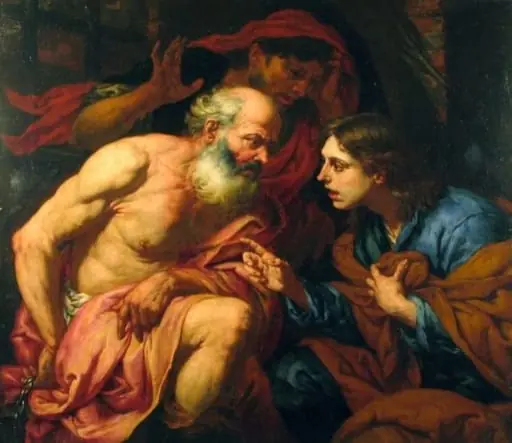 Iosif tălmăcind visele în închisoare
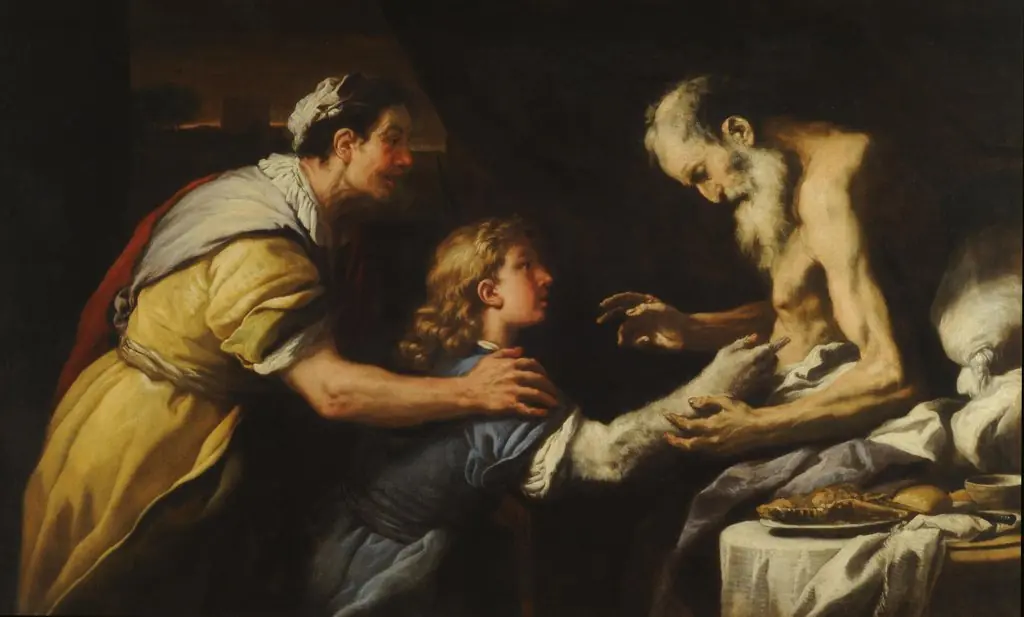 Introduction of Jacob to Isaac
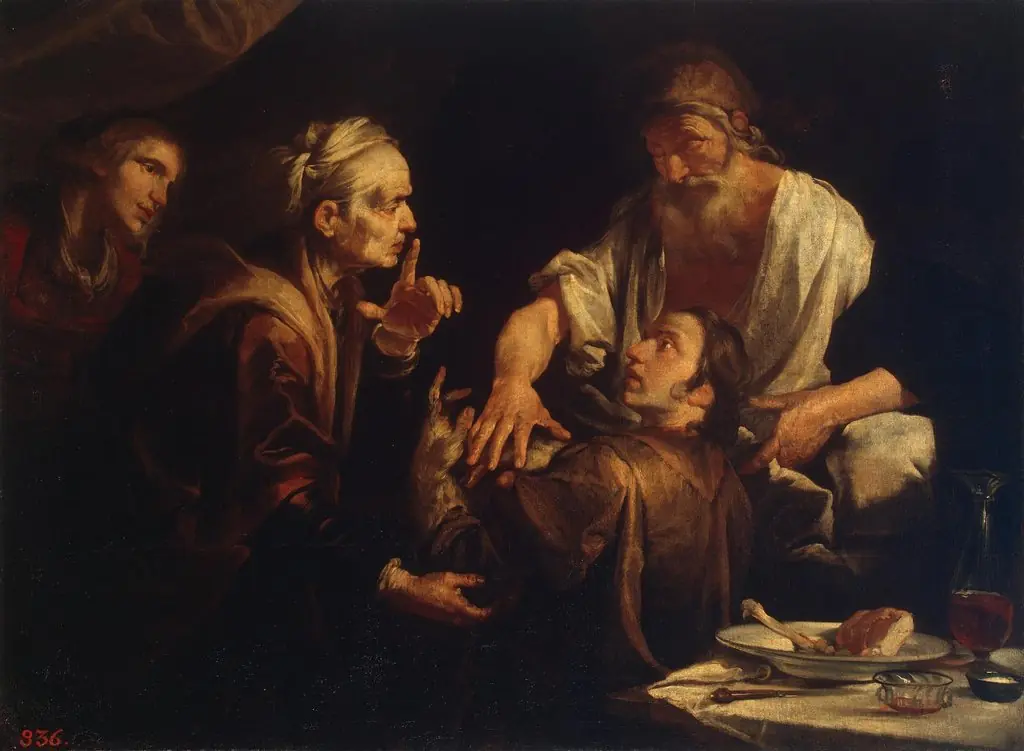 Isaac Blessing Jacob
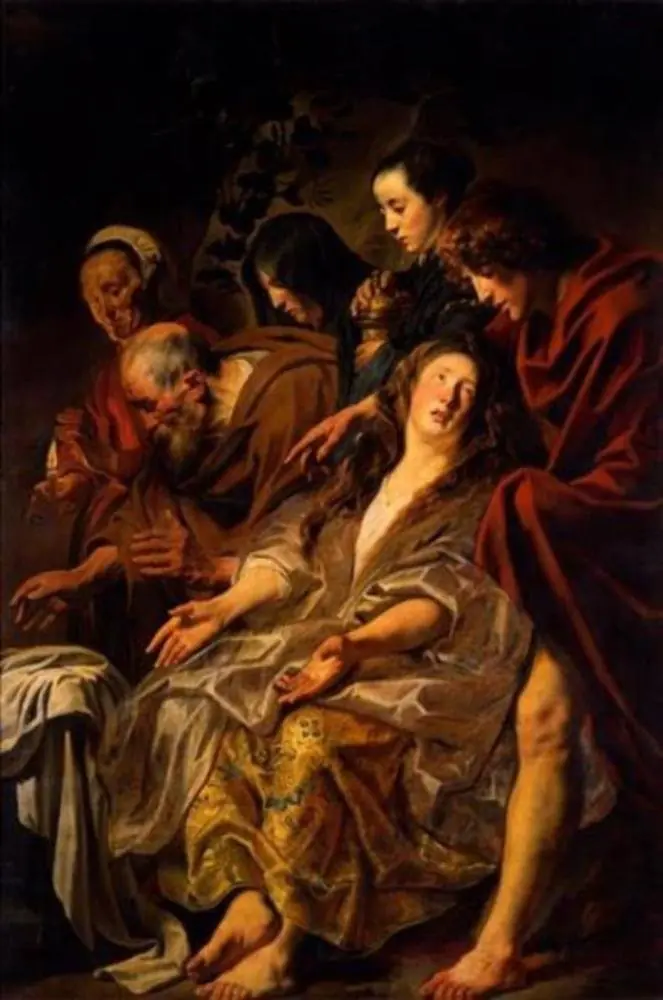 Die Angehörigen Christi am Grabe
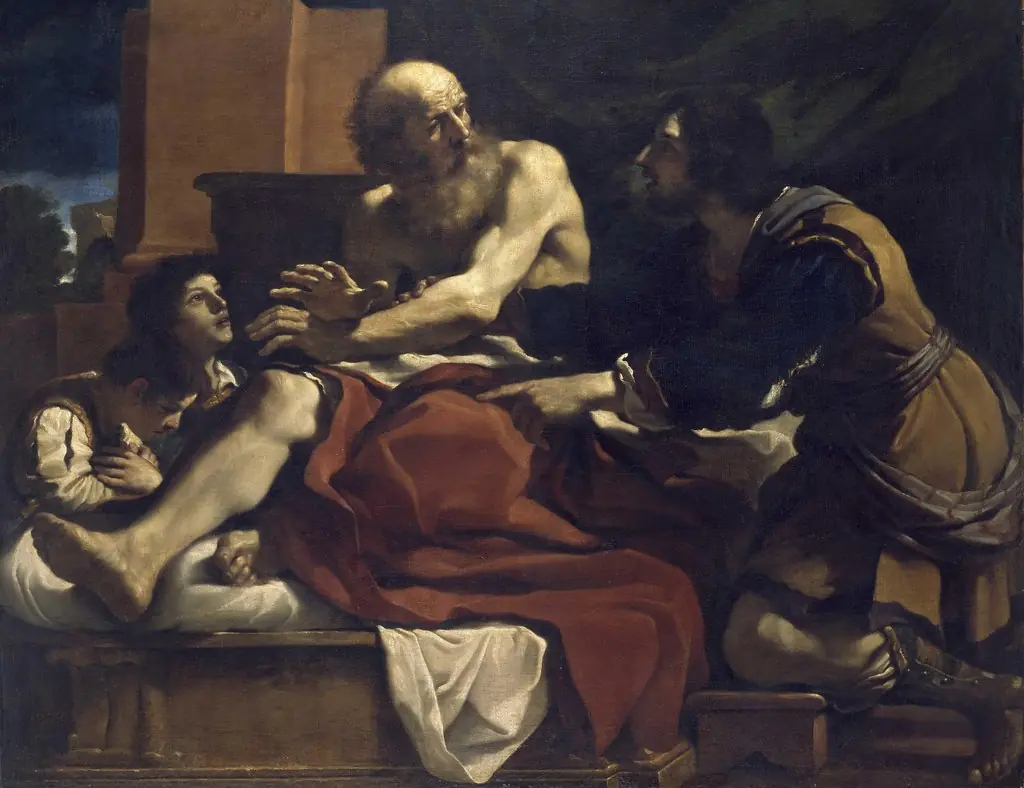 Jacob Blessing the Sons of Joseph
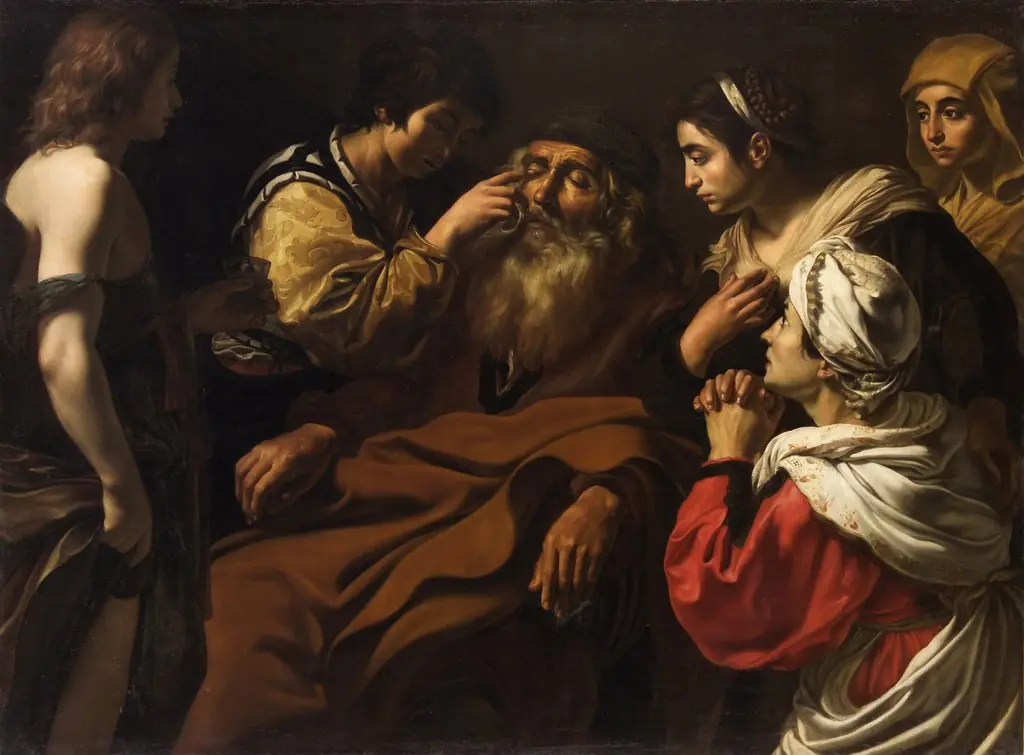 Tobias Heals his Blind Father
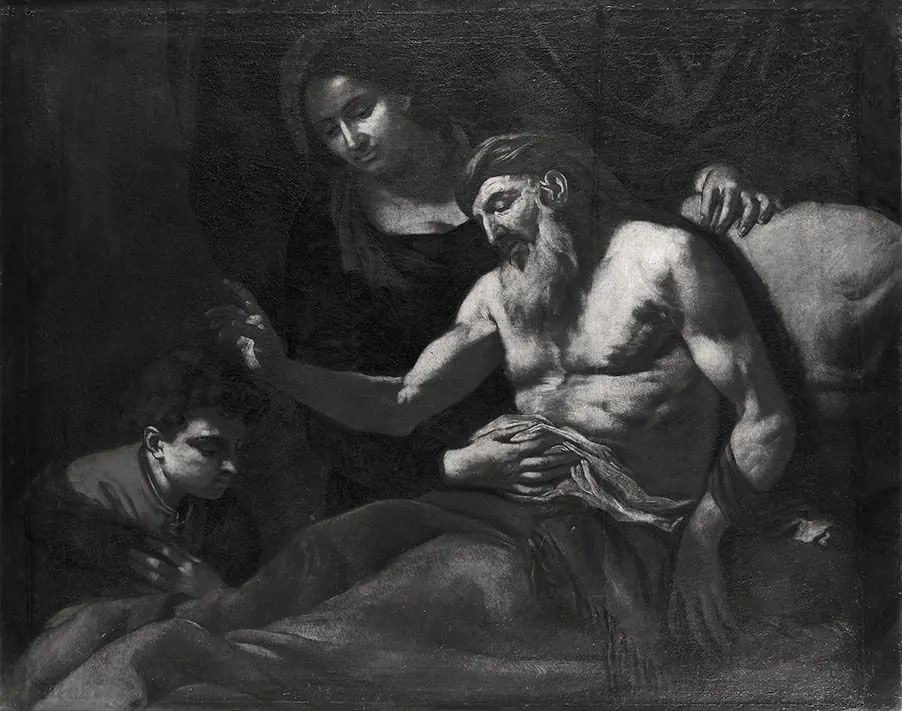 Isaak segnet Jakob
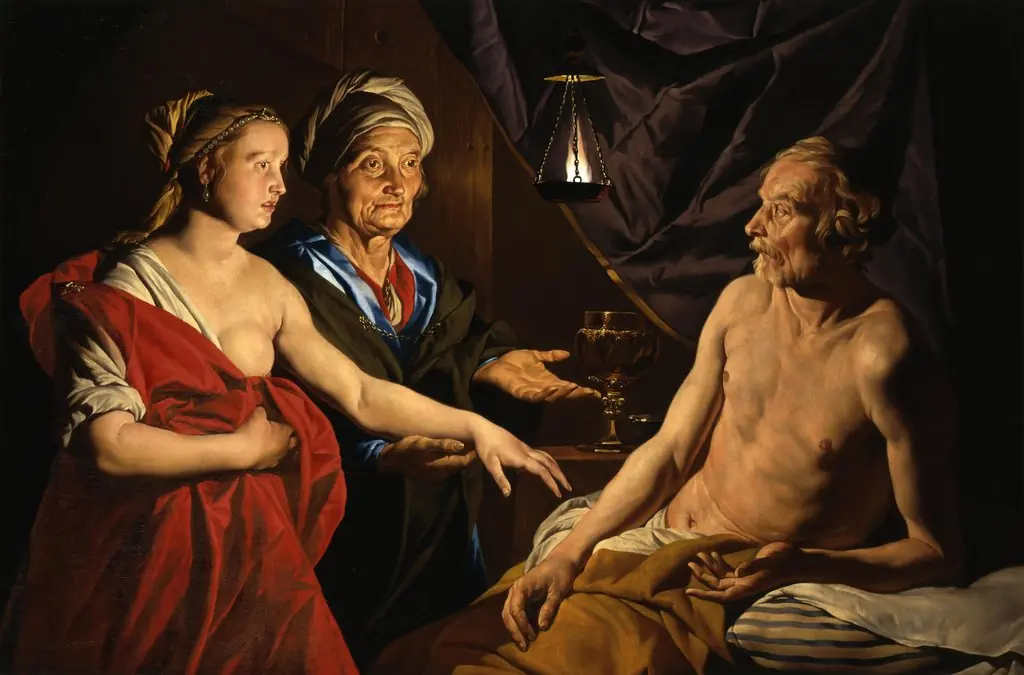 Sarah Leads Abraham to Hagar
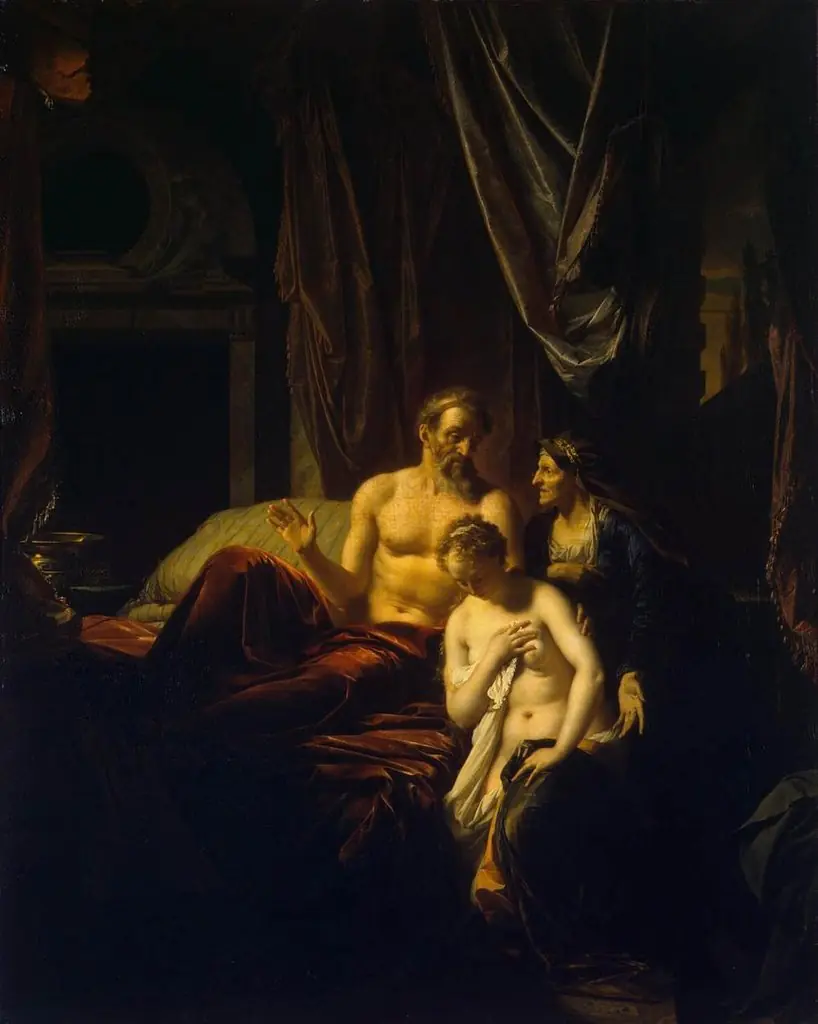 Sarah Bringing Hagar to Abraham
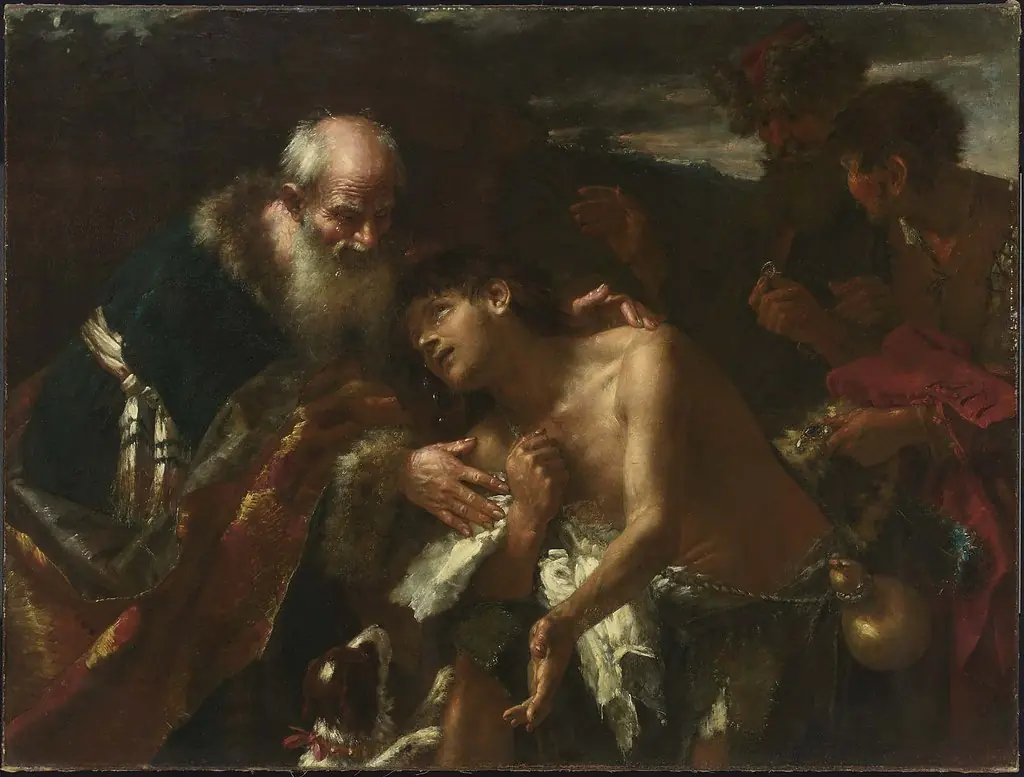 The Return of the Prodigal Son
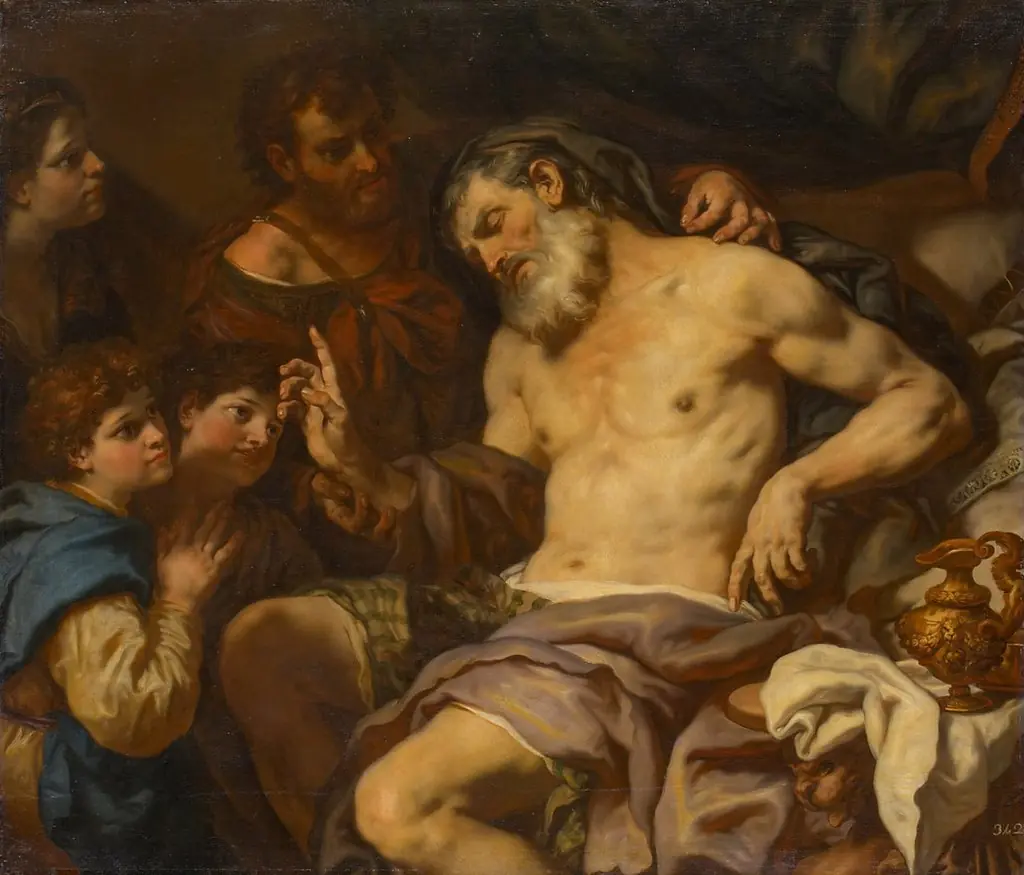 Jacob Blesses Ephraim and Manasseh
 Isaac Blessing Jacob