Artwork
Cesare Nebbia
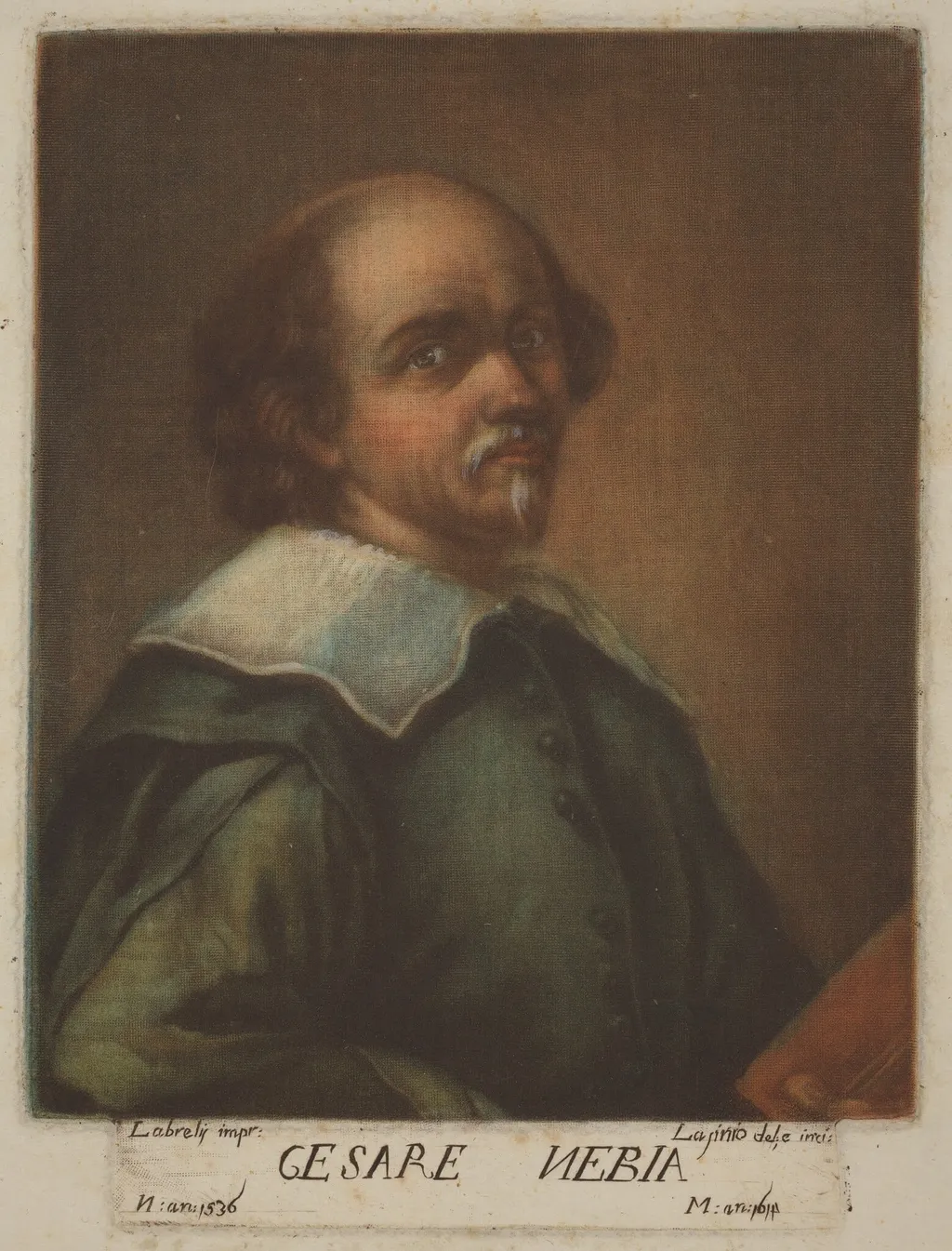
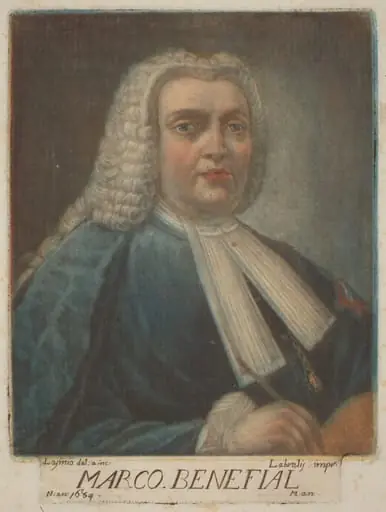
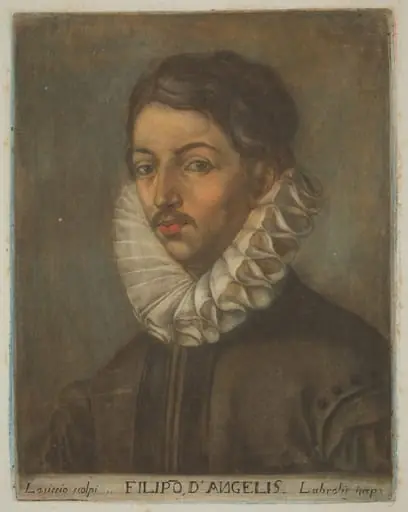
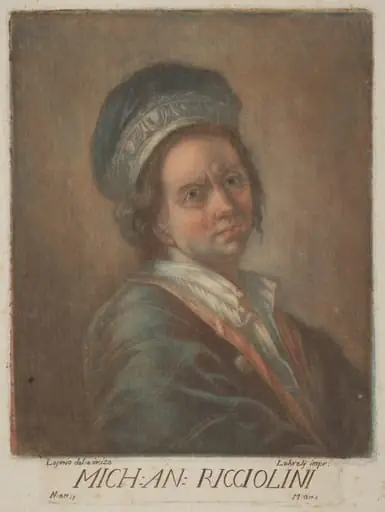
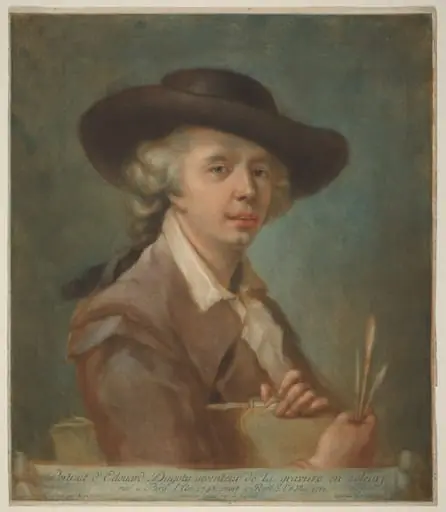
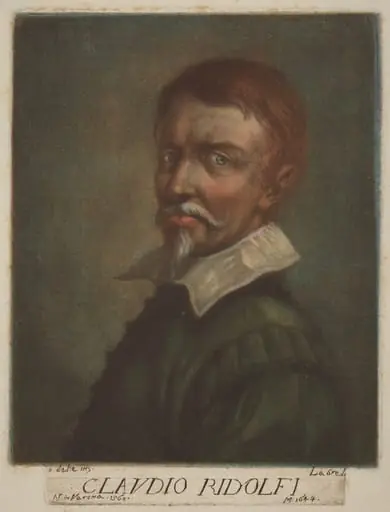
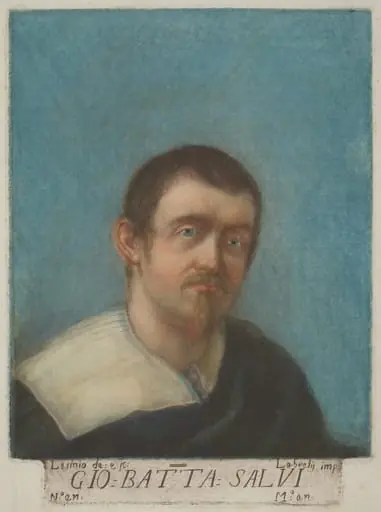
Cesare Nebbia is an ink print by the Romanticist artist Carlo Lasinio. It dates from 1789 and is held in the collection of the National Gallery of Art.
About this work
Overview
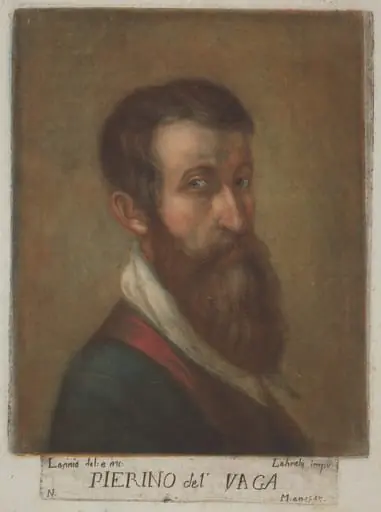
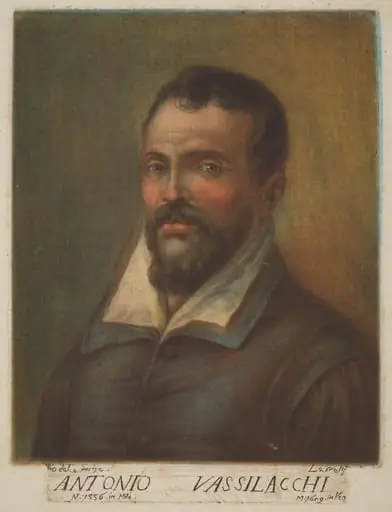
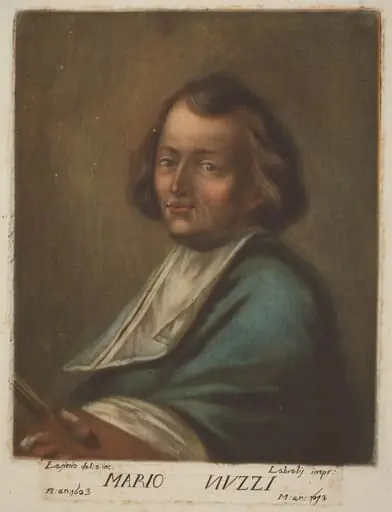
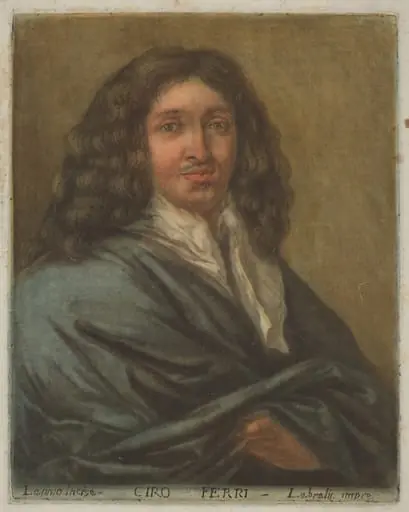
Carlo Lasinio’s 1789 work titled “Cesare Nebbia” is a colour mezzotint print. Executed in the late eighteenth century, the image presents a tightly cropped portrait of a man rendered in a dark, unadorned background that isolates the figure and emphasizes his facial expression.
Subject & Meaning
The sitter appears as a mature gentleman with a serious demeanor, his curly hair and neatly trimmed mustache framing a light‑coloured collar that emerges from beneath a dark green jacket. The restrained pose and sober gaze suggest a formal representation, possibly intended to convey status or professional identity.
Technique & Style
Lasinio employed the mezzotint process, a tonal printing method that allows for subtle gradations of light and dark. By manipulating the surface of the copper plate, he achieved a rich chiaroscuro effect, modeling the facial features with soft shadows that give the portrait a convincing three‑dimensional presence despite its flat medium.
History & Provenance
Created in 1789, the print belongs to the period when mezzotint was popular for reproducing portraits and academic subjects. While the work bears the name of the Renaissance painter Cesare Nebbia, it is not a depiction of that artist; rather, it reflects Lasinio’s practice of honoring historical figures through the medium of colour mezzotint.
Artist & collection