Artwork
Jacques Callot
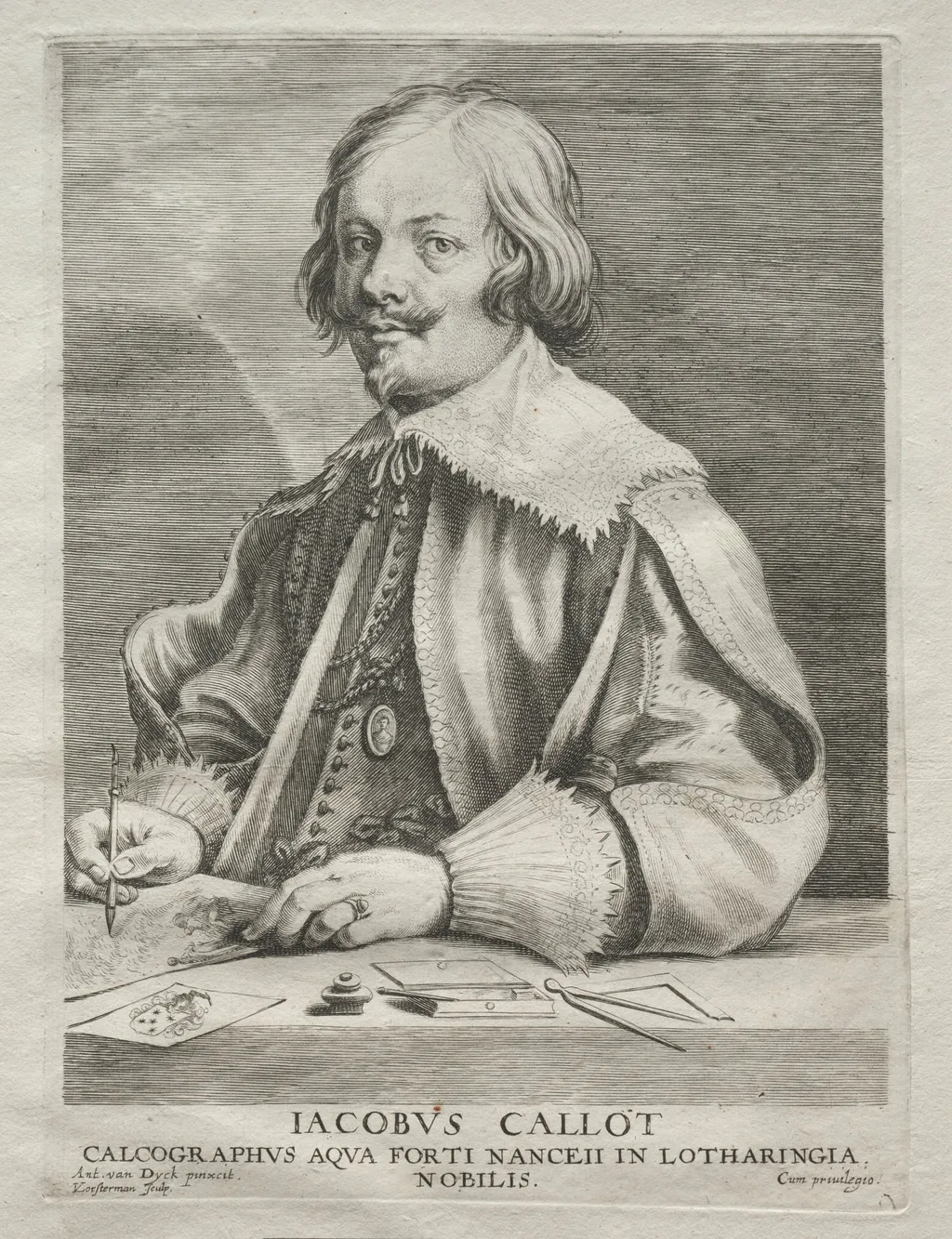
Jacques Callot is a print by Lucas Emil Vorsterman. It dates from 1645 and is held in the collection of the Cleveland Museum of Art.
About this work
Overview
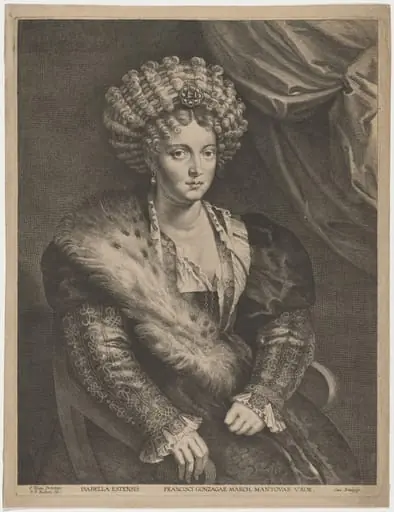
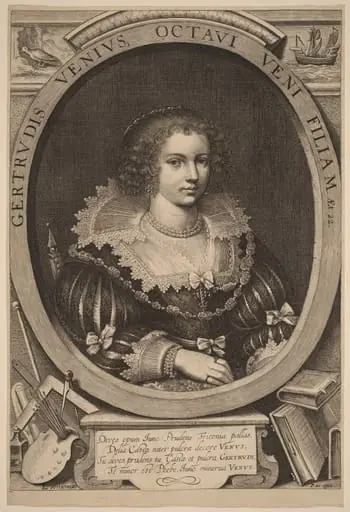
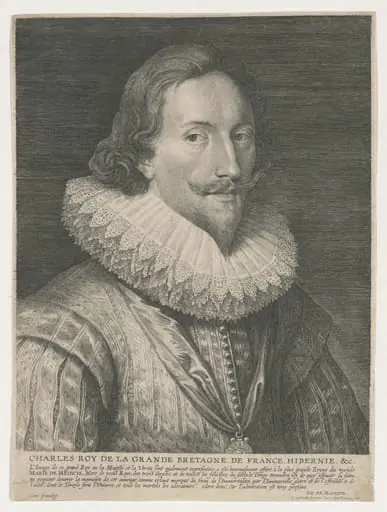
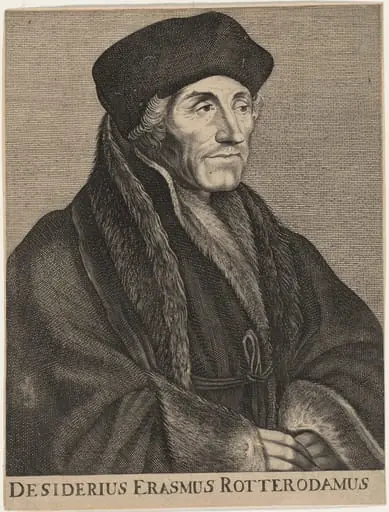
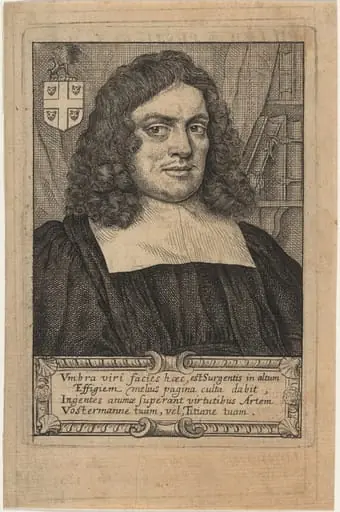
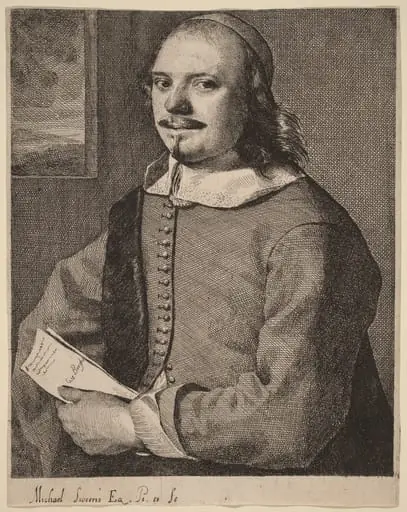
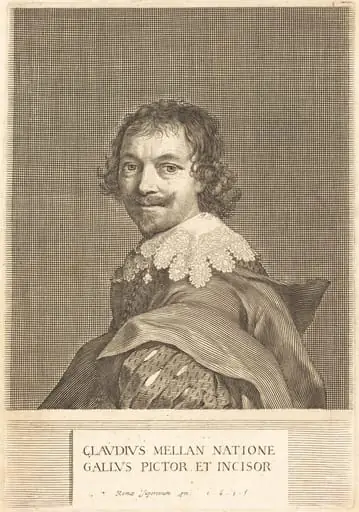
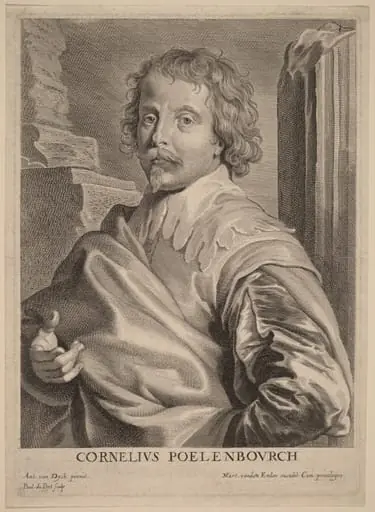
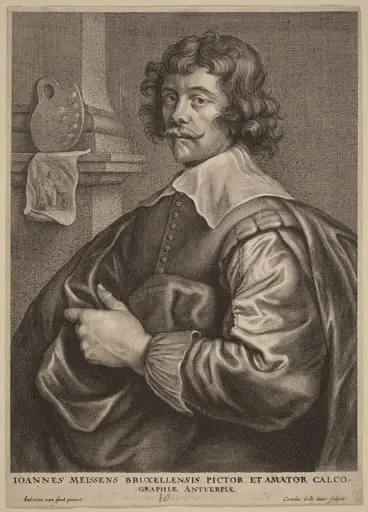
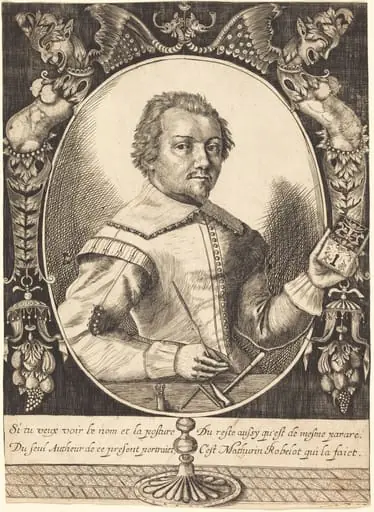
This mid‑17th‑century engraving presents the French printmaker Jacques Callot seated at a writing desk. Rendered in a restrained palette, the composition isolates the figure against a plain backdrop, emphasizing his scholarly demeanor. The portrait captures Callot holding a quill, surrounded by drawing tools, underscoring his identity as a draftsman and engraver.
Subject & Meaning
The work serves as a visual homage to Callot, whose reputation for intricate etchings made him a leading figure in early modern printmaking. By depicting him in the act of drawing, the image highlights his creative process and positions him within the intellectual culture of the Baroque era, where the artist’s role was increasingly celebrated.
Technique & Style
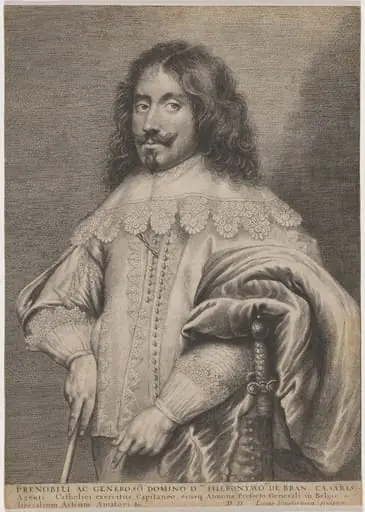
Executed with fine line work and pronounced chiaroscuro, the engraving employs stark light‑dark contrasts to model the sitter’s form and the surrounding objects. The delicate hatching conveys texture in the patterned jacket and the smooth sheen of the desk, while the deep shadows impart a three‑dimensional presence characteristic of Baroque graphic art.
History & Provenance
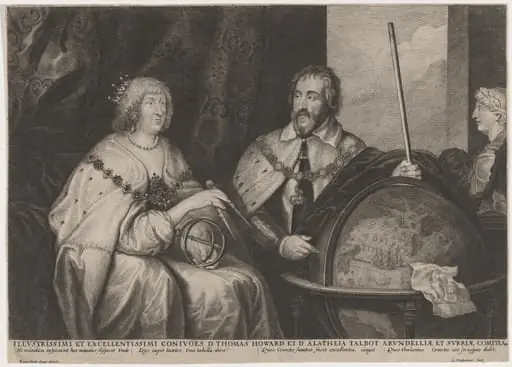
Created around 1645 by Flemish engraver Lucas Vorsterman, the piece reflects his collaborations with leading artists such as Rubens and van Dyck. Vorsterman, active between 1595 and 1675, produced works for elite patrons including Thomas Howard, 21st Earl of Arundel, and King Charles I of England, situating this portrait within a network of high‑status collections of the period.
Artist & collection
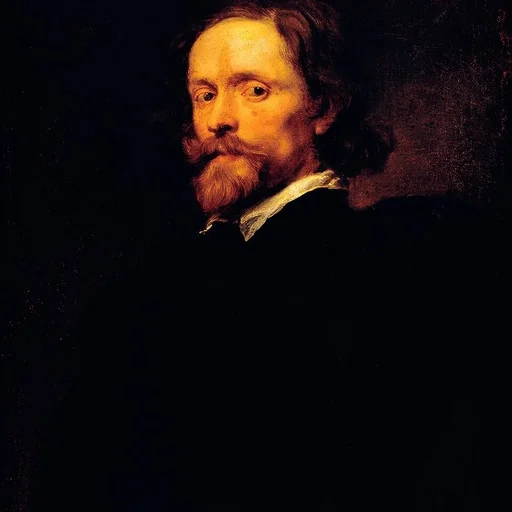
Artist
etching and engraving by Lucas Vorsterman II, NGA 10762), B1977.14.10539 - Yale etc