Artwork
Louis XIII, King of France
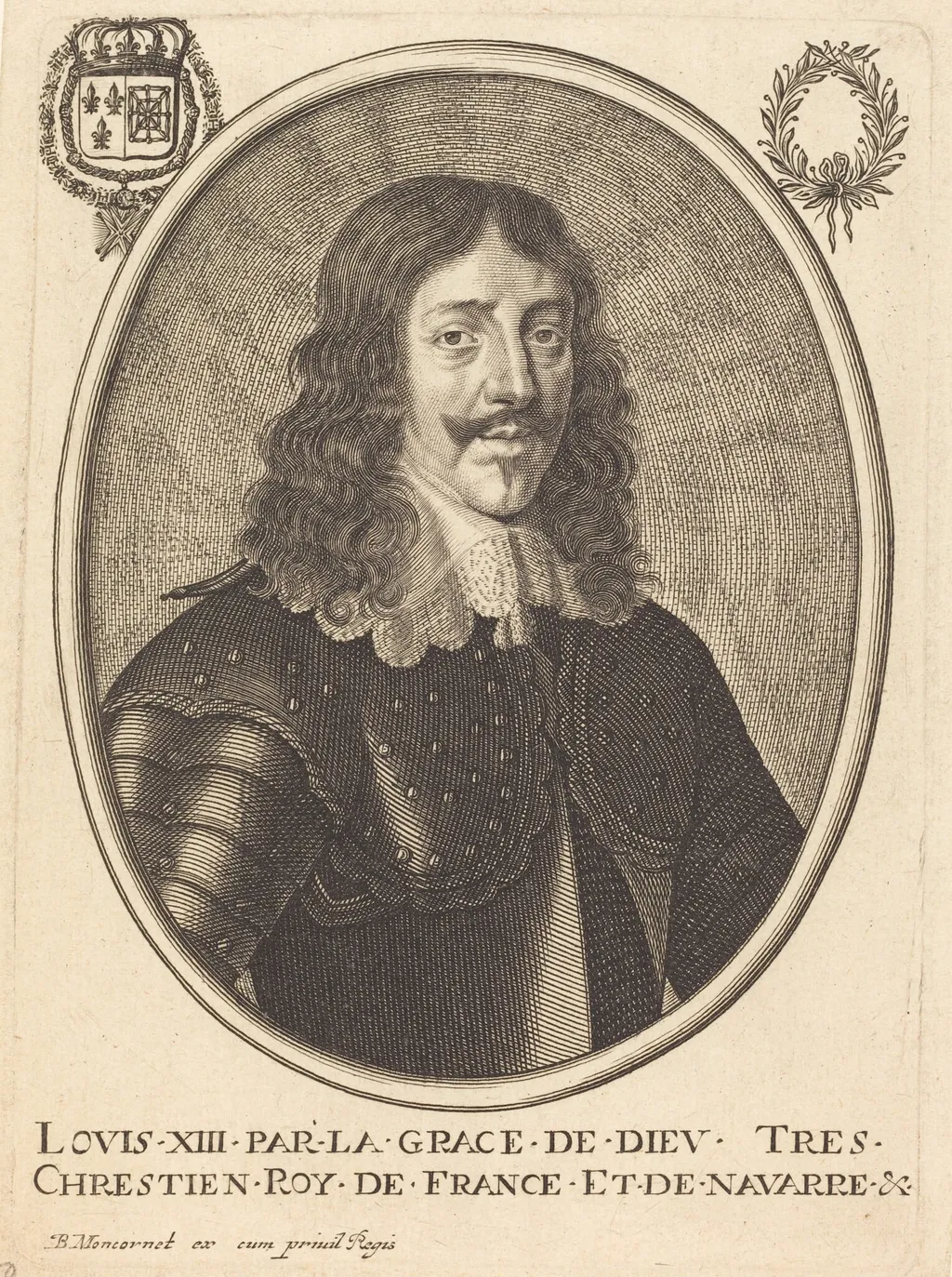
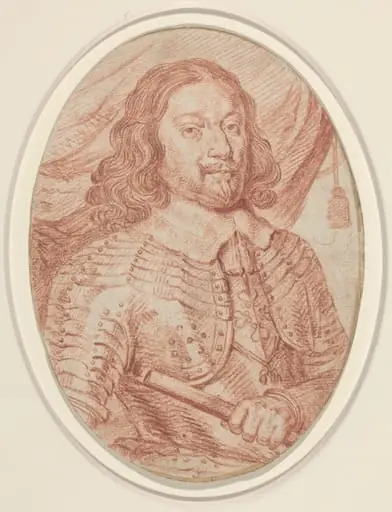
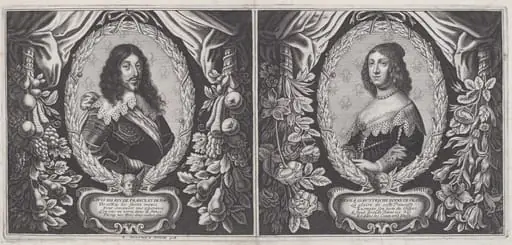
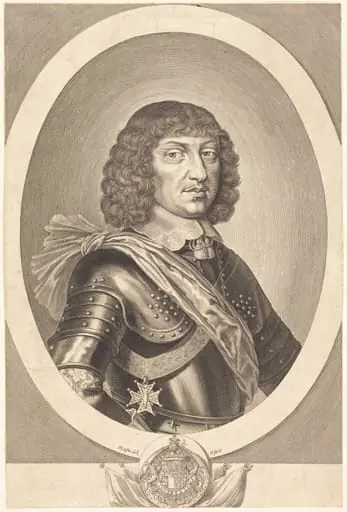
Louis XIII, King of France is an ink print by the Baroque artist Balthasar Moncornet. It dates from 1634 and is held in the collection of the National Gallery of Art.
About this work
Overview
Balthasar Moncornet's 1634 engraving, *Louis XIII, King of France*, is a formal portrait of the monarch, executed on laid paper. Characteristic of French Baroque portraiture, the work is one of approximately 45 portraits of notable figures by the artist.
Subject & Meaning
The engraving depicts Louis XIII in a traditional, dignified manner, incorporating symbols of royalty: a circular frame around his face, a crowned emblem on one side, and a leaf motif on the other. These elements underscore the subject's status as King of France.
Technique & Style
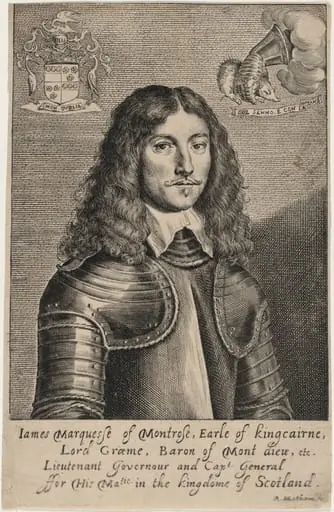
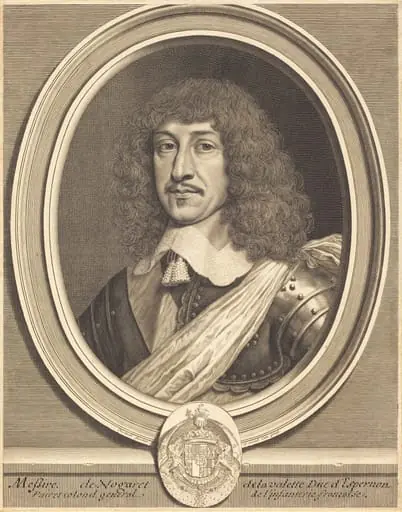
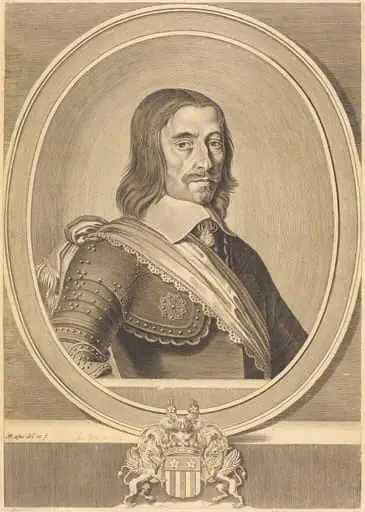
Moncornet utilized engraving techniques to create a detailed, black-and-white likeness. The subject's curly hair, mustache, ornate collar, and textured jacket are rendered in precise lines. The plain background contrasts with the intricate, symbolic details surrounding the king's portrait.
History & Provenance
Created in 1634, the engraving is signed by Moncornet. The laid paper's texture and aging are visible, indicating the work's original materiality and historical lineage. Provenance details are not specified, but the piece is attributed to Moncornet's prolific portrait output.
Context
This portrait reflects the artistic and cultural norms of the French Baroque era, where formal portraiture served to convey power and status. Moncornet's work aligns with contemporary conventions for depicting royalty and nobility.
Legacy
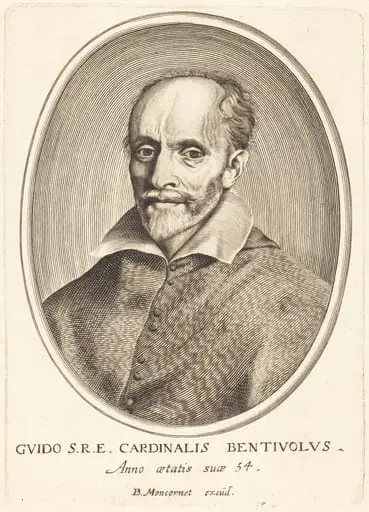
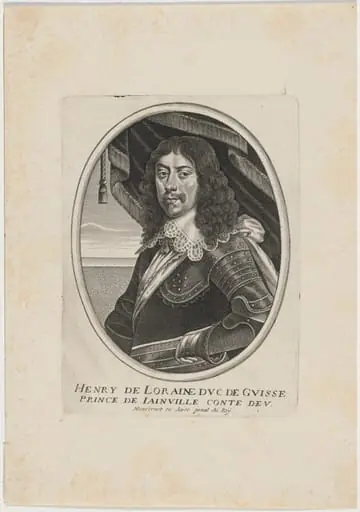
As part of Moncornet's extensive portfolio of portraits (around 45), *Louis XIII, King of France* contributes to the artist's reputation for capturing the likeness and stature of 17th-century luminaries. The engraving's enduring presence provides insight into the visual language of French Baroque portraiture.
Artist & collection
Artist
Balthasar Moncornet (1600, Rouen – 1668, Paris) was a French painter, engraver, and tapissier revered for his depictions of around 45 different prominent figures of the 17th century.