Artwork
Head of a Macedonian Soldier
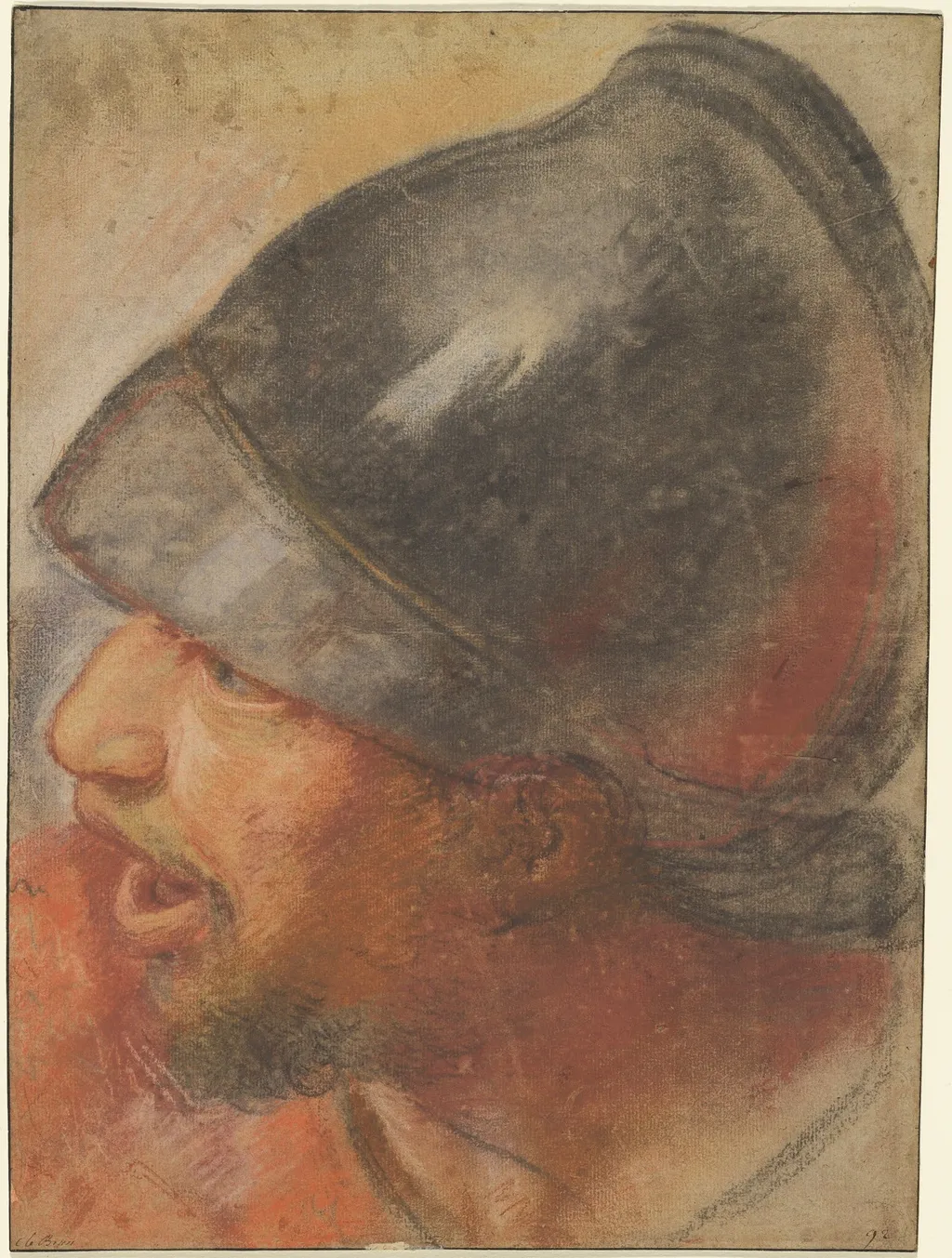
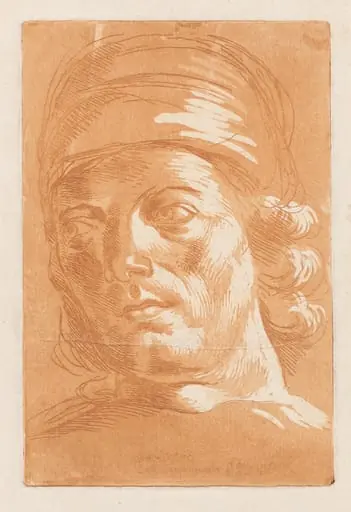
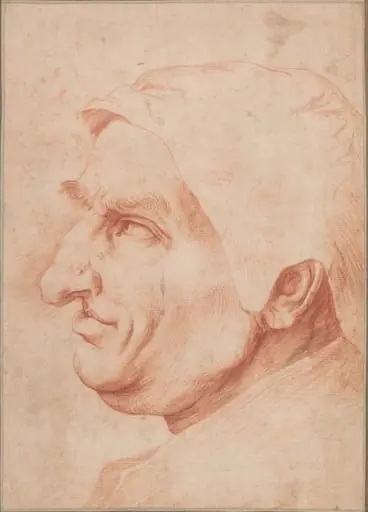
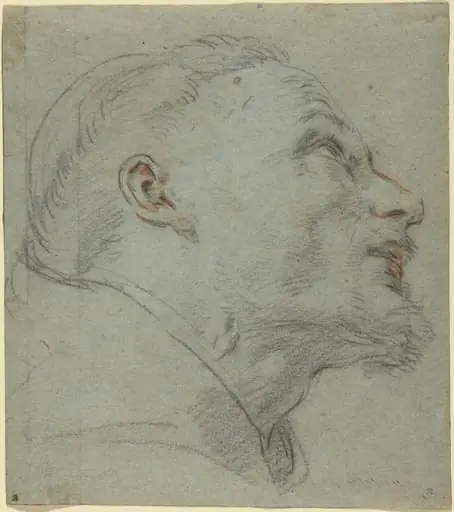
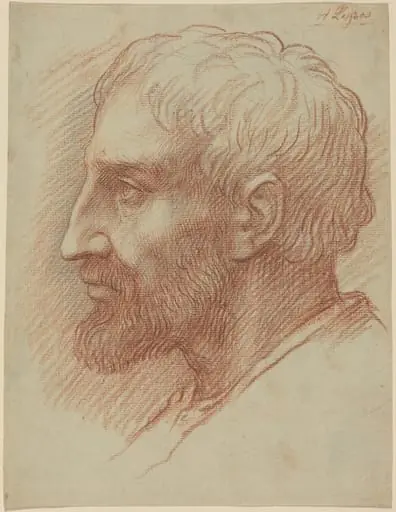
Head of a Macedonian Soldier is a pastel drawing by the Baroque artist Charles Le Brun. It dates from 1668 and is held in the collection of the National Gallery of Art.
About this work
Overview
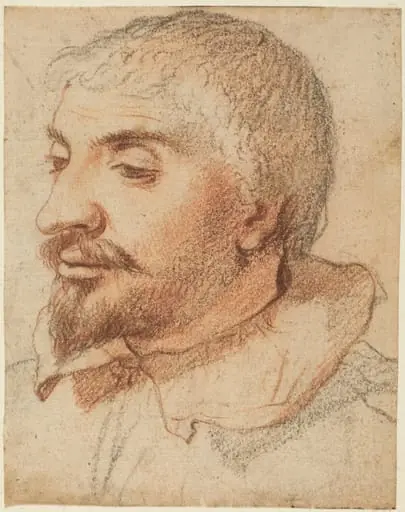
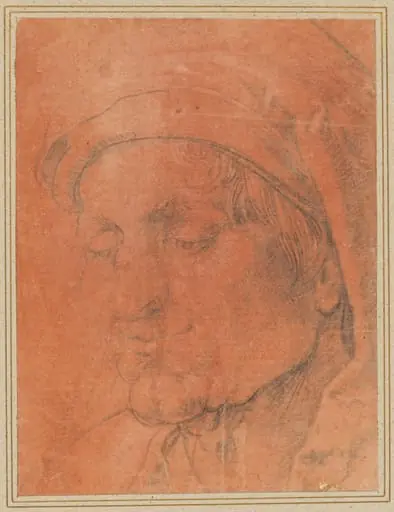
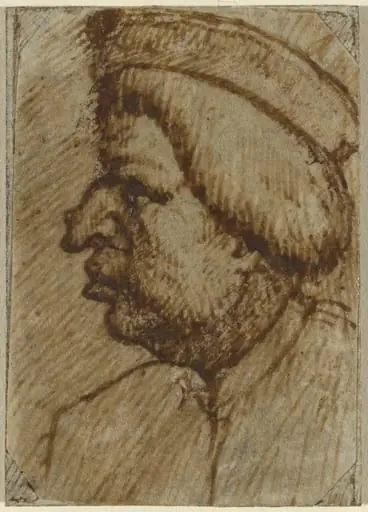
Head of a Macedonian Soldier is a pastel and chalk drawing on laid paper, attributed to Charles Le Brun and dated to circa 1668. The work features a profile view of a soldier’s head, predominantly rendered in dark browns, reds, and whites.
Subject & Meaning
The subject is a Macedonian soldier, identifiable by his helmet adorned with a prominent plume. The helmet dominates the composition, leaving only the nose and jaw of the soldier visible, focusing attention on the military regalia.
Technique & Style
Executed with soft pastels and black, red, and white chalk, the drawing showcases quick, expressive strokes. The technique effectively captures the texture of both the helmet’s feathers and the soldier’s skin, reflecting the prevailing artistic practices of 17th-century France.
History & Provenance
Created around 1668, the drawing includes a later addition: a framing line drawn in brown ink. The work’s provenance and exhibition history are not detailed in available information.
Context
The piece exemplifies the French artistic sensibilities of the late 17th century, with its use of pastel—a medium gaining popularity during this period—for preliminary or study works, possibly intended for further development or as an independent sketch.
Artist & collection