Artwork
Robe dite à la turque
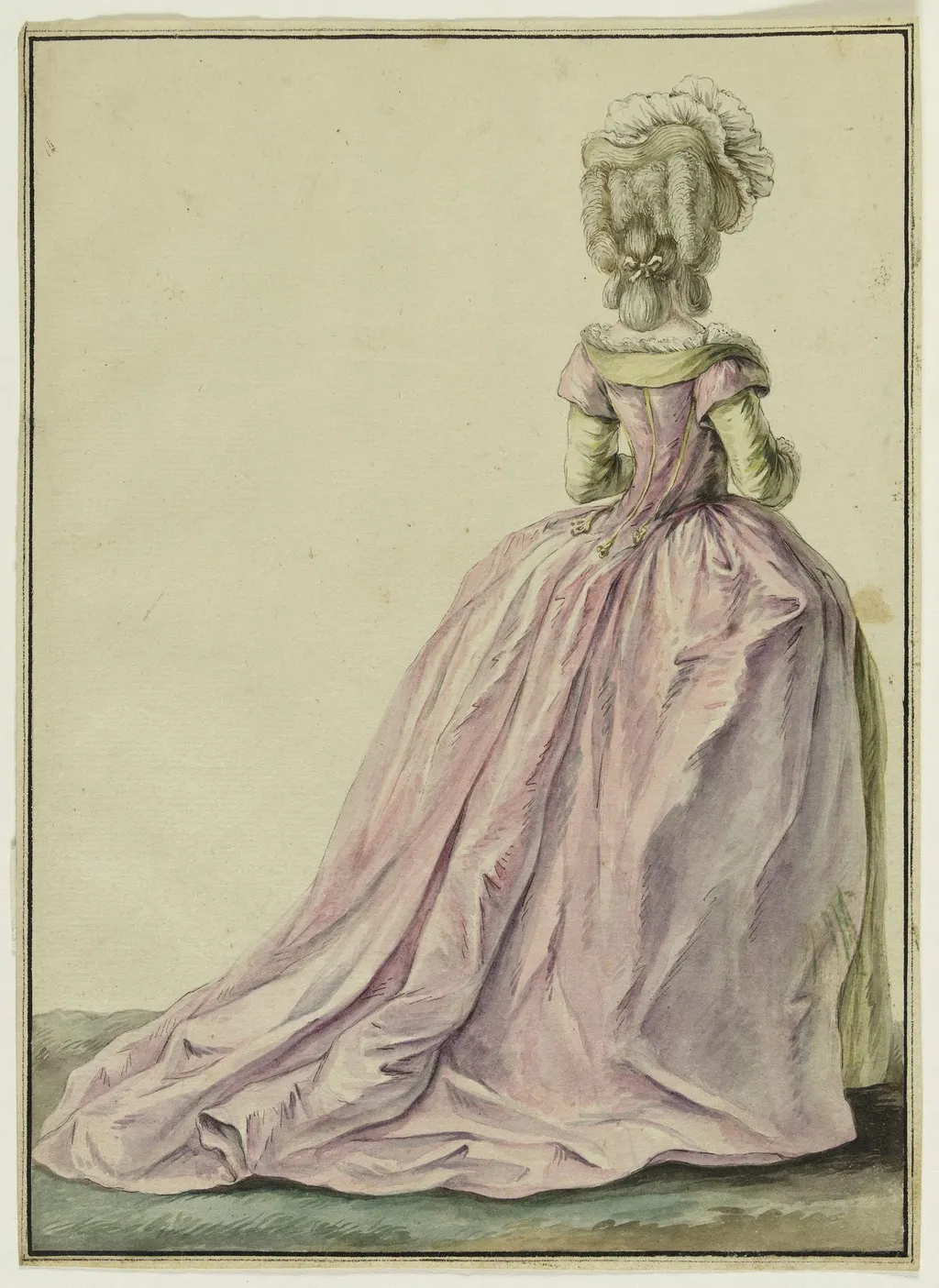
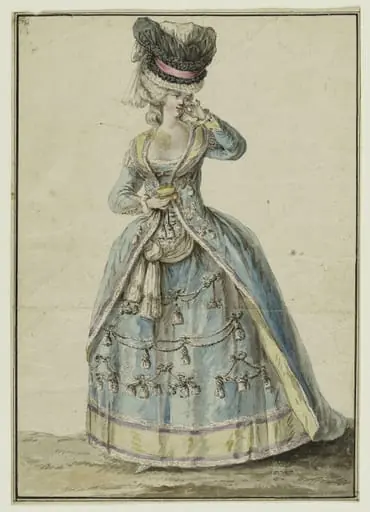
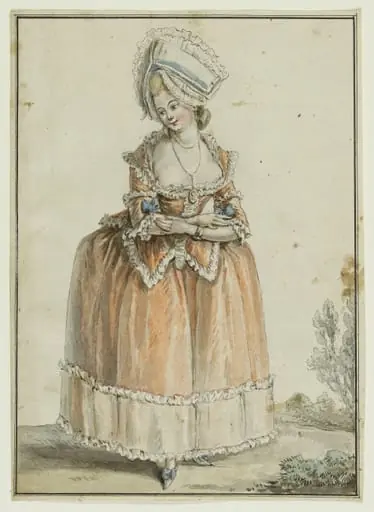
Robe dite à la turque is an unspecified work on paper by the Rococo painting artist Pierre Thomas Le Clerc ou Leclerc. It dates from 1780 and is held in the collection of the Palais Galliera - Musée de la Mode de la Ville de Paris. Created around 1780 by Pierre Thomas Le Clerc, this watercolor depicts a woman in a fashionable dress styled as à la turque.
About this work
Overview
Rendered in delicate washes, it captures a moment of quiet elegance, reflecting late 18th-century European interest in exoticized fashion.
Created around 1780 by Pierre Thomas Le Clerc, this watercolor depicts a woman in a fashionable dress styled as à la turque. The work is part of the collection at the Museum of Ethnography. Rendered in delicate washes, it captures a moment of quiet elegance, reflecting late 18th-century European interest in exoticized fashion. The composition focuses on the figure’s back, emphasizing silhouette and textile detail over facial expression.
Subject & Meaning
The figure wears a gown inspired by perceived Ottoman styles, a trend among European elites who adopted 'Turkish' motifs as symbols of luxury and novelty. Though not ethnographically accurate, the robe reflects contemporary fantasies of the East. The woman’s poised stance and ornate hairstyle suggest aristocratic leisure, aligning the image with fashion plates of the period rather than documentary portraiture.
Technique & Style
The artist employed watercolor with glazing techniques to build subtle layers of color, enhancing the softness of the fabric and the luminosity of the pink gown. Light, feathery brushstrokes mimic the movement of silk, while the background is rendered minimally to keep focus on the figure. The delicate handling of light and texture reflects the refined aesthetic of late Rococo and early Neoclassical fashion illustration.
History & Provenance
The work entered the Museum of Ethnography’s collection as part of a broader archive of 18th-century costume studies. Its attribution to Pierre Thomas Le Clerc, a known illustrator of fashion, is based on stylistic comparison with other documented works. The piece likely served as a reference for dressmakers or as a personal collection item, rather than a public display.
Context
In the 1770s–1790s, European fashion increasingly incorporated elements from non-Western cultures, often idealized or misinterpreted. The 'robe à la turque' was a real garment style, adapted from Ottoman silhouettes but modified for Western wear. This watercolor belongs to a genre of images that documented evolving fashion trends, circulating among aristocratic circles and textile artisans.
Legacy
Though not widely exhibited, the work contributes to scholarly understanding of how fashion was visualized and disseminated before photography. It exemplifies the intersection of art, costume, and cultural imagination in the late Enlightenment. Today, it remains a quiet testament to the period’s fascination with the exotic and the role of visual media in shaping taste.
Artist & collection
Artist
Pierre Thomas Le Clerc ou Leclerc
Pierre Thomas Le Clerc made delicate 18th-century watercolors of men’s and women’s fashions, recording the exact cut and trim of coats, waistcoats and robes in minute detail.
Museum
Palais Galliera - Musée de la Mode de la Ville de Paris
Continue through works from the same source collection.