Artwork
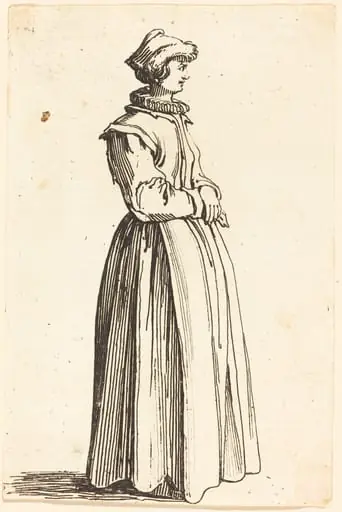
Young Woman with Hands Folded, Facing Right
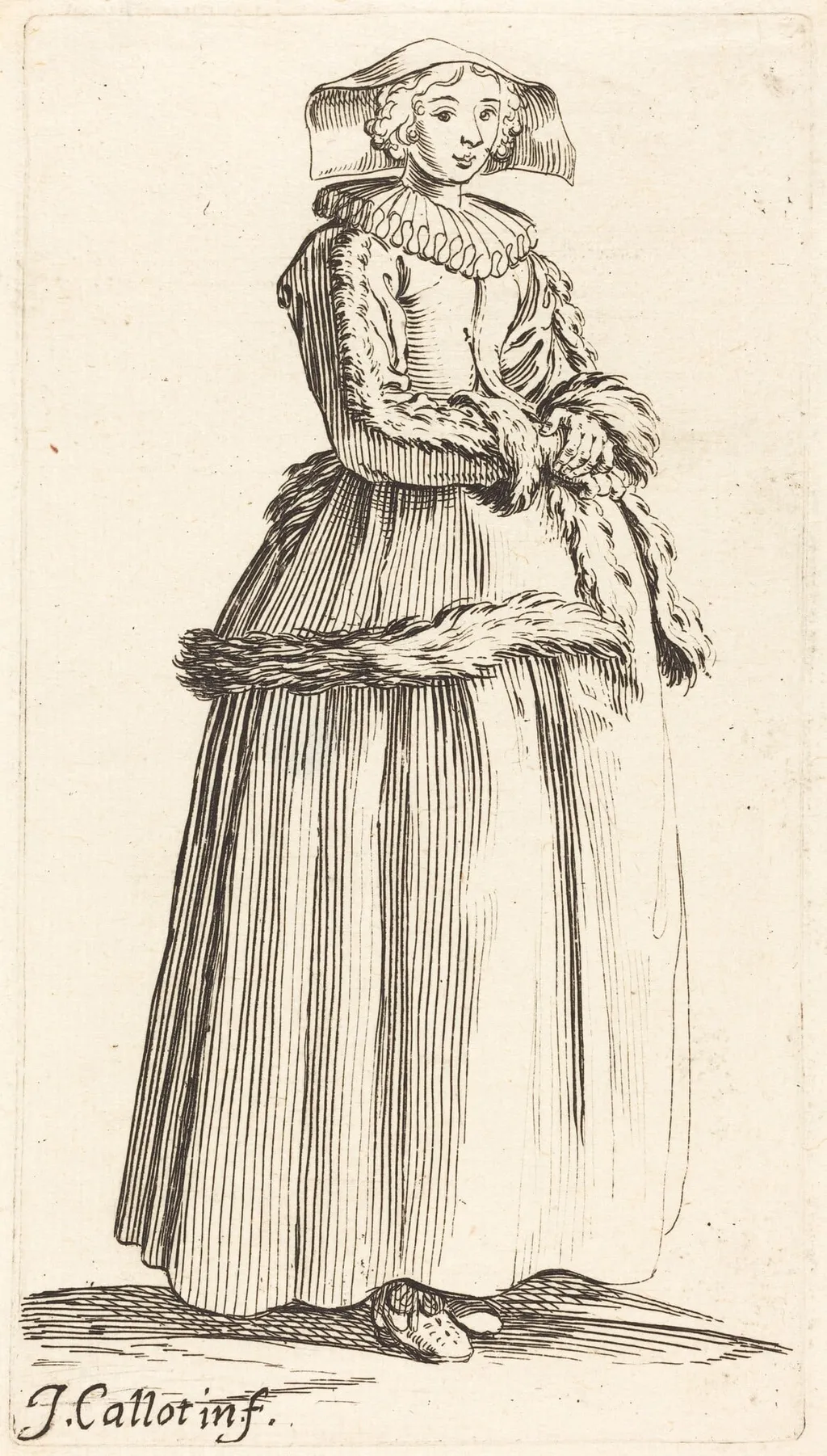
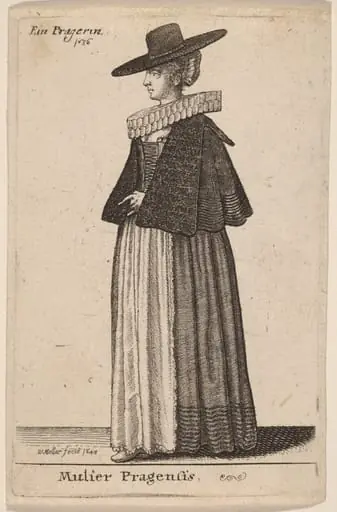
Young Woman with Hands Folded, Facing Right is an ink print by the Renaissance artist Israel Henriet. It dates from 1626 and is held in the collection of the National Gallery of Art.
About this work
If you're interested in learning more about this style of art, you might want to check out the work of Henriet, Israel, who created this etching.
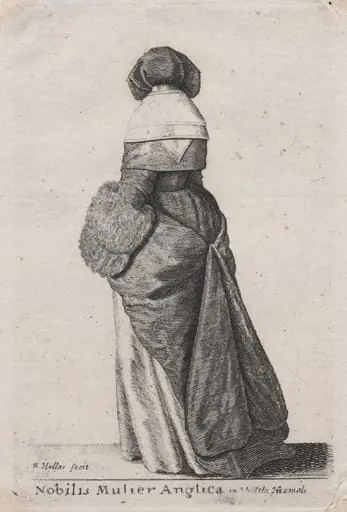
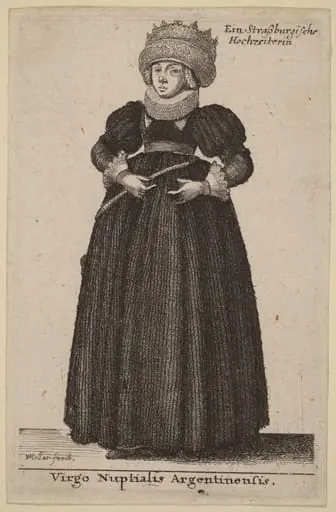
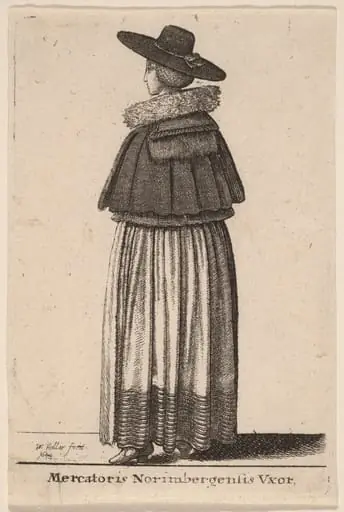
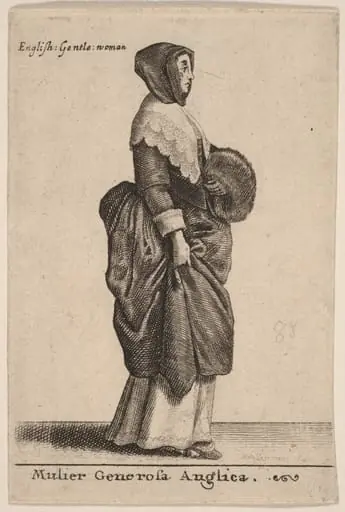
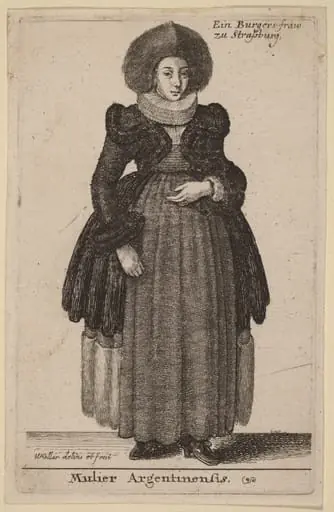
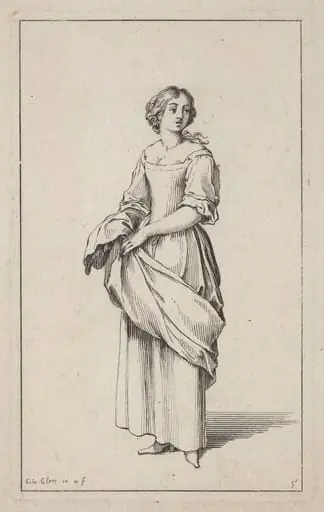
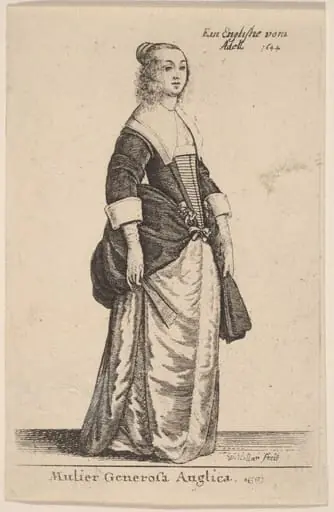
This image depicts a young woman standing in a long dress, her hands folded in front of her. She wears a wide-brimmed hat and has a fur-trimmed shawl draped over her arms. Her shoes are visible at the bottom of the image.
The woman's attire and the style of the etching suggest that the image was created in the 17th century. The level of detail in the etching is impressive, with fine lines and textures that give the image depth and realism.
The image is a great example of Renaissance art, and it's interesting to note that it's held at the National Gallery of Art, Washington. If you're interested in learning more about this style of art, you might want to check out the work of Henriet, Israel, who created this etching.
Overview
An etching on laid paper from 1626, this work by Israel Henriet portrays a young woman in profile, facing right, with hands gently folded before her. Rendered in fine, controlled lines, the image captures her full-length figure, including a long dress, wide-brimmed hat, and fur-trimmed shawl. The composition emphasizes quiet composure, with attention to textile textures and the subtle modeling of form through etched detail.
Subject & Meaning
The figure appears to be a portrait of a modest, middle- or upper-class woman, likely intended as a study of character rather than a commissioned likeness. Her stillness, folded hands, and formal attire suggest piety or domestic virtue, common themes in Northern European portraiture of the period. The absence of narrative context invites contemplation of individual dignity within everyday life.
Technique & Style
Henriet employed fine-line etching to achieve nuanced tonal gradations and intricate surface detail, particularly in the folds of fabric and the texture of the fur trim. The use of laid paper, with its visible chain lines, enhances the tactile quality of the print. The style reflects Dutch and Flemish print traditions, prioritizing observational precision over dramatic expression.
History & Provenance
Created in 1626, the etching entered the collection of the National Gallery of Art in Washington, D.C., where it remains part of its prints and drawings holdings. Its survival in good condition reflects careful preservation, though little is documented about its early ownership or exhibition history prior to the 20th century.
Context
Henriet worked during a period when printmaking flourished in the Dutch Republic as a medium for both artistic exploration and commercial distribution. While not as widely known as contemporaries like Rembrandt, he contributed to a culture of intimate portraiture, often depicting individuals with restrained elegance, reflecting broader societal values of modesty and decorum.
Legacy
This etching exemplifies the quiet sophistication of early 17th-century Dutch printmaking. Though Henriet’s oeuvre is limited, works like this one help illuminate the role of lesser-known artists in shaping the visual language of domestic portraiture, influencing later generations focused on psychological depth and material realism.
Artist & collection

![The Siege of La Rochelle [plate 16 of 16; set comprises 1952.8.97-112], by Israel Henriet](https://artifactworldgallery.com/img/israel-henriet--the-siege-of-la-rochelle-plate-16-of-16-set-comprises-1952-8--259b2c0fcc4c8988-w320.webp) The Siege of La Rochelle [plate 16 of 16; set comprises 1952.8.97-112]
The Siege of La Rochelle [plate 16 of 16; set comprises 1952.8.97-112]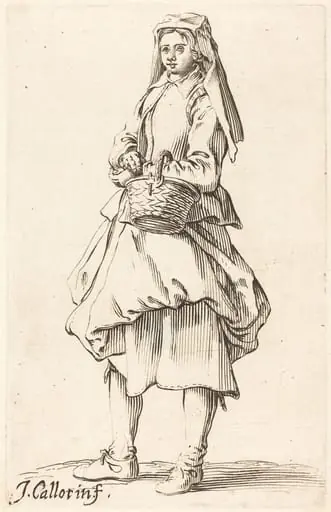 Peasant Woman with Basket, Facing Left
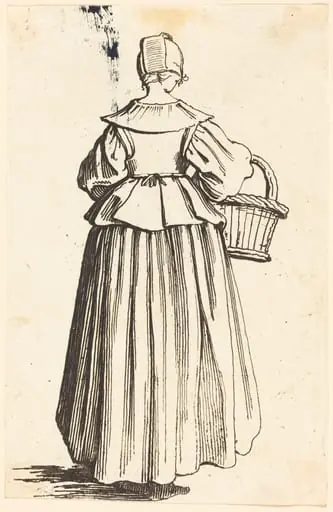 Peasant Woman with Basket, Seen from Behind
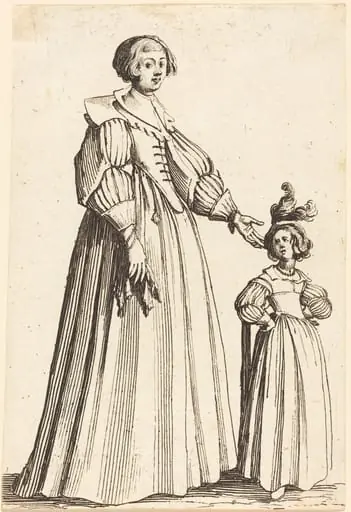 Catherine Kuttinger, Callot's Wife
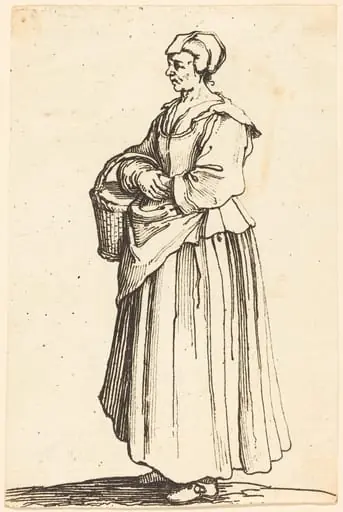 Peasant Woman with Basket, in Profile, Facing Left
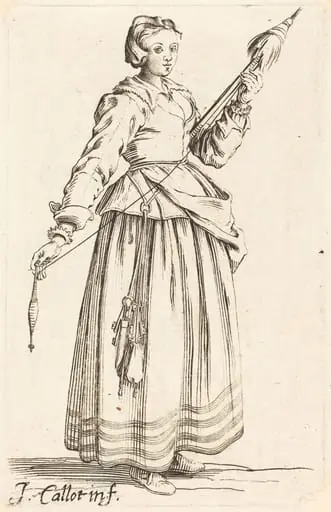 Young Woman with Distaff, Facing Right
 Young Woman, in Profile, Facing Right
 Bourgeoise with Muff, Facing Right