Artwork
Clove pinks and marigold; Marigold
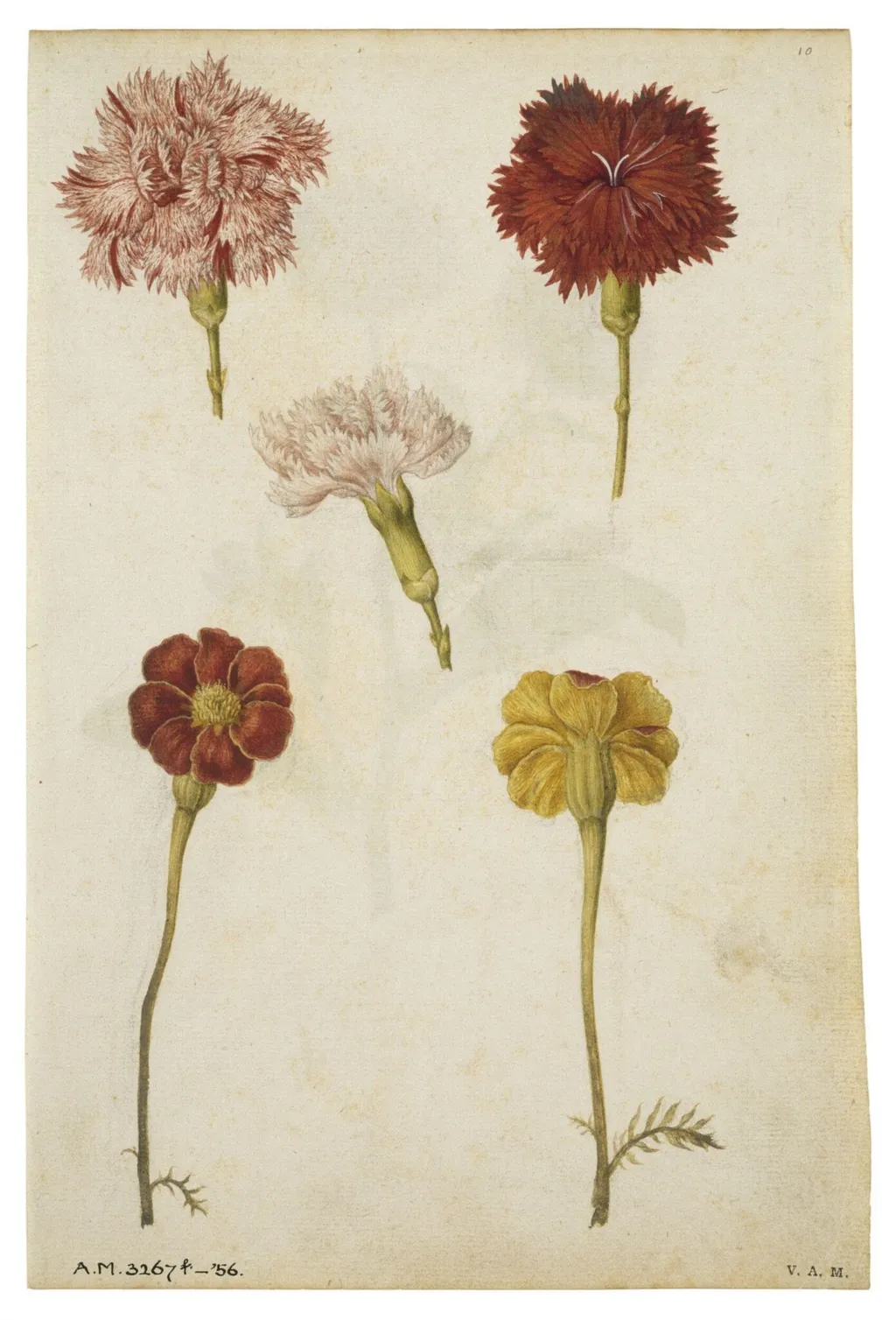
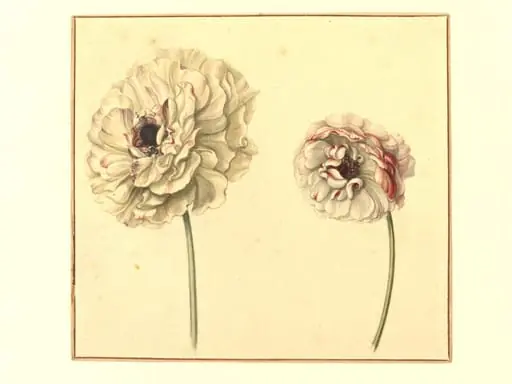
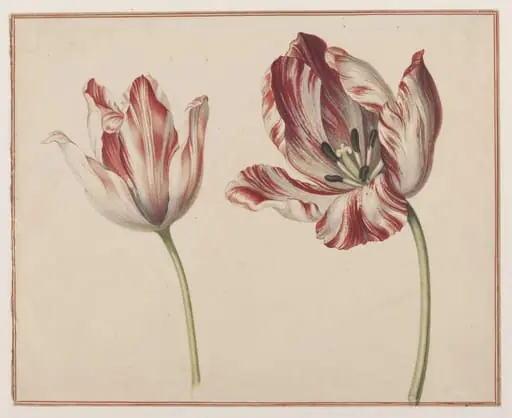
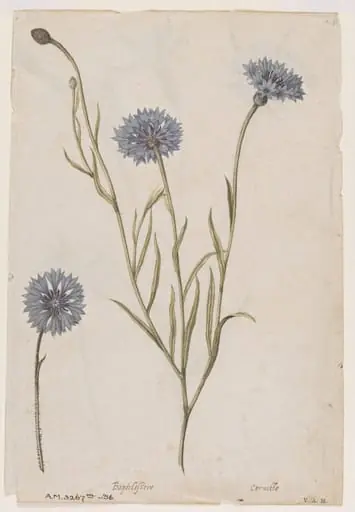
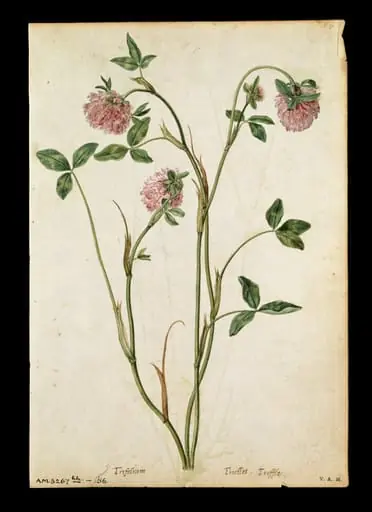
Clove pinks and marigold; Marigold is a watercolor work on paper by the Early Baroque Italian artist Jacques Le Moyne de Morgues. It dates from 1568 and is held in the collection of the Victoria and Albert Museum.
About this work
This delicate watercolor shows a few bright flowers on paper. It’s part of a book of 59 small botanical paintings. The artist used fine brushwork to capture details.
The flowers here are clove pinks and marigolds. They’re painted on both sides of the sheet. It’s dated around 1575, made by a Huguenot artist.
Look up the Victoria and Albert Museum to see more of these early botanical works.
Overview
The work reflects a methodical approach to recording plant forms, likely intended for study rather than display.
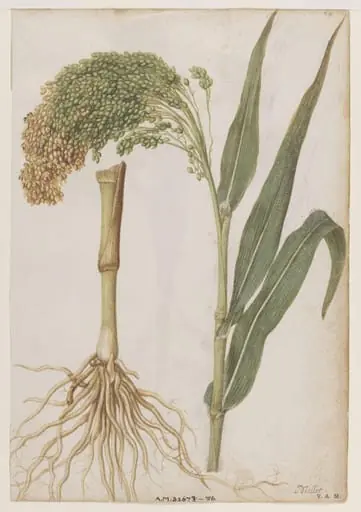
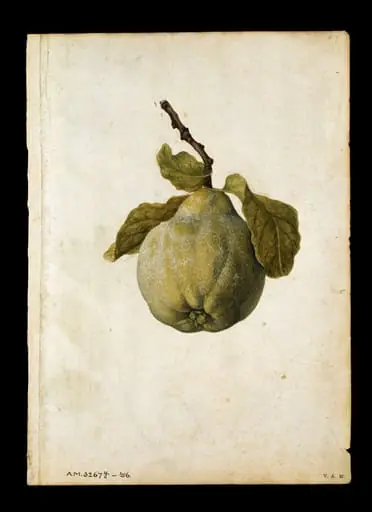
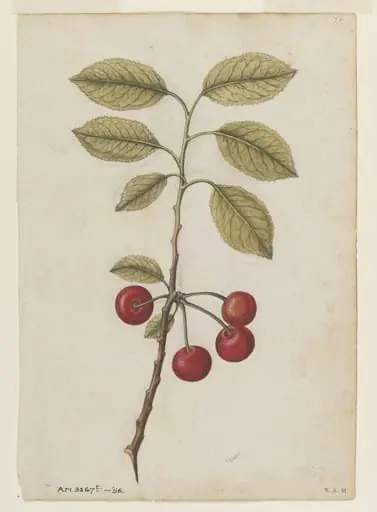
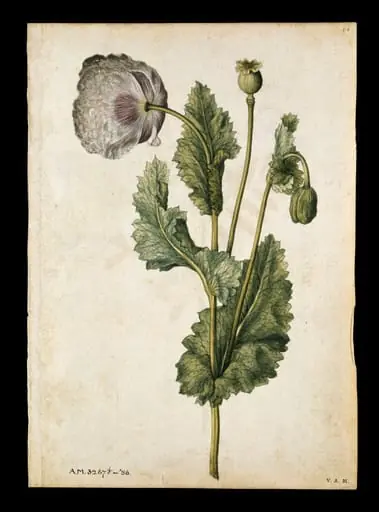
This watercolour is one of fifty-nine small botanical studies in an album attributed to Jacques Lemoyne de Morgues, a Huguenot artist active in the late 16th century. Created circa 1575, the sheet features flowers on both sides, a common practice in the album. The work reflects a methodical approach to recording plant forms, likely intended for study rather than display. Its survival offers rare insight into early European botanical illustration outside printed texts.
Subject & Meaning
The recto depicts three clove pinks and two marigolds, while the verso shows a single pot marigold. These species were cultivated in European gardens for their color and scent, and their inclusion suggests an interest in both ornamental and medicinal plants. The precise rendering implies an intent to document botanical characteristics accurately, aligning with emerging scientific curiosity about flora during the Renaissance.
Technique & Style
Lemoyne employed fine, controlled brushwork in watercolour to capture delicate petal structures and subtle tonal shifts. The pigments are applied thinly, allowing the paper’s texture to influence the lightness of the forms. No outlines define the flowers; instead, gradations of hue suggest volume and shadow. The composition is uncluttered, emphasizing natural arrangement over decorative flourish.
History & Provenance
The album remained largely unknown until its rediscovery in the early 20th century. Prior to this, Lemoyne was primarily noted for his role as a mapmaker and illustrator of colonial expeditions. The botanical watercolours, once overlooked as mere preparatory sketches, were reevaluated as significant early examples of observational plant art. Their current location is held in a major public collection, though exact provenance before the 1900s remains unclear.
Context
Created during a period when botanical knowledge was expanding through exploration and print, Lemoyne’s album predates the widespread use of illustrated herbals by decades. Unlike published works, these watercolours were private studies, possibly made for personal reference or patron use. Their existence highlights a quiet tradition of detailed plant observation in France, distinct from the more publicized German and Dutch botanical traditions.
Legacy
Lemoyne’s watercolours redefined his artistic reputation, shifting focus from his earlier roles as a cartographer to that of a meticulous botanical observer. The album is now recognized as an important precursor to later scientific illustration, demonstrating an early commitment to accuracy over stylization. Though few of his works survive, this series remains a key reference for understanding the development of natural history art in Renaissance Europe.
Own this work as a print
Artist & collection
Artist
Jacques Le Moyne de Morgues (French pronunciation: ; c. 1533–1588) was a French artist and member of Jean Ribault's expedition to the New World. His depictions of Native American life and culture, colonial life, and…