Artwork
La Purificación de la Virgen
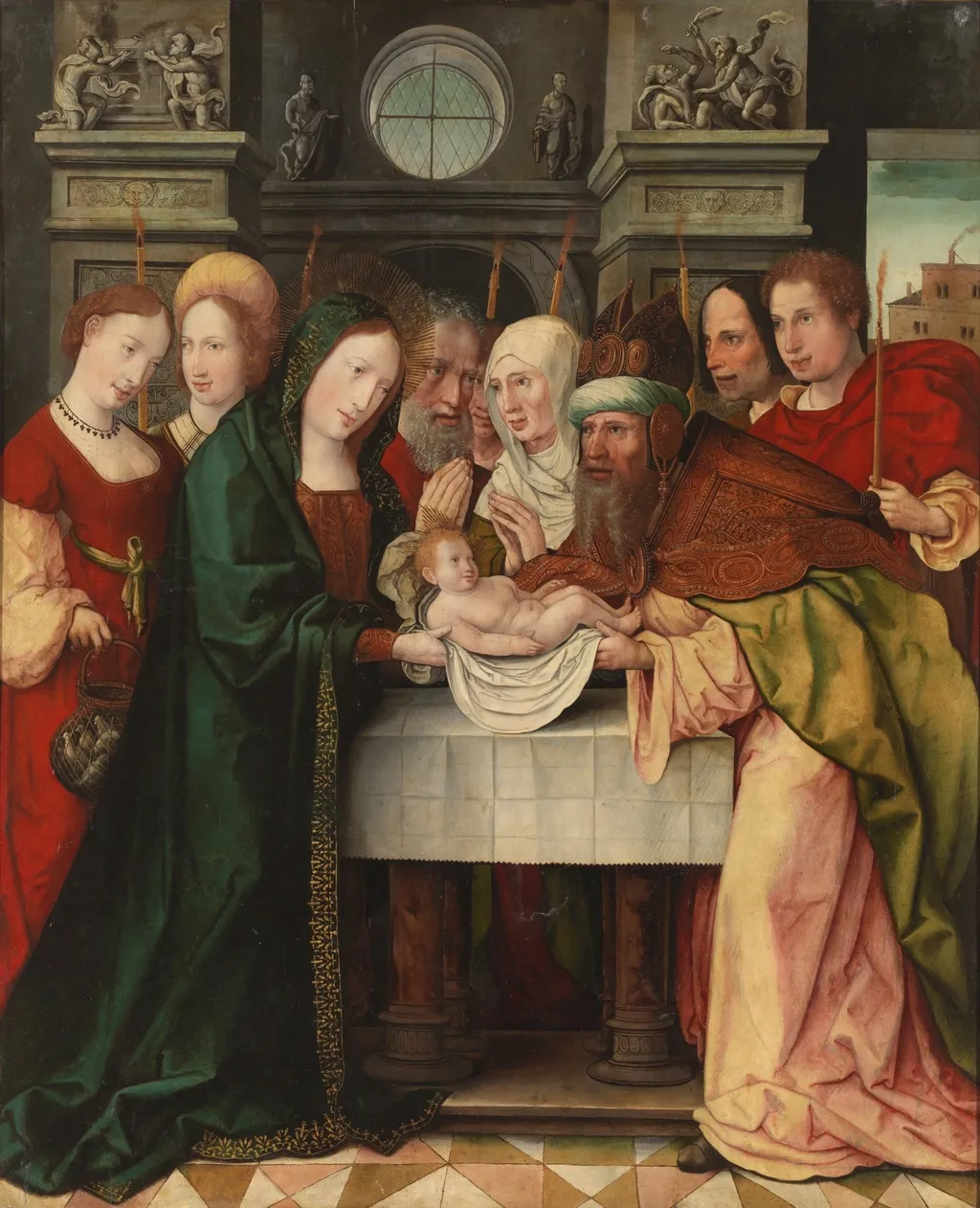
La Purificación de la Virgen is an oil painting by the Northern Renaissance artist León Picardo. It dates from 1501 and is held in the collection of the Museo del Prado.
About this work
Overview
The composition centers on a formal gathering of figures around the infant Jesus, rendered with attention to ceremonial detail and spatial arrangement.
Painted in 1501 by León Picardo, this oil-on-panel work illustrates the Purification of the Virgin, a biblical event described in the Gospel of Luke. It resides in the Museo del Prado in Madrid, where it is cataloged as part of the early Spanish Renaissance collection. The composition centers on a formal gathering of figures around the infant Jesus, rendered with attention to ceremonial detail and spatial arrangement.
Subject & Meaning
The scene depicts Mary presenting Jesus at the Temple in Jerusalem, as required by Jewish law forty days after childbirth. She is shown in a green robe, holding the child, while figures in ornate attire—including priests and nobles—observe the ritual. The presence of crowns and rich garments suggests both sacred significance and the earthly status of the participants, blending religious devotion with courtly imagery.
Technique & Style
Picardo employs layered oil glazes to achieve depth in the textiles and architectural elements. The figures are arranged symmetrically around the central axis, with stone arches and a circular window framing the group. Color is used deliberately: greens and reds dominate the robes, while gold accents highlight crowns and halos. The brushwork is precise, reflecting Flemish influences common in early 16th-century Spanish painting.
History & Provenance
The painting entered the Museo del Prado’s collection in the 19th century, having previously belonged to Spanish royal holdings. Its attribution to León Picardo, a lesser-known artist active in the Castilian court, was confirmed through archival records and stylistic comparison with other works from the same period. It has remained in public ownership since its acquisition by the museum.
Context
Created during the transition from late Gothic to Renaissance styles in Spain, the painting reflects the influence of Northern European models, particularly in its detailed textures and use of color. It was likely commissioned for a religious institution or noble patron, aligning with the period’s emphasis on devotional imagery that reinforced both faith and social hierarchy.
Legacy
Though not widely known outside academic circles, the work remains a significant example of early Spanish Renaissance religious art. It contributes to the understanding of regional artistic practices in Castile during the transition from medieval to modern visual language. Its preservation in the Prado ensures continued study of how devotional themes were rendered in courtly contexts.
Own this work as a print
Artist & collection
Artist
Spanish painter León Picardo left behind three quiet oil paintings from 1501, all centered on religious scenes.

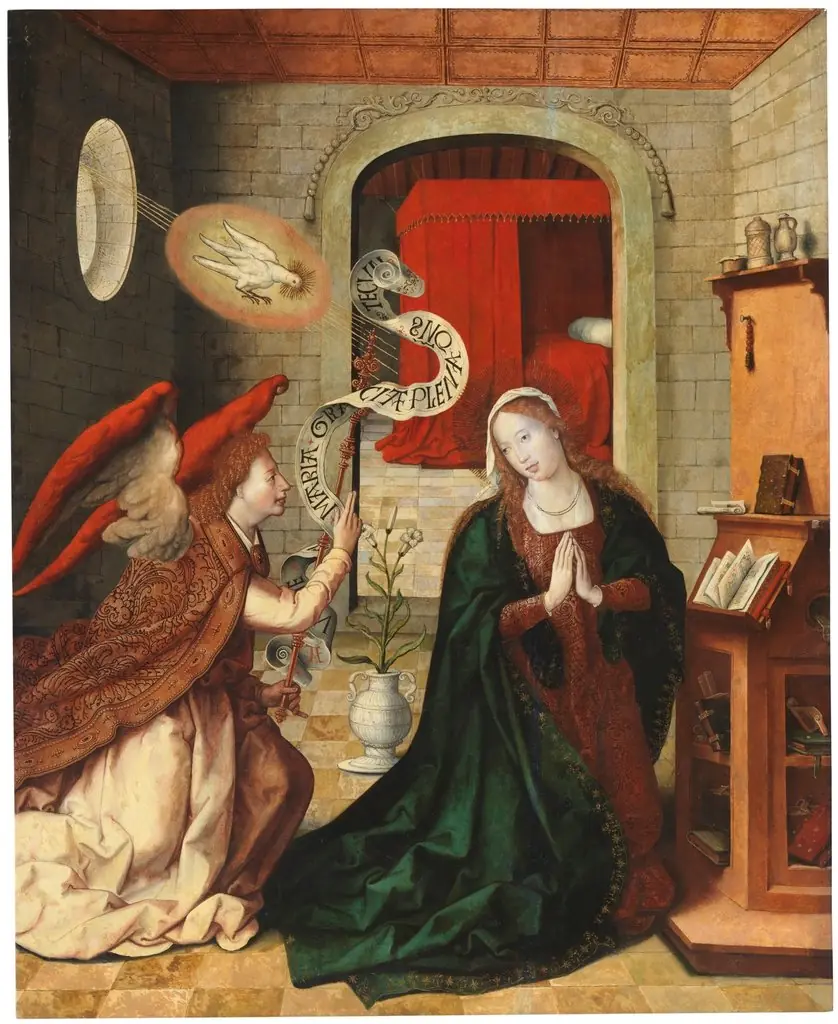
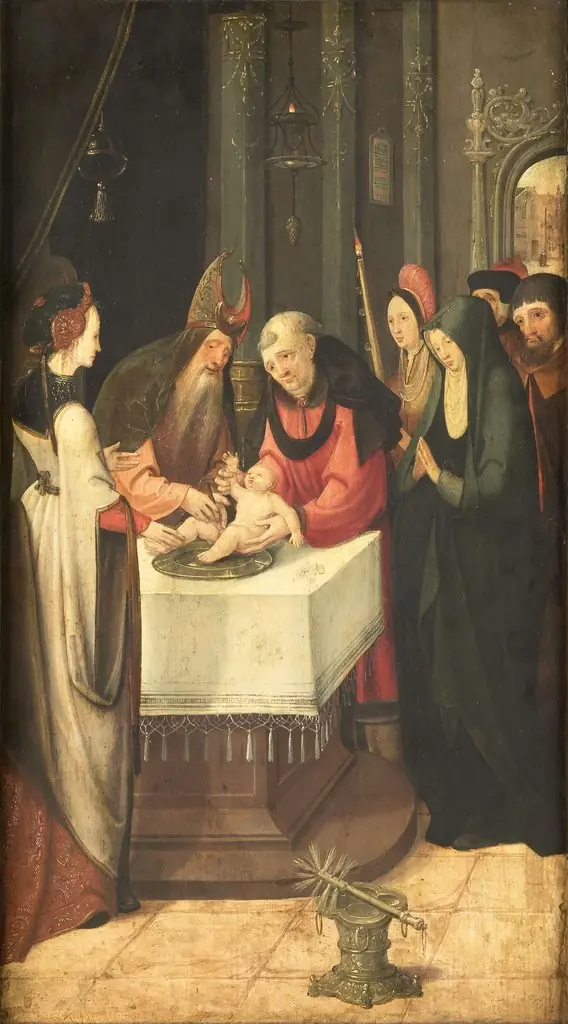 Left wing of an altarpiece with the Circumcision (inner wing) and the Virgin of an Annunciation (outer wing)
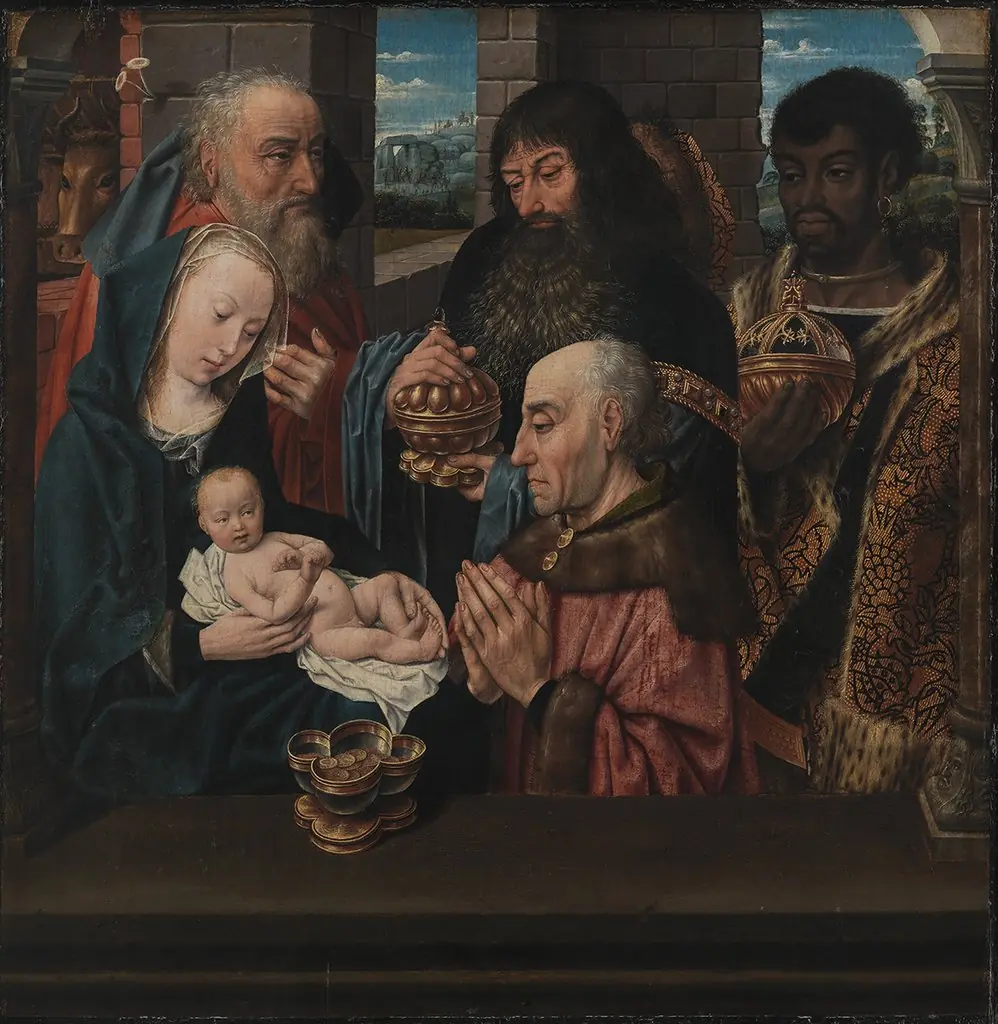 The Adoration of the Kings
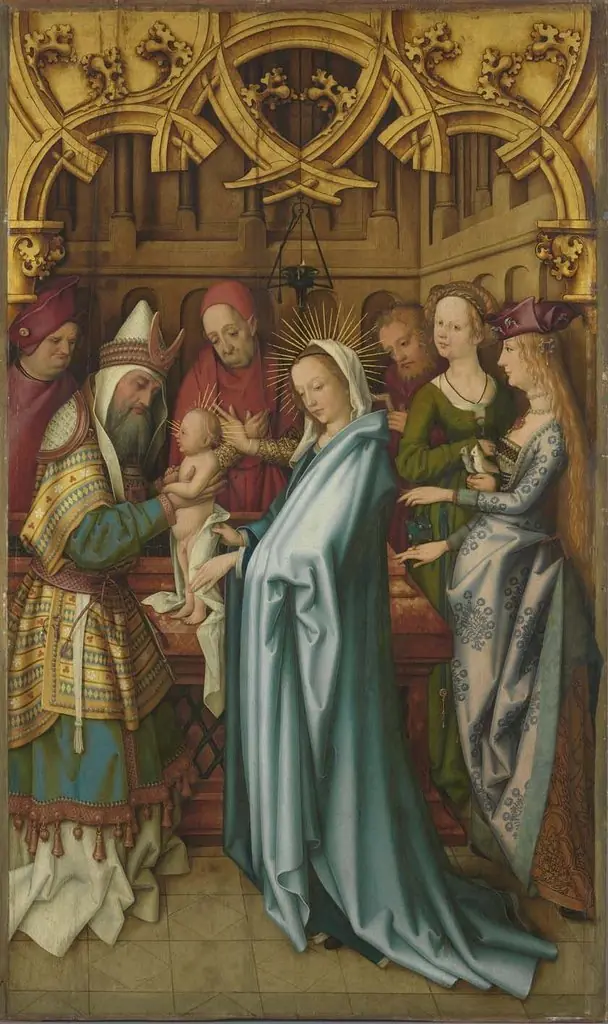 Kaisheimer Altar: Darbringung im Tempel
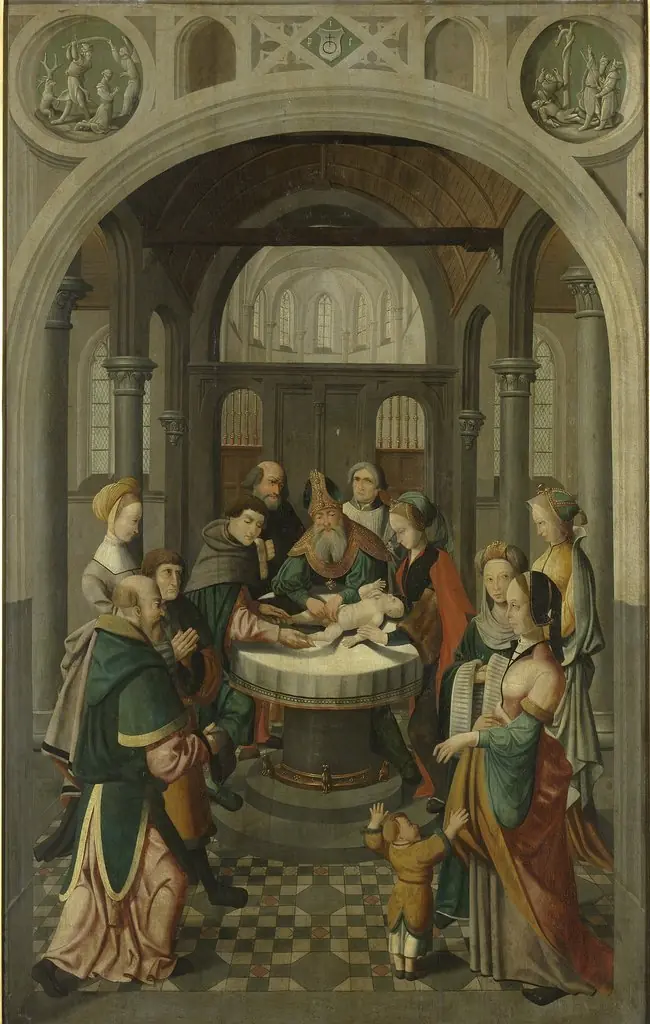 Panel of an altarpiece with the Circumcision (inner wing) and the Resurrection (outer wing)
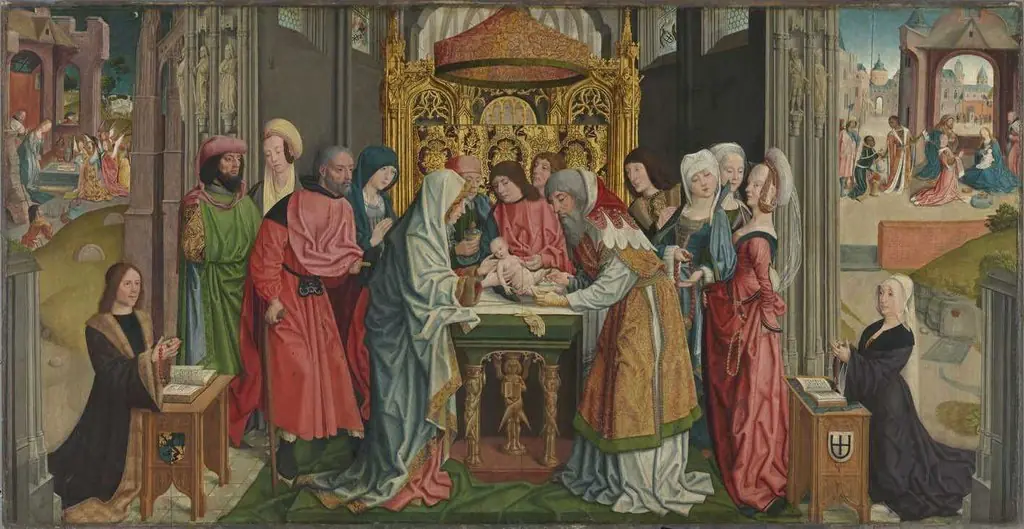 Circumcision of Christ
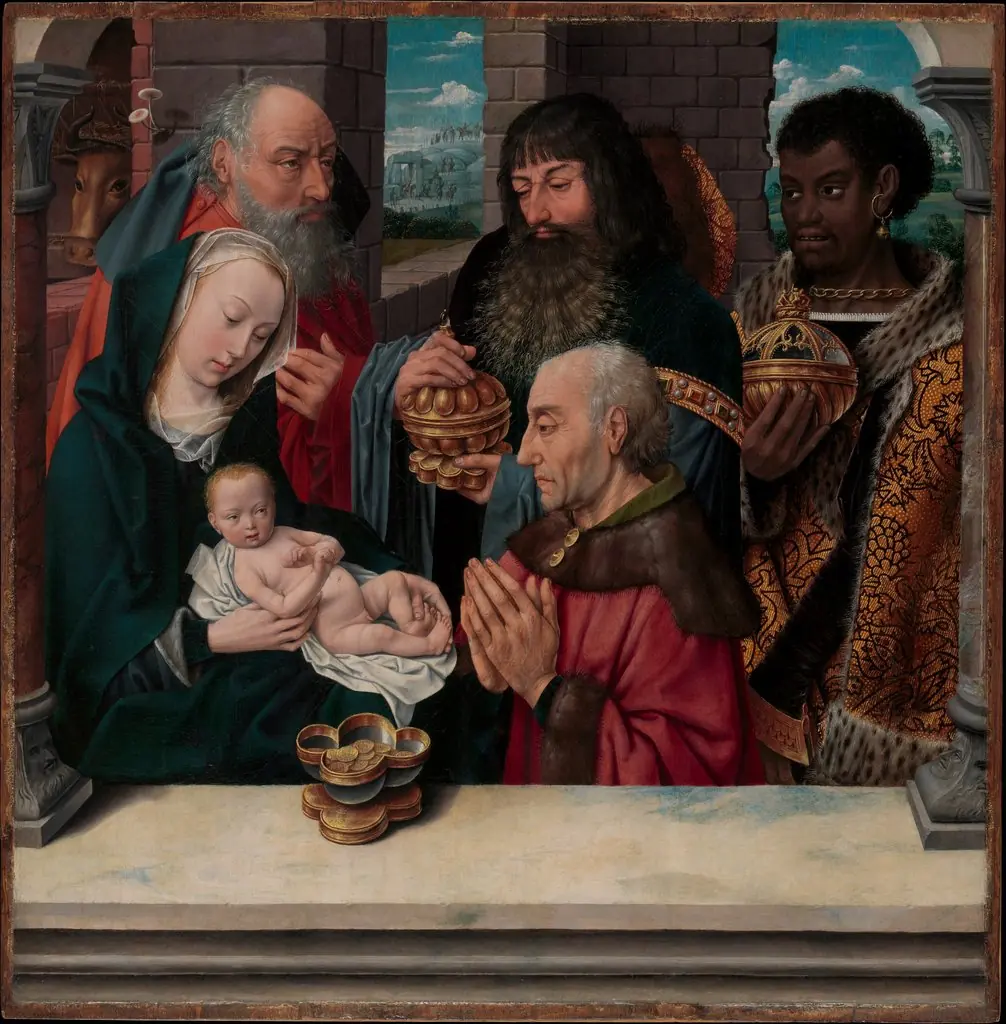 The Adoration of the Magi
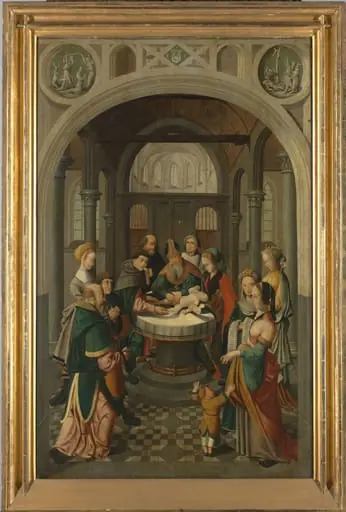 Panel of an Altarpiece with Circumcision of Christ, on verso is Resurrection of Christ
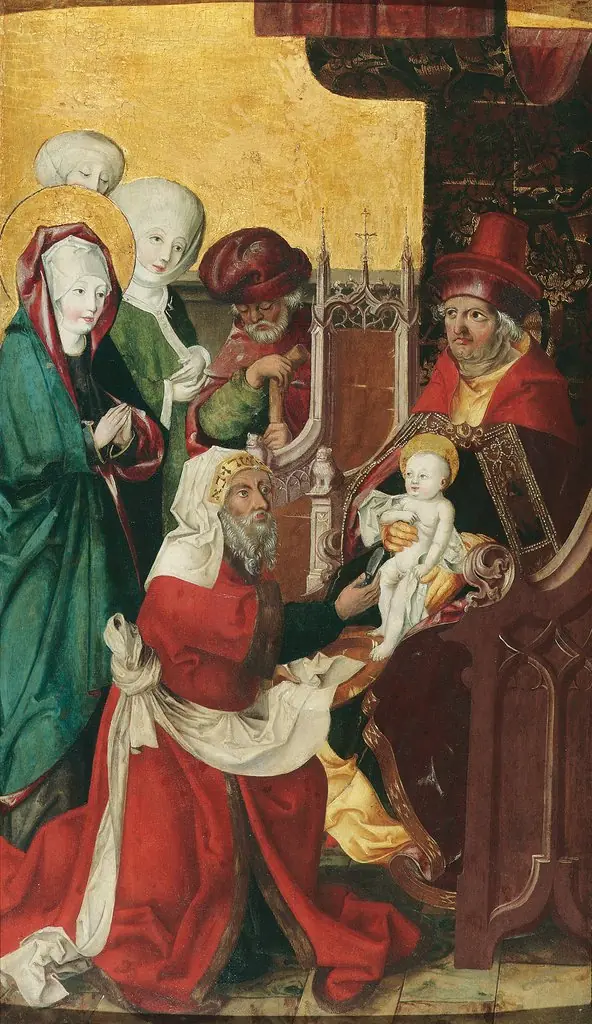 The circumcision of Christ
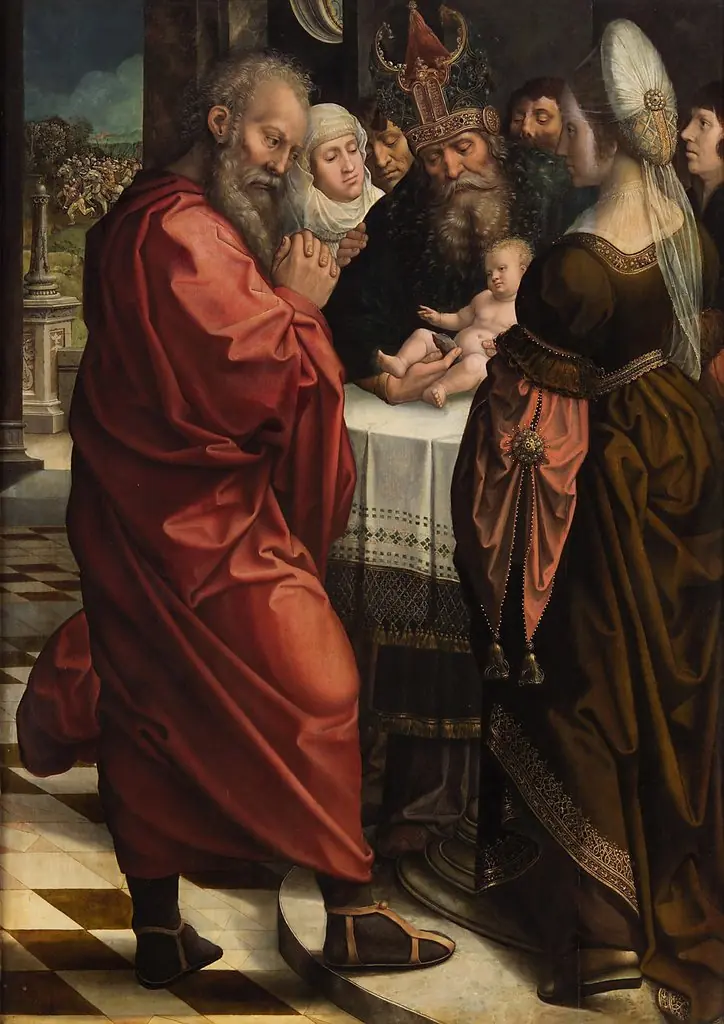 Presentation of Christ
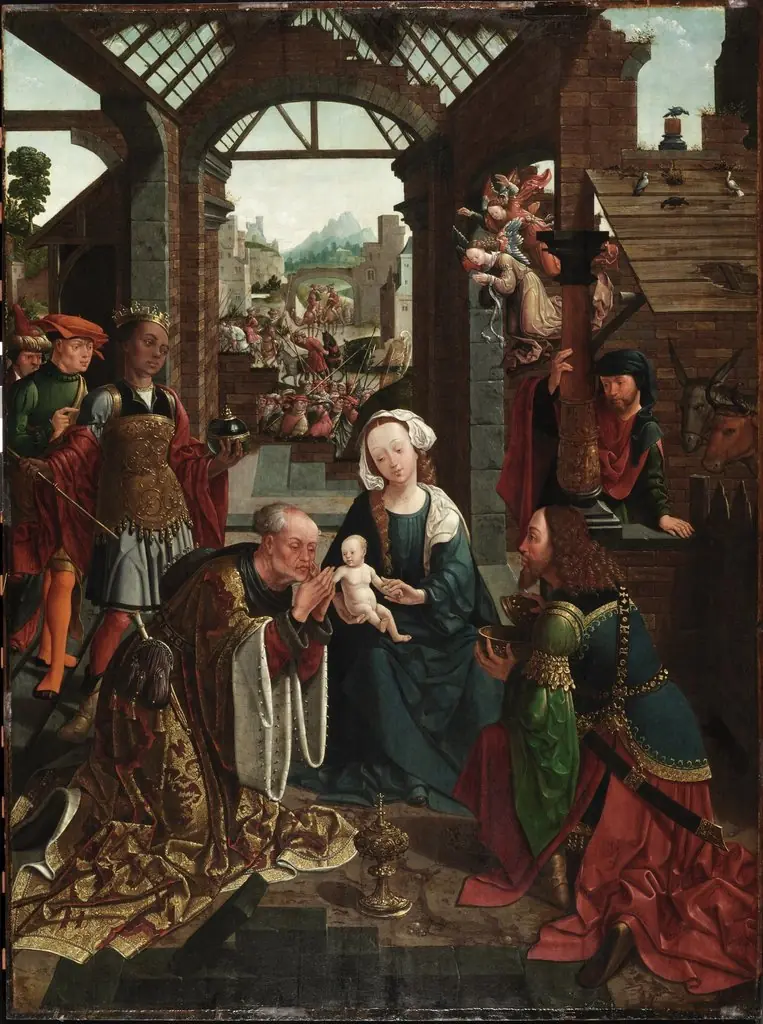 The Adoration of the Kings
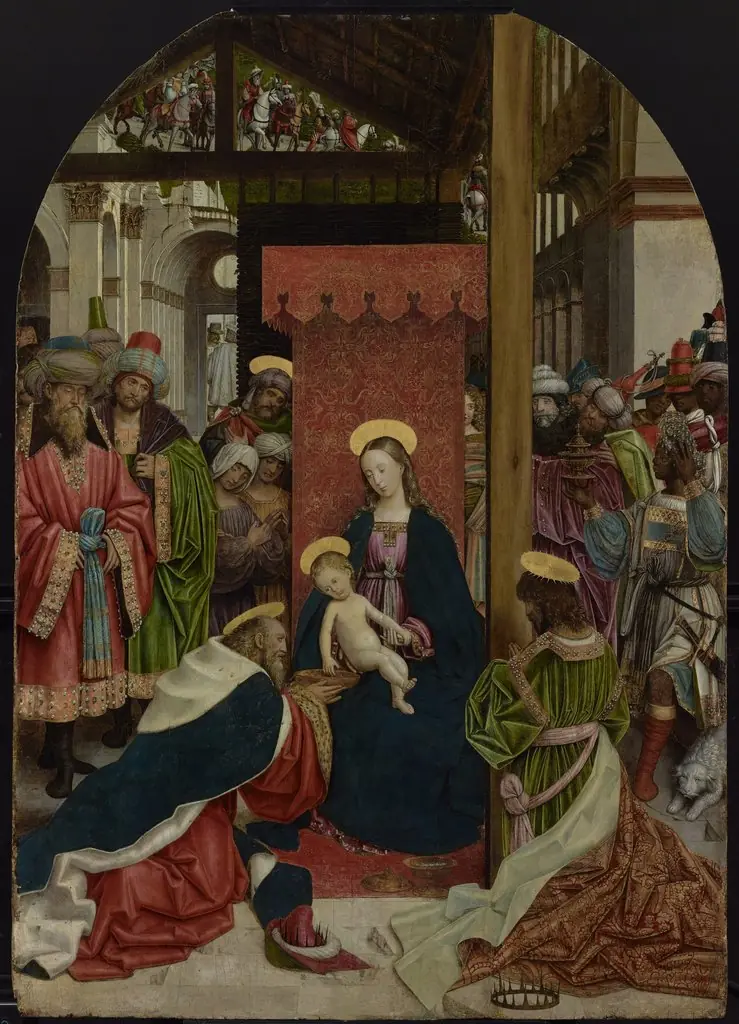 Adoration of the Magi
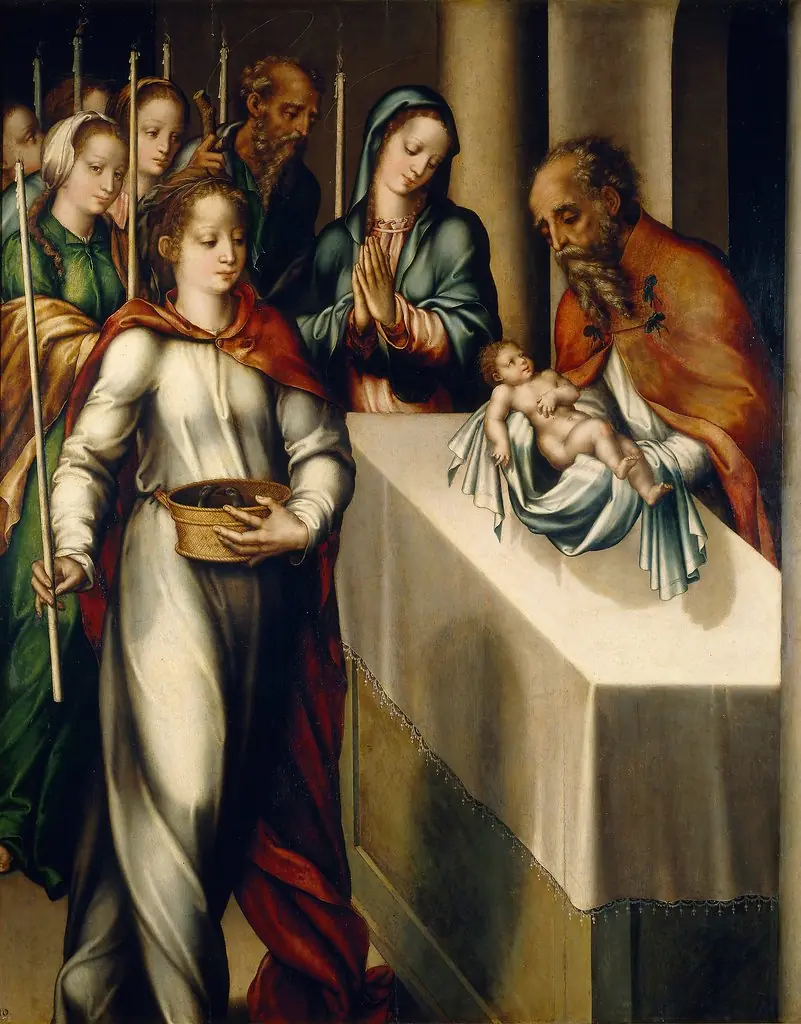 The Purification of the Virgin or The Presentation in the Temple