Artwork
Left wing of an altarpiece with the Circumcision (inner wing) and the Virgin of an Annunciation (outer wing)
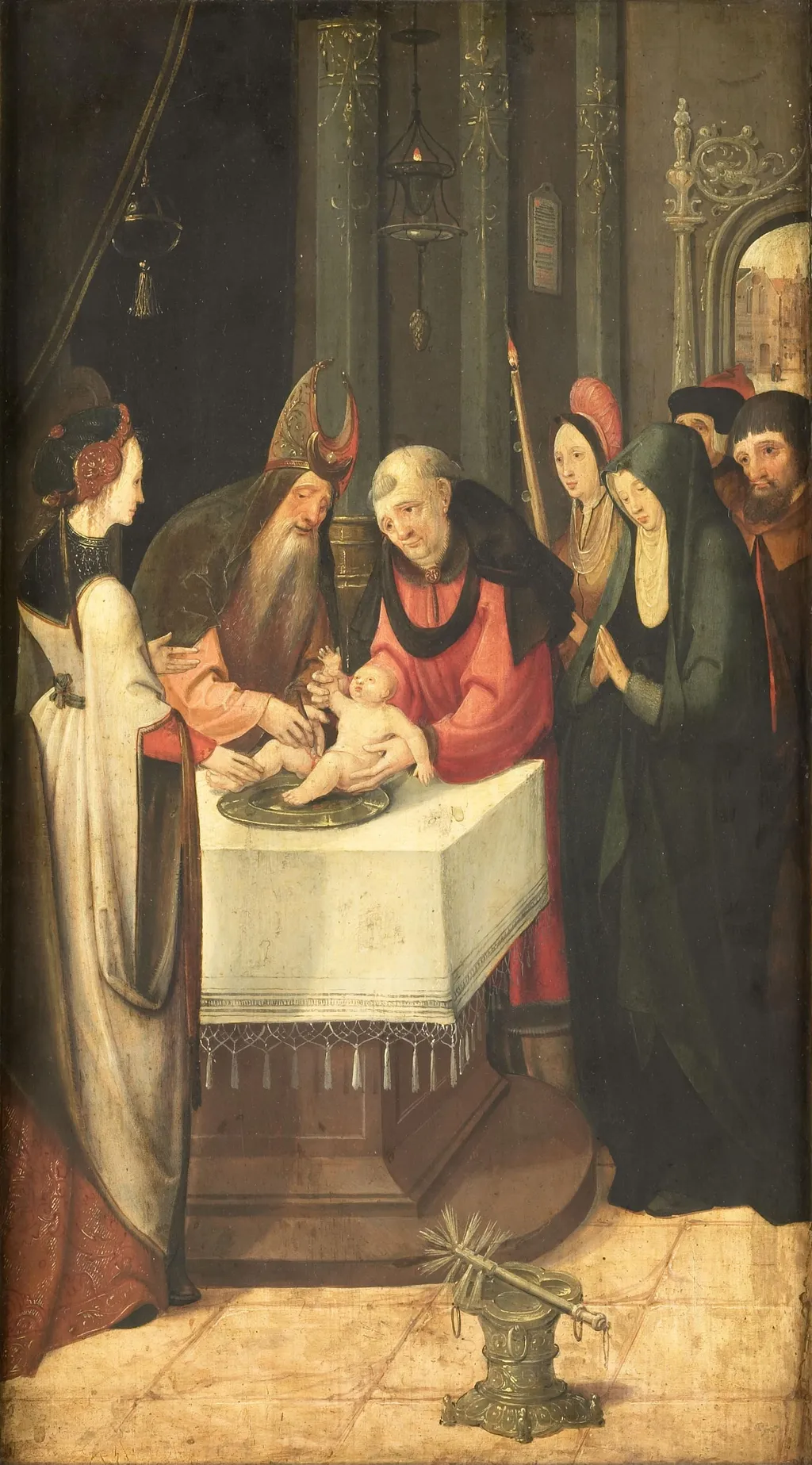
Left wing of an altarpiece with the Circumcision (inner wing) and the Virgin of an Annunciation (outer wing) is an oil painting by the Northern Renaissance artist Pseudo Jan Wellens de Cock. It dates from 1520 and is held in the collection of the Rijksmuseum.
About this work
Overview
This painting is a left wing of an altarpiece, featuring two scenes: the Circumcision on the inner wing and the Virgin of an Annunciation on the outer wing. Executed in oil paint, it is attributed to Pseudo Jan Wellens de Cock and dates to 1520. The work is part of the collection at the Rijksmuseum.
Subject & Meaning
The inner wing depicts the Circumcision, showing a bearded figure in a red robe holding a naked infant, surrounded by onlookers including a bishop in elaborate attire. The outer wing features the Virgin from an Annunciation scene. Together, these religious themes suggest the altarpiece's original purpose for devotional or liturgical use.
Technique & Style
The painting utilizes chiaroscuro, evident in the dramatic lighting from a suspended candle, which casts vivid shadows and highlights, particularly on the infant's hands and the tablecloth, creating a sense of realism. The dark background further enhances the sculptural quality of the figures.
History & Provenance
Created in 1520 by Pseudo Jan Wellens de Cock, the altarpiece wing's history prior to its acquisition by the Rijksmuseum is not detailed here. Its attribution suggests it is the work of an artist emulating Jan Wellens de Cock's style, indicating a possible school or follower piece.
Context
Part of a larger altarpiece, this wing would have been viewed in a religious context, likely a church or chapel, where its themes of religious ritual (Circumcision) and divine announcement (Annunciation) would have resonated with the congregation.
Legacy
As part of the Rijksmuseum's collection, the painting contributes to the understanding of early 16th-century religious art in the Netherlands, offering insights into the style of Pseudo Jan Wellens de Cock and the broader artistic trends of the time.
Own this work as a print
Artist & collection
Artist
This group painted biblical scenes in the 1520s around Antwerp. Their *Triptych with the Crucifixion* shows Jesus on the cross between saints, while *Lot and his daughters* tells a story from Genesis. Look for their…

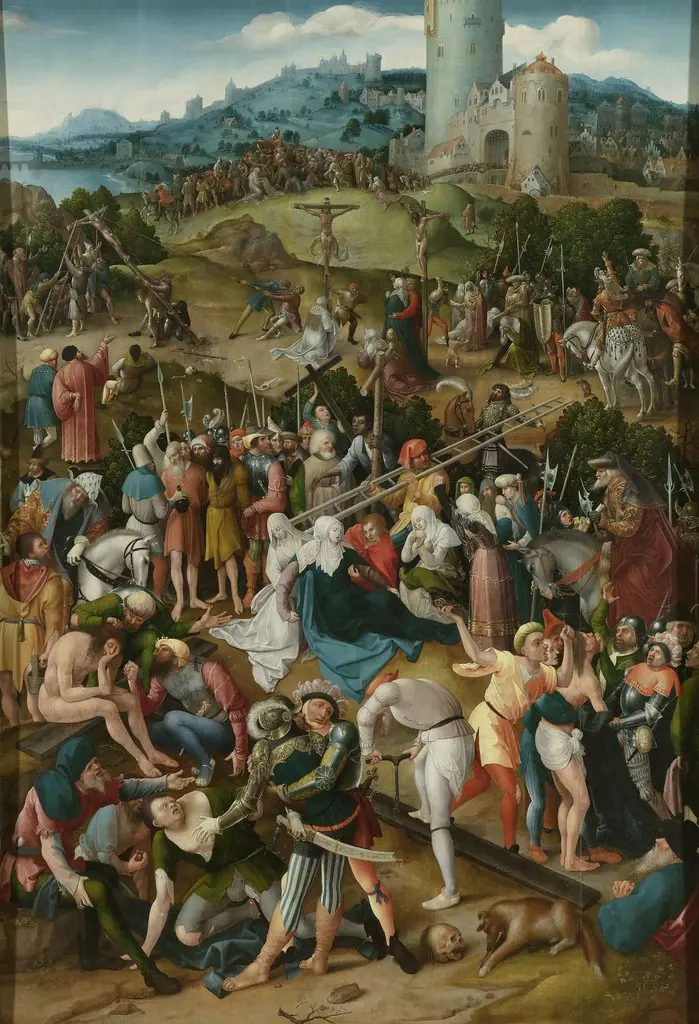 Calvary
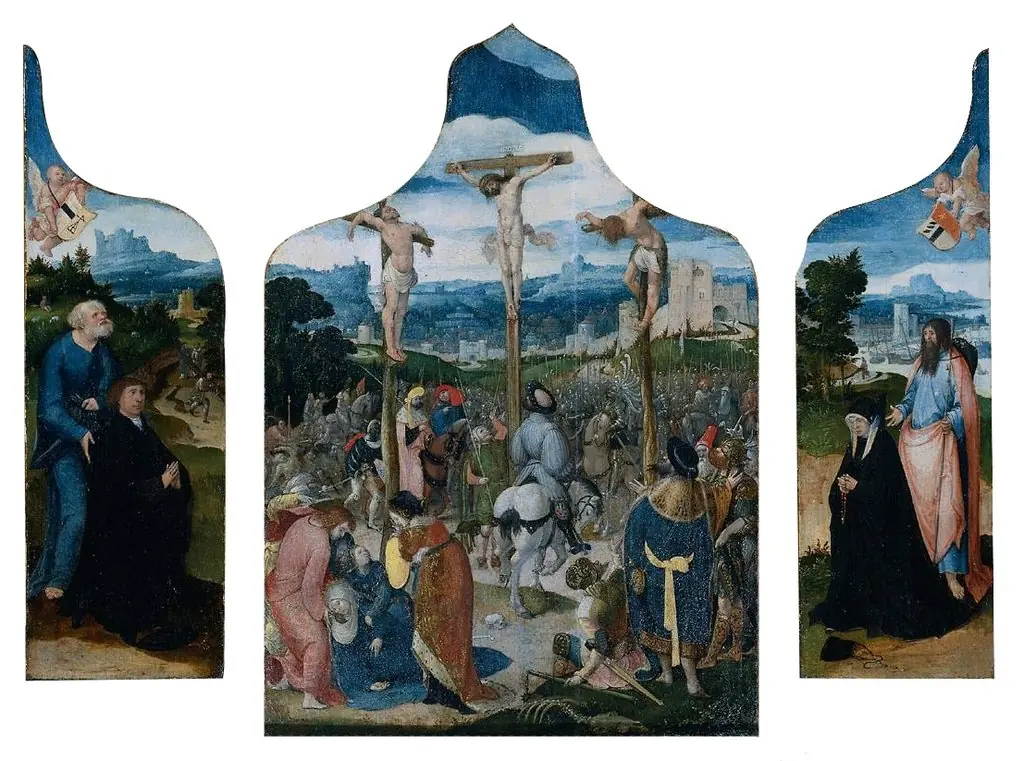 Triptych with the Crucifixion (centre panel), St Peter and a Male Donor (inner left wing), St James and a Female Donor (inner right wing), St Christopher and the Christ Child on the Road of Life (outer wings)
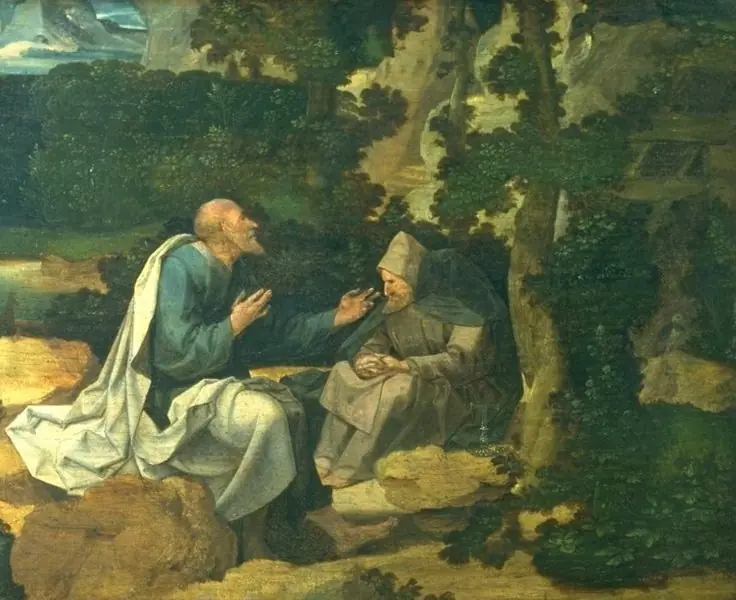 Landscape with the hermits Paul and Anthony
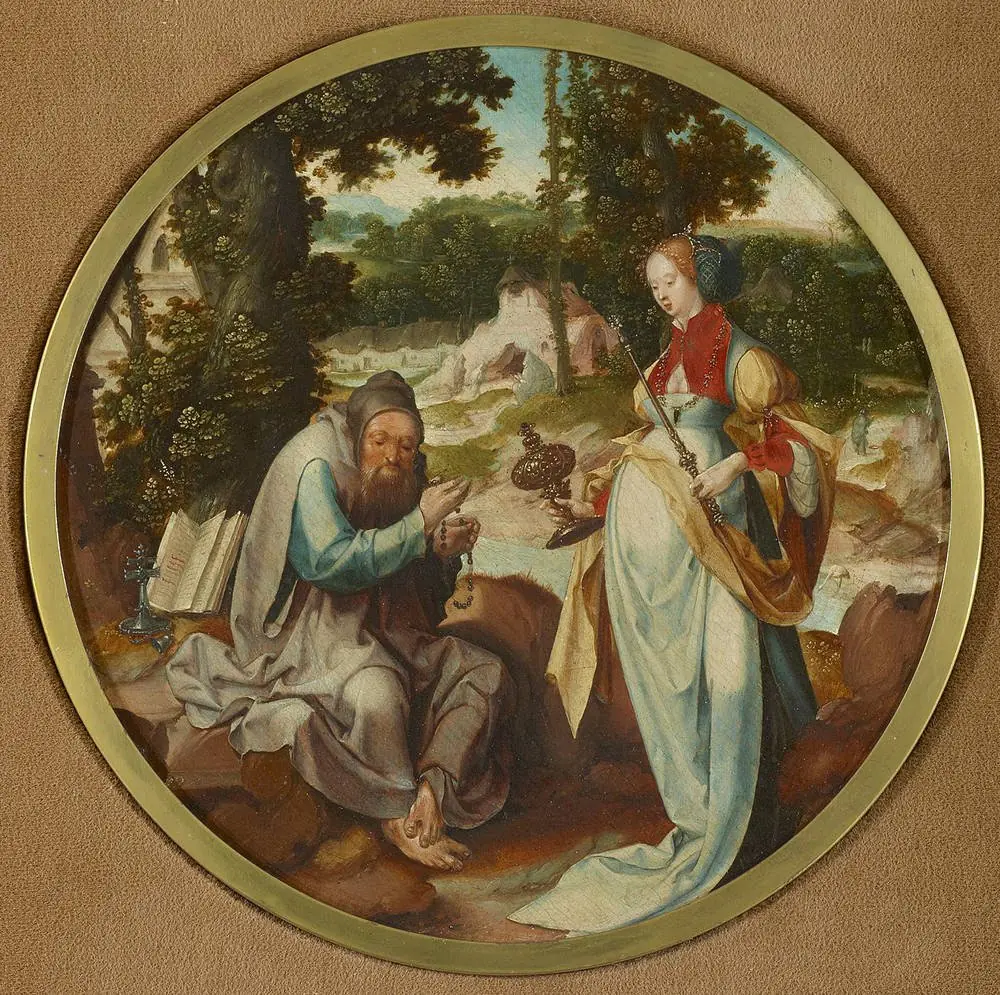 The temptation of Saint Antony
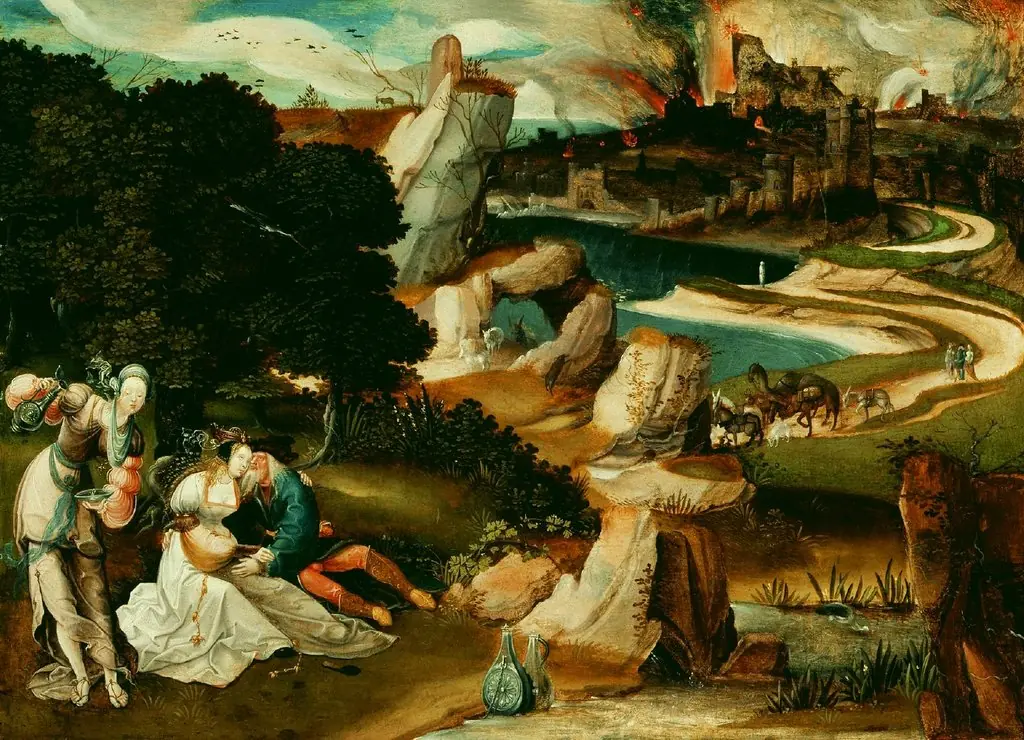 Lot and his daughters
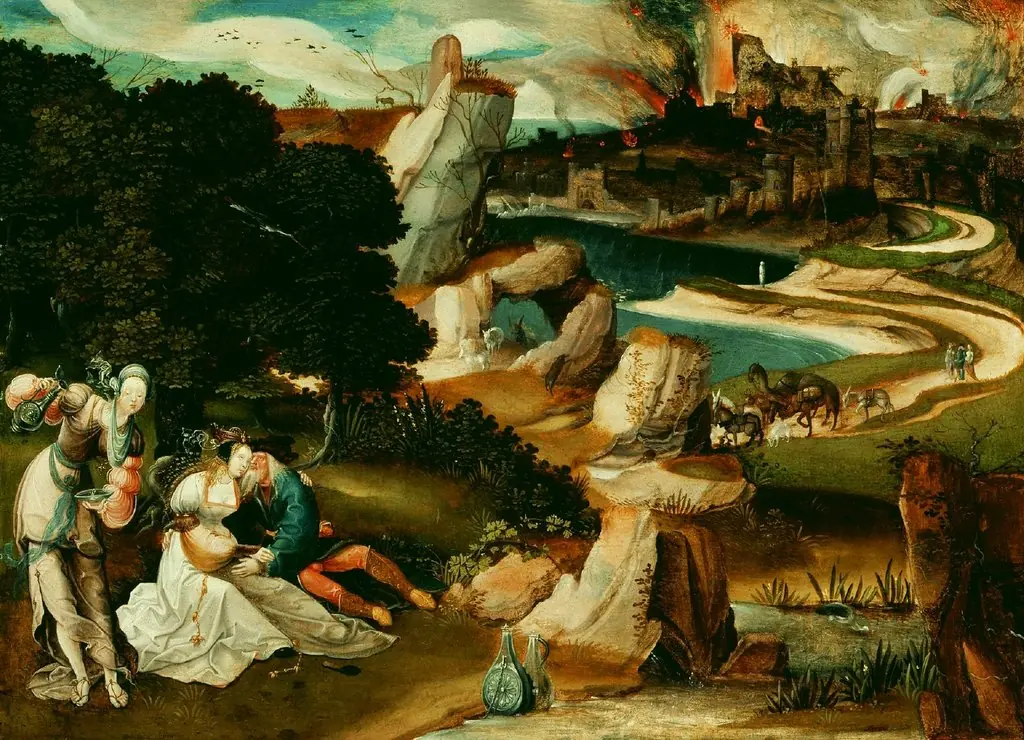 Lot and his daughters
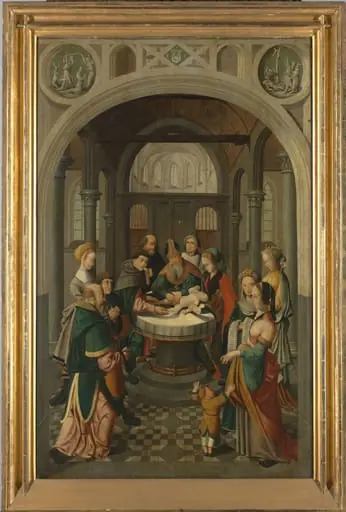 Panel of an Altarpiece with Circumcision of Christ, on verso is Resurrection of Christ
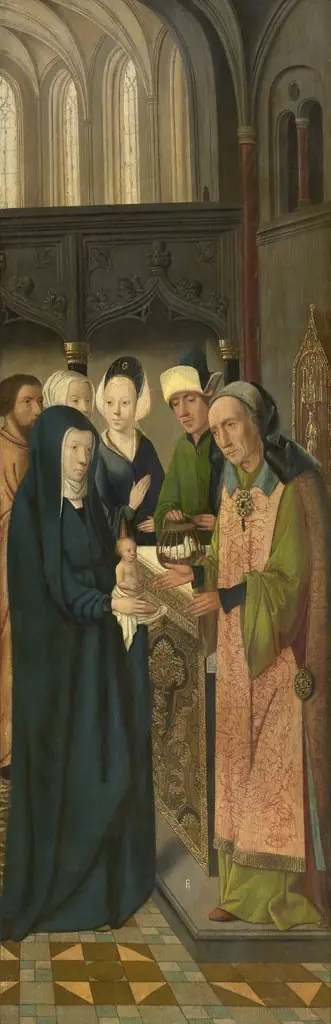 Presentation in the Temple
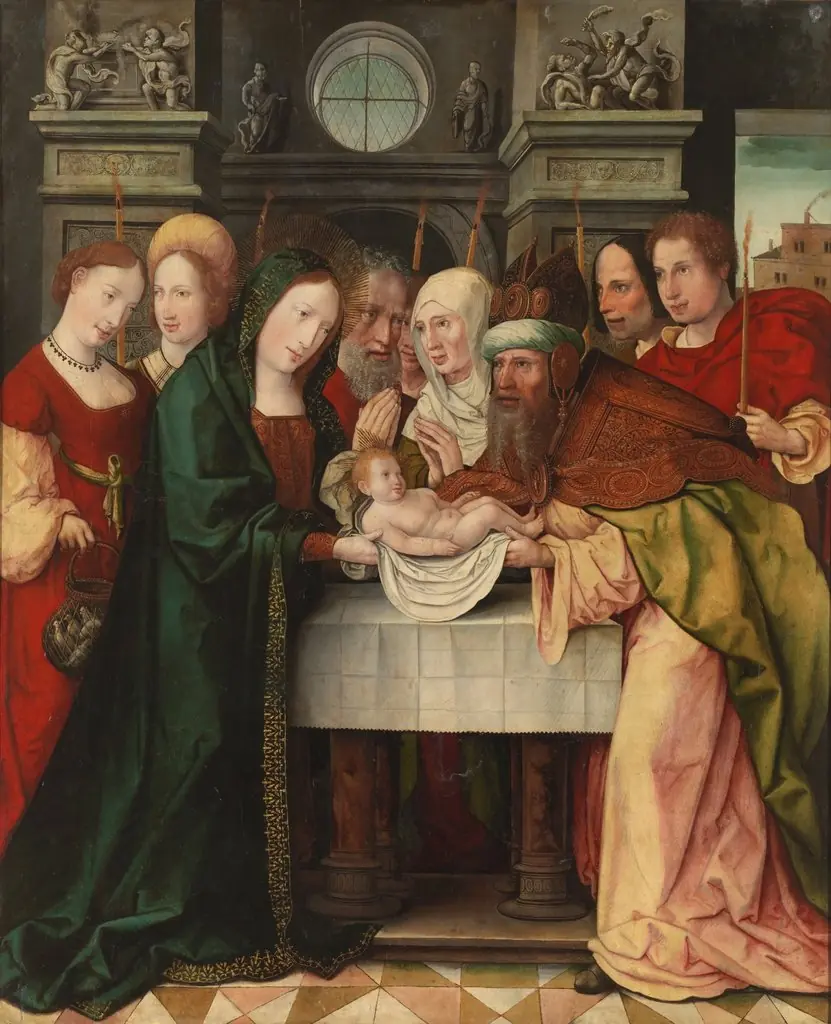 La Purificación de la Virgen
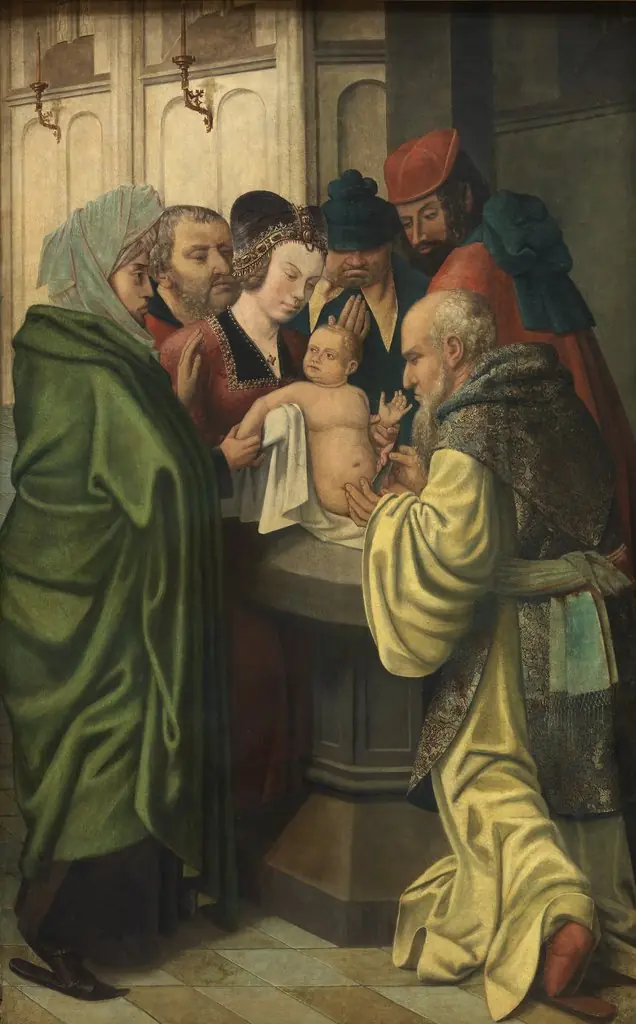 The Circumcision
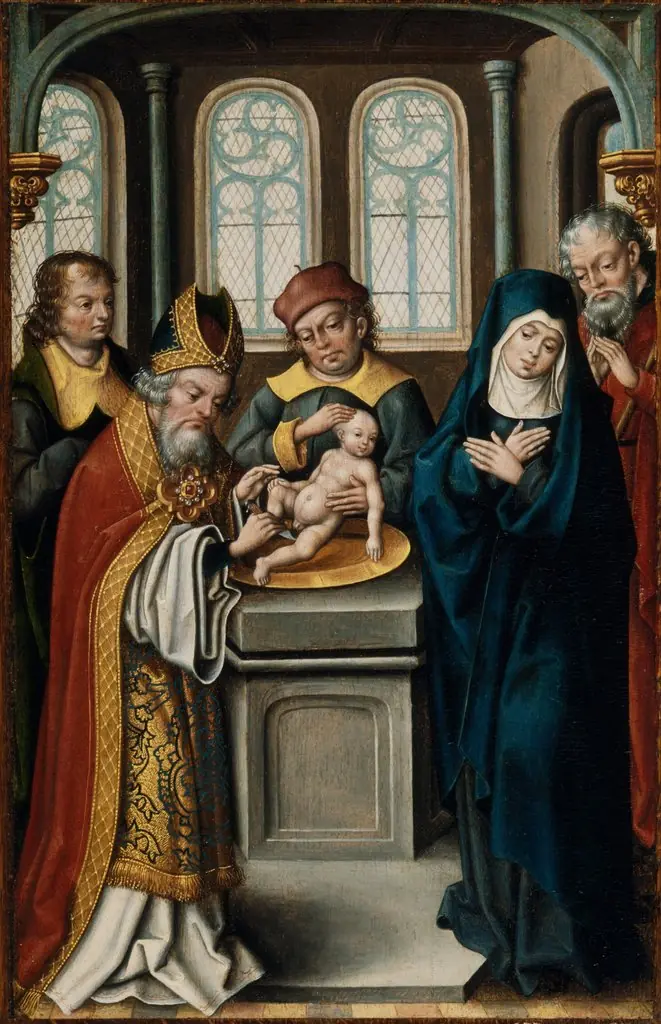 The Circumcision of Christ
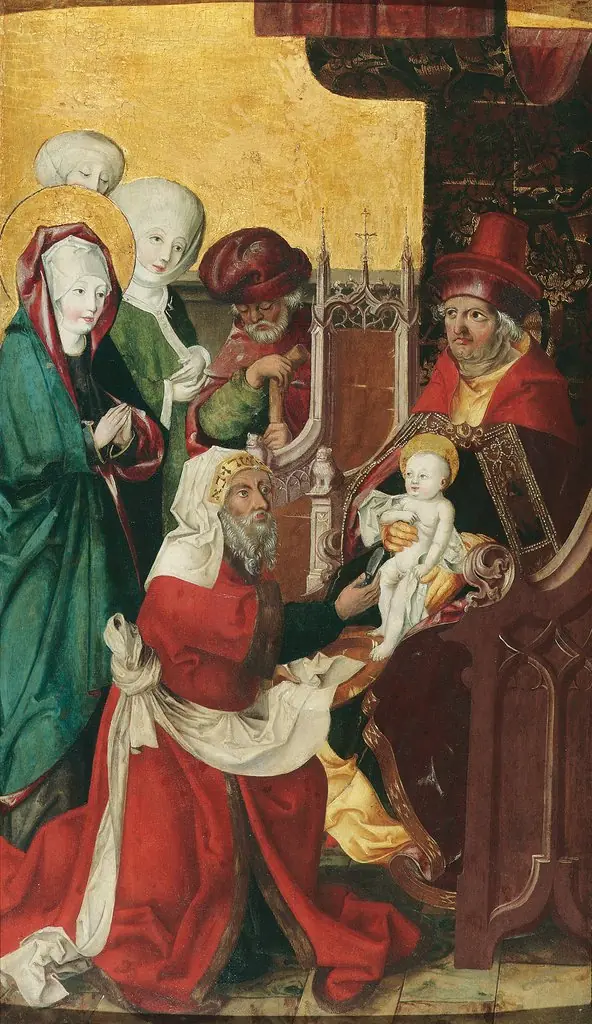 The circumcision of Christ
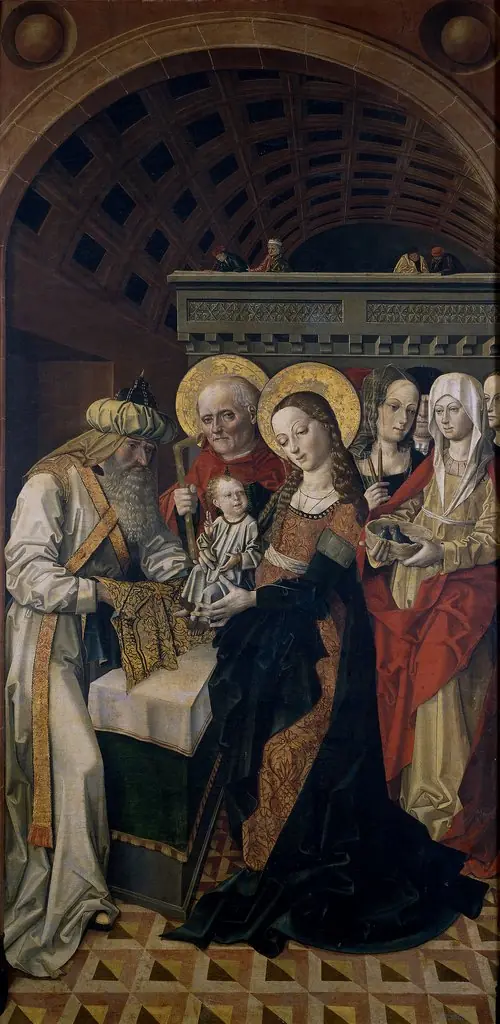 The Presentation of Jesus in the Temple
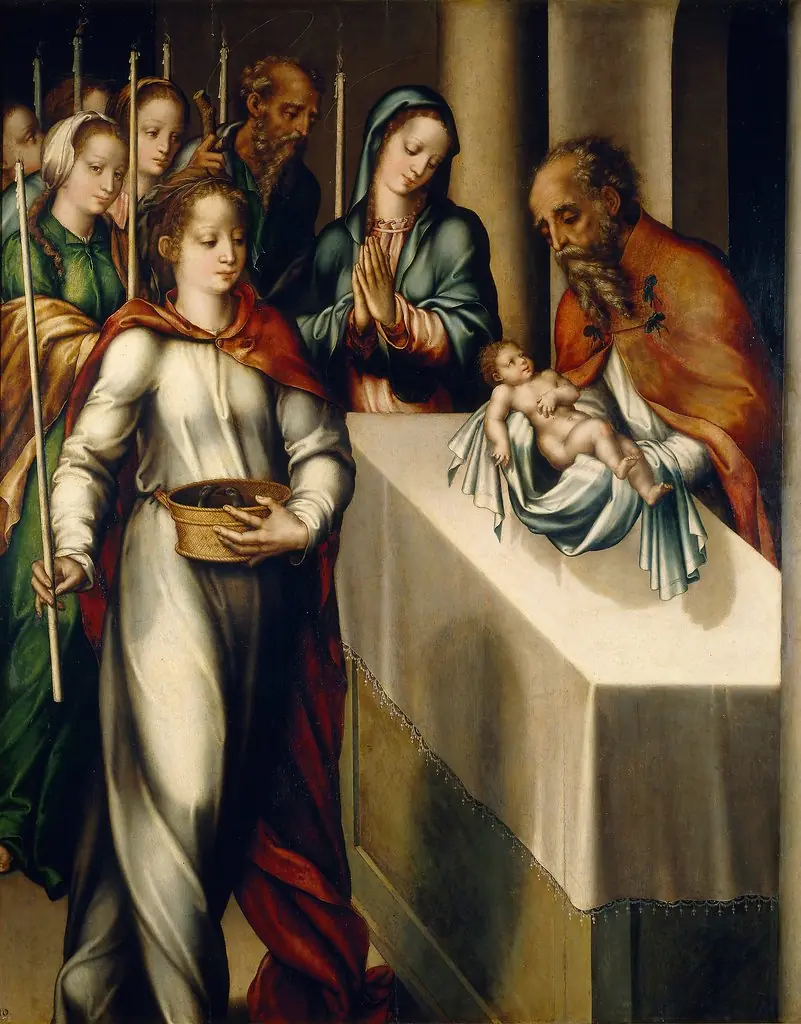 The Purification of the Virgin or The Presentation in the Temple
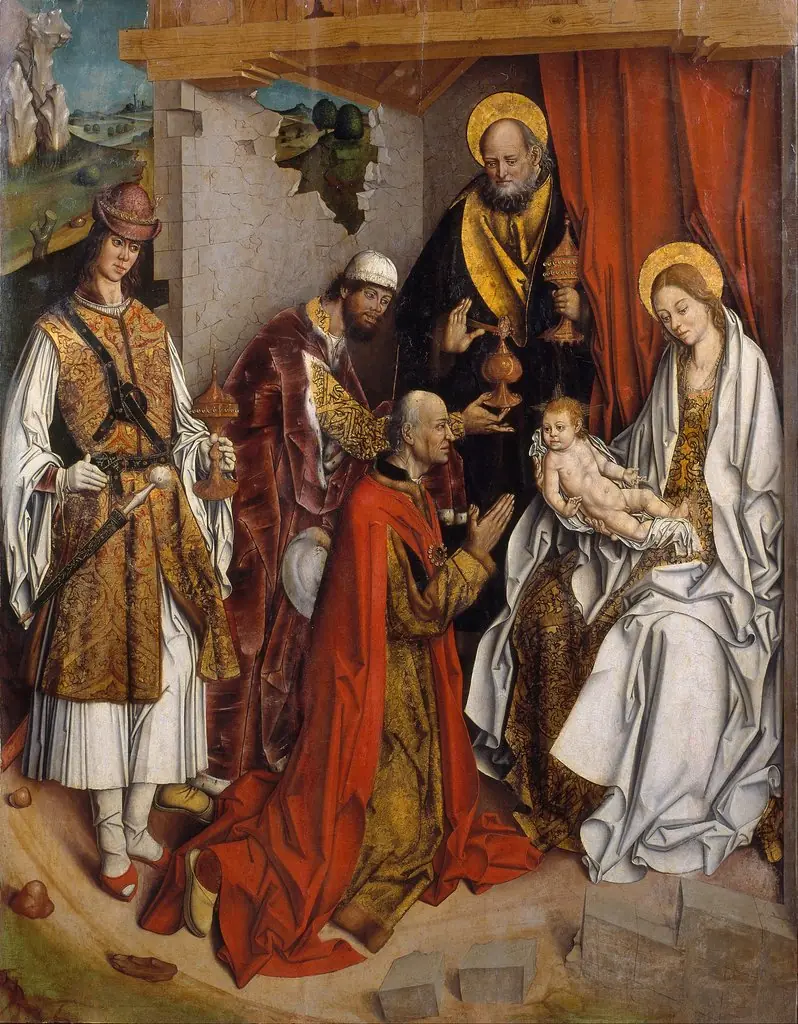 Epiphany
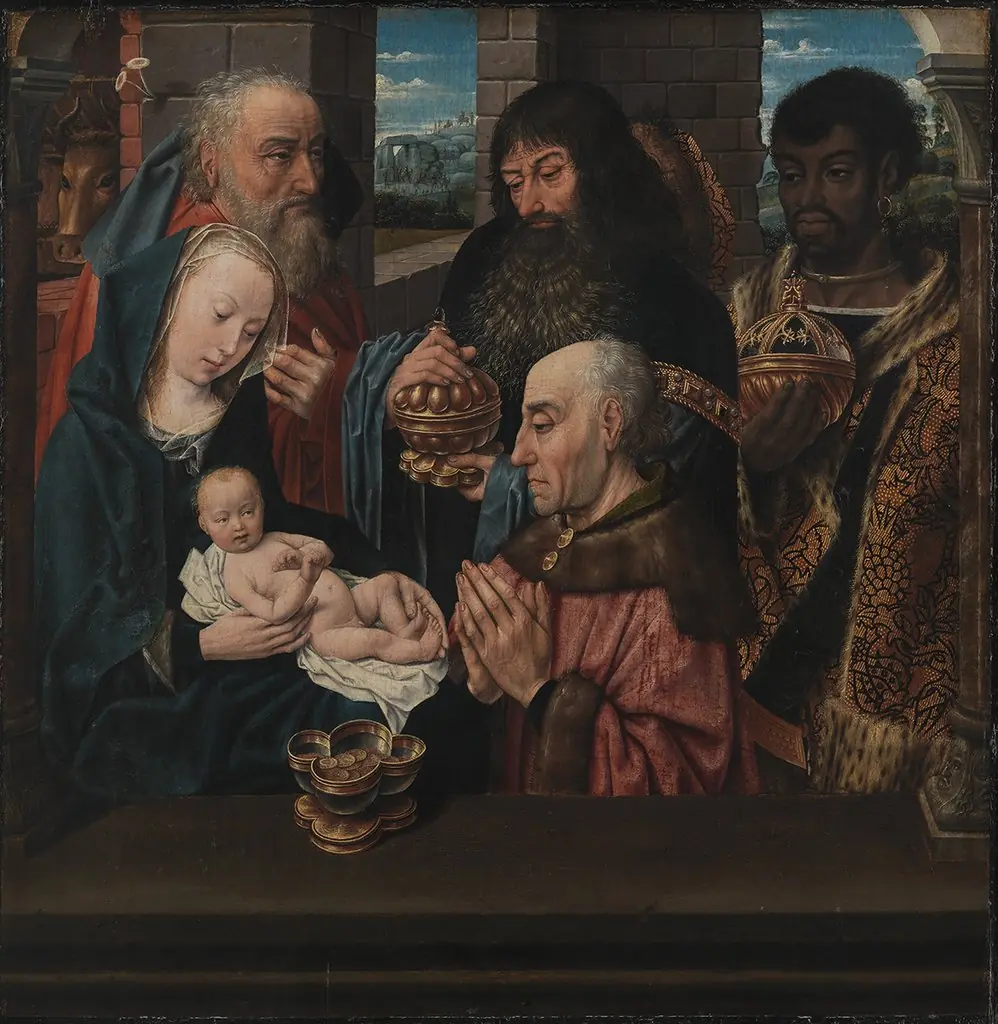 The Adoration of the Kings
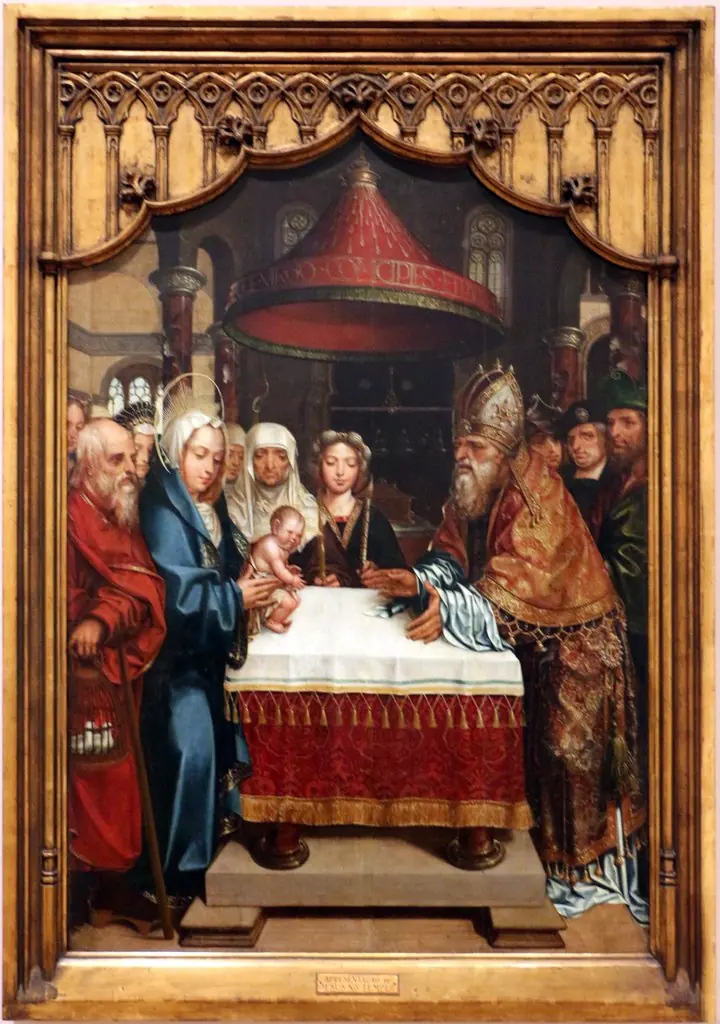 Apresentação do Menino no Templo
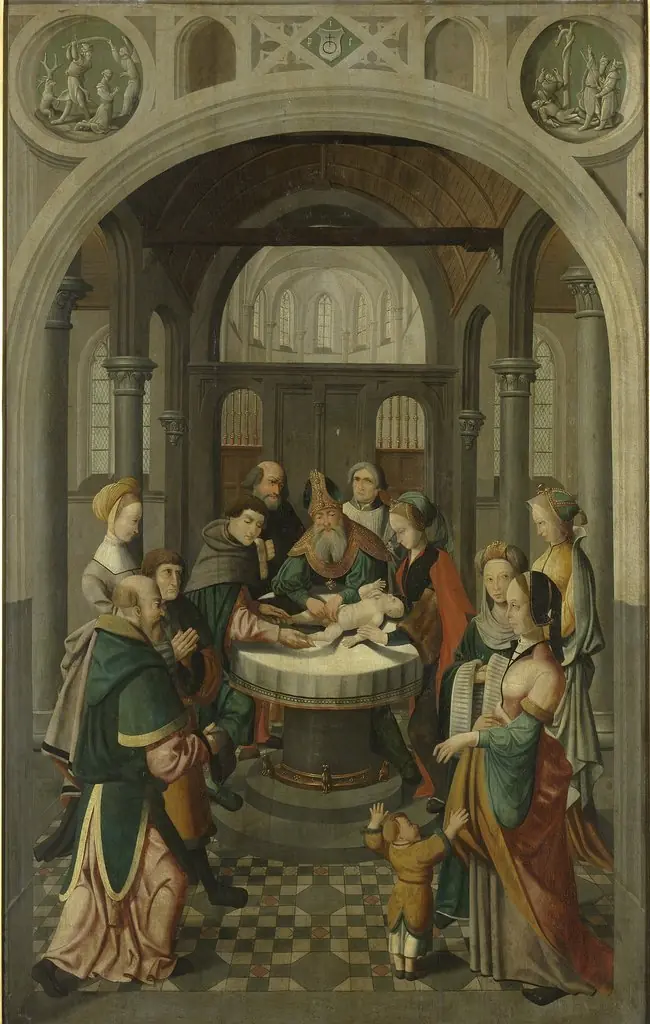 Panel of an altarpiece with the Circumcision (inner wing) and the Resurrection (outer wing)