Artwork
Centaur with Branches
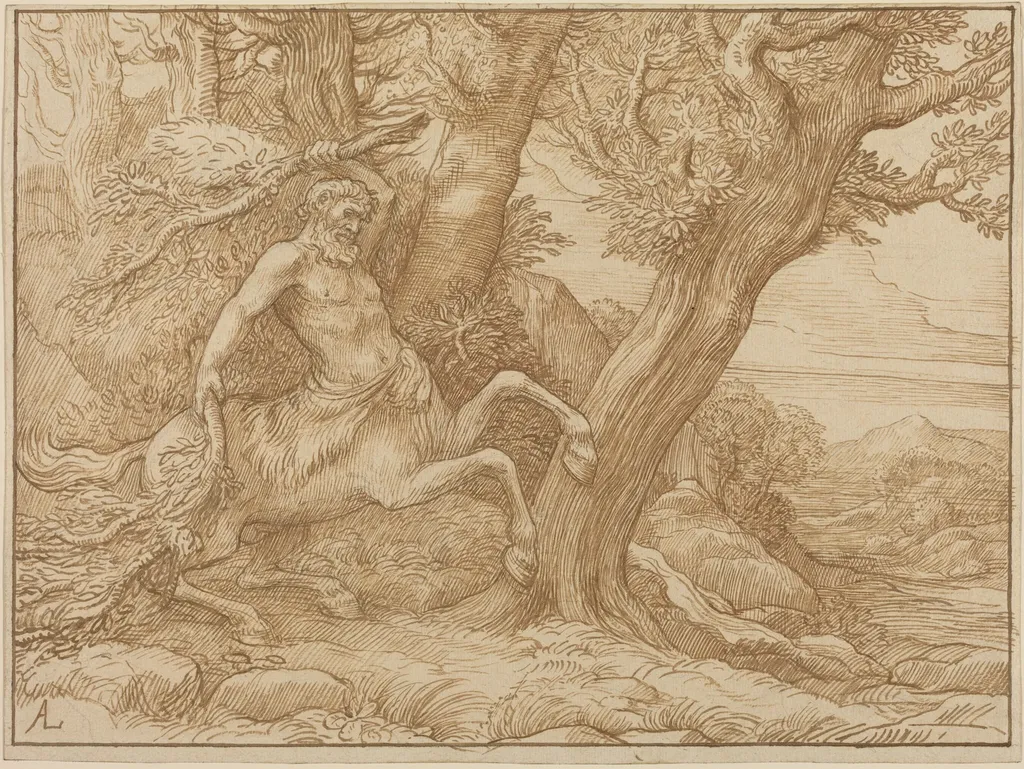
Centaur with Branches is an ink drawing by the Romanticist artist Alphonse Legros. It dates from 1874 and is held in the collection of the National Gallery of Art.
About this work
Overview
Though Legros was active across multiple media—including painting, sculpture, and printmaking—this piece exemplifies his skill in linear expression on paper.
Created in 1874, *Centaur with Branches* is a pen and brown ink drawing on wove paper by Alphonse Legros, a French artist who moved to London in 1863 and became a British citizen. The work belongs to a body of drawings that reflect his deep engagement with classical themes and meticulous draftsmanship. Though Legros was active across multiple media—including painting, sculpture, and printmaking—this piece exemplifies his skill in linear expression on paper.
Subject & Meaning
The drawing portrays a centaur, a mythological hybrid of man and horse, holding leafy branches. The figure is neither engaged in battle nor revelry, but appears contemplative, suggesting a quiet communion with nature. This departure from traditional mythological narratives implies a symbolic focus on harmony, transformation, or the lingering presence of ancient archetypes in the modern imagination.
Technique & Style
Legros employed fine, controlled pen strokes to define the centaur’s form, using variations in line weight and density to suggest volume and texture. The ink flows with precision across the wove paper, avoiding washes or shading, relying instead on contour and rhythm. The restrained palette and deliberate composition reflect his training in academic draftsmanship and his interest in clarity of form.
History & Provenance
The drawing was made during Legros’s early years in England, a period when he was gaining recognition for his technical rigor and intellectual approach to art. It likely originated in his personal sketchbook or studio practice, rather than as a preparatory study for a larger work. Its survival suggests it was valued by the artist or an early collector, though its specific provenance before institutional acquisition remains undocumented.
Context
In 1870s Britain, Legros was instrumental in reviving interest in etching and drawing as serious artistic disciplines. His teaching at the Slade School emphasized direct observation and disciplined line work, countering prevailing academic conventions. *Centaur with Branches* aligns with this ethos, embodying a return to classical subjects through a modern, introspective lens that resonated with contemporary reformers in British art.
Legacy
Though less known than his etchings or sculptures, this drawing exemplifies Legros’s enduring influence on British drawing practices. Its quiet intensity and technical discipline contributed to a broader reevaluation of graphic art in the late 19th century. The work remains a testament to his role in bridging French academic traditions with British artistic renewal, influencing generations of students and practitioners.
Artist & collection

Artist
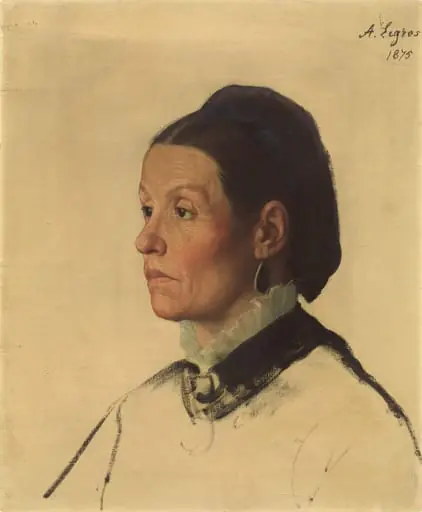
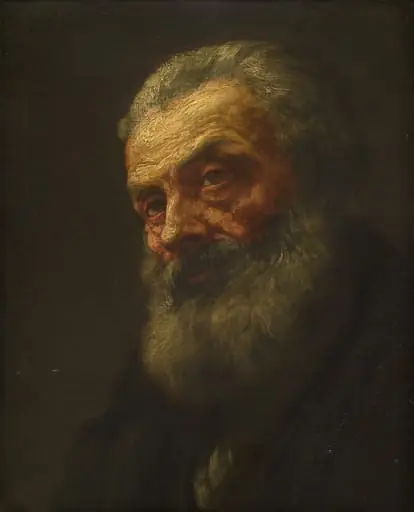
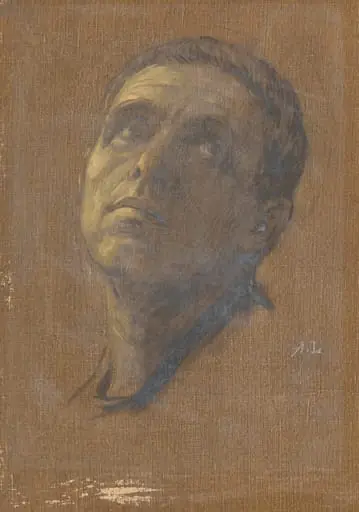
Alphonse Legros (French pronunciation: ; 8 May 1837 – 8 December 1911) was a French, later British, painter, etcher, sculptor, and medallist.

![Battle of the Sea Gods [right half], by Andrea Mantegna](https://artifactworldgallery.com/img/andrea-mantegna--battle-of-the-sea-gods-right-half--7515c85934d3d1e9-w320.webp)