Artwork
Jean-Louis Guez de Balzac
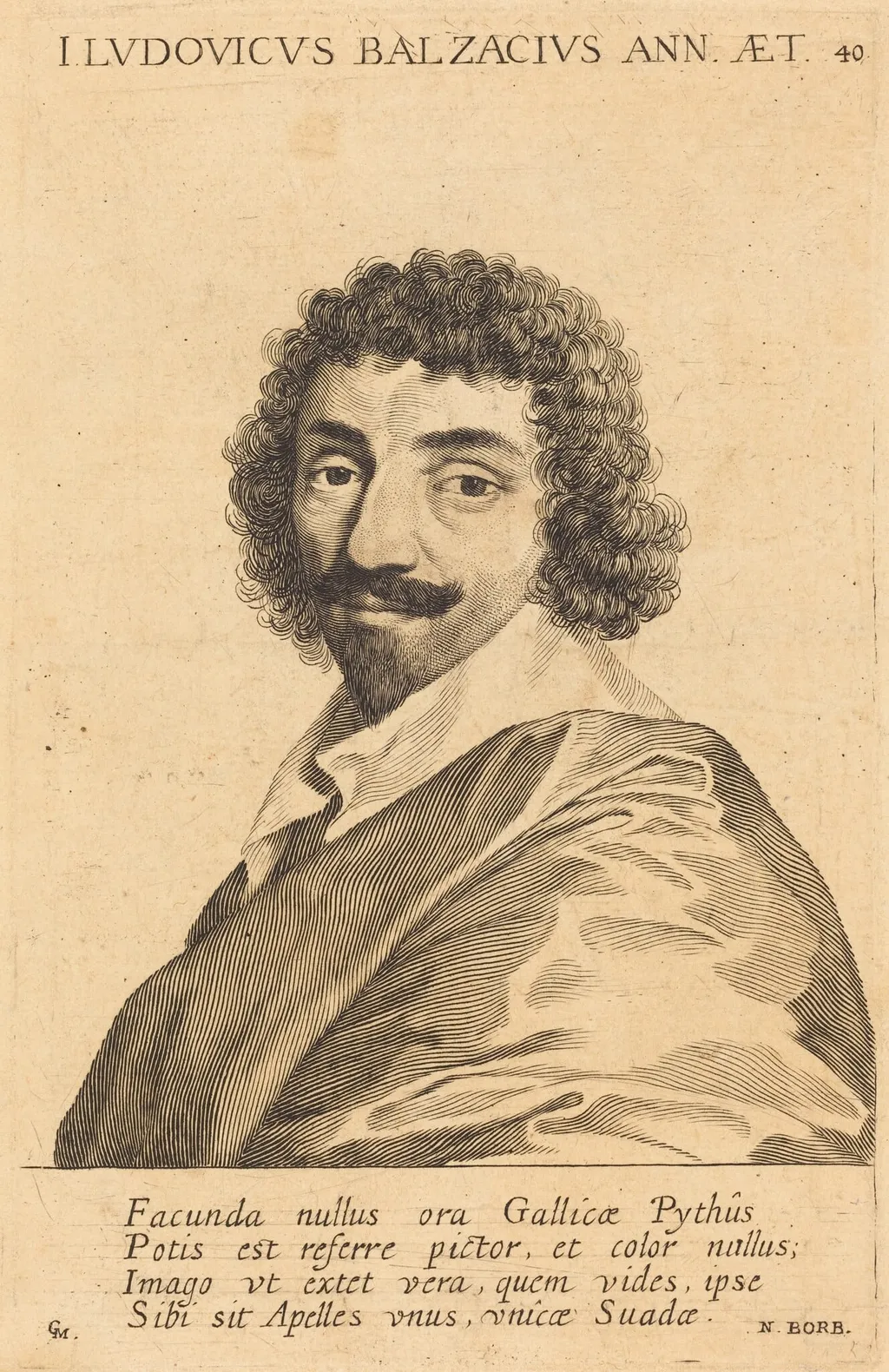
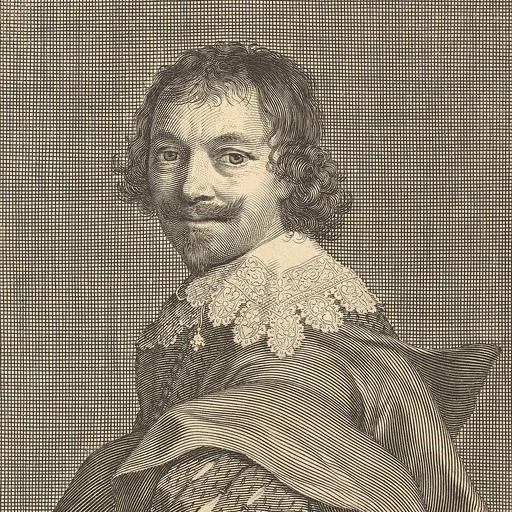
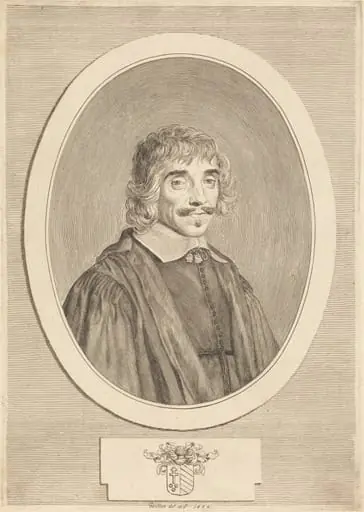
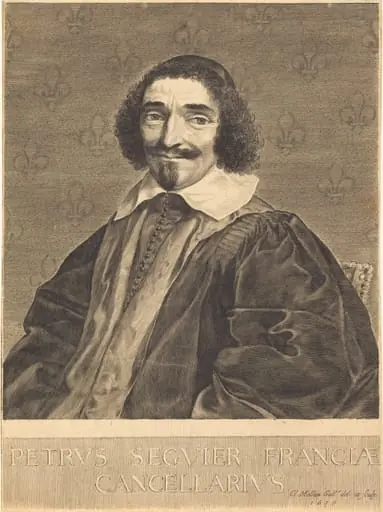
Jean-Louis Guez de Balzac is an ink print by the Baroque artist Claude Mellan. It dates from 1637 and is held in the collection of the National Gallery of Art.
About this work
Overview
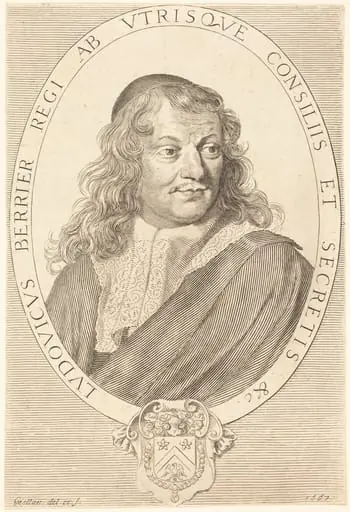
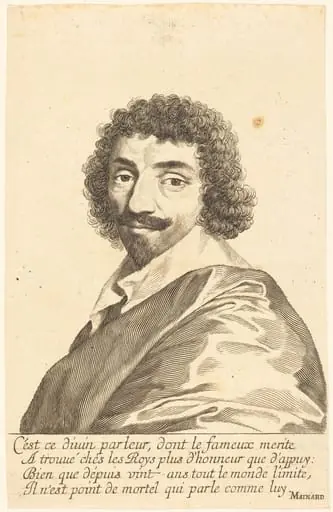
The image is framed by Latin inscriptions at top and bottom, identifying the sitter and offering a brief textual tribute.
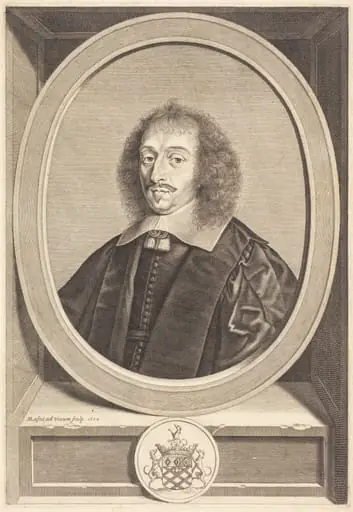
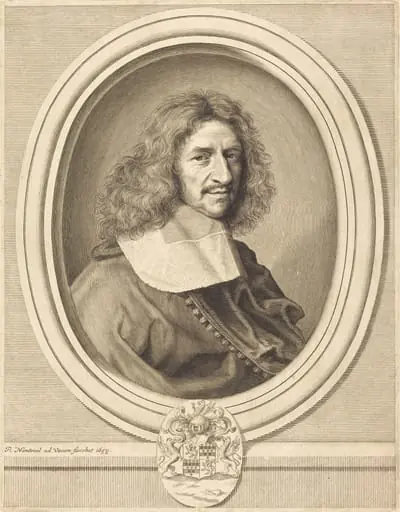
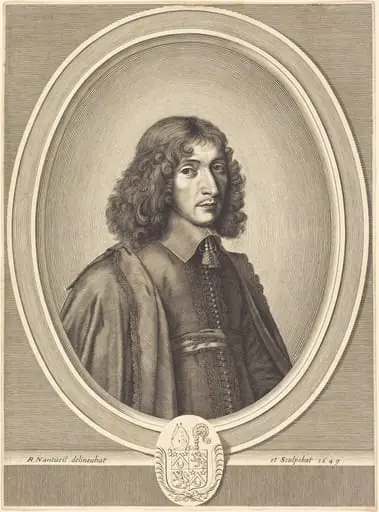
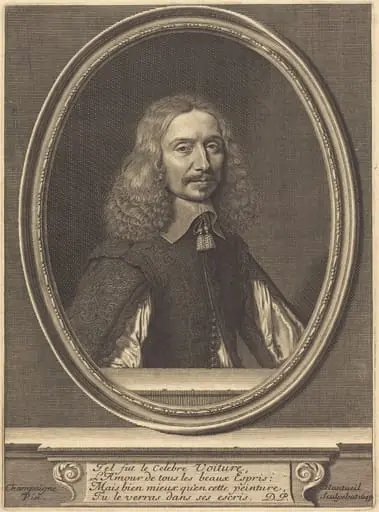
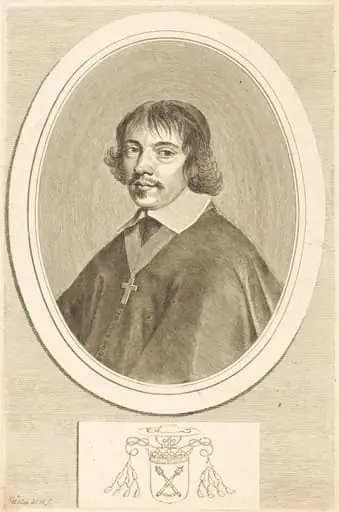
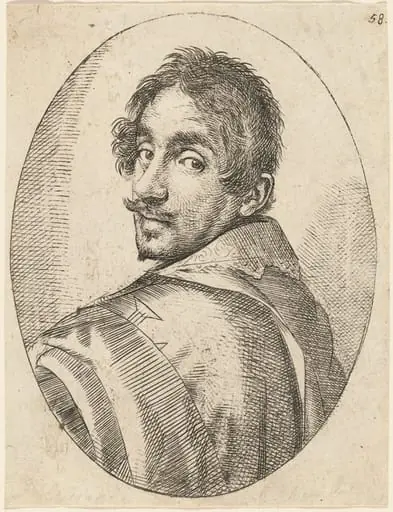
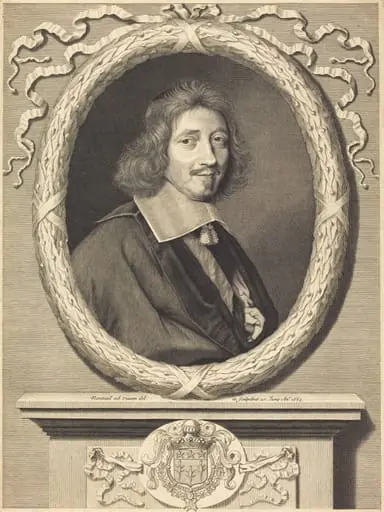
This black-and-white print, created around 1637, depicts Jean-Louis Guez de Balzac, a French writer and stylist. Executed in engraving on laid paper, the portrait captures the subject in profile with meticulous line work. The image is framed by Latin inscriptions at top and bottom, identifying the sitter and offering a brief textual tribute. The paper’s handmade texture and fine, incised lines reflect the technical precision typical of 17th-century printmaking.
Subject & Meaning
Jean-Louis Guez de Balzac was a prominent figure in French literary circles, known for his refined prose and rhetorical style. The portrait presents him as a man of intellect and dignity, his curled hair and mustache suggesting both refinement and vigor. The inclusion of Latin text reinforces his scholarly identity, aligning his image with classical traditions of learned men. His turned gaze conveys quiet authority rather than direct engagement.
Technique & Style
Claude Mellan employed engraving to render the portrait with fine, controlled lines scratched into a copper plate. The shading and texture emerge not from tone but from the density and direction of incised strokes, creating a tactile sense of volume. The scratchy, intricate marks define facial features and fabric folds with remarkable subtlety. This method, demanding patience and precision, was favored for its ability to reproduce detailed likenesses in multiple impressions.
History & Provenance
The print was made during Balzac’s lifetime, likely as part of a broader effort to circulate images of notable intellectuals. Mellan, a skilled engraver known for his portraits, produced this work in Paris, where both men were active. Surviving examples are rare, held in institutional collections such as the British Museum and the Louvre. The paper’s age and wear suggest early impressions, possibly from the artist’s own workshop.
Context
In mid-17th-century France, engraved portraits served as tools of cultural memory, linking writers to the humanist tradition. Balzac’s reputation as a stylist made him a fitting subject for such a portrait, while Mellan’s technique echoed the precision of Italian and Flemish engravers. The use of Latin, rather than French, underscores the scholarly ideals of the era, positioning the subject within a transnational intellectual community.
Legacy
This engraving remains one of the most recognizable images of Balzac, often reproduced in scholarly editions of his works. Mellan’s skill in translating character through line influenced later portrait engravers. Though not widely known outside art-historical circles, the print endures as a quiet testament to the intersection of literature, portraiture, and print culture in early modern Europe.
Artist & collection