Artwork
Anna Maria van Schurman
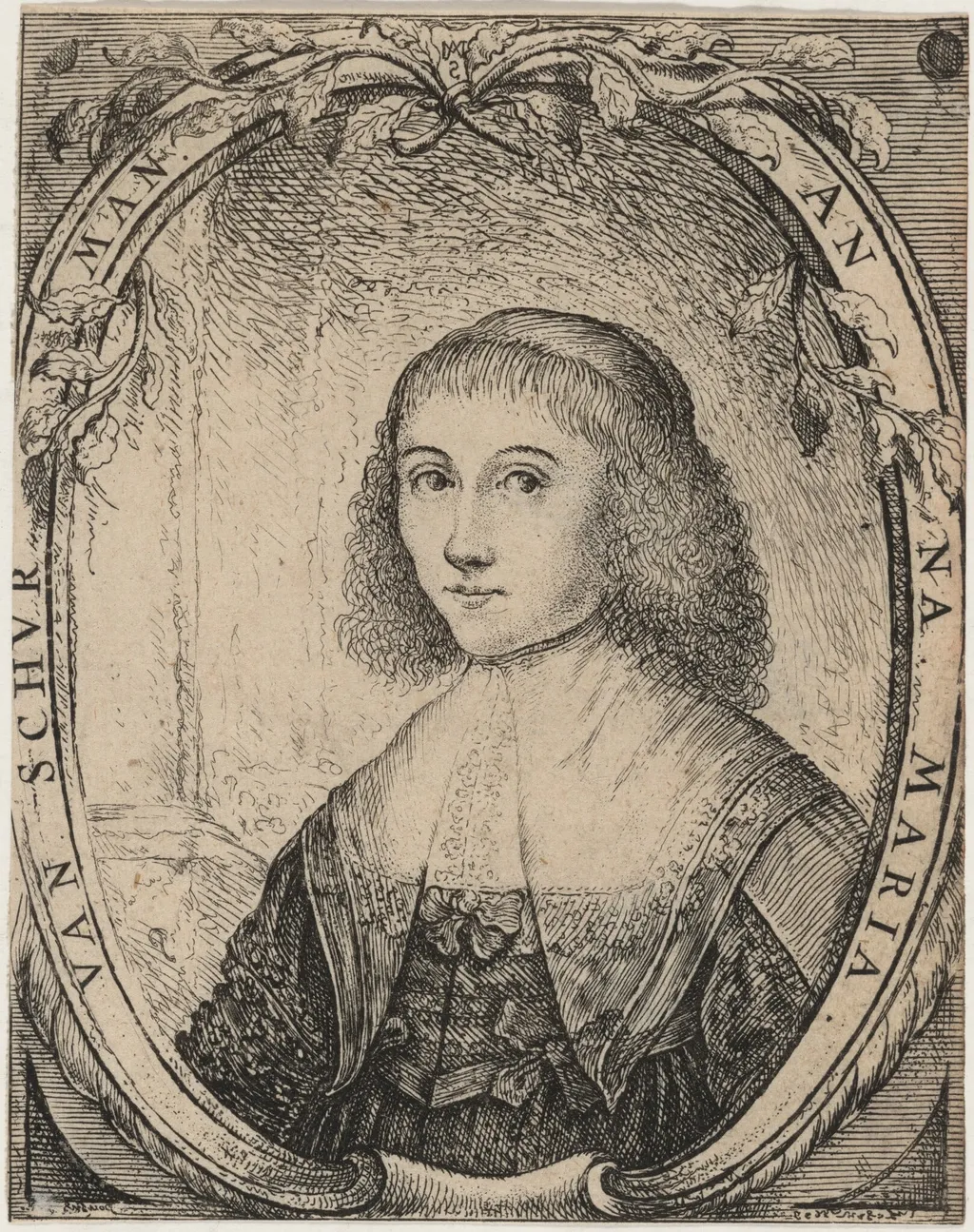
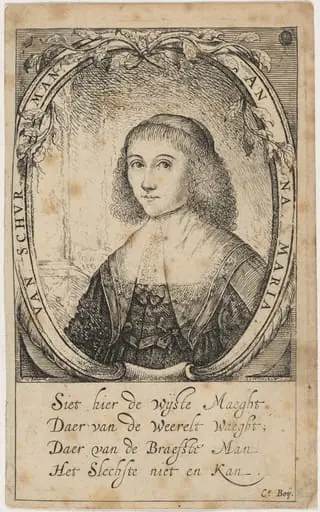
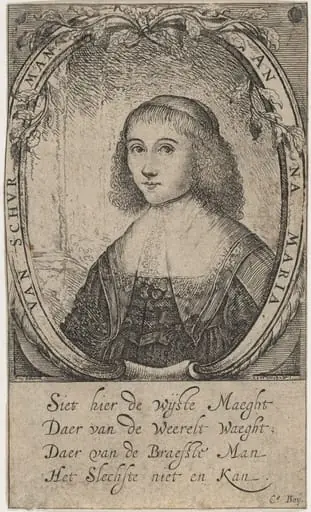
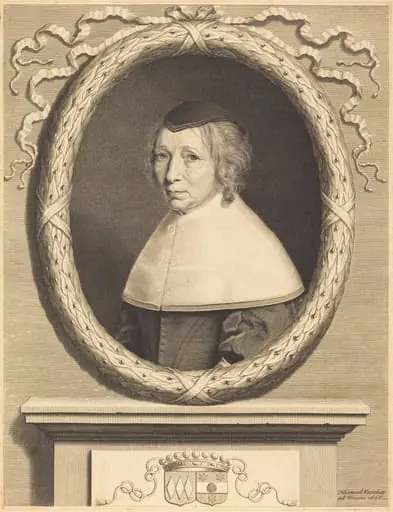
Anna Maria van Schurman is an ink print by the Baroque artist Paulus Lesire. It dates from 1643 and is held in the collection of the National Gallery of Art.
About this work
Overview
This 1643 engraving on laid paper, created by Dutch artist Paulus Lesire, portrays Anna Maria van Schurman, a renowned scholar of her time. The work showcases Lesire's technical skill in capturing fine details through the engraving medium.
Subject & Meaning
The engraving depicts Anna Maria van Schurman engaged in scholarly activity, highlighted by the presence of a book and quill. This representation reflects her reputation as a multifaceted intellectual of the 17th century.
Technique & Style
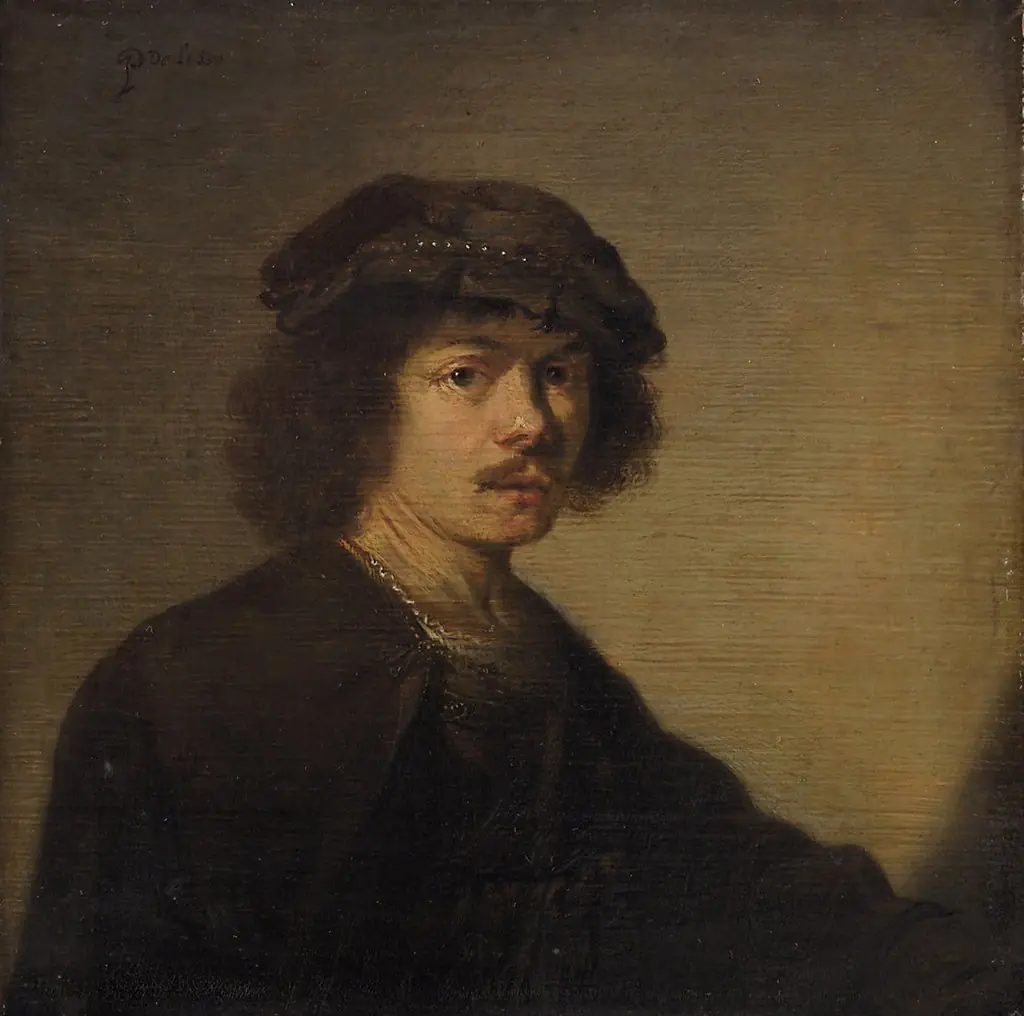
Lesire's engraving demonstrates meticulous attention to detail, particularly in the subject's face and hands, showcasing the artist's mastery of the challenging engraving technique. His style, influenced by Rembrandt's lighting and compositional approaches during Lesire's time in Leiden, adds depth to the portrait.
History & Provenance
Created in 1643, the engraving is a product of Lesire's active period in The Hague, following his training in Dordrecht and exposure to artistic innovations in Leiden.
Context
The portrait of Anna Maria van Schurman situates her within the cultural and intellectual landscape of 17th-century Netherlands, where her scholarly pursuits were notable. Lesire's work, with its Rembrandtesque influences, places it within the broader Dutch Golden Age art movement.
Legacy
While specific long-term impacts of this engraving on art history are not detailed, it remains a significant representation of van Schurman and an example of Lesire's skill, contributing to the visual record of the era's intellectual figures.
Artist & collection
Artist
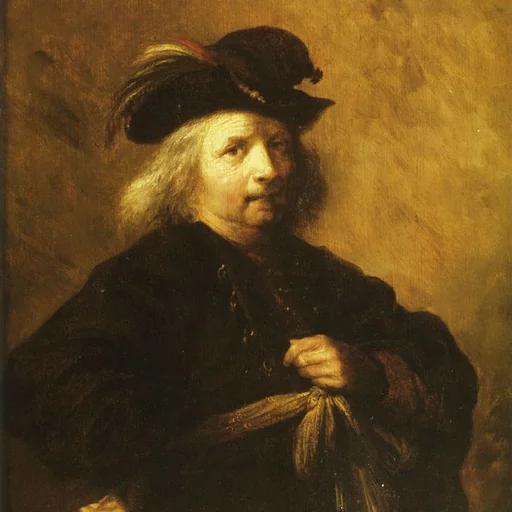
Paulus Lesire (1611–1654) was a Dutch painter who specialised in history paintings and portraits.