Artwork
Skeleton of a Hedgehog
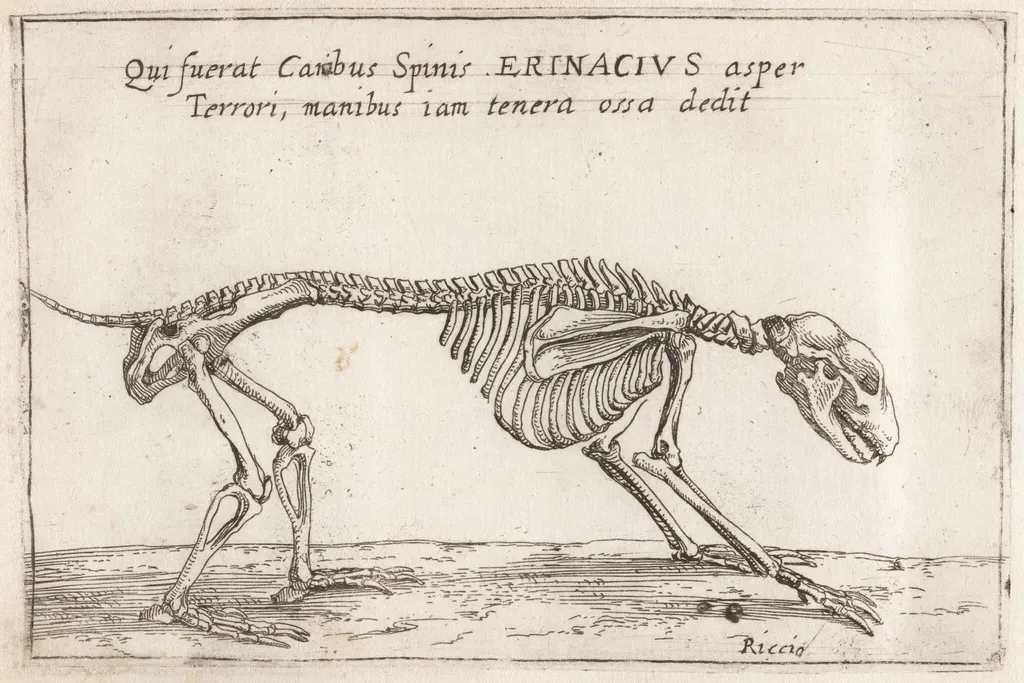
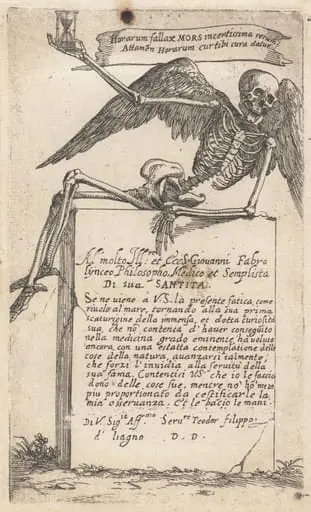
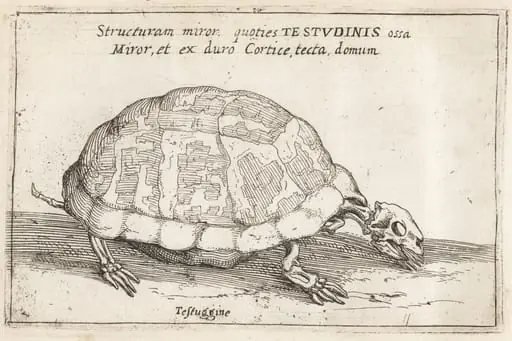
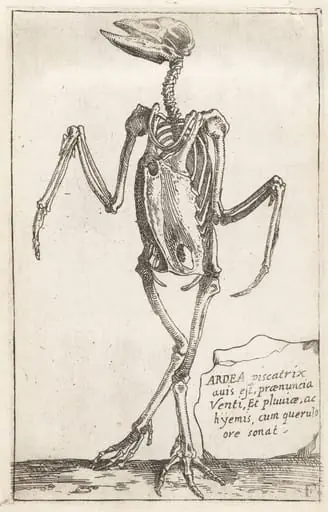
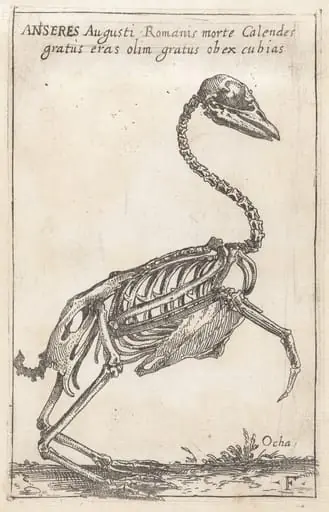
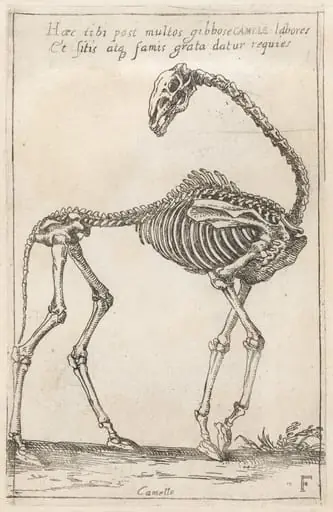
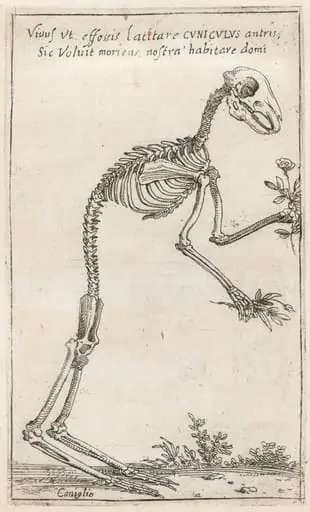
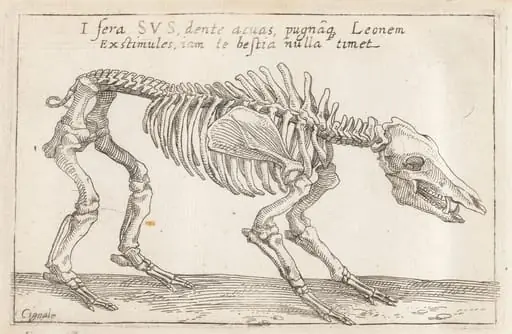
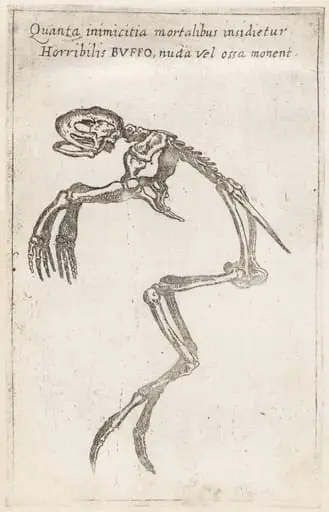
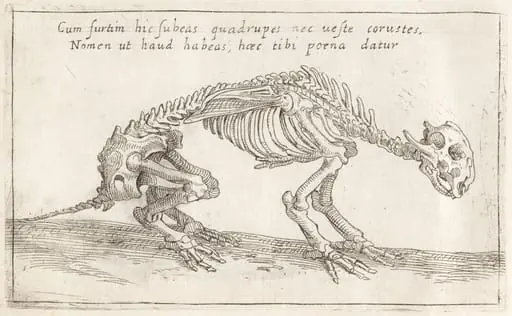
Skeleton of a Hedgehog is an ink print by the Baroque artist Teodoro Filippo di Liagno. It dates from 1620 and is held in the collection of the National Gallery of Art.
About this work
Overview
Created in 1620 by Teodoro Filippo di Liagno, this etching depicts the curled skeleton of a hedgehog on laid paper.
Created in 1620 by Teodoro Filippo di Liagno, this etching depicts the curled skeleton of a hedgehog on laid paper. A precise monochrome study, it belongs to the print collection of the National Gallery of Art in Washington, D.C. Unlike decorative natural history illustrations, this work emphasizes anatomical structure over aesthetic appeal, reflecting a scholarly approach to observing organic form.
Subject & Meaning
The subject is the articulated skeleton of a hedgehog, rendered in a tightly coiled posture with the head drawn beneath the body. The composition isolates the animal’s skeletal framework, inviting close examination of its spines, joints, and ribcage. This focus suggests an intent to understand biological mechanics rather than to portray the living creature, aligning with early modern interests in empirical observation.
Technique & Style
Executed in fine, controlled etching lines, the image conveys meticulous attention to detail. The artist used sharp, deliberate strokes to define each bone segment, avoiding shading or embellishment. The clarity and restraint of the lines reflect a scientific draftsmanship, where accuracy supersedes ornamentation, characteristic of anatomical studies from the period.
History & Provenance
The print was produced in Italy during the early 17th century and later entered the collection of the National Gallery of Art in Washington, D.C. Its survival in good condition indicates it was likely preserved as a study piece rather than a commercial print. No earlier ownership records are widely documented, suggesting it remained within academic or private circles.
Context
In the early 1600s, European artists and naturalists increasingly turned to direct observation of nature, influenced by the rise of empirical science. This etching fits within a tradition of anatomical drawings that sought to document biological forms with precision, bridging art and early scientific inquiry, particularly in regions with active natural philosophy communities.
Legacy
Though not widely known outside specialized collections, the work exemplifies how printmaking served as a tool for scientific documentation before photography. Its survival underscores the value placed on detailed natural studies in pre-modern Europe, influencing later generations of artists and biologists who valued visual accuracy in representing organic life.
Artist & collection