Artwork
Skeleton of a Camel
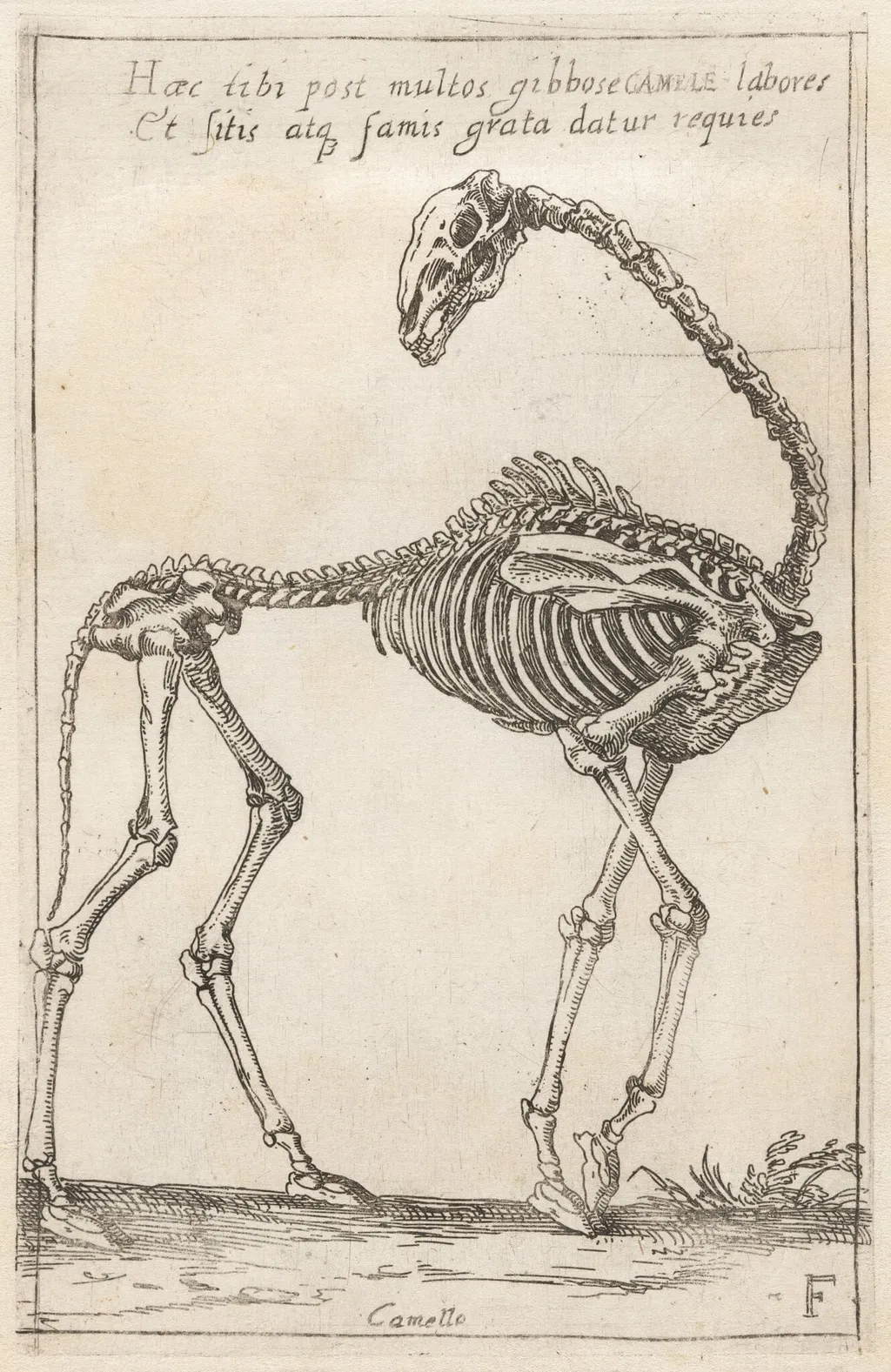
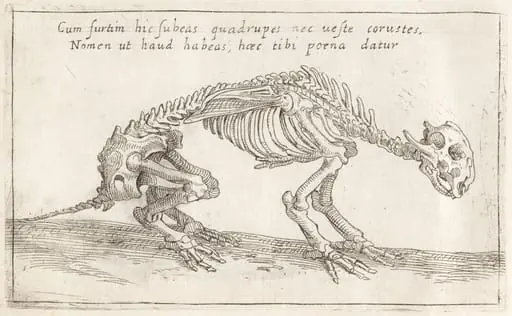
Skeleton of a Camel is an ink print by the Baroque artist Teodoro Filippo di Liagno. It dates from 1620 and is held in the collection of the National Gallery of Art. Created in 1620, this etching depicts the skeletal remains of a camel rendered in stark monochrome.
About this work
Overview
Created in 1620, this etching depicts the skeletal remains of a camel rendered in stark monochrome. The work is executed on laid paper and is part of the collection of the National Gallery of Art in Washington, D.C. Its precise line work and careful composition give the animal’s bones a palpable presence despite the absence of flesh.
Subject & Meaning
The image presents a camel skeleton standing on one leg, the opposite limb folded beneath the body, while the neck arches upward and the skull tilts back as if gazing skyward. The barren ground and faint suggestion of sand or water beneath the feet emphasize the desolate environment, inviting contemplation of mortality and the anatomical study of exotic creatures.
Technique & Style
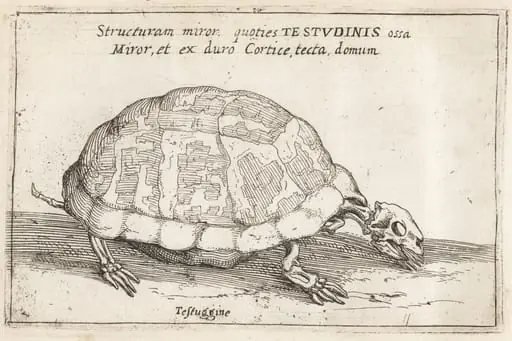
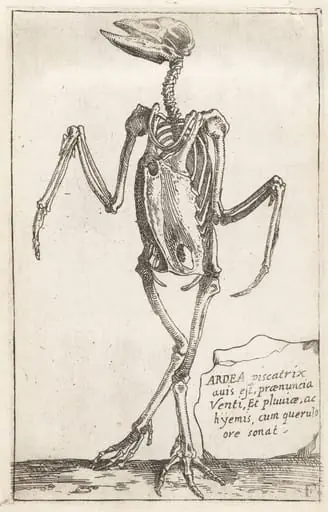
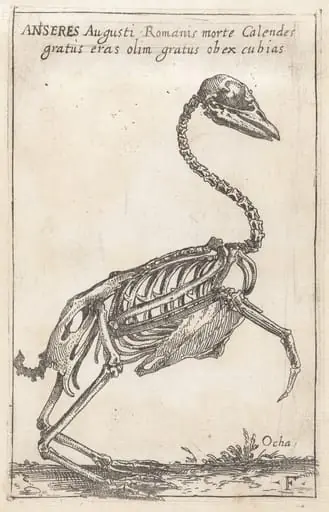
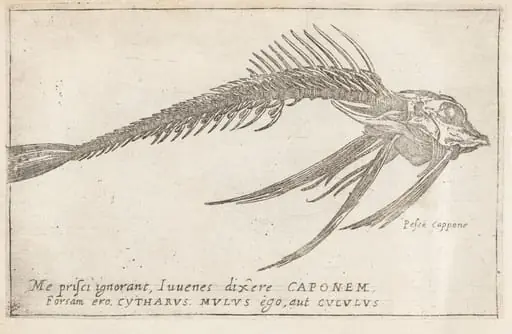
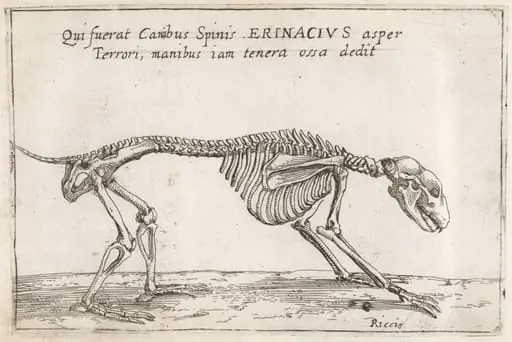
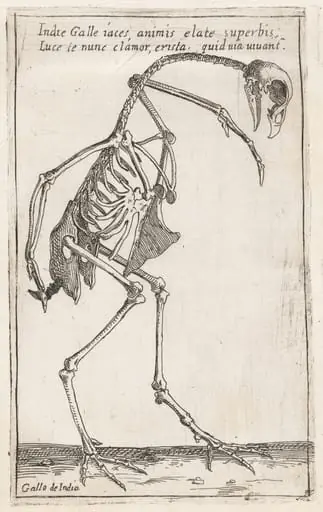
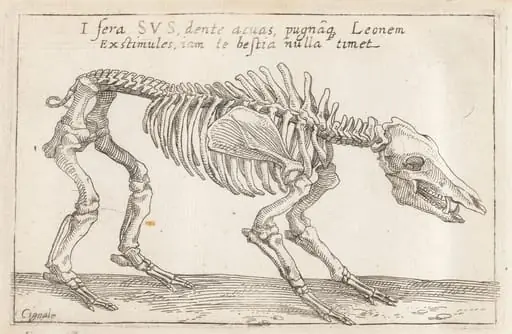
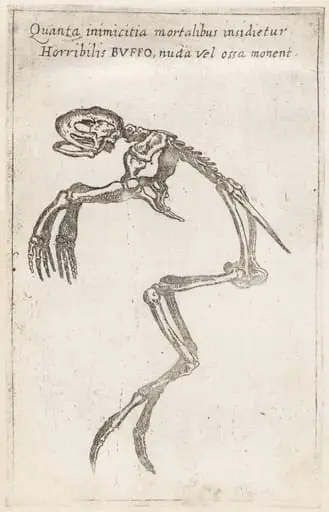
Executed with the traditional acid-etching process, the artist incised fine, sharp lines into a metal plate, producing a high-contrast rendering of each bone, including ribs, vertebrae and limb fragments. The use of laid paper adds a subtle texture that enhances the skeletal forms, while the controlled darkness of the ink highlights the three-dimensional arrangement of the remains.
History & Provenance
The etching was produced by Teodoro Filippo di Liagno, an early‑17th‑century Italian printmaker known for his anatomical and natural history subjects. After circulating among collectors of scientific prints, the piece entered the National Gallery of Art’s holdings, where it remains on view as an example of early modern anatomical illustration in print form.
Artist & collection