Artwork
Saint Gudila
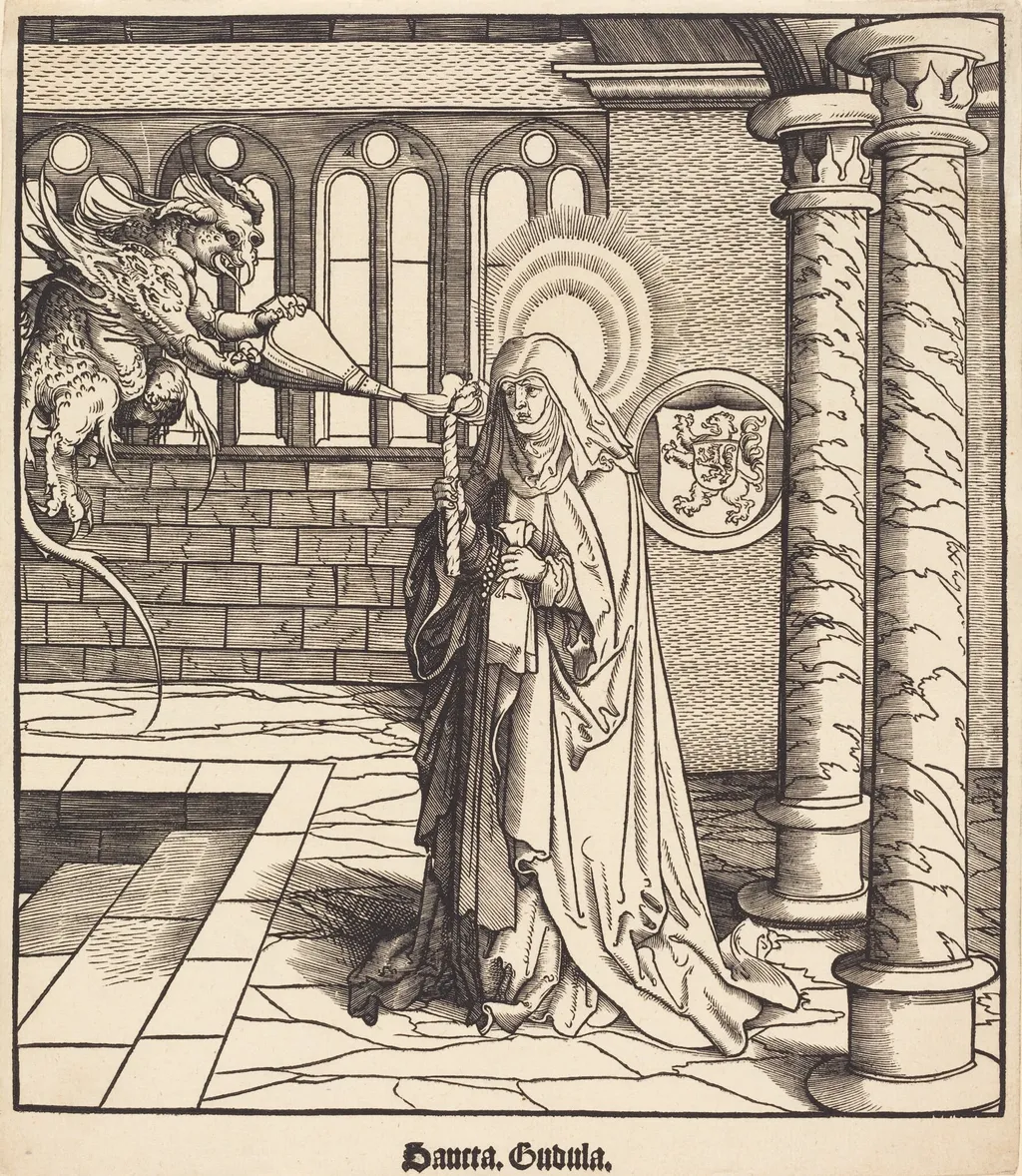
Saint Gudila is an ink print by the Renaissance artist Willem Liefrinck. It dates from 1517 and is held in the collection of the National Gallery of Art.
About this work
Overview
It reflects the Northern Renaissance tradition of devotional imagery, combining precise linework with symbolic elements to convey spiritual narrative.
Created in 1517 by Willem Liefrinck, this woodcut depicts Saint Gudila, a lesser-known early medieval saint, rendered in monochrome on laid paper. The print is part of the National Gallery of Art’s collection in Washington, D.C. It reflects the Northern Renaissance tradition of devotional imagery, combining precise linework with symbolic elements to convey spiritual narrative. The medium’s accessibility allowed such images to circulate among religious communities seeking personal devotion.
Subject & Meaning
Saint Gudila is portrayed as a contemplative figure, standing before a columned interior with a coat of arms above a window. Her raised staff and open book suggest authority and devotion, while the halo affirms her sanctity. The dragon-like creature blowing a horn behind her likely references her legendary confrontation with evil, a common hagiographic motif. The scene’s quiet intensity invites reverence, emphasizing her role as a spiritual protector rather than a dramatic martyr.
Technique & Style
Liefrinck employed fine, controlled lines typical of Northern European woodcutting, using contrast and texture to define surfaces like stone, fabric, and metal. The composition is tightly framed, with architectural details—columns, window, and heraldic shield—rendered with geometric clarity. The absence of color heightens the focus on form and symbolism. The style aligns with early 16th-century printmaking practices that prioritized narrative legibility and devotional clarity over naturalistic depth.
History & Provenance
The print was produced in the Netherlands during a period of growing interest in printed religious imagery. While its early ownership is undocumented, it entered the National Gallery of Art’s collection in the 20th century through established acquisition channels. Its survival in good condition reflects its value as a devotional object and its careful preservation by collectors and institutions interested in early print culture.
Context
In early 16th-century Northern Europe, woodcuts served as affordable religious aids for private devotion, especially as literacy expanded. Saint Gudila, though not widely venerated, was known in regional cults, particularly in the Low Countries. Liefrinck’s depiction aligns with broader trends of depicting saints in domestic or architectural settings, blending sacred narrative with familiar spatial cues to deepen the viewer’s connection to the divine.
Legacy
This woodcut exemplifies the role of print in disseminating religious iconography before the Reformation. Though not widely reproduced or celebrated in major art histories, it remains a valuable artifact of lay piety and regional saint veneration. Its preservation offers insight into how ordinary believers engaged with sacred imagery through accessible, mass-produced formats during a time of profound religious change.
Artist & collection


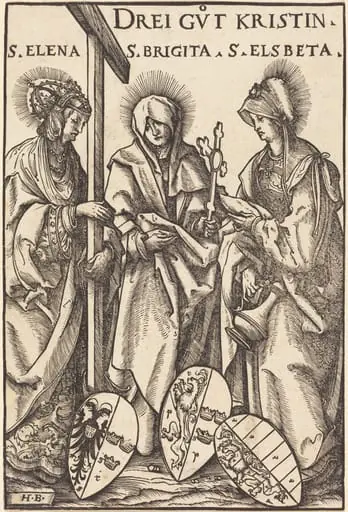 Saint Helena, Saint Brigitta and Saint Elizabeth
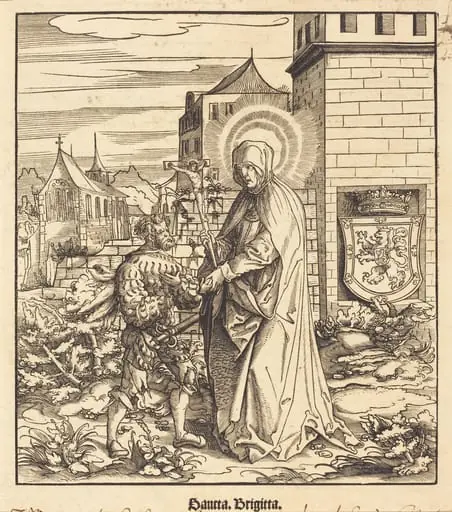 Saint Brigitta
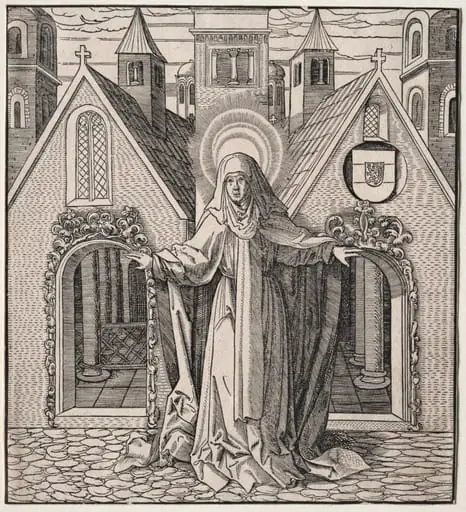 Sancta Rega
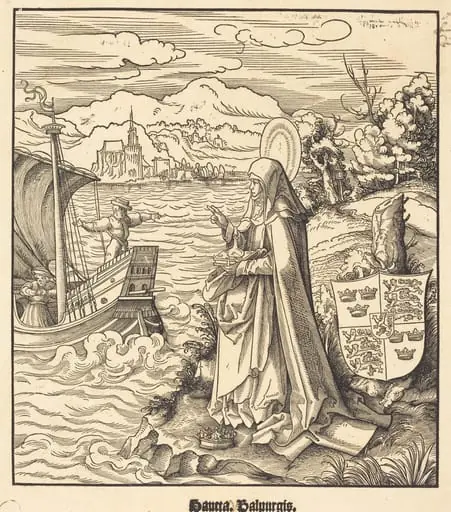 Saint Walpurgis
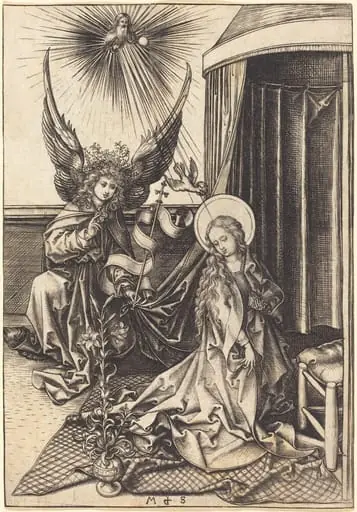 The Annunciation
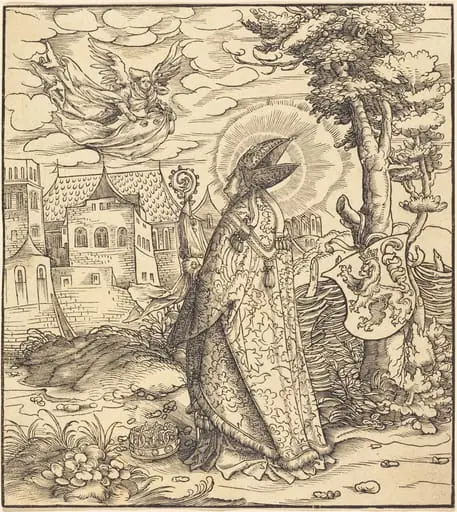 Saint Goericus
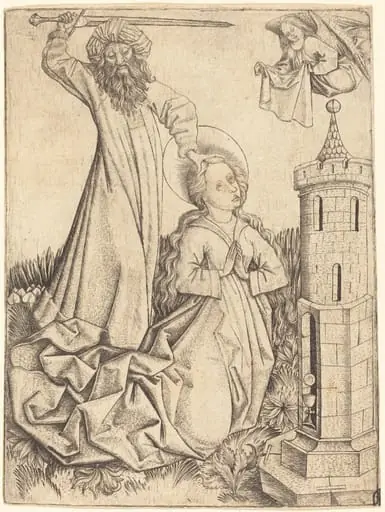 The Martyrdom of Saint Barbara
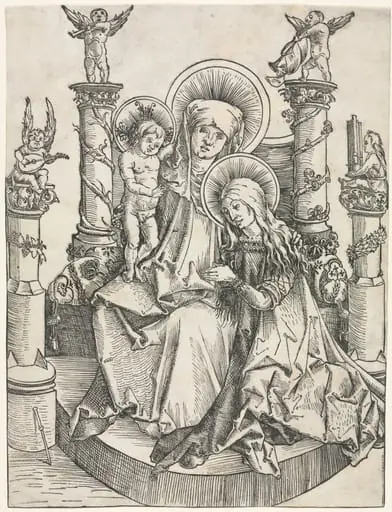 St. Anne, the Virgin and Christ Child
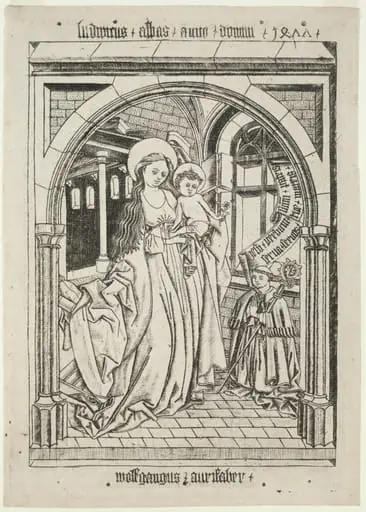 Virgin and Child, Abbot Ludwig Kneeling
 The Annunciation
 The Three Christian Heroines: Saints Helen, Bridget and Elizabeth
 Saint Amelberga