Artwork
Saint Walpurgis
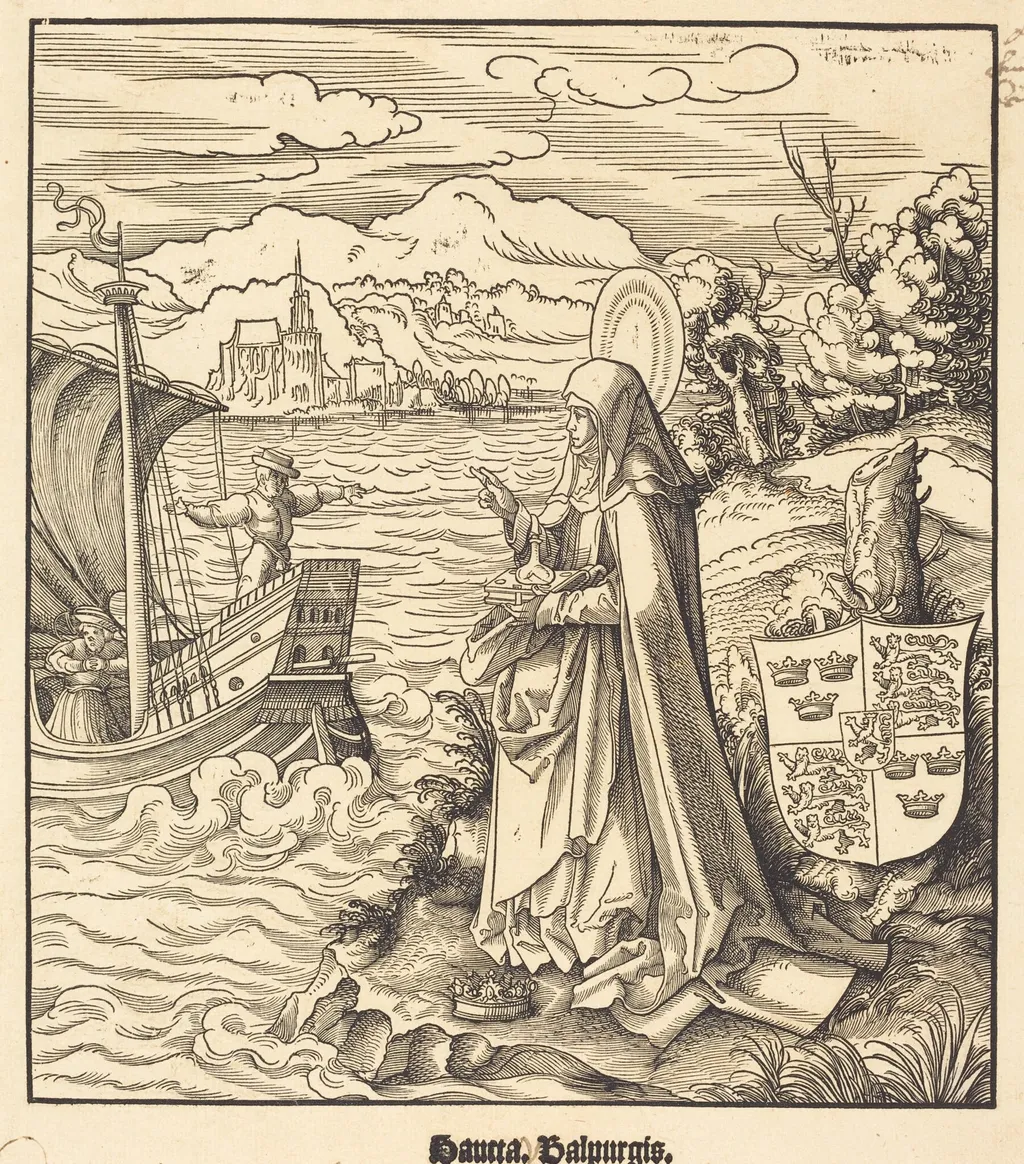
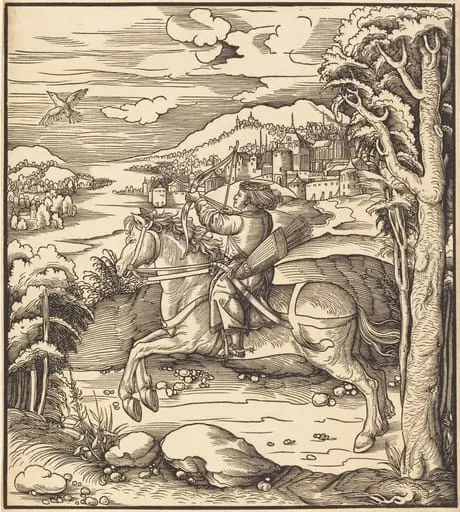
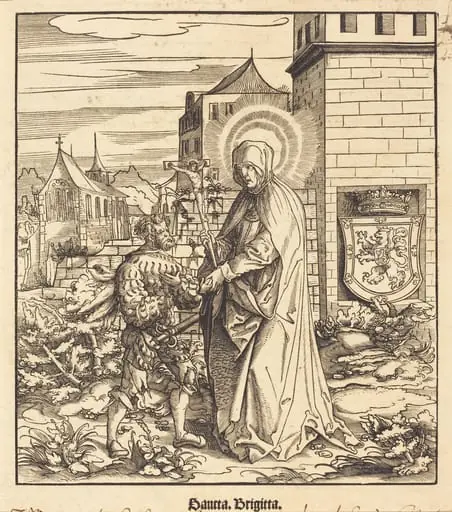
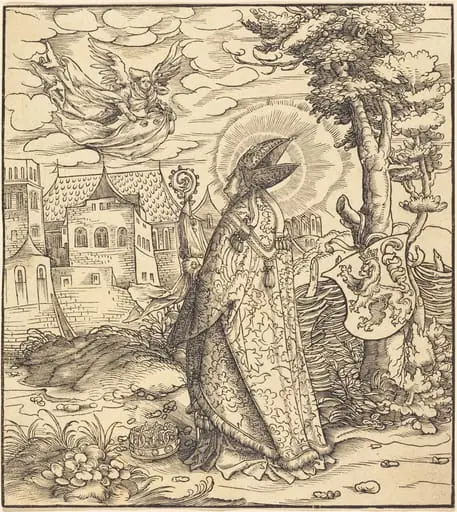
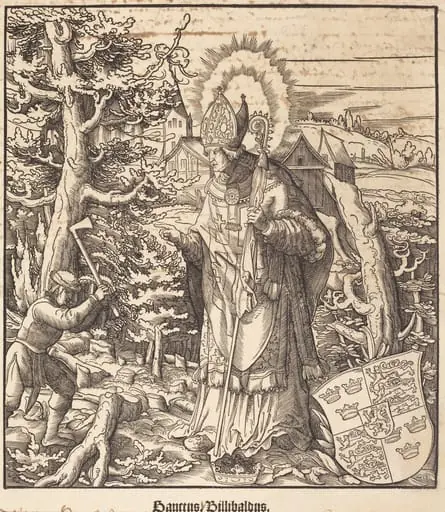
Saint Walpurgis is an ink print by the Renaissance artist Leonhard Beck. It dates from 1517 and is held in the collection of the National Gallery of Art.
About this work
Overview
Saint Walpurgis is a 1517 woodcut print created by Leonhard Beck, an Augsburg-based artist. The work depicts the Christian saint in a detailed, black-and-white composition.
Subject & Meaning
The print portrays Saint Walpurgis, a revered Christian figure, identified by her halo, cross, and book. These attributes signify her saintly status and possibly allude to her role in religious tradition.
Technique & Style
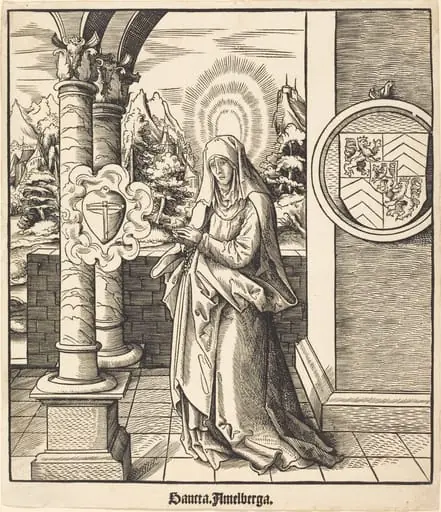
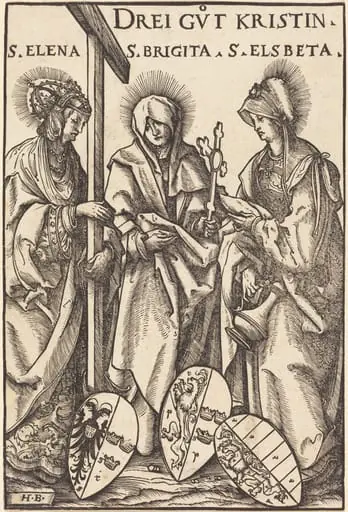
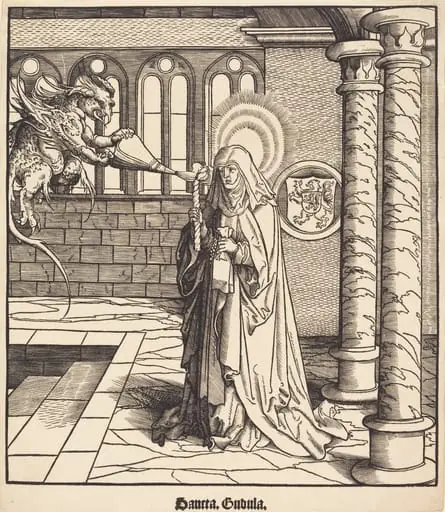
Executed in woodcut, the piece features sharp lines and lacks color, characteristic of the medium. The style, while from the early 16th century, appears somewhat archaic with its precise, outlined forms.
History & Provenance
Leonhard Beck, son of Georg Beck and influenced by Hans Holbein the Elder, designed the woodcut. Beck's career included work for Emperor Maximilian I, reflecting his integration into Augsburg's artistic and imperial circles.
Context
Saint Walpurgis was created within Augsburg's rich artistic and religious environment of the early 16th century. The work's religious theme and traditional style align with the devotional practices and artistic values of the time.
Legacy
While specific lasting impacts of *Saint Walpurgis* are not detailed, as a work by Beck, it contributes to the understanding of early 16th-century German printmaking and the artistic lineage of Augsburg's painters and woodcut designers.
Artist & collection
Artist
Leonhard Beck (c. 1480 – 1542) was a painter and woodcuts designer in Augsburg, Germany. He was the son of Georg Beck, a miniaturist who was active in Augsburg c. 1490–1512/15. Leonhard collaborated with his father on…