Artwork
Apparition of the Virgin in the Beech Tree (Faggio dell'apparizione della Vergine) [plate P]
![Apparition of the Virgin in the Beech Tree (Faggio dell'apparizione della Vergine) [plate P], by Jacopo Ligozzi, ink, 1612](https://artifactworldgallery.com/img/jacopo-ligozzi--apparition-of-the-virgin-in-the-beech-tree-faggio-dell-appar--86709d24a3e2a88e-w1024.webp)
Apparition of the Virgin in the Beech Tree (Faggio dell'apparizione della Vergine) [plate P] is an ink print by the Baroque artist Jacopo Ligozzi. It dates from 1612 and is held in the collection of the National Gallery of Art.
About this work
Overview
Jacopo Ligozzi’s 1612 etching *Apparition of the Virgin in the Beech Tree* presents a quiet devotional scene. The Virgin Mary and the infant Jesus are shown seated within the hollow of a beech tree, while three cloaked figures gaze upward from the forest floor. Rendered in fine line work, the image balances a spiritual narrative with a detailed natural setting.
Subject & Meaning
The composition depicts a Marian apparition, a motif that links the sacred to the natural world. By placing the holy figures inside the tree’s cavity, Ligozzi emphasizes a hidden, intimate revelation, while the three onlookers embody human witness to the divine encounter.
Technique & Style
Executed as an etching, the work relies on delicate hatching and cross‑hatching to model light and shadow across the foliage, bark, and drapery. The tonal gradations create depth, and the precise rendering of leaves and bark reflects Ligozzi’s reputation for naturalistic illustration, characteristic of late‑Renaissance and early Mannerist printmaking.
History & Provenance
Created during Ligozzi’s mature period, the print aligns with his broader output of scientific and religious illustrations for Florentine patrons. Although specific ownership records are scarce, the plate has been catalogued among his printed works and appears in several early 17th‑century collections of devotional prints.
Context
The early 1600s saw a transition from the balanced compositions of the High Renaissance toward the heightened emotionality of the Baroque. Ligozzi’s etching retains the compositional clarity of the former while incorporating a more dramatic use of chiaroscuro that anticipates later Baroque sensibilities.
Artist & collection
Artist
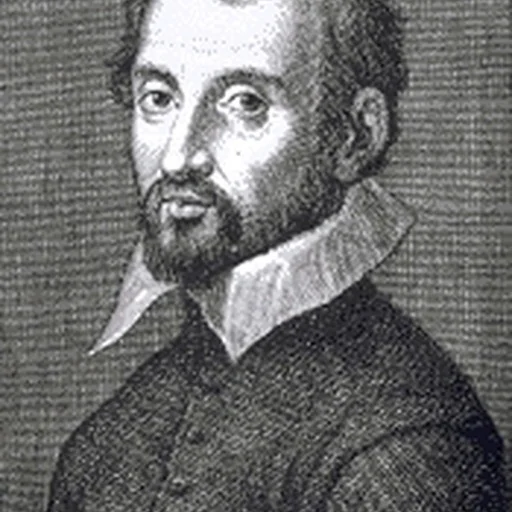
Jacopo Ligozzi (1547–1627) was an Italian painter, illustrator, designer, and miniaturist. His art can be categorized as late-Renaissance and Mannerist styles.

![Chapel of Saint Sebastian (Cappella di San Sebastiano) [plate N], by Jacopo Ligozzi](https://artifactworldgallery.com/img/jacopo-ligozzi--chapel-of-saint-sebastian-cappella-di-san-sebastiano-plate-n--144b97ba4a91d67b-w320.webp)
![Church of the Stigmata (Chiesa delle Stimmate) [plate M], by Jacopo Ligozzi](https://artifactworldgallery.com/img/jacopo-ligozzi--church-of-the-stigmata-chiesa-delle-stimmate-plate-m--255dd75981bd30e3-w320.webp)
![Stigmata of Saint Francis (Stimmate di San Francesco) [plate Y], by Jacopo Ligozzi](https://artifactworldgallery.com/img/jacopo-ligozzi--stigmata-of-saint-francis-stimmate-di-san-francesco-plate-y--f795ef3d3b310044-w320.webp) Stigmata of Saint Francis (Stimmate di San Francesco) [plate Y]
Stigmata of Saint Francis (Stimmate di San Francesco) [plate Y]![The Temptation of Saint Francis (Tentazione di San Francesco) [plate O], by Jacopo Ligozzi](https://artifactworldgallery.com/img/jacopo-ligozzi--the-temptation-of-saint-francis-tentazione-di-san-francesco--8a51c5ee5acc8aef-w320.webp) The Temptation of Saint Francis (Tentazione di San Francesco) [plate O]
The Temptation of Saint Francis (Tentazione di San Francesco) [plate O] Les Penitents: St. François
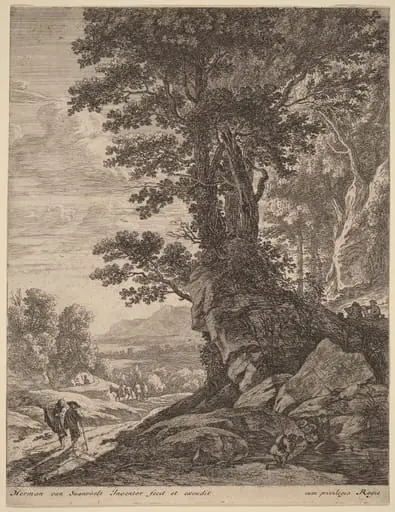 A Group of Trees
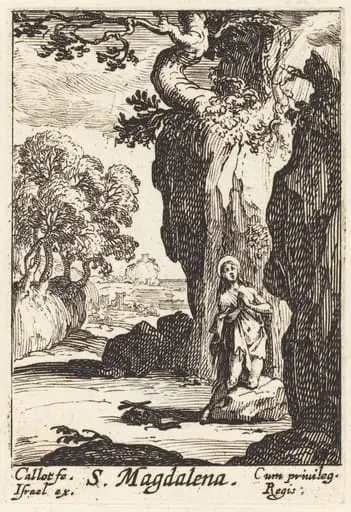 Saint Mary Magdalene
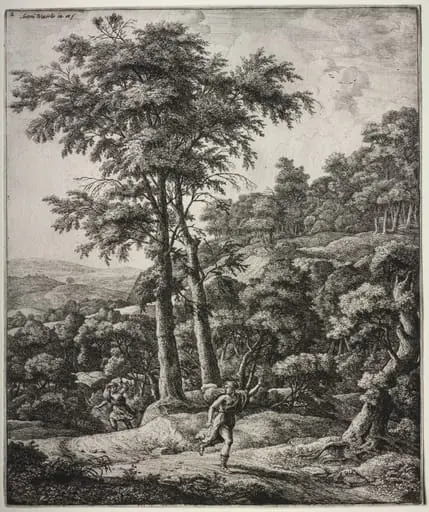 Six large upright landscapes with scenes from Ovid's Metamorphoses: Apollo and Daphne
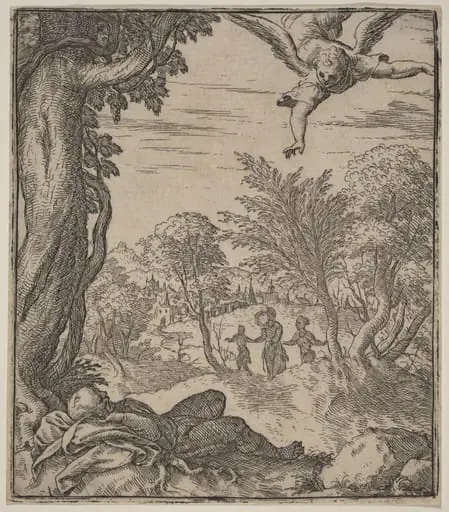 The Angel Appearing to Joseph
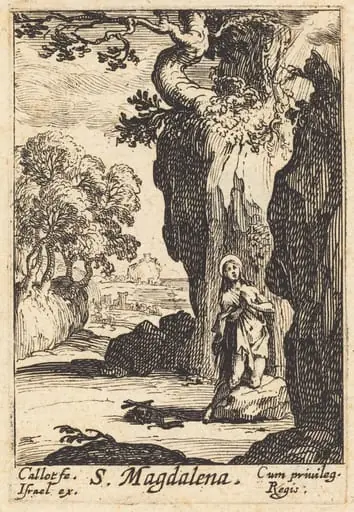 Saint Mary Magdalene
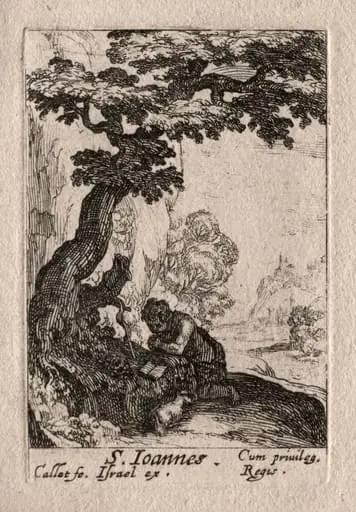 Les Penitents: St. Jean Baptiste