Artwork
Stigmata of Saint Francis (Stimmate di San Francesco) [plate Y]
![Stigmata of Saint Francis (Stimmate di San Francesco) [plate Y], by Jacopo Ligozzi, ink, 1612](https://artifactworldgallery.com/img/jacopo-ligozzi--stigmata-of-saint-francis-stimmate-di-san-francesco-plate-y--f795ef3d3b310044-w1024.webp)
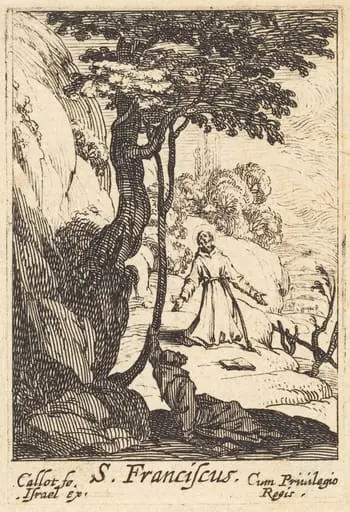
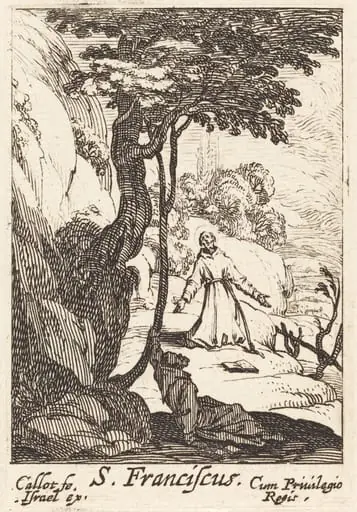
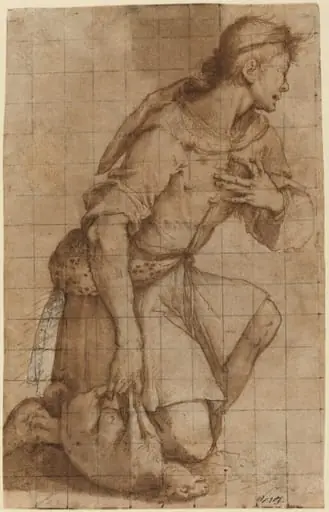
Stigmata of Saint Francis (Stimmate di San Francesco) [plate Y] is an ink print by the Baroque artist Jacopo Ligozzi. It dates from 1612 and is held in the collection of the National Gallery of Art.
About this work
Overview
Jacopo Ligozzi’s 1612 etching titled *Stigmata of Saint Francis* captures the moment the Franciscan saint is marked with the wounds of Christ. Executed in black ink on paper, the image presents a stark, dramatic scene on a rocky slope, with a modest hut and trees receding in the background.
Subject & Meaning
The composition centers on a kneeling figure whose outstretched hands appear to receive the crucifixion wounds, while a winged angel hovers above, signifying divine intervention. The work visualizes the legendary episode in which Saint Francis experiences the stigmata, emphasizing themes of spiritual suffering and mystical union with Christ.
Technique & Style
Ligozzi employs fine, controlled lines characteristic of late‑Renaissance and Mannerist printmaking. Through delicate cross‑hatching and varied line weight, he renders subtle shifts of light and texture on stone, foliage, and fabric—an achievement that required considerable skill in the etching process of the early seventeenth century.
History & Provenance
The print forms part of a series of religious images produced by Ligozzi in 1612, a period when he was active as a painter, illustrator, and miniaturist across Italy. While the original ownership records are sparse, the work has been documented in collections of early modern prints and remains a reference for Ligozzi’s print output.
Artist & collection
Artist
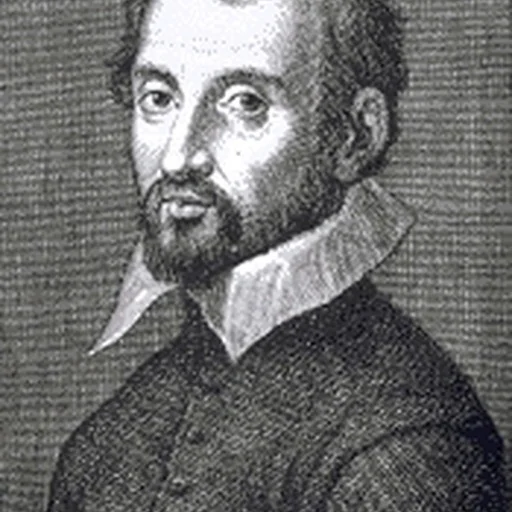
Jacopo Ligozzi (1547–1627) was an Italian painter, illustrator, designer, and miniaturist. His art can be categorized as late-Renaissance and Mannerist styles.

![Chapel of Saint Sebastian (Cappella di San Sebastiano) [plate N], by Jacopo Ligozzi](https://artifactworldgallery.com/img/jacopo-ligozzi--chapel-of-saint-sebastian-cappella-di-san-sebastiano-plate-n--144b97ba4a91d67b-w320.webp)
![Church of the Stigmata (Chiesa delle Stimmate) [plate M], by Jacopo Ligozzi](https://artifactworldgallery.com/img/jacopo-ligozzi--church-of-the-stigmata-chiesa-delle-stimmate-plate-m--255dd75981bd30e3-w320.webp)
![Apparition of the Virgin in the Beech Tree (Faggio dell'apparizione della Vergine) [plate P], by Jacopo Ligozzi](https://artifactworldgallery.com/img/jacopo-ligozzi--apparition-of-the-virgin-in-the-beech-tree-faggio-dell-appar--86709d24a3e2a88e-w320.webp)
![The Salutation of the Birds (Il Saluto degli uccelli) [plate C], by Jacopo Ligozzi](https://artifactworldgallery.com/img/jacopo-ligozzi--the-salutation-of-the-birds-il-saluto-degli-uccelli-plate-c--d6c0a4b5ca3671a2-w320.webp)
![Monastic Cell of the Blessed John of La Verna (Cella del beato Giovanni della Verna) [plate T], by Jacopo Ligozzi](https://artifactworldgallery.com/img/jacopo-ligozzi--monastic-cell-of-the-blessed-john-of-la-verna-cella-del-beat--48a891500a09aa6b-w320.webp)