Artwork
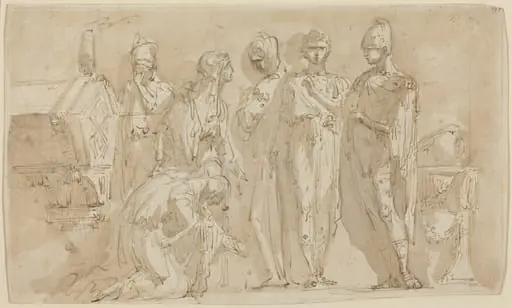
Two Draped Women Standing on Either Side of a Herm
Two Draped Women Standing on Either Side of a Herm is a drawing by the Renaissance artist Filippino Lippi. It dates from 1490 and is held in the collection of the National Gallery of Art.
About this work
Overview
The medium’s precision and delicate tonal range reflect the artist’s technical discipline, typical of preparatory studies for larger compositions.
Created in 1490, this metalpoint drawing by Filippino Lippi is executed on light green-prepared paper with subtle white highlights. It belongs to a period when Lippi was refining his draftsmanship in Florence, blending classical motifs with contemporary sensibilities. The medium’s precision and delicate tonal range reflect the artist’s technical discipline, typical of preparatory studies for larger compositions.
Subject & Meaning
Two draped female figures flank a herm—a sculpted pillar topped with a head or bust, commonly associated with Hermes in antiquity. Their inward-facing posture and restrained gestures suggest a ritual or symbolic function, possibly evoking guardianship or divine presence. The absence of narrative context invites interpretation as an allegorical or decorative motif, consistent with Renaissance interest in classical symbolism.
Technique & Style
Lippi employed metalpoint, a fine silver stylus on coated paper, to achieve fine, linear precision. White heightening adds luminosity to folds and contours, enhancing volume without obscuring the underlying structure. The loose, fluid strokes of the drapery contrast with the rigid form of the herm, revealing a balance between spontaneity and control characteristic of his mature style.
History & Provenance
The drawing is securely attributed to Lippi’s Florentine period, circa 1490, though its early ownership is undocumented. It likely served as a study for a larger work, possibly a fresco or altarpiece, but no definitive companion piece has been identified. Its survival in good condition reflects its value as a refined exercise in form and composition.
Context
In late 15th-century Florence, artists frequently revisited classical forms to enrich religious and secular imagery. Lippi’s use of the herm aligns with broader humanist trends, where ancient symbols were repurposed to convey moral or spiritual ideas. This drawing exemplifies how Renaissance draftsmen integrated antiquity into visual language without literal replication.
Legacy
This work illustrates Lippi’s role in bridging Early and High Renaissance draftsmanship. Its emphasis on linear clarity and classical reference influenced later Florentine artists, particularly in the treatment of the human form and architectural elements. Though not widely exhibited, it remains a key example of the period’s intellectual engagement with antiquity through drawing.
Artist & collection
Artist
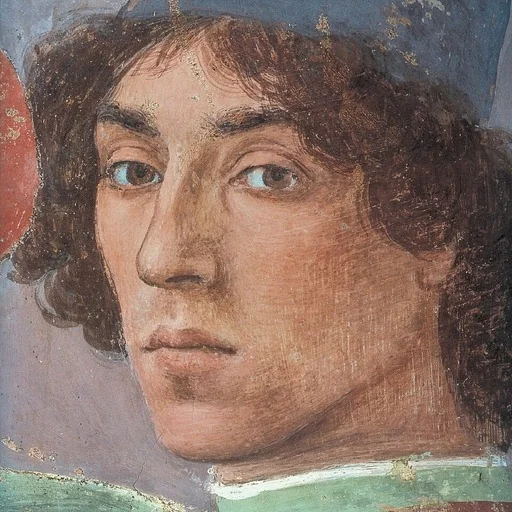
Filippino Lippi (probably 1457 – 18 April 1504) was an Italian Renaissance painter mostly working in Florence, Italy during the later years of the Early Renaissance and first few years of the High Renaissance.

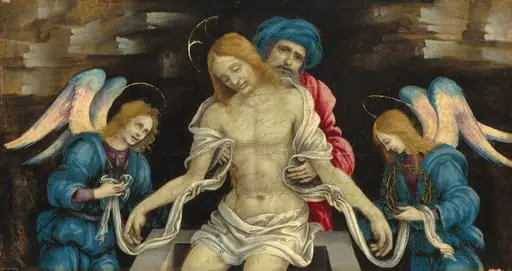 Pietà (The Dead Christ Mourned by Nicodemus and Two Angels)
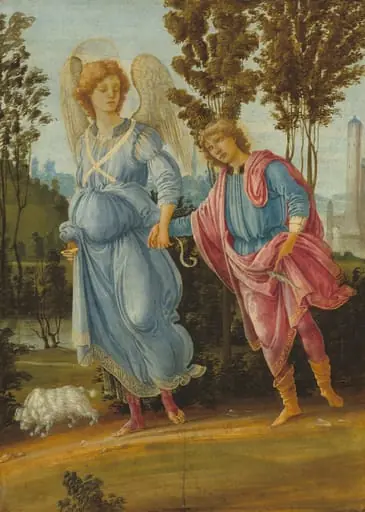 Tobias and the Angel
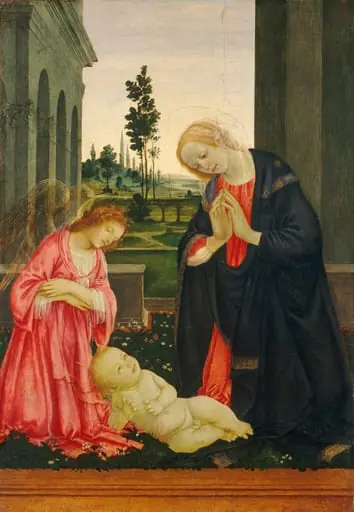 The Adoration of the Child
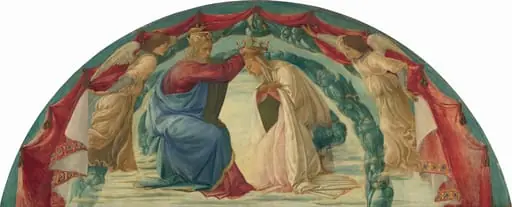 The Coronation of the Virgin
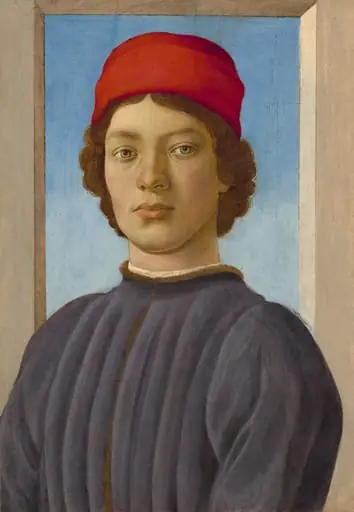 Portrait of a Youth
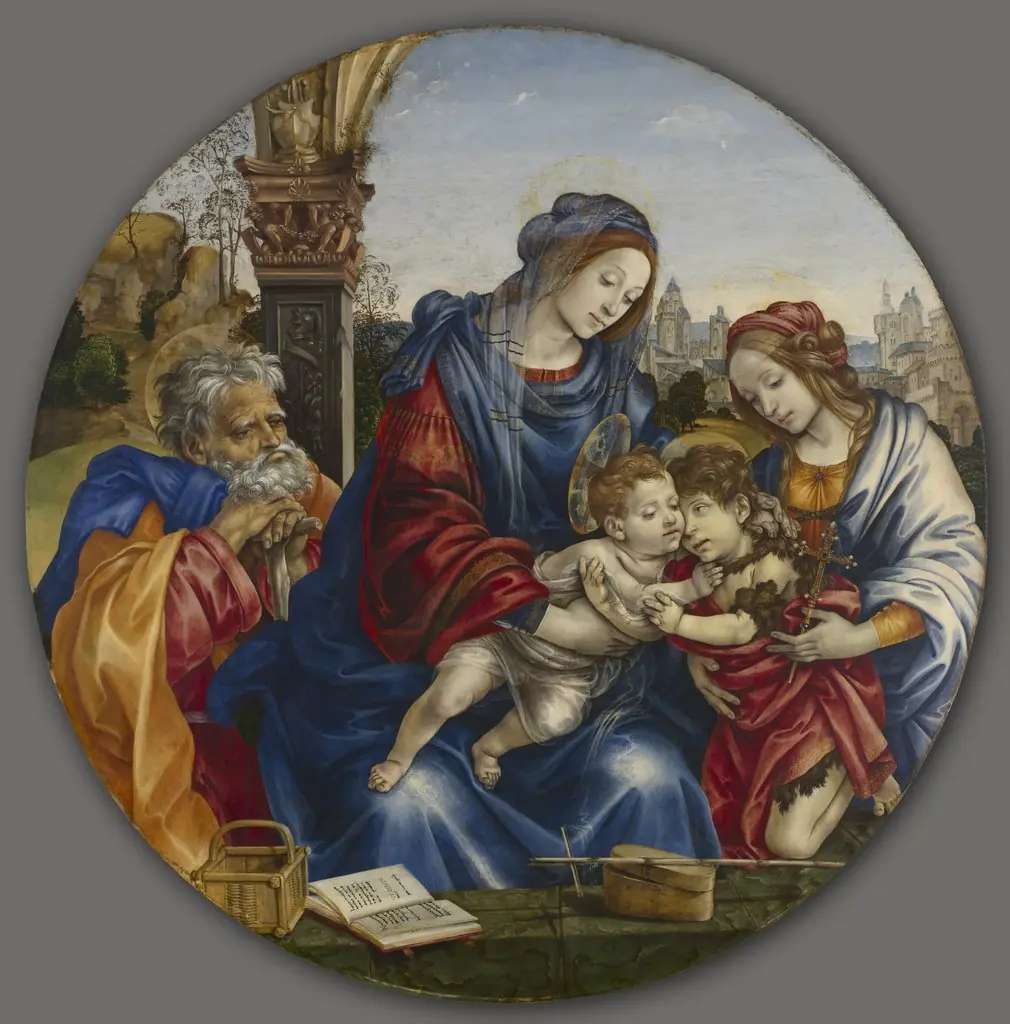 The Holy Family with Saint John the Baptist and Saint Margaret
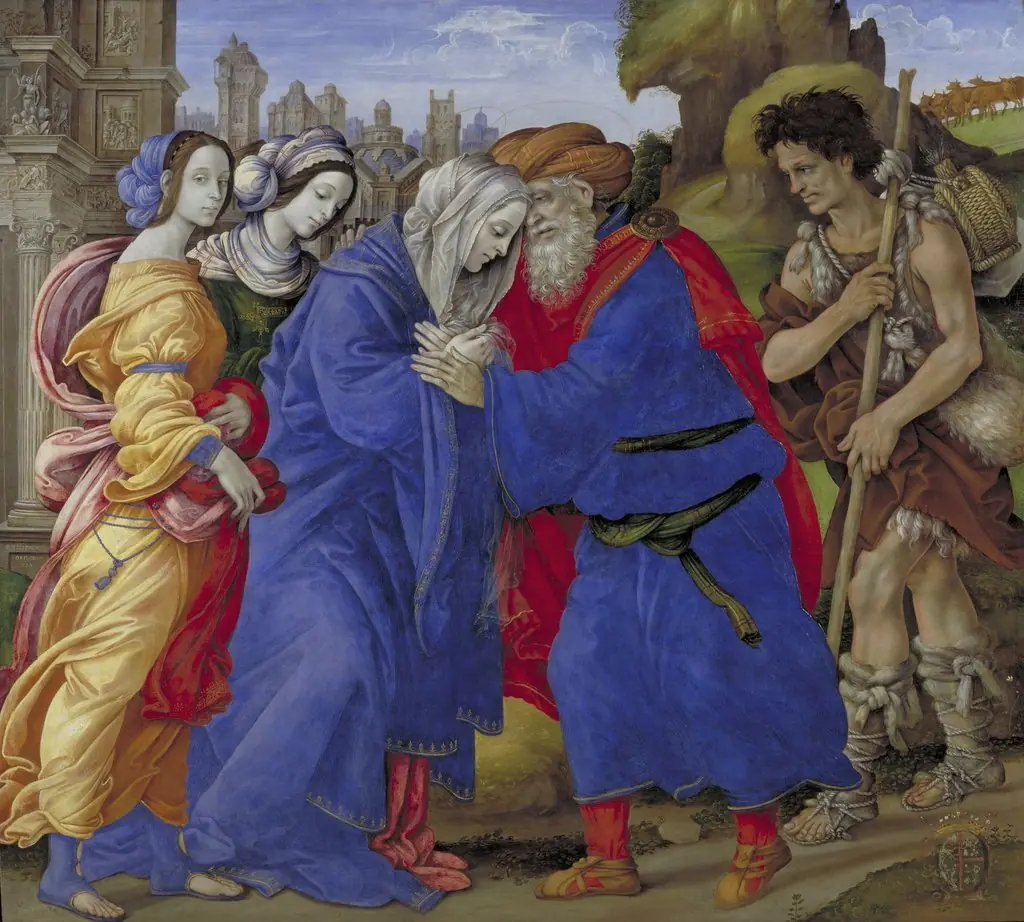 The Meeting of Joachim and Anne outside the Golden Gate of Jerusalem
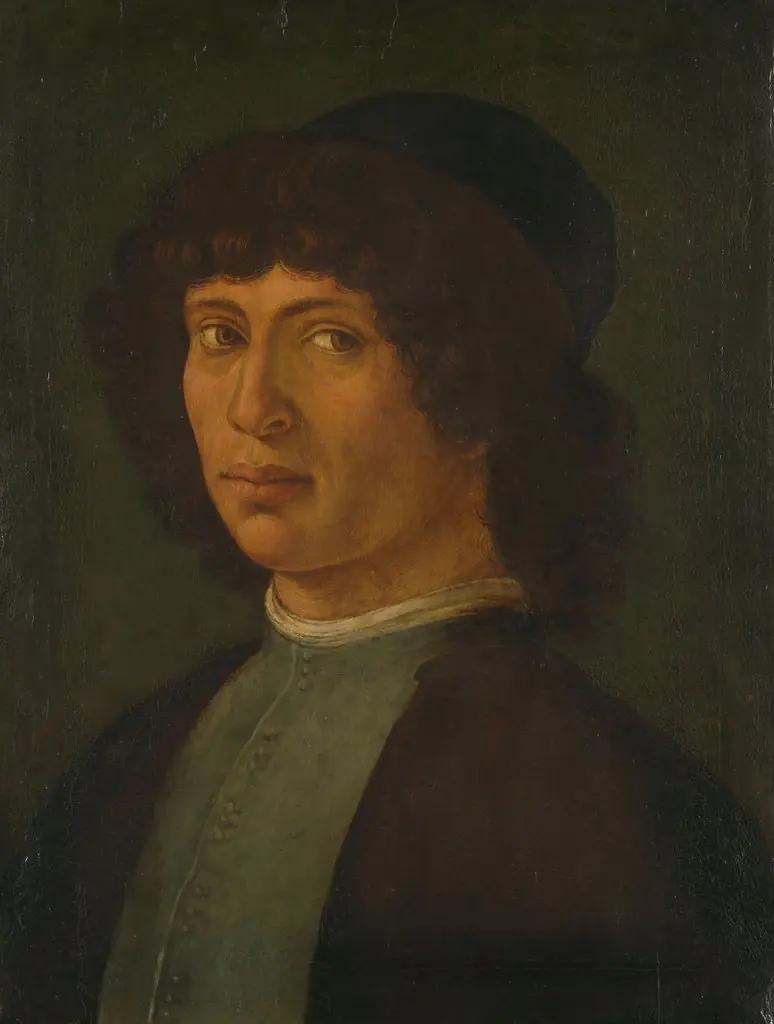 Portrait of a young man
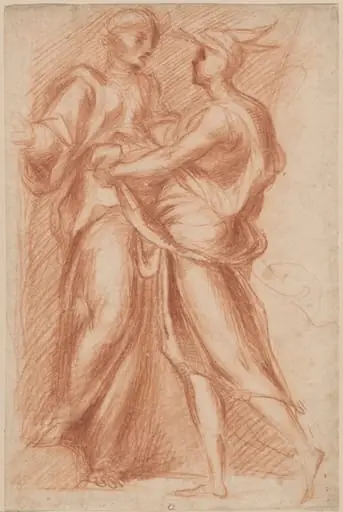
![Woman in Toga [verso], by Hubert Robert](https://artifactworldgallery.com/img/hubert-robert--woman-in-toga-verso--1c4b04982206f60e-w320.webp)
![A Venetian Procurator of San Marco [recto], by Pietro Longhi](https://artifactworldgallery.com/img/pietro-longhi--a-venetian-procurator-of-san-marco-recto--2c48af9001688196-w320.webp)