Artwork
Standing Woman with Her Hands Clasped in Prayer
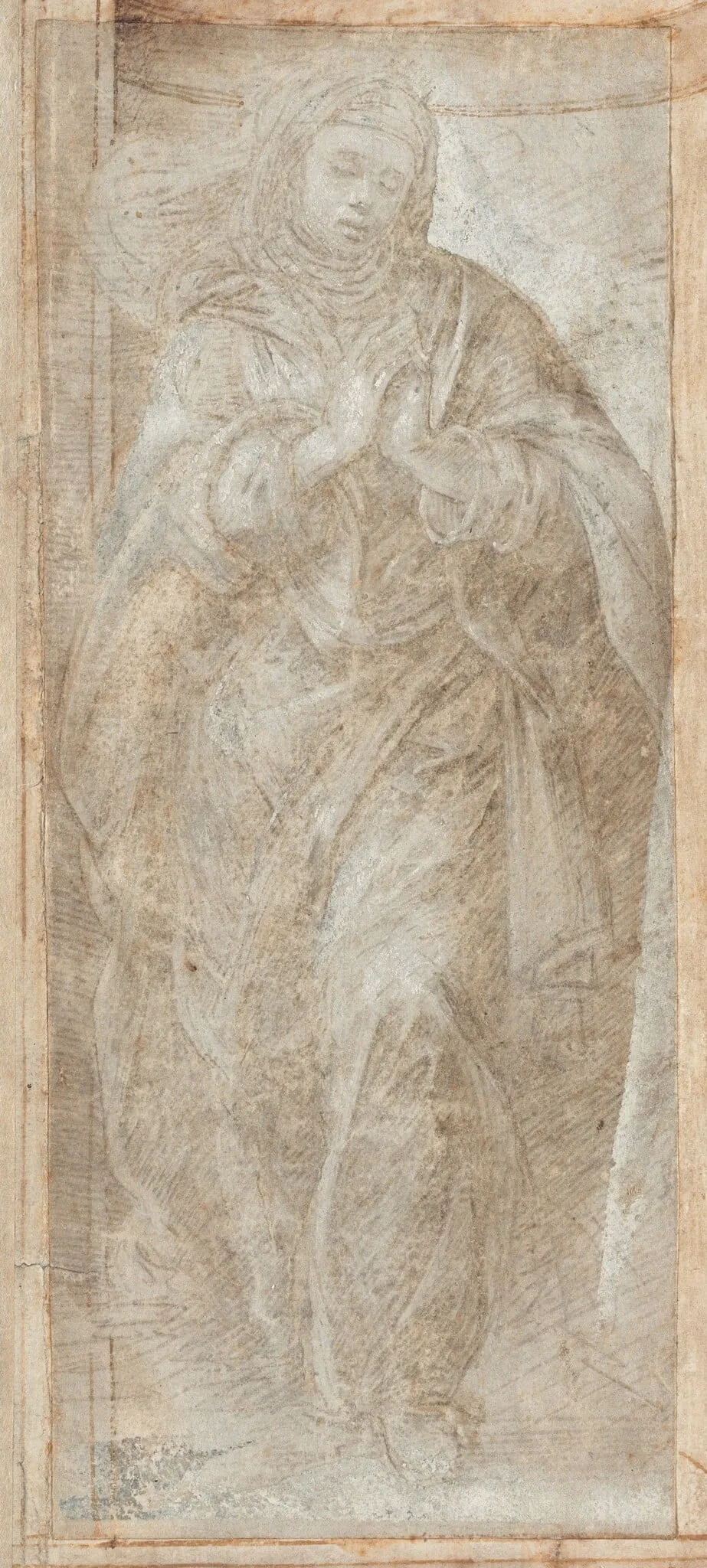
Standing Woman with Her Hands Clasped in Prayer is a drawing by the Renaissance artist Filippino Lippi. It dates from 1488 and is held in the collection of the National Gallery of Art.
About this work
Overview
Created circa 1488, this drawing by Filippino Lippi is executed in metalpoint on gray-prepared paper, with selective highlights in white pigment.
Created circa 1488, this drawing by Filippino Lippi is executed in metalpoint on gray-prepared paper, with selective highlights in white pigment. A refined example of Renaissance draftsmanship, it captures a solitary female figure in a posture of quiet devotion. The medium’s precision and subtle tonal gradations reflect the artist’s technical discipline and his focus on intimate, contemplative imagery during a period of artistic transition in Florence.
Subject & Meaning
The figure, standing upright with hands clasped in prayer, embodies a personal, inward spirituality common in late 15th-century devotional art. Her unadorned presence and restrained gesture suggest humility and meditation rather than narrative drama. Though unidentified, she functions as a model of piety, inviting the viewer into a moment of silent worship, consistent with the era’s emphasis on individual faith.
Technique & Style
Lippi employed metalpoint—a fine metal stylus on coated paper—to achieve fine, linear detail, enhanced with touches of white chalk for luminosity against the gray ground. The lines are controlled yet fluid, revealing his mastery of tonal modeling and anatomical subtlety. The composition avoids ornamentation, focusing instead on the figure’s form and the quiet rhythm of her posture, characteristic of his mature draftsmanship.
History & Provenance
The drawing is documented within Lippi’s oeuvre from his Florentine period, likely produced for private devotion or as a preparatory study. It remained in Italian collections through the centuries, eventually entering a major European museum. Its survival in good condition underscores its value as a delicate work on paper, preserved through careful handling and storage.
Context
In the late 1480s, Florence was a hub of artistic innovation, where religious imagery increasingly merged classical harmony with emotional restraint. Lippi, influenced by his father and contemporaries like Ghirlandaio, responded to this climate by refining figure studies that balanced spiritual gravity with naturalistic form. This drawing reflects that synthesis, bridging Early Renaissance intensity with emerging High Renaissance poise.
Legacy
As a rare surviving example of metalpoint on prepared paper from this period, the work illustrates the technical sophistication of Renaissance draftsmen. It contributes to the understanding of how religious themes were explored through intimate, non-narrative forms, influencing later artists who valued quiet contemplation over theatrical expression in sacred art.
Artist & collection
Artist
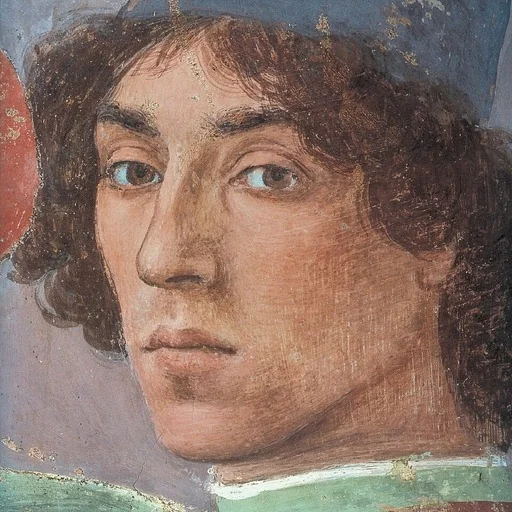
Filippino Lippi (probably 1457 – 18 April 1504) was an Italian Renaissance painter mostly working in Florence, Italy during the later years of the Early Renaissance and first few years of the High Renaissance.

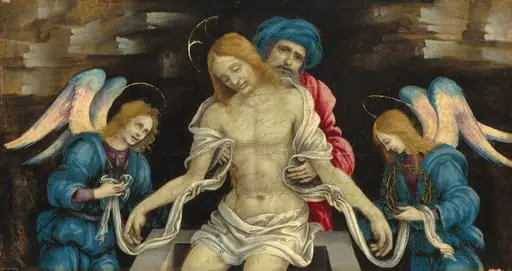 Pietà (The Dead Christ Mourned by Nicodemus and Two Angels)
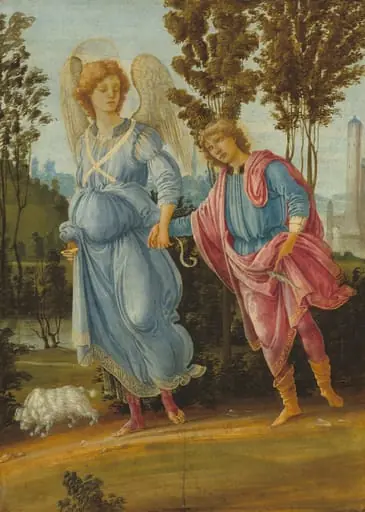 Tobias and the Angel
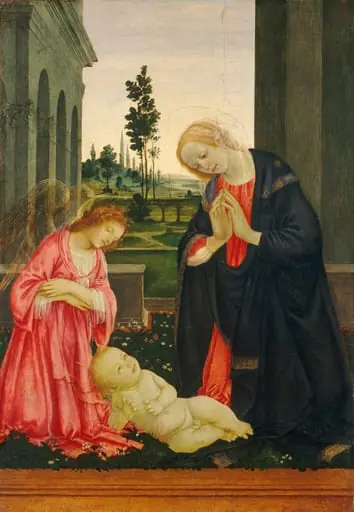 The Adoration of the Child
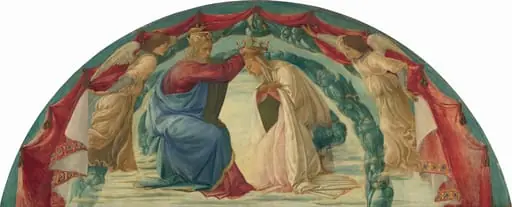 The Coronation of the Virgin
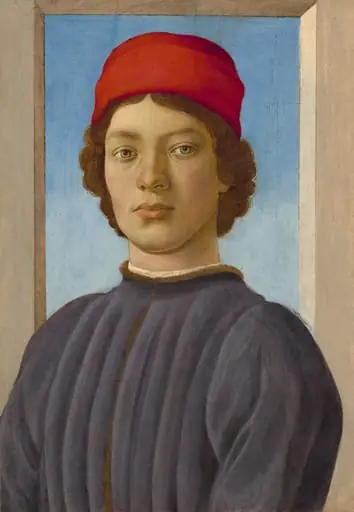 Portrait of a Youth
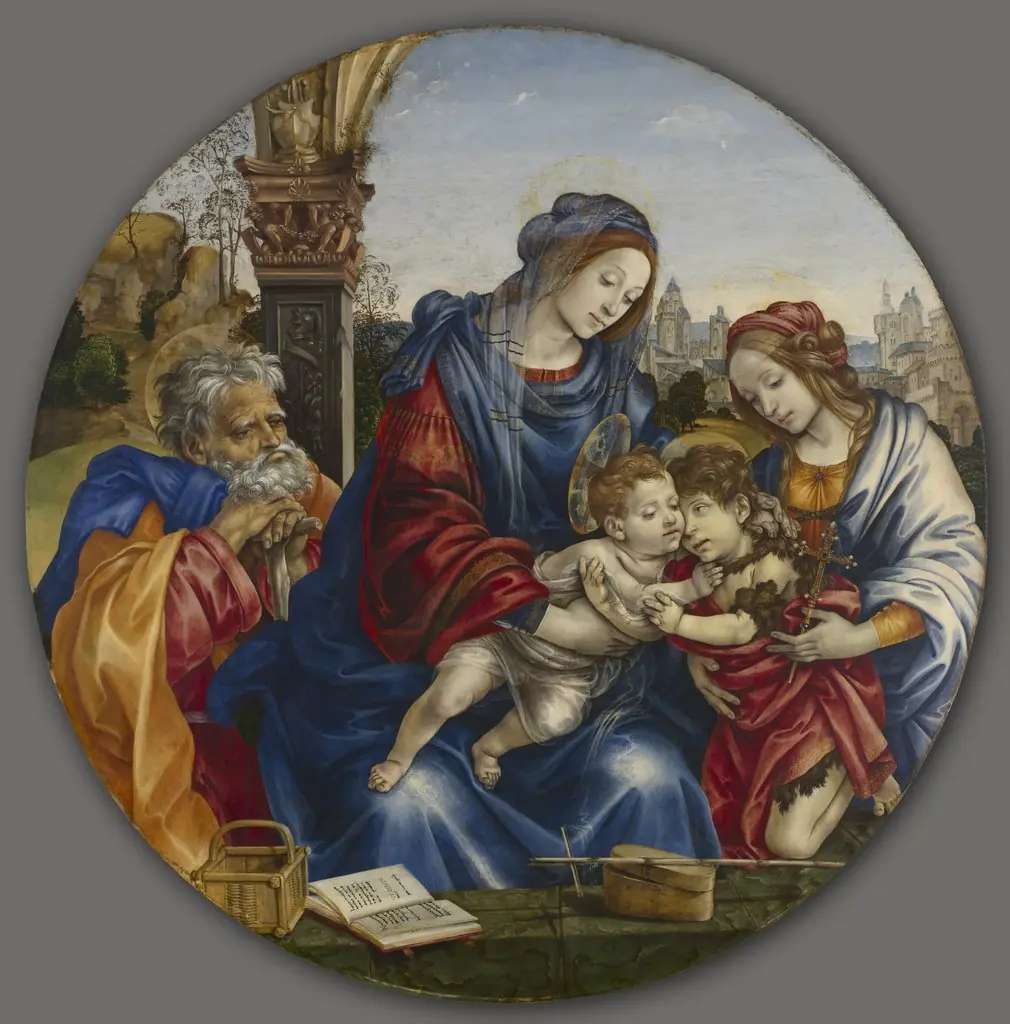 The Holy Family with Saint John the Baptist and Saint Margaret
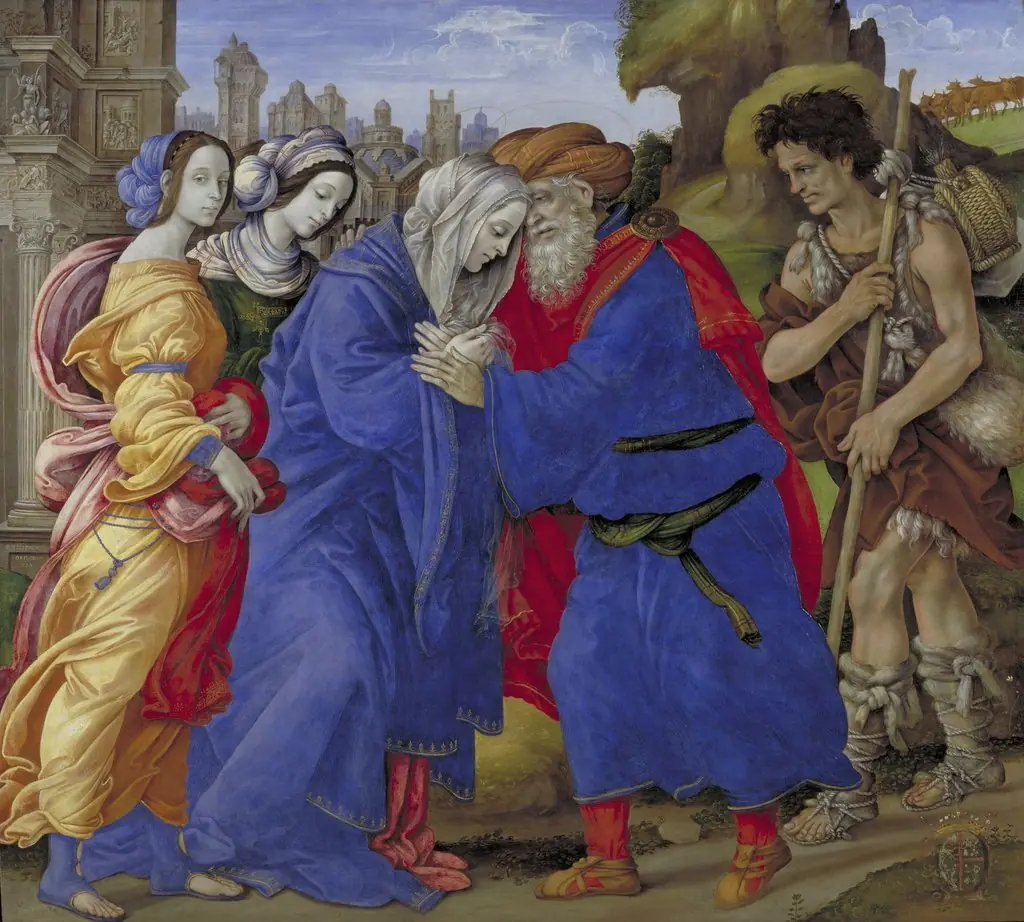 The Meeting of Joachim and Anne outside the Golden Gate of Jerusalem
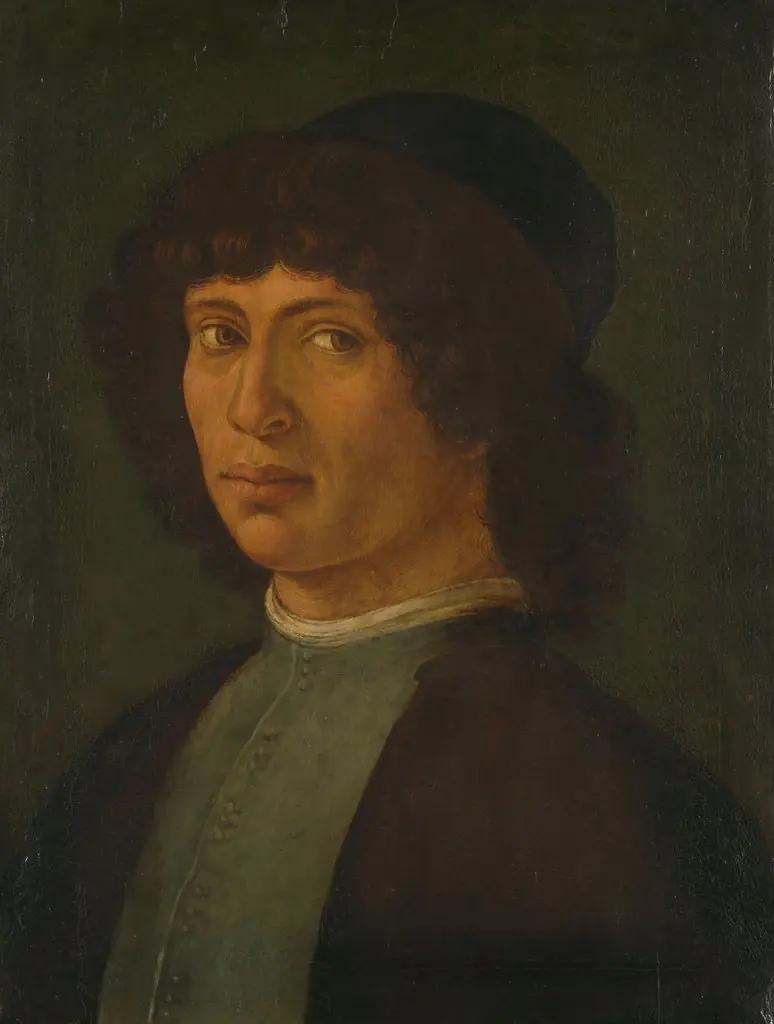 Portrait of a young man
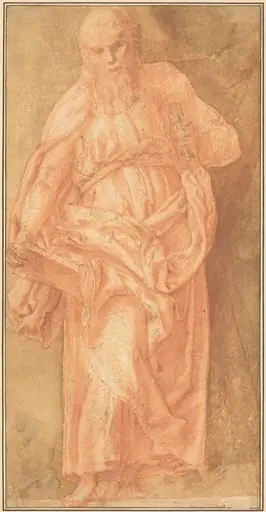 Saint Andrew
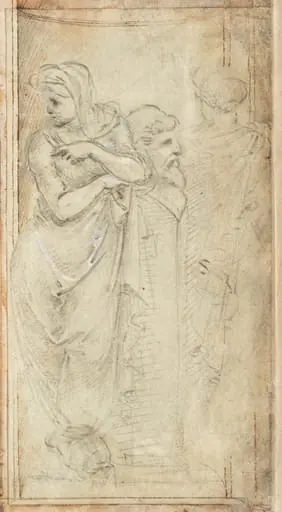 Two Draped Women Standing on Either Side of a Herm
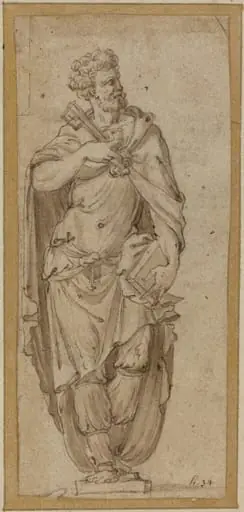 Saint Peter
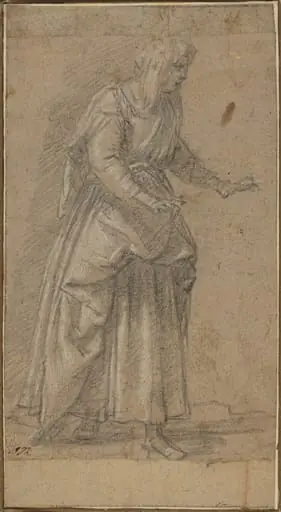 Woman Walking to the Right
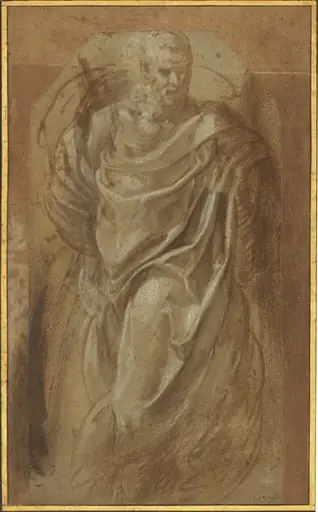 A Standing Man in Classical Drapery
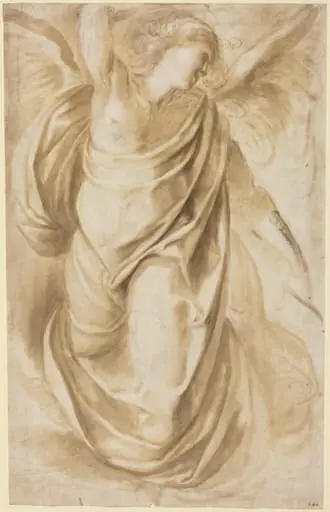 An Angel
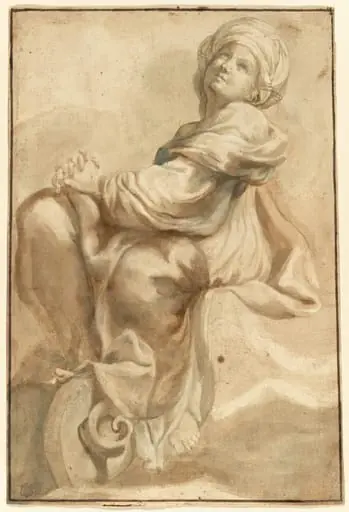 Seated Sibyl
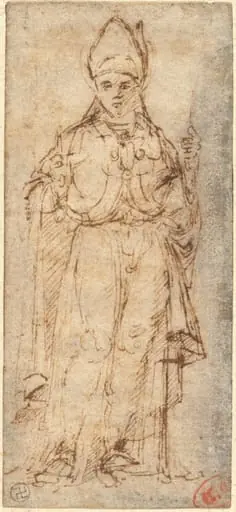 Saint Louis of Toulouse Holding a Staff
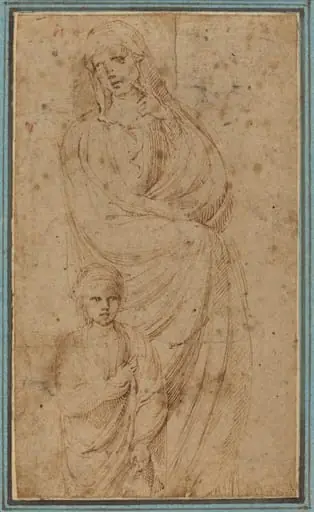 Two Figures
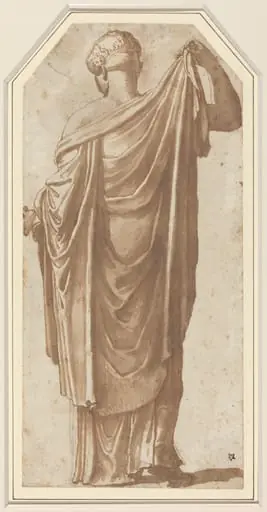 Female Roman Statue Seen from the Back
 A nymph dancing
 Studies of Saint Francis Kneeling and Other Figures