Artwork
Brown Lark
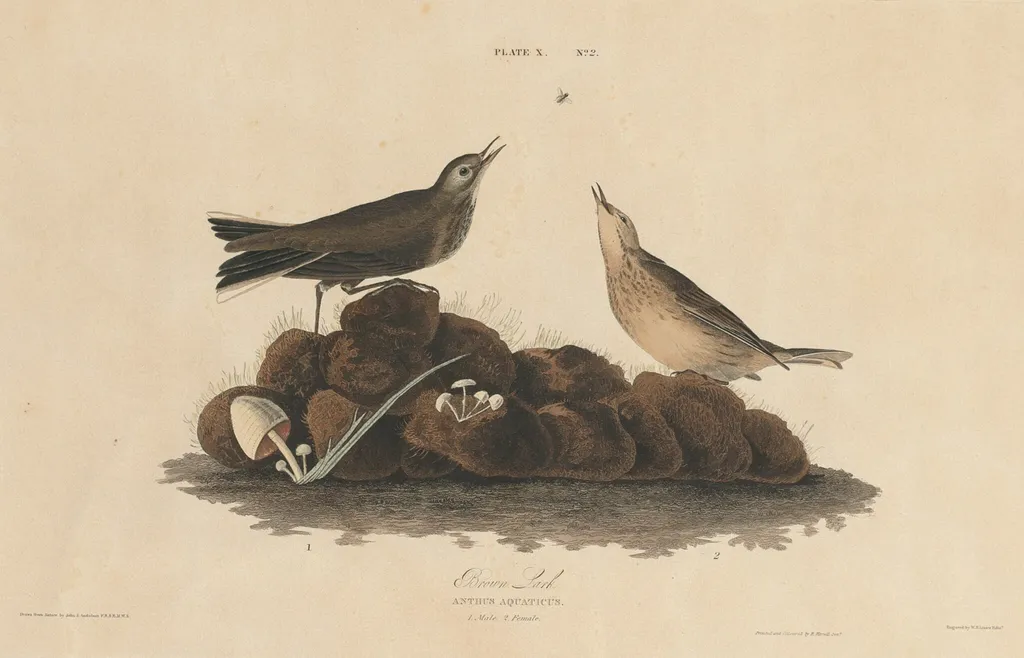
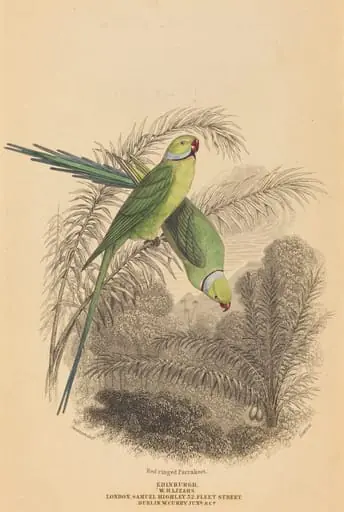
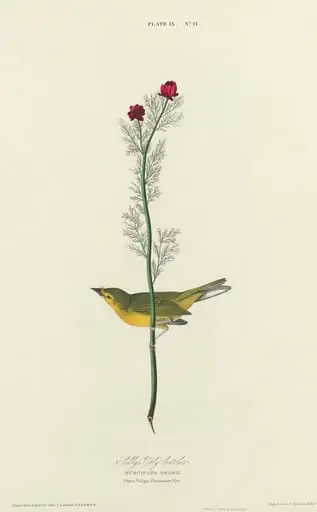
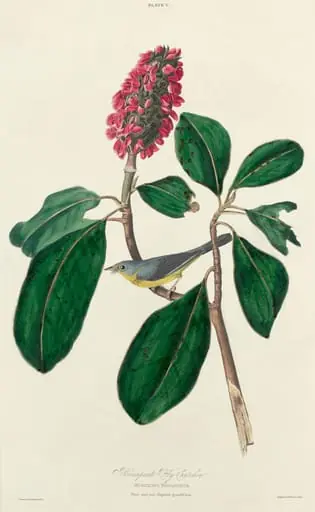
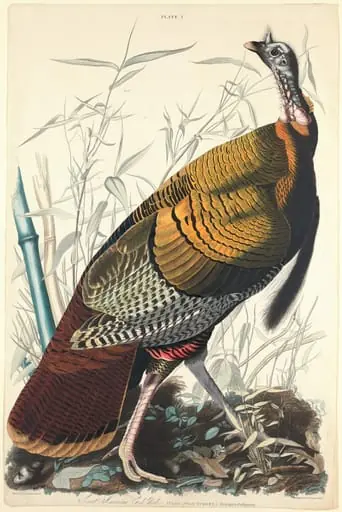
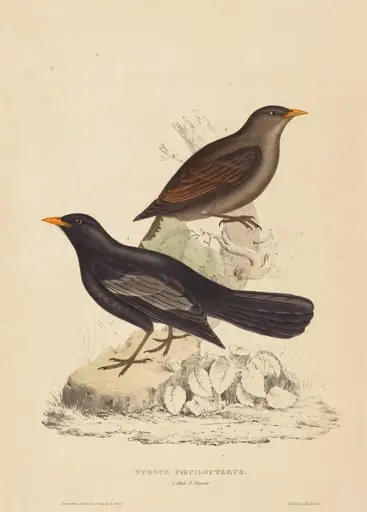
Brown Lark is an ink print by the Romanticist artist William Home Lizars. It dates from 1828 and is held in the collection of the National Gallery of Art.
About this work
Overview
Rendered on wove paper, the image combines precise line work with subtle watercolor washes to capture the birds’ plumage and their aquatic setting.
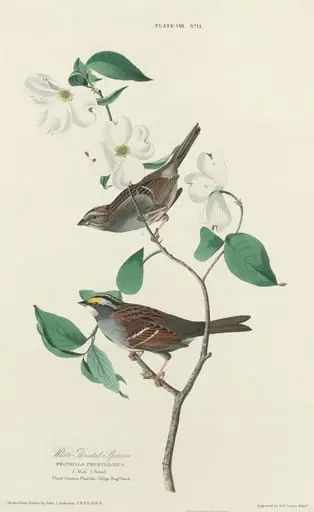
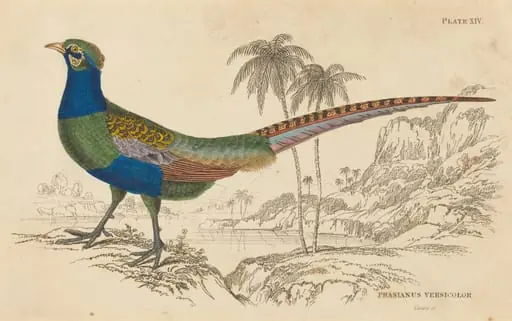
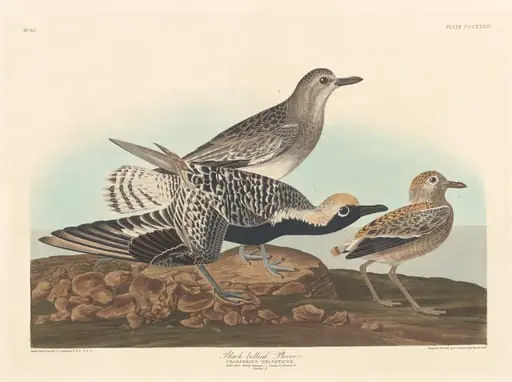
Created in 1828 by William Home Lizars, this hand-colored engraving depicts a pair of larks on a nest constructed of mud and twigs. Rendered on wove paper, the image combines precise line work with subtle watercolor washes to capture the birds’ plumage and their aquatic setting. The composition emphasizes natural detail over dramatic effect, reflecting the scientific illustration traditions of the period.
Subject & Meaning
The scene portrays a male and female lark, differentiated by plumage tone and posture, resting on a nest floating among reeds. The labeling of each bird suggests an intent to document species-specific traits, aligning with early 19th-century natural history efforts to classify and observe avian life. The nest’s placement on water implies a habitat study, possibly referencing wetland environments where these birds nested.
Technique & Style
Lizars employed fine engraving lines to define feathers, reeds, and water ripples, then applied delicate hand-coloring to enhance realism. The use of wove paper allowed for smooth ink transfer and precise tonal gradations. Shading is restrained, avoiding theatrical contrast, favoring clarity and anatomical accuracy over aesthetic flourish, characteristic of naturalist prints of the era.
History & Provenance
The print was produced during Lizars’s active years as a Scottish artist and engraver, likely for inclusion in a natural history publication. Though no specific commission is documented, its format and detail suggest it was part of a broader effort to illustrate British bird species for educated audiences. Its survival in collections indicates early interest in ornithological imagery.
Context
In the 1820s, illustrated natural history works gained popularity among amateur scientists and collectors. Lizars’s print fits within this trend, paralleling the work of John James Audubon and other illustrators who sought to document wildlife with precision. Unlike artistic depictions of birds in flight or song, this image focuses on quiet observation, reflecting a growing emphasis on empirical study.
Legacy
While not widely known today, the print remains a representative example of pre-photographic ornithological illustration. Its methodical approach influenced later field guides and contributed to the public’s growing familiarity with native bird species. It stands as a quiet artifact of a time when detailed visual records were essential to scientific understanding.
Artist & collection