Artwork
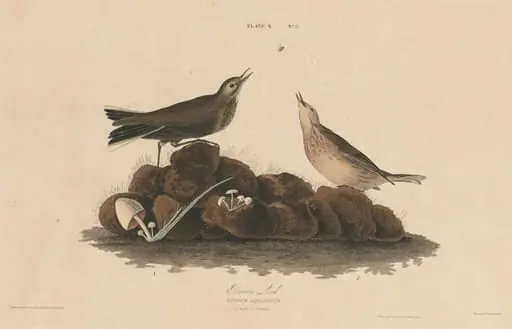
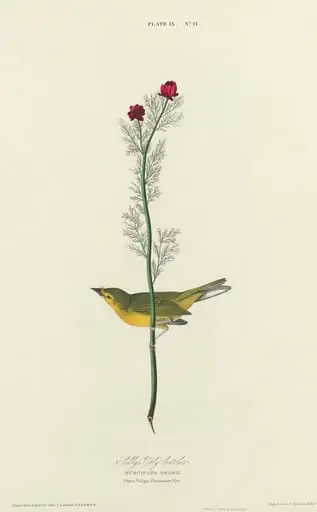
Bonaparte Fly Catcher
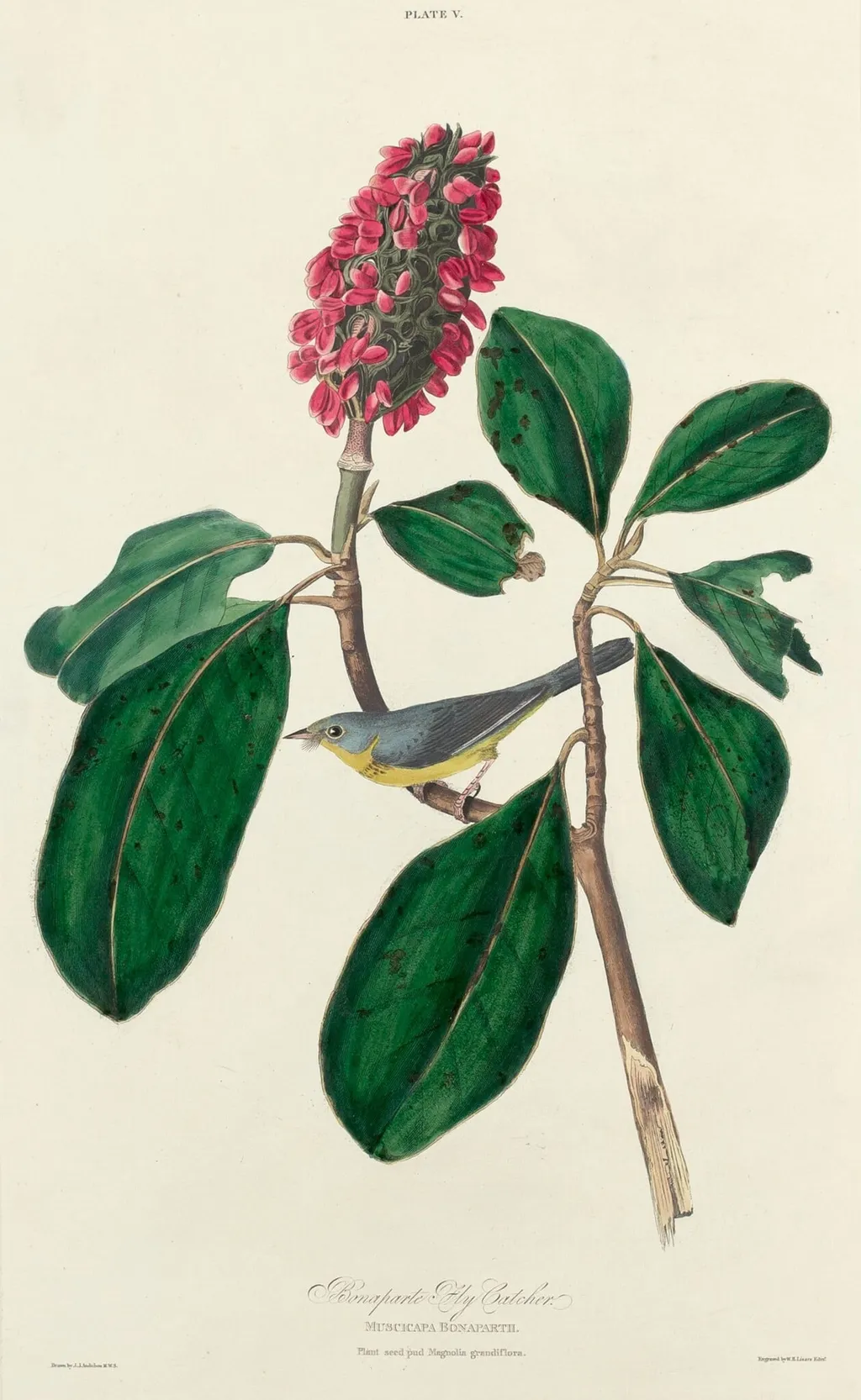
Bonaparte Fly Catcher is an ink print by the Romanticist artist William Home Lizars. It dates from 1827 and is held in the collection of the National Gallery of Art.
About this work
Overview
William Home Lizars produced the print titled Bonaparte Fly Catcher in 1827. Executed as an etched and engraved image on Whatman paper, the work is enhanced with hand‑applied color that highlights the natural subjects depicted.
Subject & Meaning
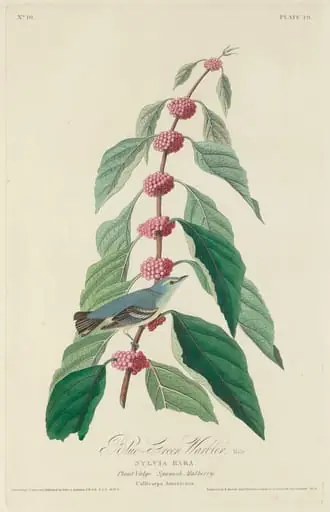
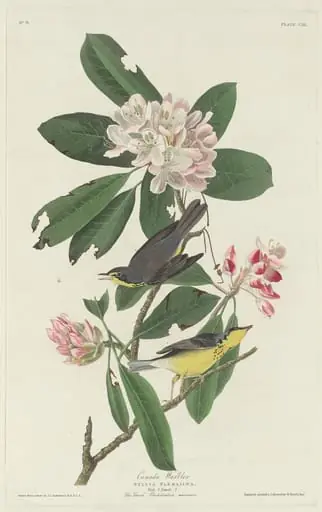
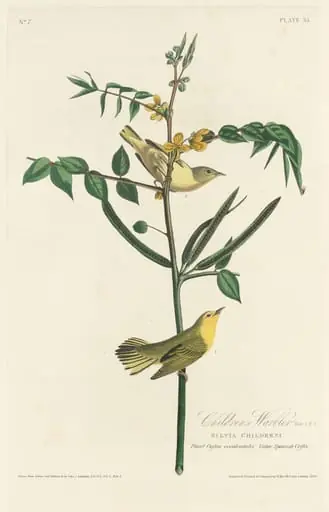
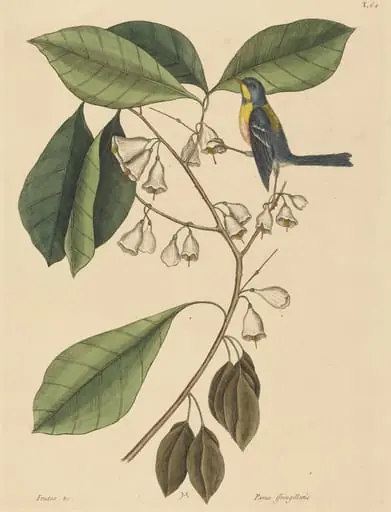
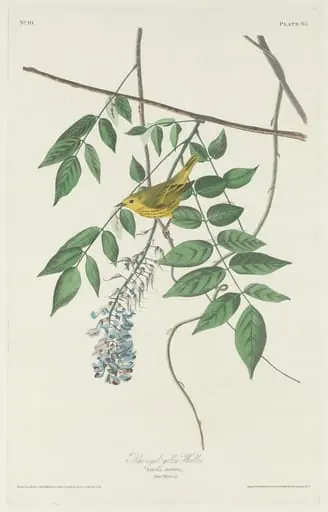
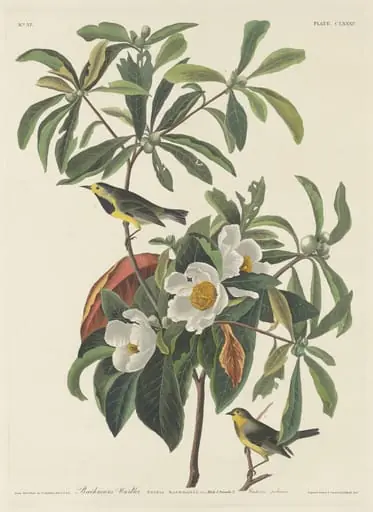
The composition presents a vivid pink flower cluster sprouting from a green, glossy branch, with a small bird perched nearby. The bird displays a yellow belly, blue‑gray back, and black beak, while the foliage consists of oval‑shaped leaves. The pairing of flora and fauna reflects the period’s interest in documenting natural specimens.
Technique & Style
Lizars combined traditional etching and engraving methods with meticulous hand coloring, a practice common in early nineteenth‑century scientific illustration. The careful application of pigment accentuates the bird’s plumage and the flower’s hue, creating a contrast between the line work and the vivid tones.
History & Provenance
Created in 1827, the print was likely intended for inclusion in contemporary natural history publications, where detailed, colored plates served educational purposes. Its survival on durable Whatman paper suggests it was produced for a specialized audience rather than mass market distribution.
Context
During the early 1800s, artists and printers frequently collaborated to supply illustrated material for botanical and ornithological texts. Lizars, an established Scottish engraver, contributed to this tradition by providing accurate, aesthetically refined images that supported scientific study.
Artist & collection