Artwork
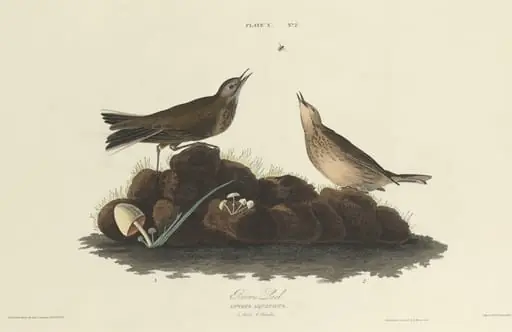
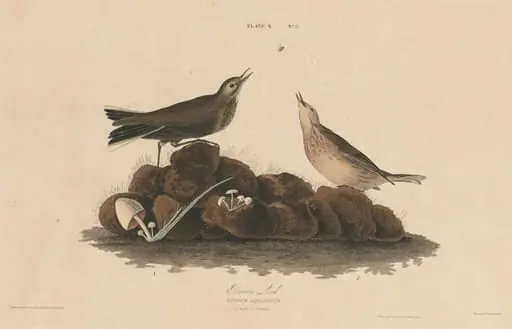
Prairie Titlark
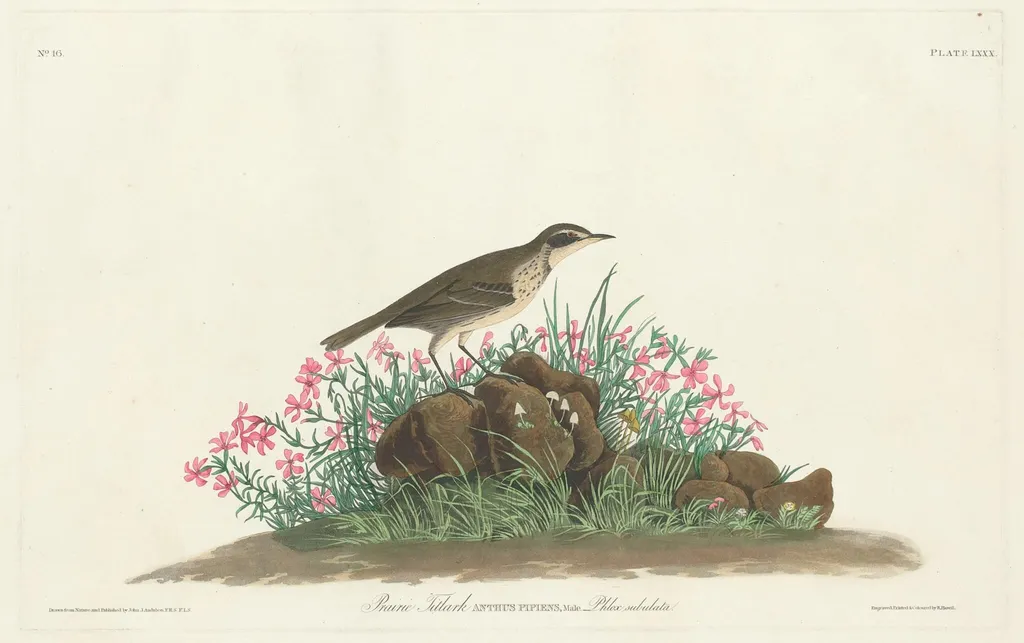
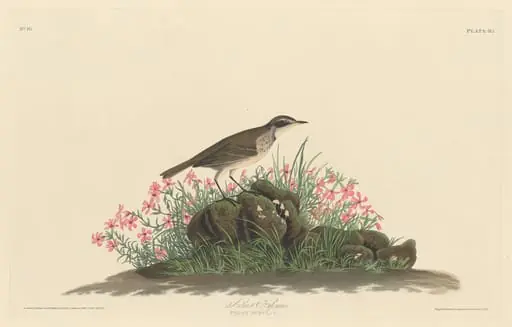
Prairie Titlark is an ink print by the Romanticist artist Robert Havell Jr.. It dates from 1836 and is held in the collection of the National Gallery of Art.
About this work
Overview
It belongs to a series of ornithological prints produced during the mid-19th century, reflecting the Havell family’s longstanding role in British printmaking.
Created in 1836 by Robert Havell Jr., *Prairie Titlark* is a hand-colored engraving and aquatint on J. Whatman paper. It belongs to a series of ornithological prints produced during the mid-19th century, reflecting the Havell family’s longstanding role in British printmaking. The work exemplifies technical precision and careful color application, hallmarks of the family’s workshop in Reading, Berkshire, which had been active in reproductive printmaking for decades.
Subject & Meaning
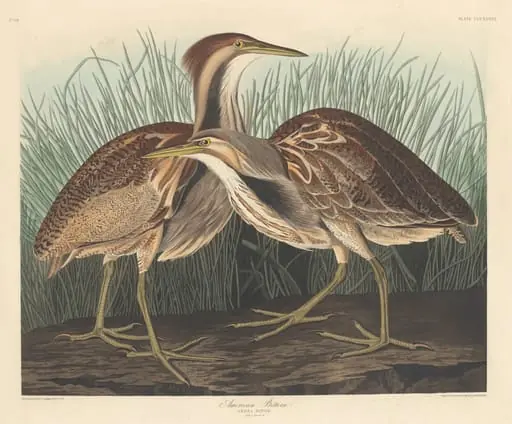
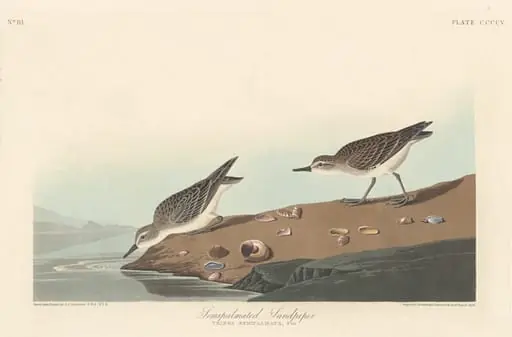
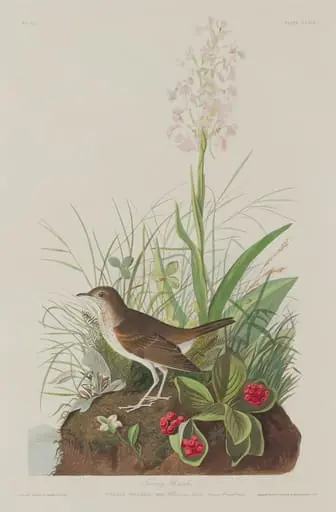
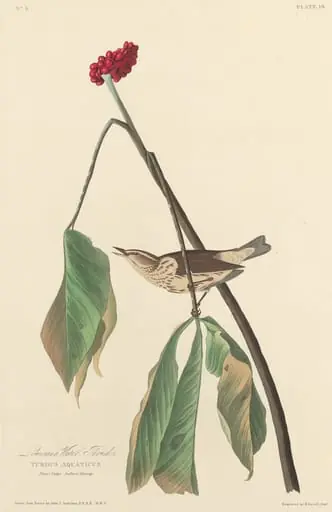
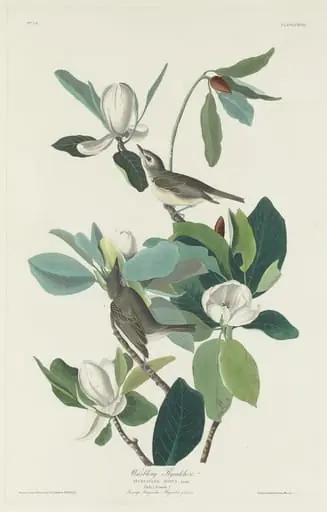
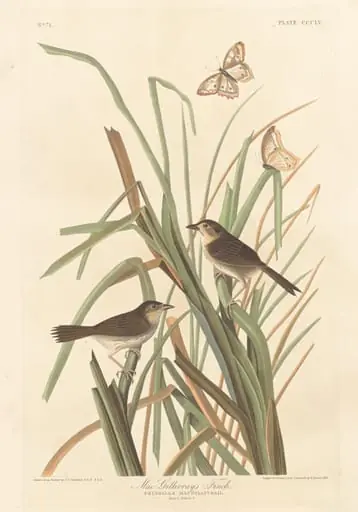
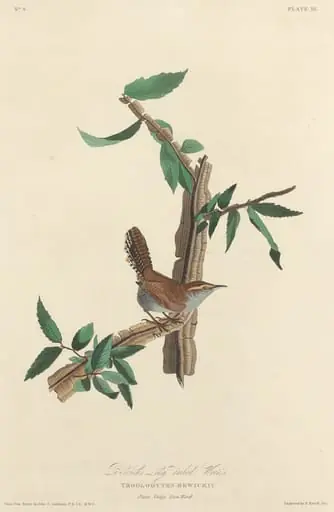
The print portrays a small bird native to North American grasslands, perched among rocks and vegetation. Its warm brown plumage, marked with pale chest feathers, is rendered with attention to naturalistic detail. The surrounding flora—pink blossoms and swaying grasses—suggests a quiet, undisturbed habitat. The image does not idealize nature but presents it as observed, aligning with scientific illustration traditions of the era while evoking a sense of place.
Technique & Style
Havell employed aquatint and engraving to achieve subtle tonal gradations, particularly in the rocks and feathers. Hand-coloring was applied with delicate washes to enhance realism without overwhelming the line work. The use of J. Whatman paper, known for its durability and texture, supported fine detail and rich pigment absorption. The composition balances botanical accuracy with atmospheric depth, avoiding theatricality in favor of quiet observation.
History & Provenance
Robert Havell Jr. inherited his craft from his father, Robert Havell the Elder, and uncle Luke Havell, both established engravers in Reading. The family had previously worked on major natural history publications, including Audubon’s *Birds of America*. *Prairie Titlark* was likely produced as part of a private or commercial series, though its exact commission remains undocumented. Its survival in good condition reflects its careful handling and the quality of materials used.
Context
In the 1830s, European audiences showed growing interest in North American wildlife, fueled by exploration and scientific documentation. Havell’s work emerged within this context, bridging ornithological study and artistic printmaking. Though influenced by Romantic ideals of nature, the image avoids sentimentality, instead contributing to a broader effort to catalog and understand the continent’s biodiversity through visual means.
Legacy
The Havell family’s prints, including *Prairie Titlark*, remain valued for their technical skill and fidelity to natural forms. While not widely exhibited today, they are held in institutional collections as important examples of 19th-century natural history illustration. The work stands as a quiet testament to the intersection of art, science, and craftsmanship during a period of expanding natural knowledge.
Artist & collection

Artist
The Havell family of Reading, Berkshire, England, included a number of notable engravers, etchers and painters, as well as writers, publishers, educators, and musicians.