Artwork
Selby's Flycatcher
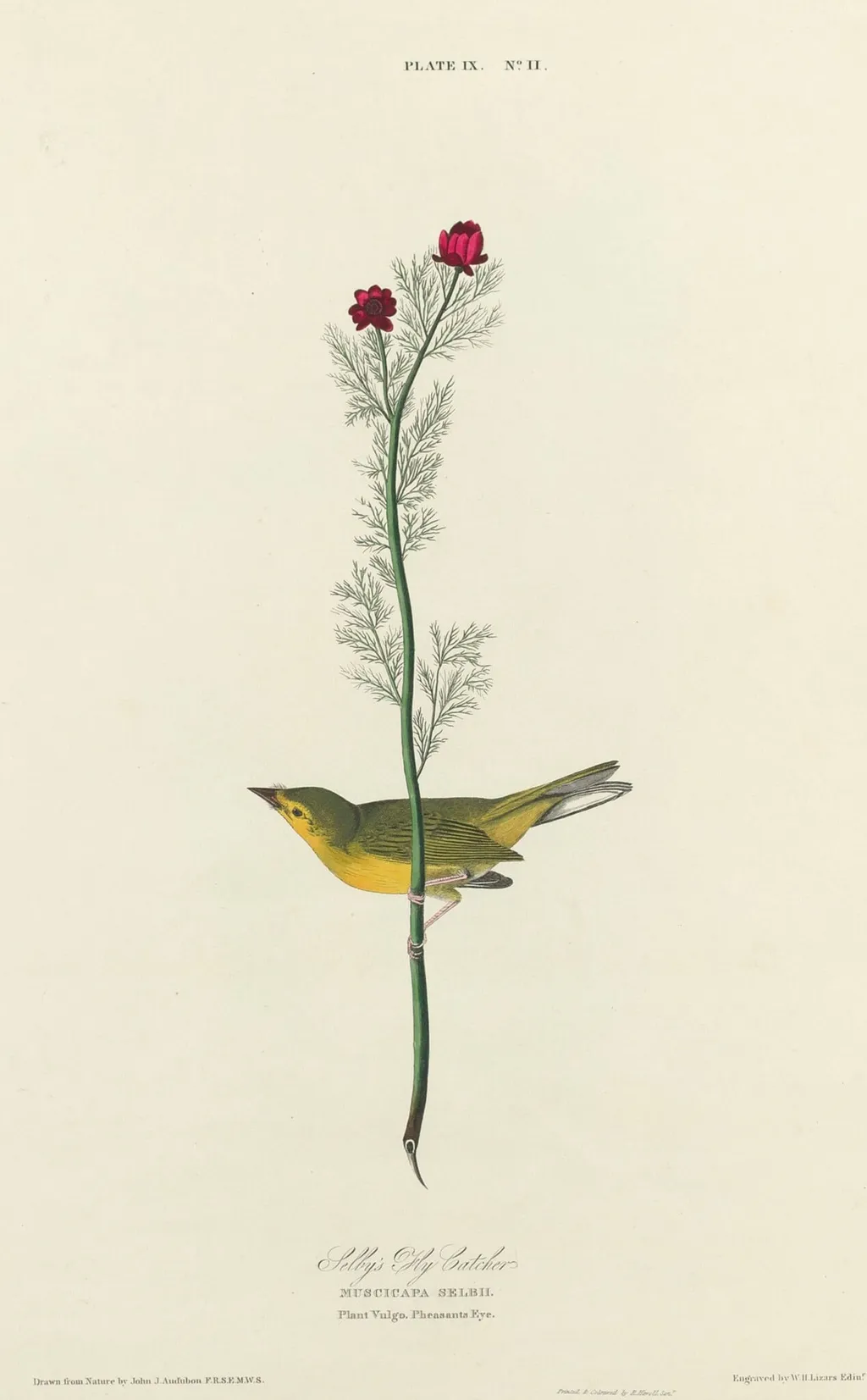
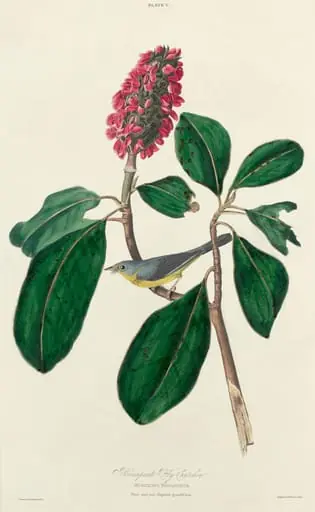
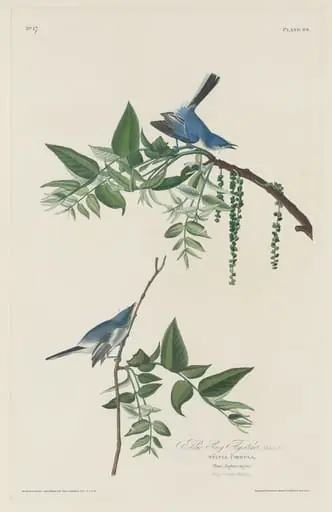
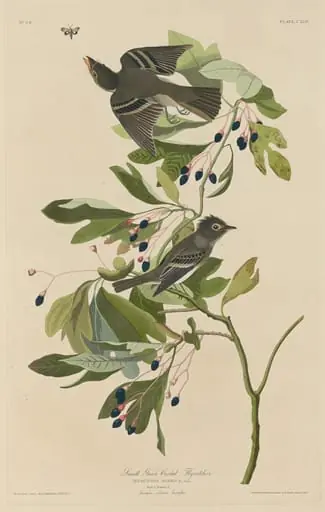
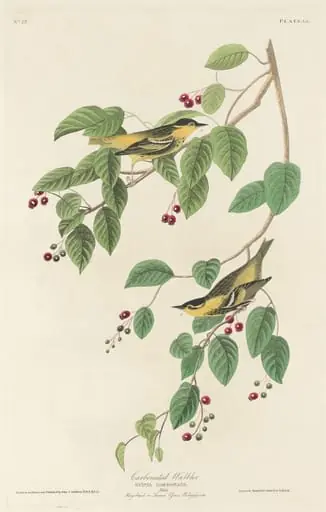
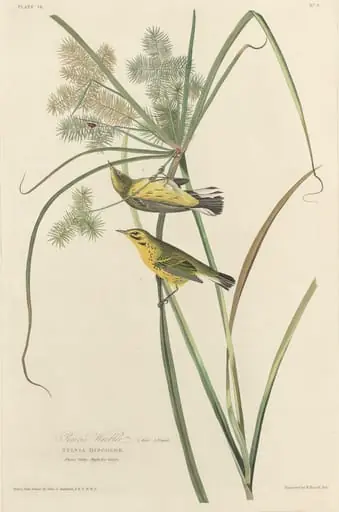
Selby's Flycatcher is an ink print by the Romanticist artist William Home Lizars. It dates from 1827 and is held in the collection of the National Gallery of Art.
About this work
Overview
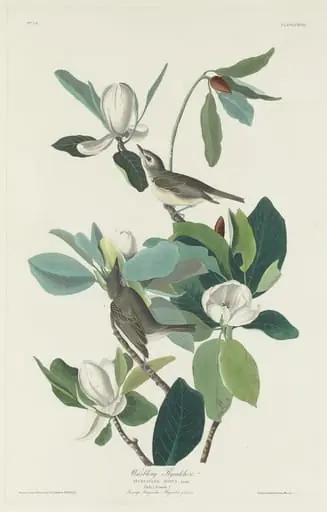
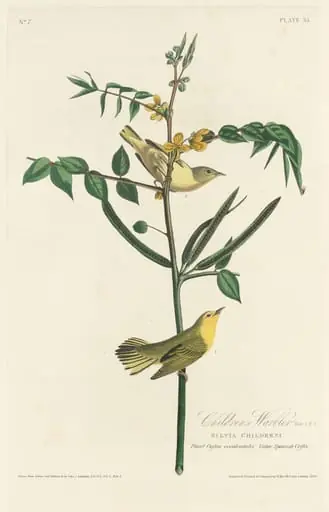
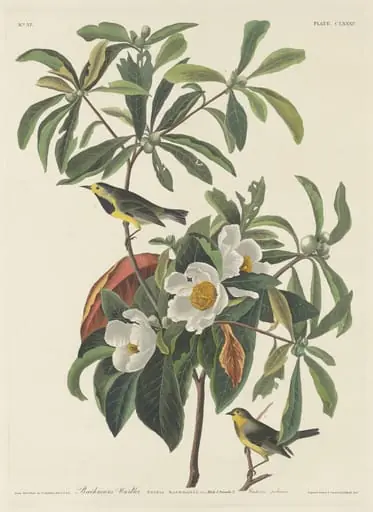
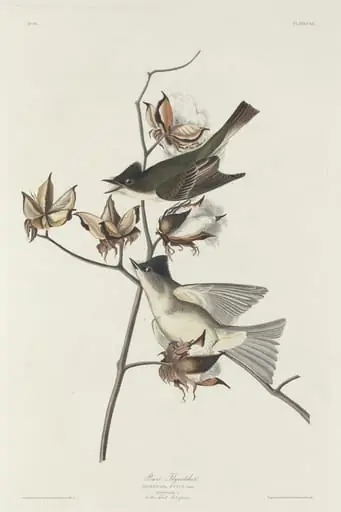
Created in 1827, this print by William Home Lizars combines etching and engraving with hand‑applied color on fine Whatman paper. The composition centers a vivid yellow‑green bird perched on a slender green stem, topped by two red blossoms with white centers, all set against an unadorned white field that isolates the subject.
Subject & Meaning
The bird is identified as Selby’s Flycatcher, a small passerine native to South America, while the accompanying foliage is labeled Pheasant’s Eye, a common name for a flowering plant. The pairing reflects a natural‑history approach, presenting the species in a simplified, almost taxonomic context rather than a narrative scene.
Technique & Style
Lizars employed a dual printmaking process: the image was first incised through etching and then refined by engraving, allowing fine line work and tonal variation. After the inked impression dried, selective areas were colored by hand, a method that preserves the precision of the print while introducing painterly detail.
History & Provenance
The work originates from the early nineteenth‑century surge in scientific illustration, when printers like Lizars supplied images for ornithological publications. Printed on high‑quality, acid‑free Whatman paper, the piece would have been distributed to collectors and scholars interested in natural history, though specific ownership records are scarce.
Context
During the 1820s, British naturalists were cataloguing exotic species from expanding colonial networks. Lizars, a prominent Scottish engraver, contributed to this effort by producing accurate yet aesthetically appealing representations that could accompany descriptive texts and aid identification.
Legacy
While not widely reproduced today, the print exemplifies the intersection of art and science in the pre‑photographic era, illustrating how hand‑colored prints served both educational and decorative purposes and influencing later natural‑history illustrators.
Artist & collection