Artwork
Moses and the Tablets of the Law, the Curse of the Withered Fig Tree, and the Widow's Mite
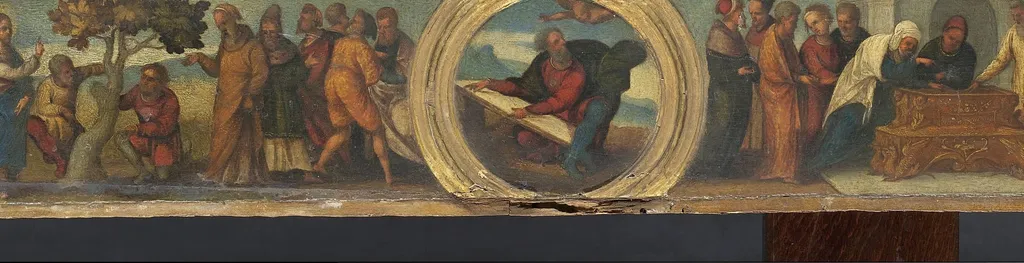
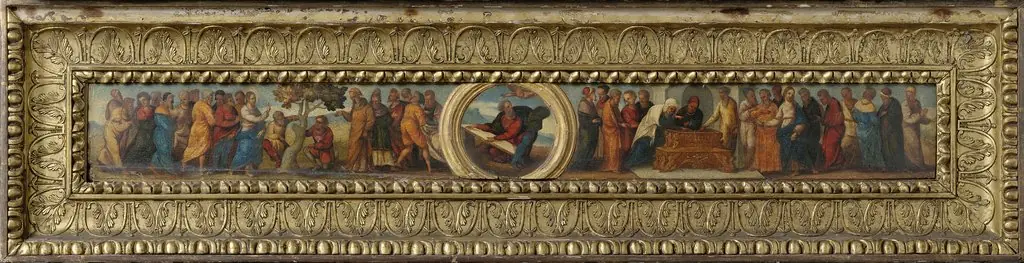
Moses and the Tablets of the Law, the Curse of the Withered Fig Tree, and the Widow's Mite is an unspecified painting by the Mannerist artist Ludovico Mazzolino. It dates from 1528 and is held in the collection of the Rijksmuseum.
About this work
Overview
The artist employs a palette of rich, jewel-like colors and elongated figures to guide the viewer's eye across the continuous narrative.
Painted in 1528 by Lodovico Mazzolino, this work depicts three distinct biblical narratives arranged horizontally across a narrow panel, a format characteristic of a predella serving as the base of a larger altarpiece. The composition is divided into three scenes: on the left, the withered fig tree stands as a symbol of spiritual barrenness; in the center, Moses holds the stone tablets of the Law, representing the covenant; and on the right, the widow casts her mite into the temple treasury. Mazzolino renders these episodes with the intricate detail and vibrant, slightly crowded spatial arrangements typical of the Ferrarese school during the High Renaissance. The artist employs a palette of rich, jewel-like colors and elongated figures to guide the viewer's eye across the continuous narrative. Created during a period when Mazzolino was refining his synthesis of Northern European detail with Italian compositional structures, the painting exemplifies his skill in condensing complex theological themes into compact, didactic formats. This specific work functions not merely as an illustration but as a cohesive visual sermon, linking the Old Testament law and judgment with New Testament lessons on faith and charity.
Subject & Meaning
Each vignette illustrates a moment of divine interaction. Moses holds the stone tablets, symbolising the covenant; the barren fig tree reflects Jesus’ pronouncement of judgment; the widow’s modest donation exemplifies self‑sacrifice and faith. Together they convey themes of law, judgment, and charity within a single visual narrative.
Technique & Style
Executed in a compact, detailed manner, the painter renders fine elements such as the cracks in the fig tree’s bark, the texture of Moses’ garments, and the humble attire of the widow. The depiction of Moses with horns follows the traditional iconography derived from early biblical translations, demonstrating the artist’s reliance on established visual conventions.
History & Provenance
The panel functioned as the base of an altarpiece, a common practice in which smaller narrative scenes supported a central, larger image above. Although the original high altar is no longer extant, the predella survives as an independent work, now part of the Rijksmuseum collection.
Context
Predellas were typical of Northern European devotional art in the late medieval and early Renaissance periods, providing viewers with a series of scriptural exempla that complemented the main altar image. The choice of these three episodes reflects a theological program that linked the Old Testament law, Christ’s teachings, and the virtue of almsgiving.
Artist & collection
Artist
Ludovico Mazzolino (1480 – c. 1528) - also known as Mazzolini da Ferrara, Lodovico Ferraresa, and Il Ferrarese - was an Italian Renaissance painter active in Ferrara and Bologna.

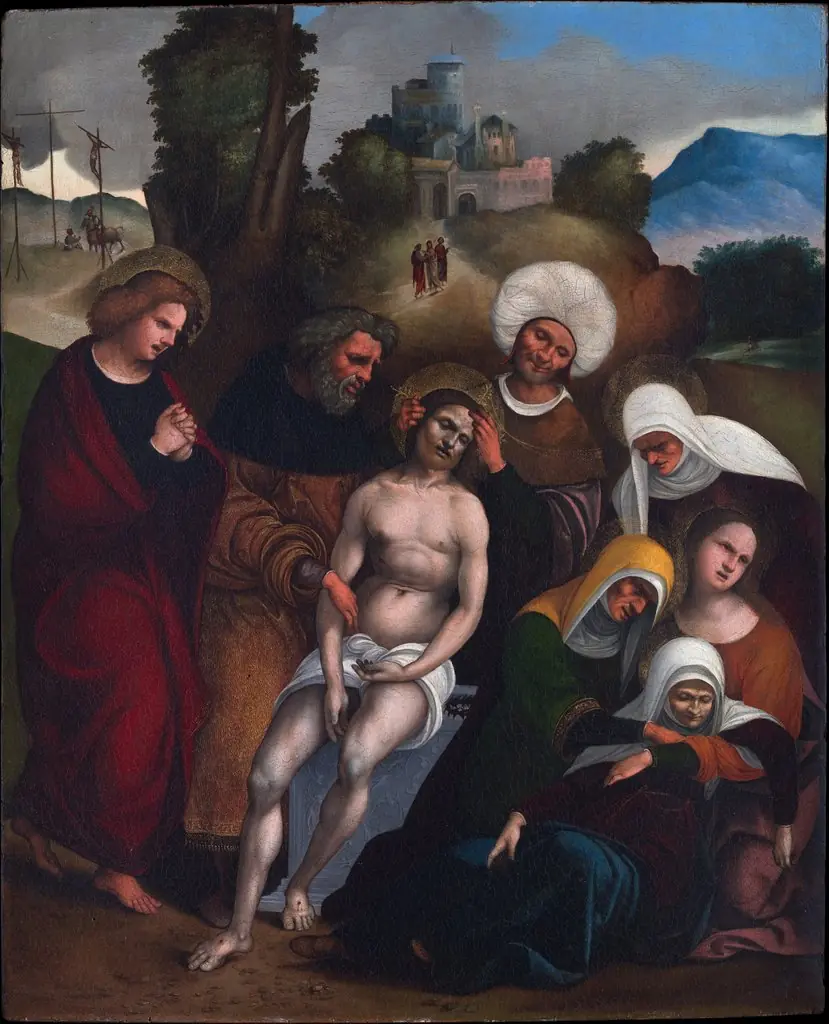
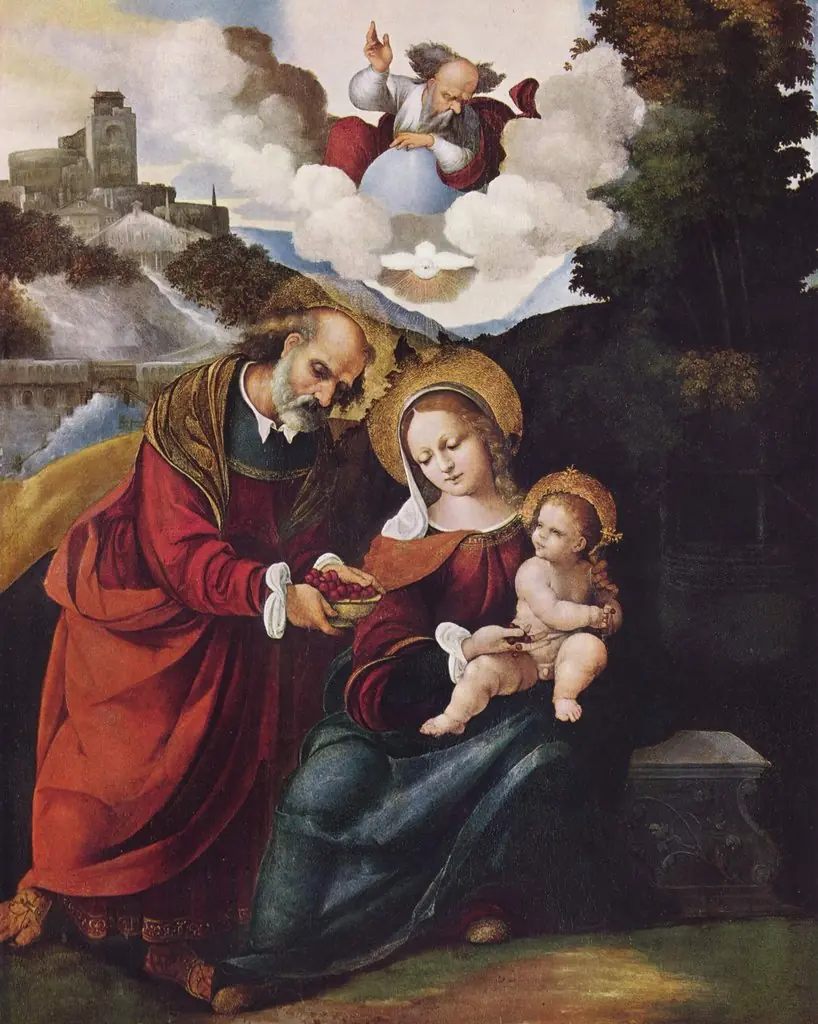
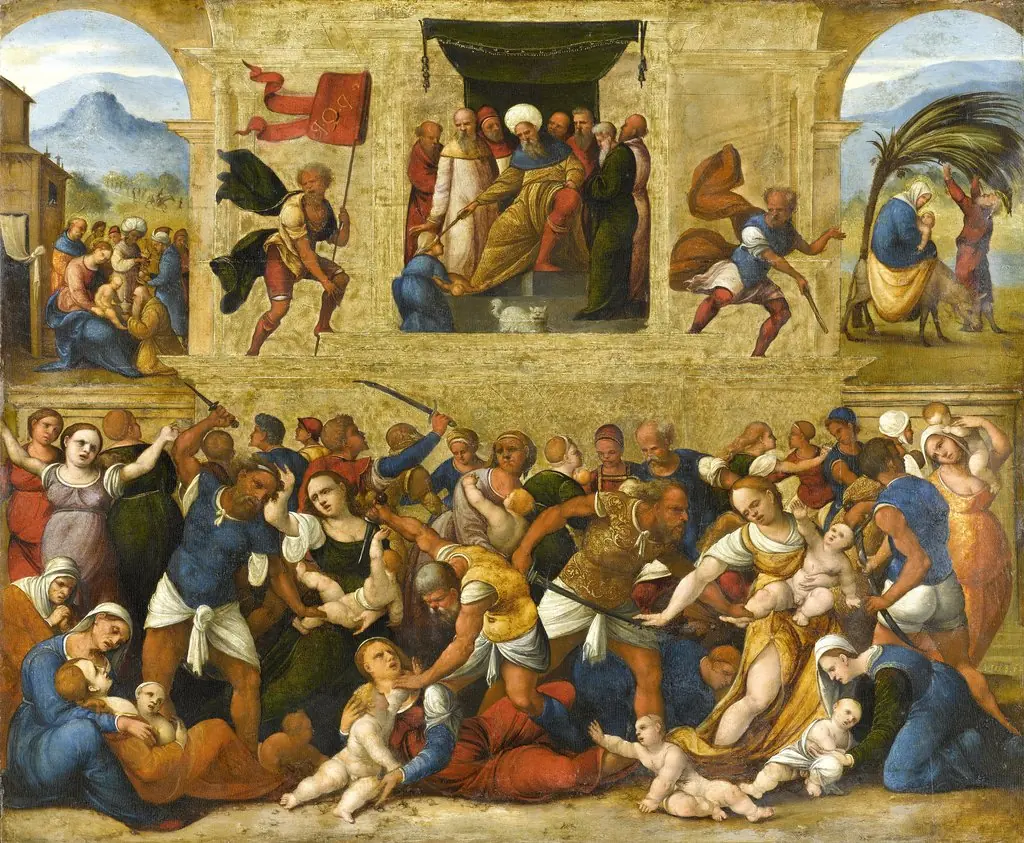
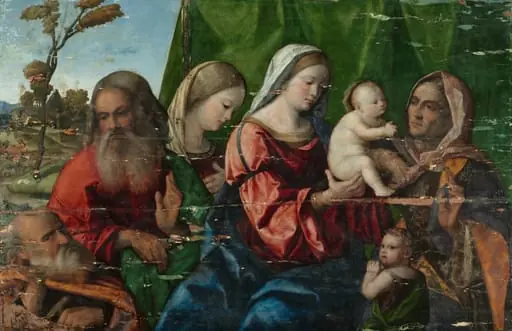 Virgin and Child with Saints
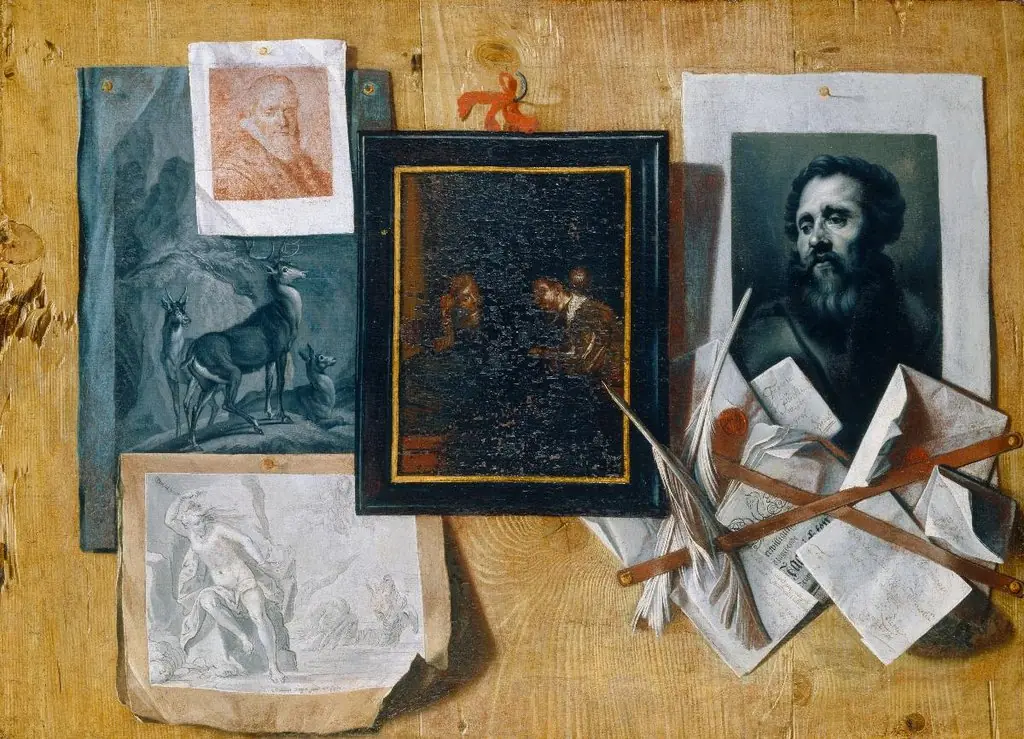 Quodlibet mit einem Gemälde, Zeichnungen, einem Schabkunstblatt und Briefen
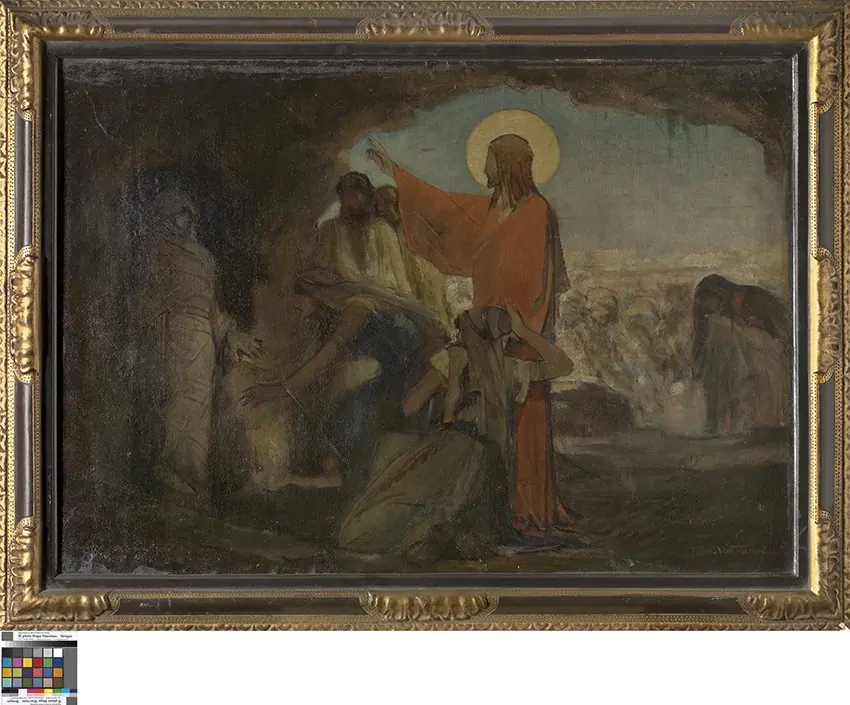 Opwekking van Lazarus
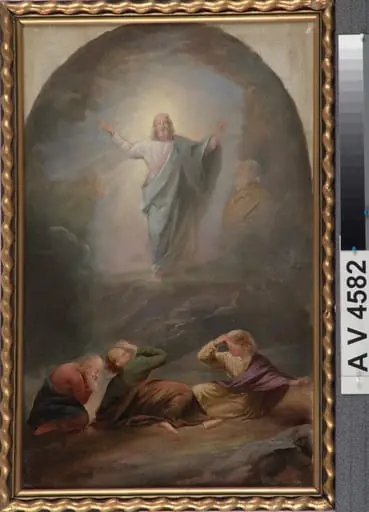 Kristuksen kirkastus, Ikaalisten kirkon alttaritaulun luonnos
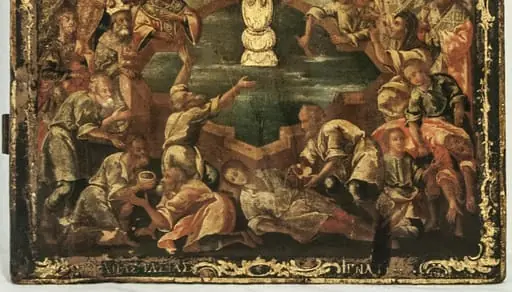 Icoa(secilă.
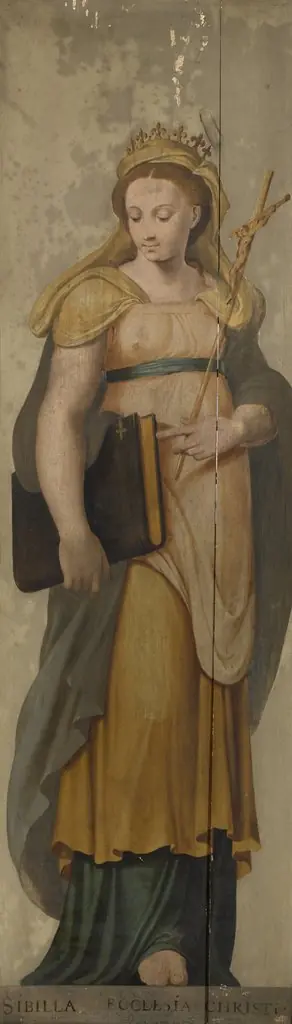 The Sibyl and the Church
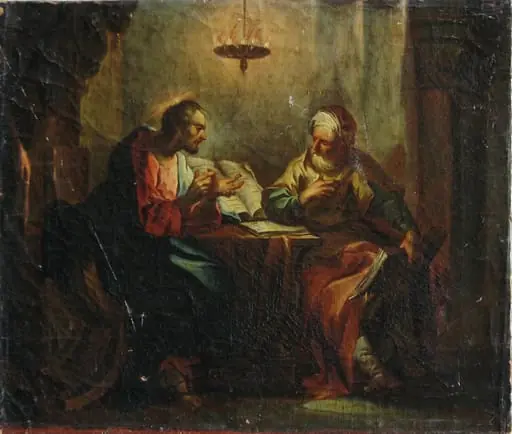 Cristos de vorbă cu Nicodim ; pandant: Cristos și samariteana
 Orpheus
 The Widow's Offering
 Pyhän Katariinan kihlaus, kopio
 Sfântul Ieronim