Artwork
Arthur Jackson, Ejected Divine
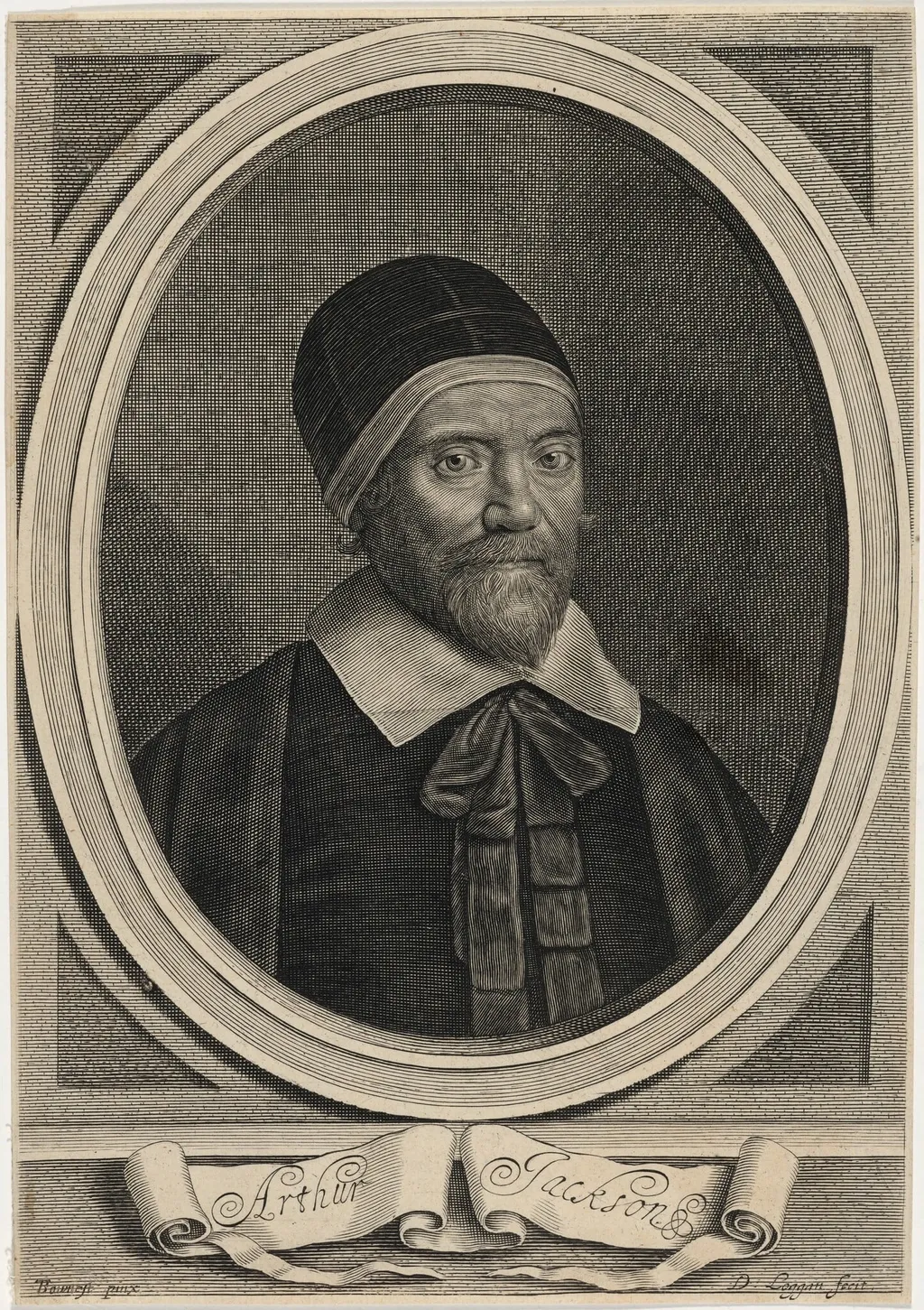
Arthur Jackson, Ejected Divine is an ink print by the Baroque artist David Loggan. It dates from 1668 and is held in the collection of the National Gallery of Art.
About this work
Overview
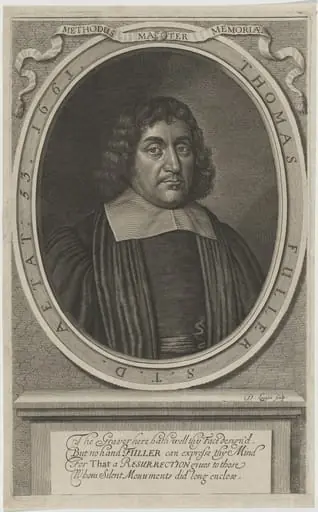
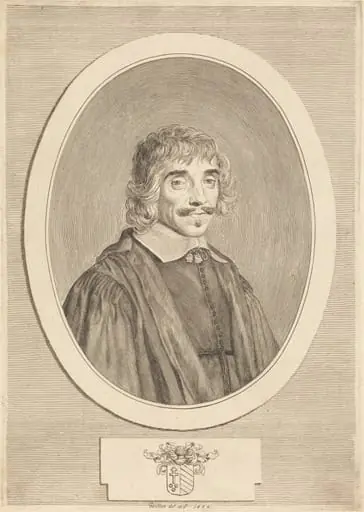
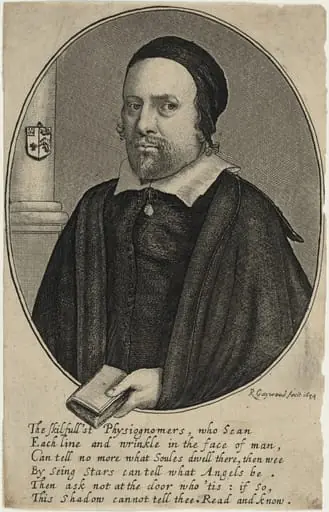
David Loggan’s 1668 engraving titled *Arthur Jackson, Ejected Divine* presents a solitary figure rendered in meticulous line work. The print captures a solemn, middle‑aged man in clerical attire, set against a dark background that isolates his visage and emphasizes his dignified bearing.
Subject & Meaning
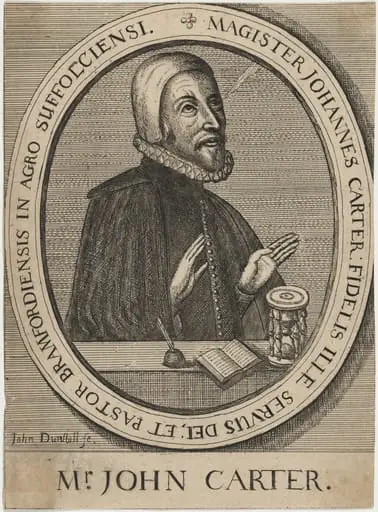
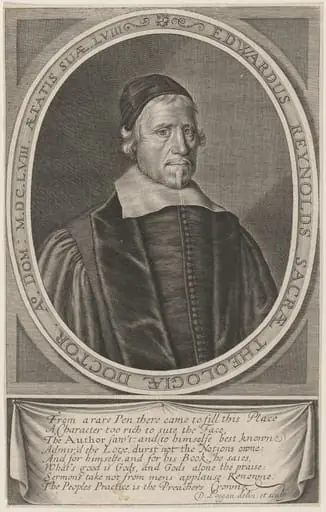
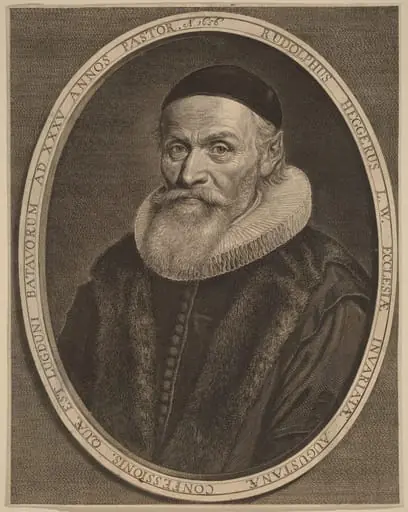
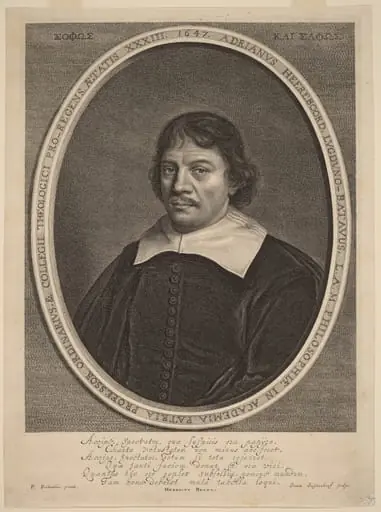
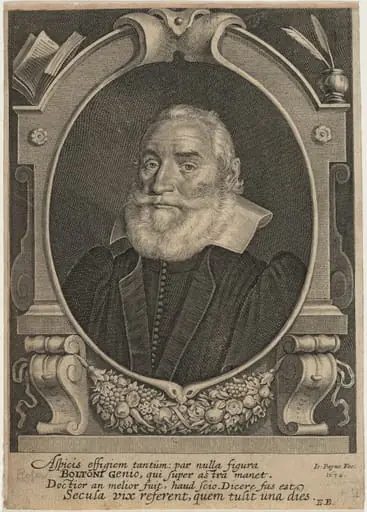
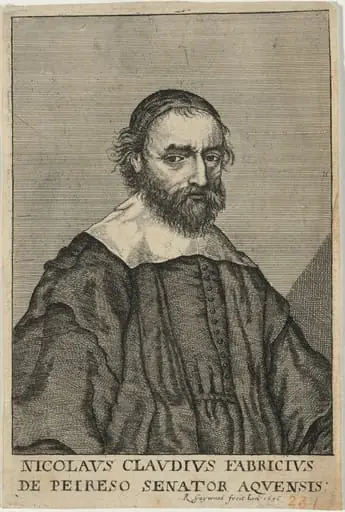
The portrait depicts a bearded gentleman dressed in a black robe, white collar and dark tie, his gaze directed straight at the viewer. The furrowed brow and restrained expression convey a sense of authority and perhaps the gravity of his ejection from ecclesiastical office, suggested by the title.
Technique & Style
Loggan employs fine cross‑hatching and layered shading to model the facial features and the folds of the robe, creating depth within the limited tonal range of the engraving. The oval light area surrounding the head and shoulders serves as a subtle spotlight, enhancing the three‑dimensional illusion while maintaining a restrained, realistic aesthetic.
History & Provenance
Created in 1668, the print is part of Loggan’s broader body of portraiture documenting notable English figures of the mid‑seventeenth century. Though specific ownership records are scarce, the work has circulated among collections of early modern British prints and is referenced in catalogues of Loggan’s oeuvre.
Context
The engraving emerges from a period of religious and political upheaval in England, when clergy could be removed from their positions for doctrinal or political reasons. By portraying Arthur Jackson with solemn dignity, Loggan reflects contemporary attitudes toward the displaced clergy, framing them as respectable yet fallen figures.
Legacy
Loggan’s precise line work and attention to facial detail have influenced later British printmakers who sought to combine documentary accuracy with expressive portraiture. The image remains a valuable visual record of seventeenth‑century clerical dress and the personal gravitas associated with ecclesiastical authority.
Artist & collection