Artwork
The Virgin adoring the Child
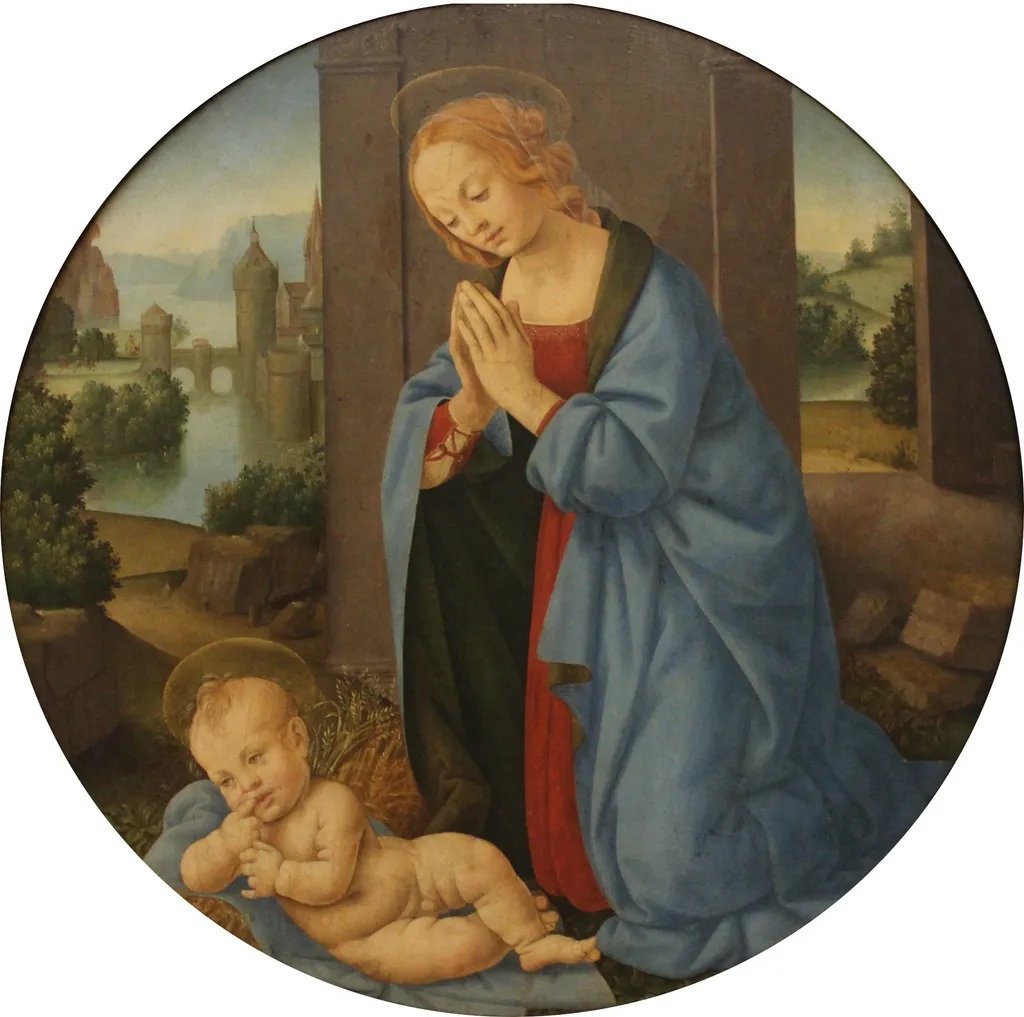
The Virgin adoring the Child is a paint painting by the Early Renaissance artist Lorenzo di Credi. It dates from 1490 and is held in the collection of the Gemäldegalerie Berlin.
About this work
Overview
The work reflects his commitment to the Florentine tradition of devotional imagery, balancing spiritual solemnity with delicate naturalism.
Lorenzo di Credi painted *The Virgin adoring the Child* circa 1490 in Florence, using tempera on panel. A pupil of Andrea del Verrocchio, he absorbed the workshop’s emphasis on refined draftsmanship and quiet emotional restraint. The work reflects his commitment to the Florentine tradition of devotional imagery, balancing spiritual solemnity with delicate naturalism. It remains in the Gemäldegalerie Berlin, where it is valued for its understated grace and technical precision.
Subject & Meaning
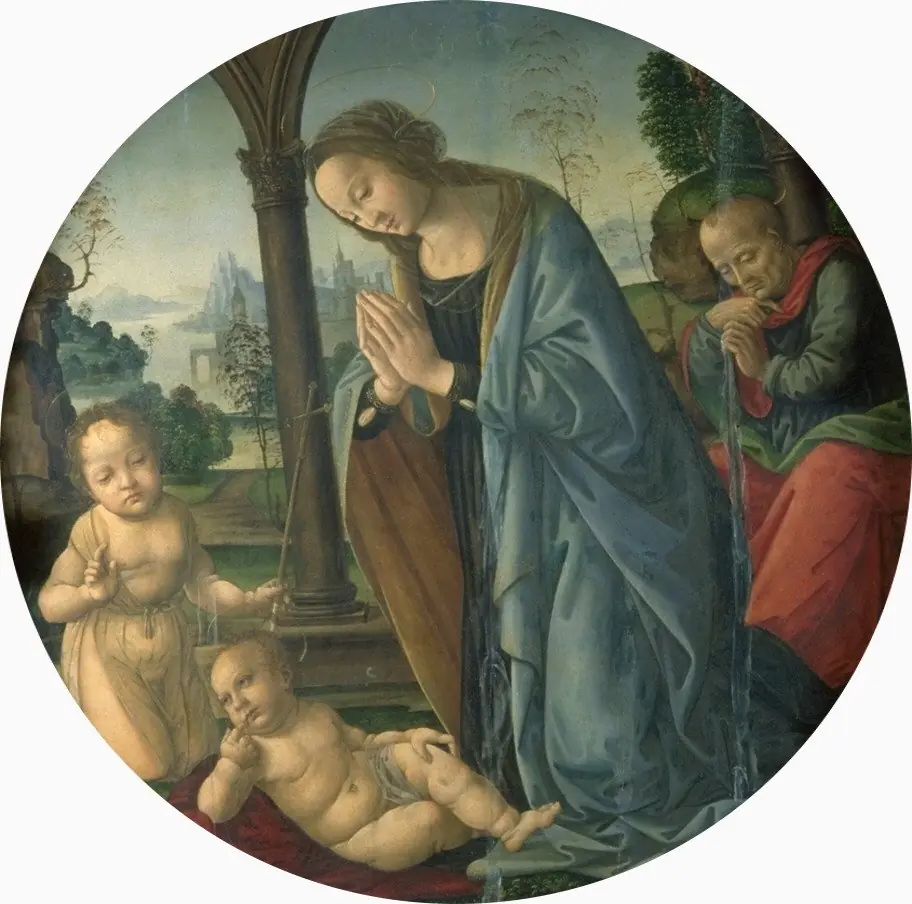
The painting portrays the Virgin Mary in a moment of private contemplation, kneeling before the infant Christ, who lies swaddled beside her. Her downward gaze and clasped hands convey deep reverence rather than overt celebration. The presence of halos affirms their sacred status, while the absence of other figures focuses attention on the intimate bond between mother and child. This composition invites quiet meditation, aligning with late 15th-century devotional practices that emphasized personal piety.
Technique & Style
Di Credi employed tempera to achieve smooth, luminous surfaces and precise contours. The Virgin’s blue mantle and red undergarment are rendered with subtle tonal shifts, enhancing volume without heavy modeling. Soft chiaroscuro defines the forms gently, avoiding dramatic contrasts. The landscape background, rendered with delicate brushwork, recedes into hazy distance, reinforcing the scene’s stillness. His technique reflects the lingering influence of Verrocchio’s workshop and the early Renaissance preference for clarity over emotional intensity.
History & Provenance
The painting entered the collection of the Gemäldegalerie Berlin in the 19th century, likely through acquisitions from German noble collections. Its attribution to Lorenzo di Credi has been consistently supported by stylistic analysis and documentary evidence linking it to his Florentine period. No major alterations or restorations are recorded, preserving its original surface and composition. Its survival in good condition reflects careful stewardship over centuries.
Context
Created during the height of Florentine Renaissance humanism, the work reflects a shift toward intimate, emotionally restrained religious imagery. While contemporaries like Leonardo explored dynamic expression, di Credi favored calm, contemplative scenes suited to private devotion. The painting aligns with devotional practices in convents and domestic chapels, where images like this served as aids to prayer. Its quiet tone contrasts with the more theatrical altarpieces of the period.
Legacy
Though less celebrated than his peers, Lorenzo di Credi’s work exemplifies the enduring value of measured, meticulous artistry in Renaissance Florence. *The Virgin adoring the Child* influenced later devotional painting through its emphasis on serenity and compositional clarity. It remains a key example of how workshop traditions were sustained beyond the era of Leonardo and Michelangelo, preserving a quieter, more introspective strand of Renaissance spirituality.
Artist & collection

Artist
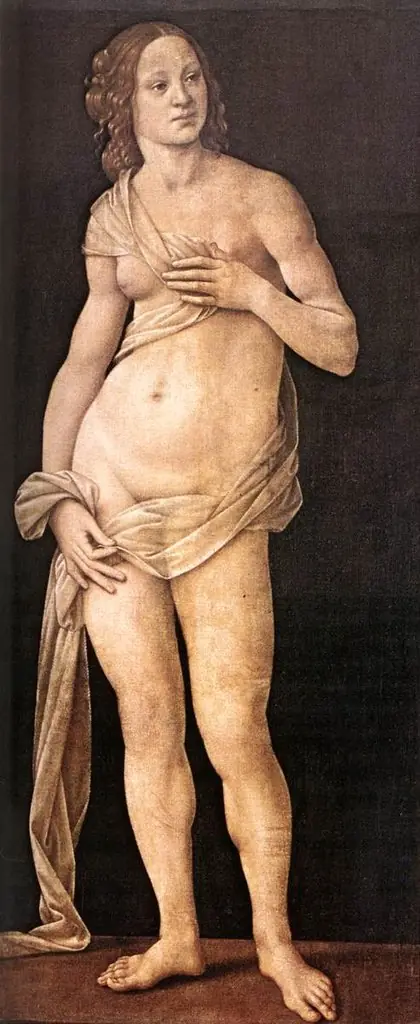
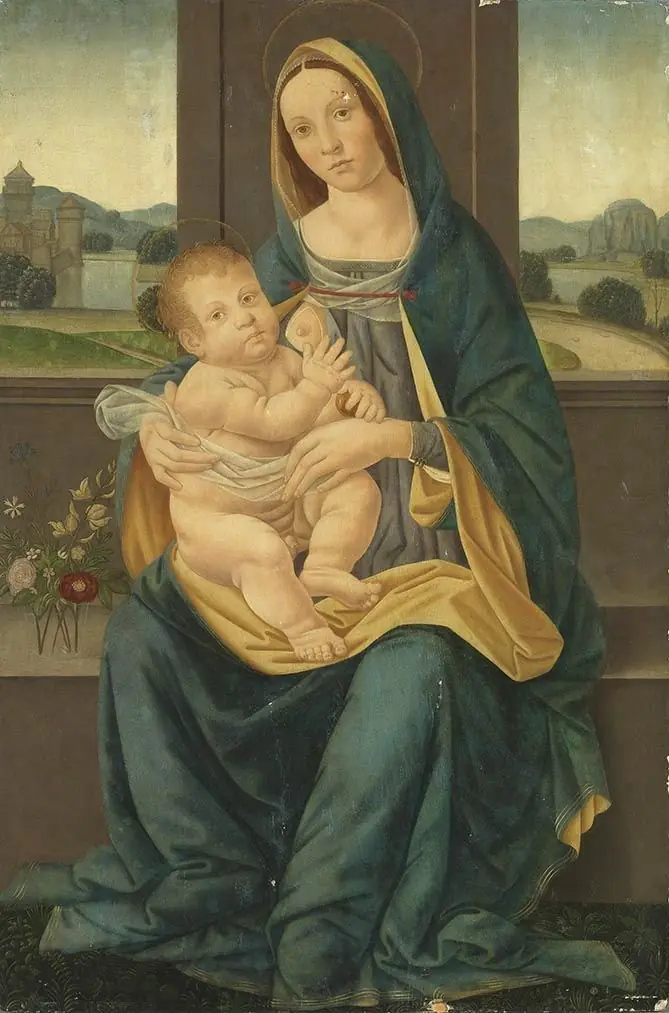
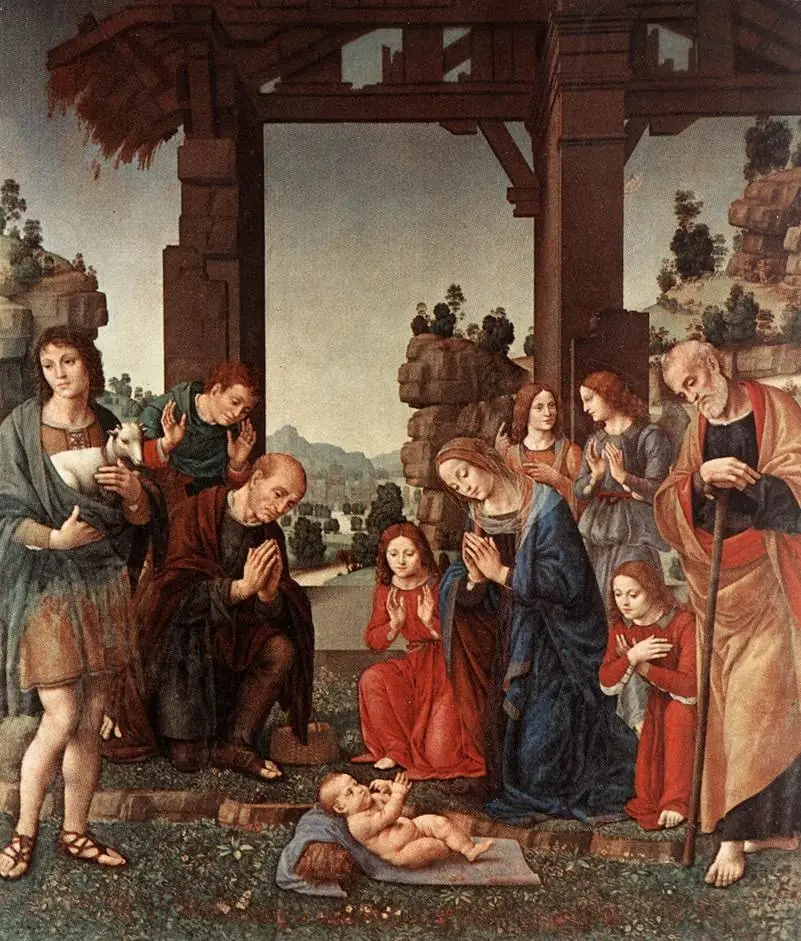
Lorenzo di Credi (1456/59 – January 12, 1537) was an Italian Renaissance painter and sculptor best known for his paintings of religious subjects, and portraits.

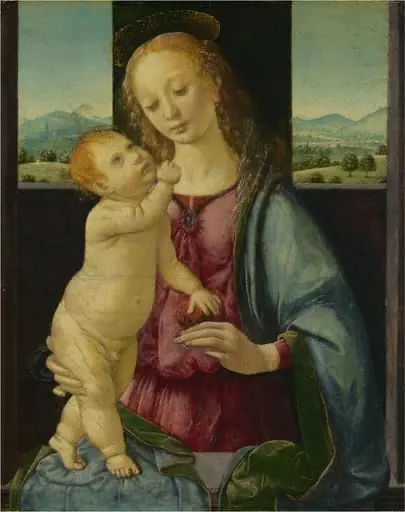
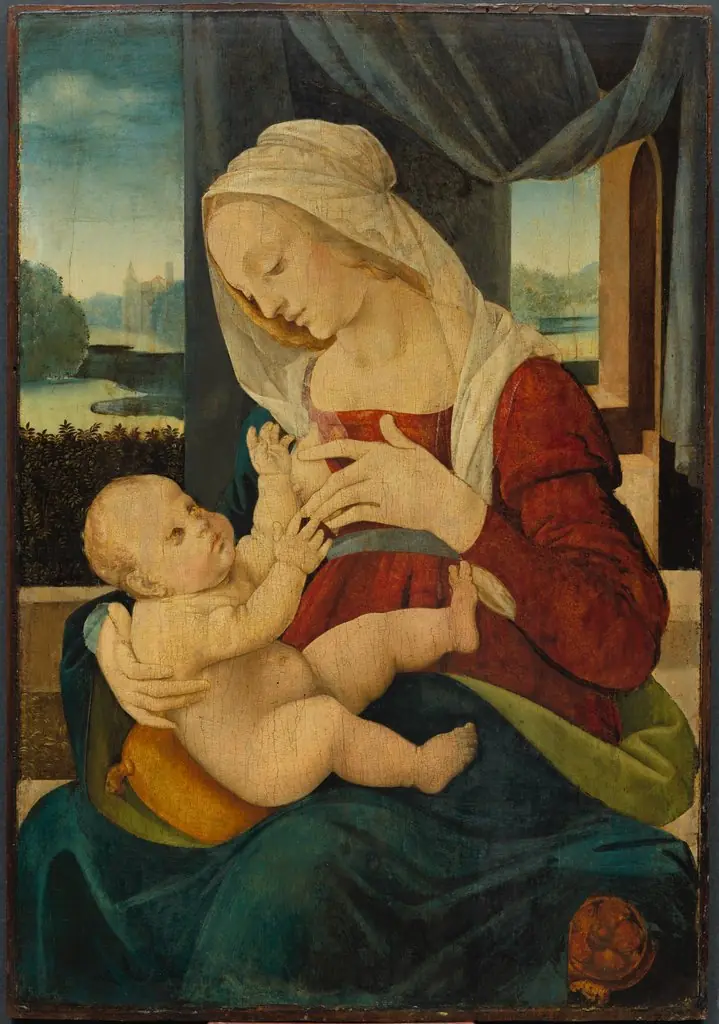
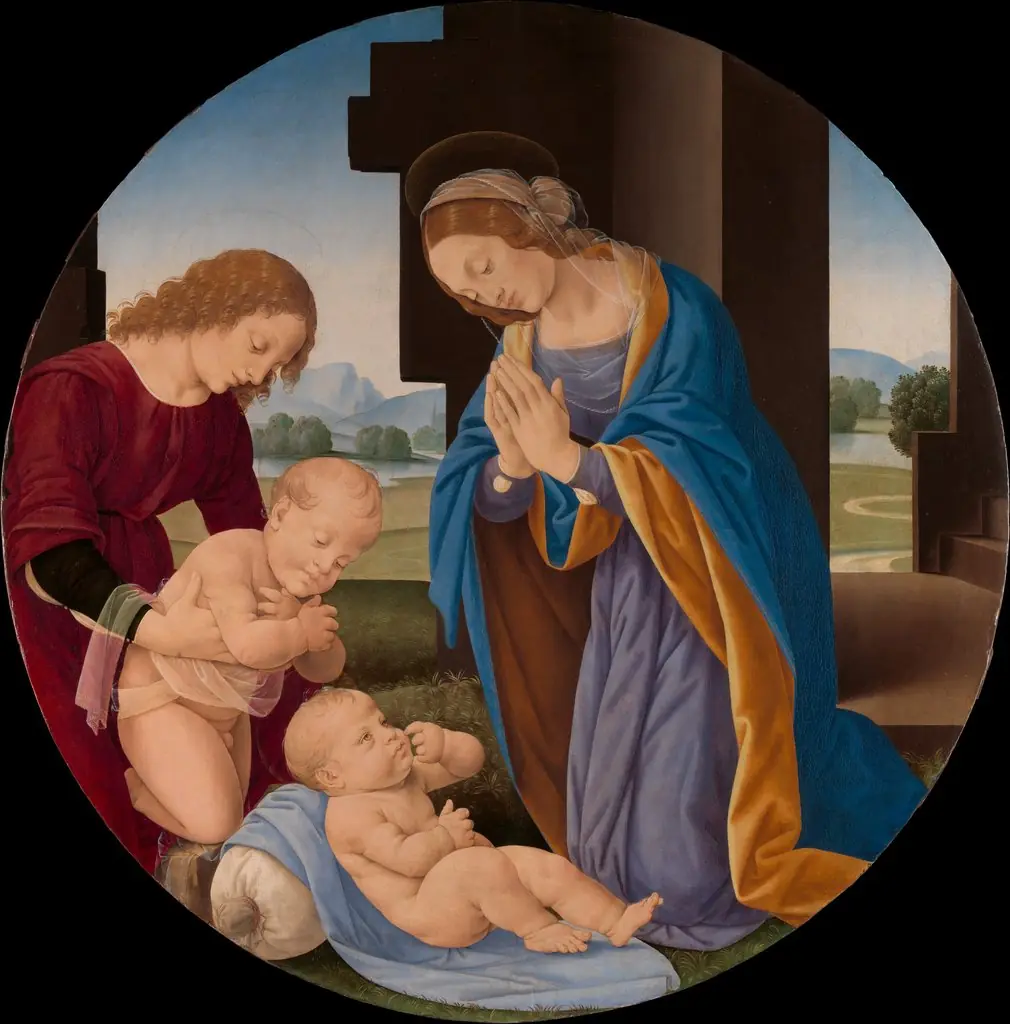
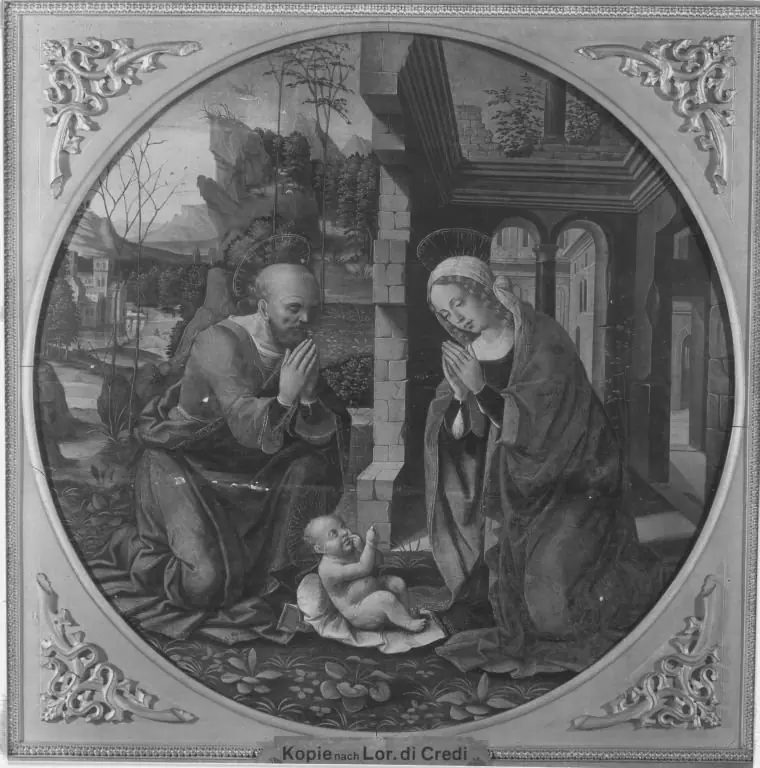
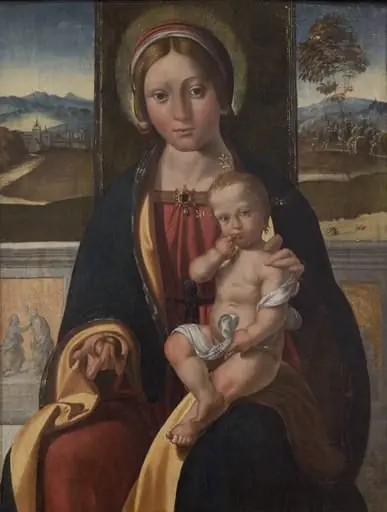 The Virgin and Child
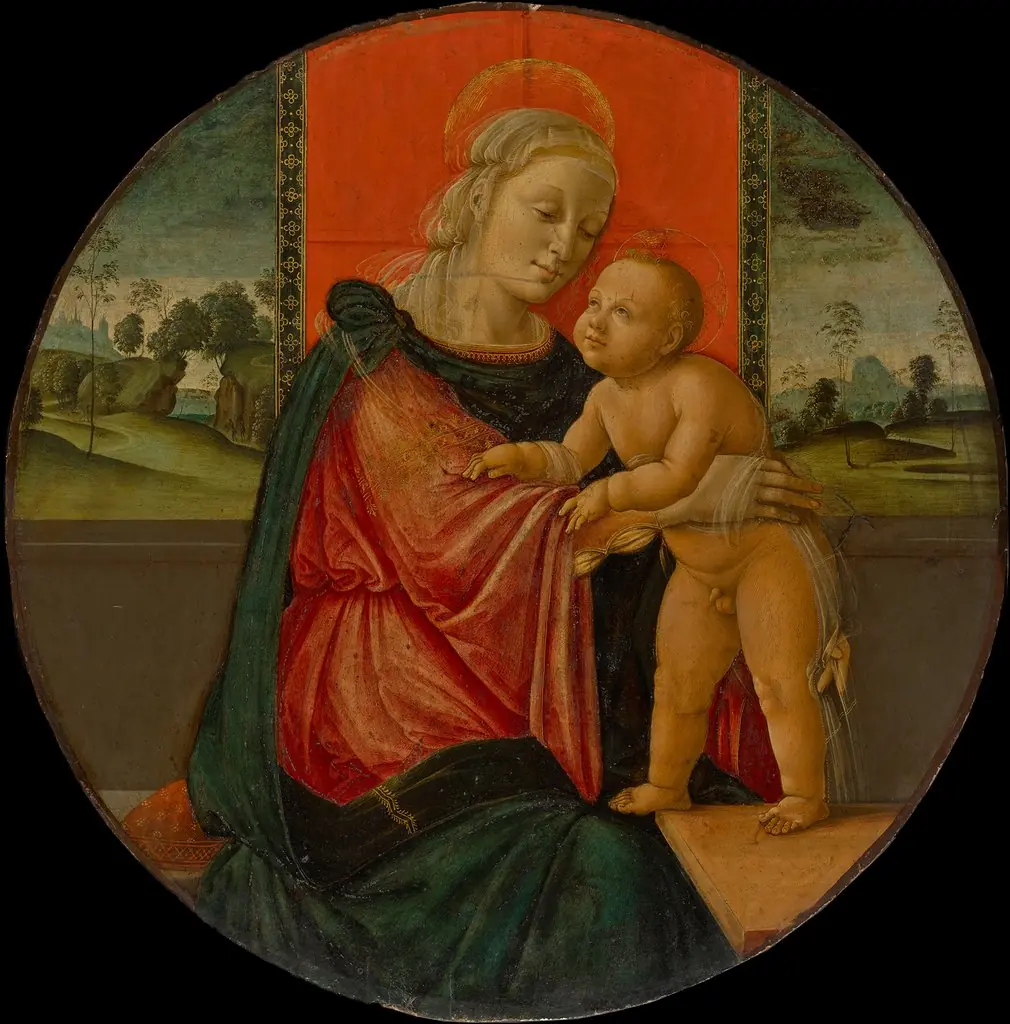 The Virgin and Child
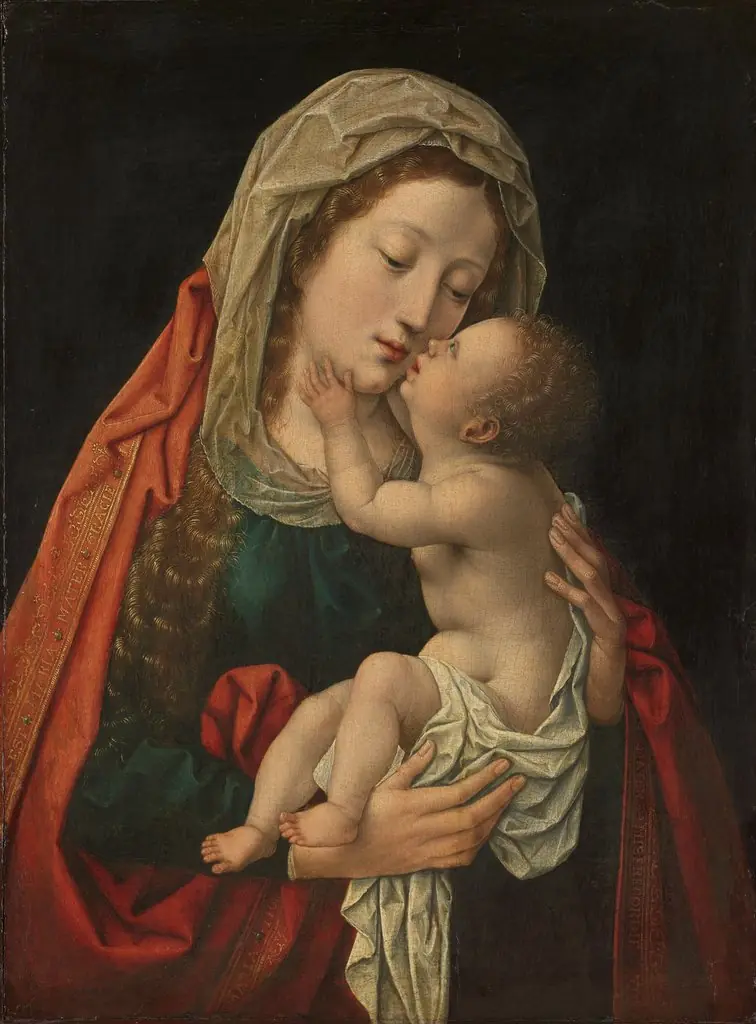 The Virgin and Child
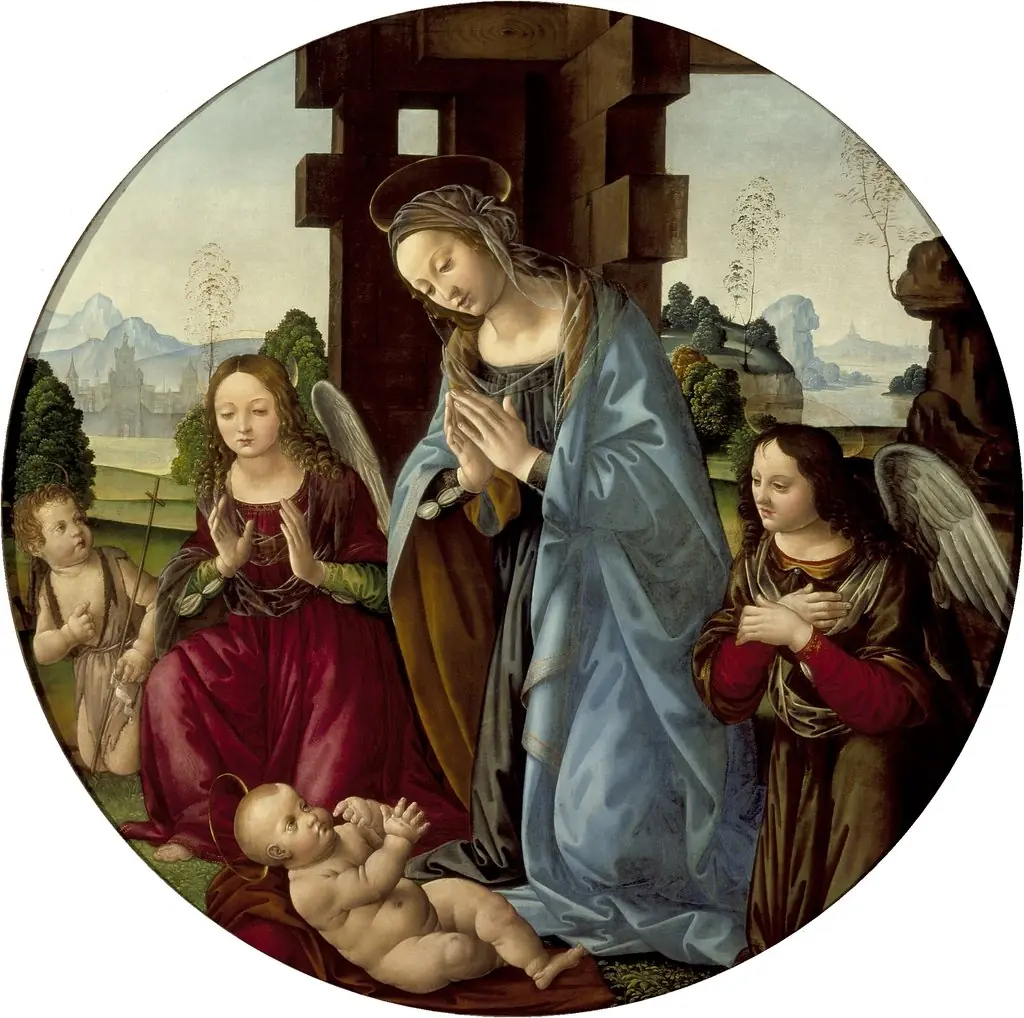 Virgin Adoring the Christ Child with St. John the Baptist and Two Angels
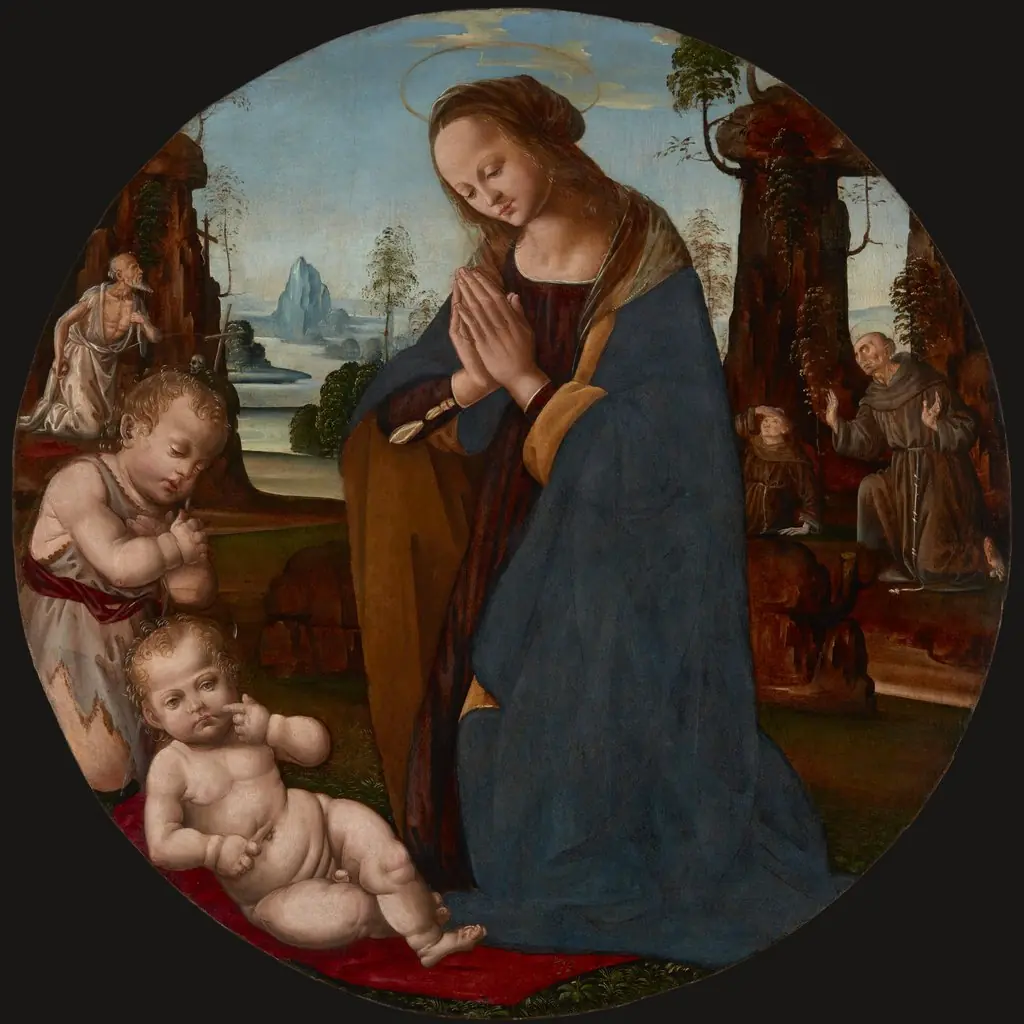 Adoration of the Child with Young St John the Baptist – Tondo
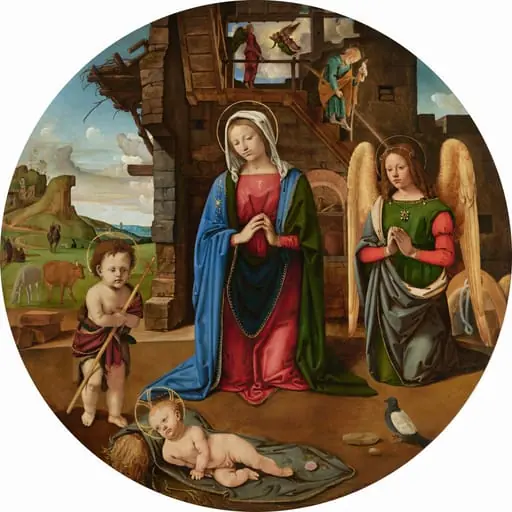 The Nativity with the Infant Saint John
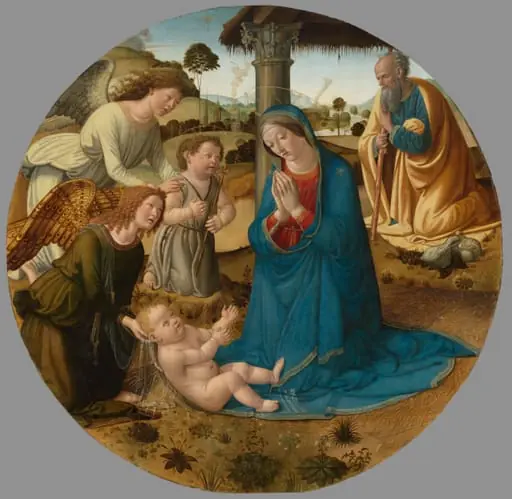 De aanbidding van het Christuskind
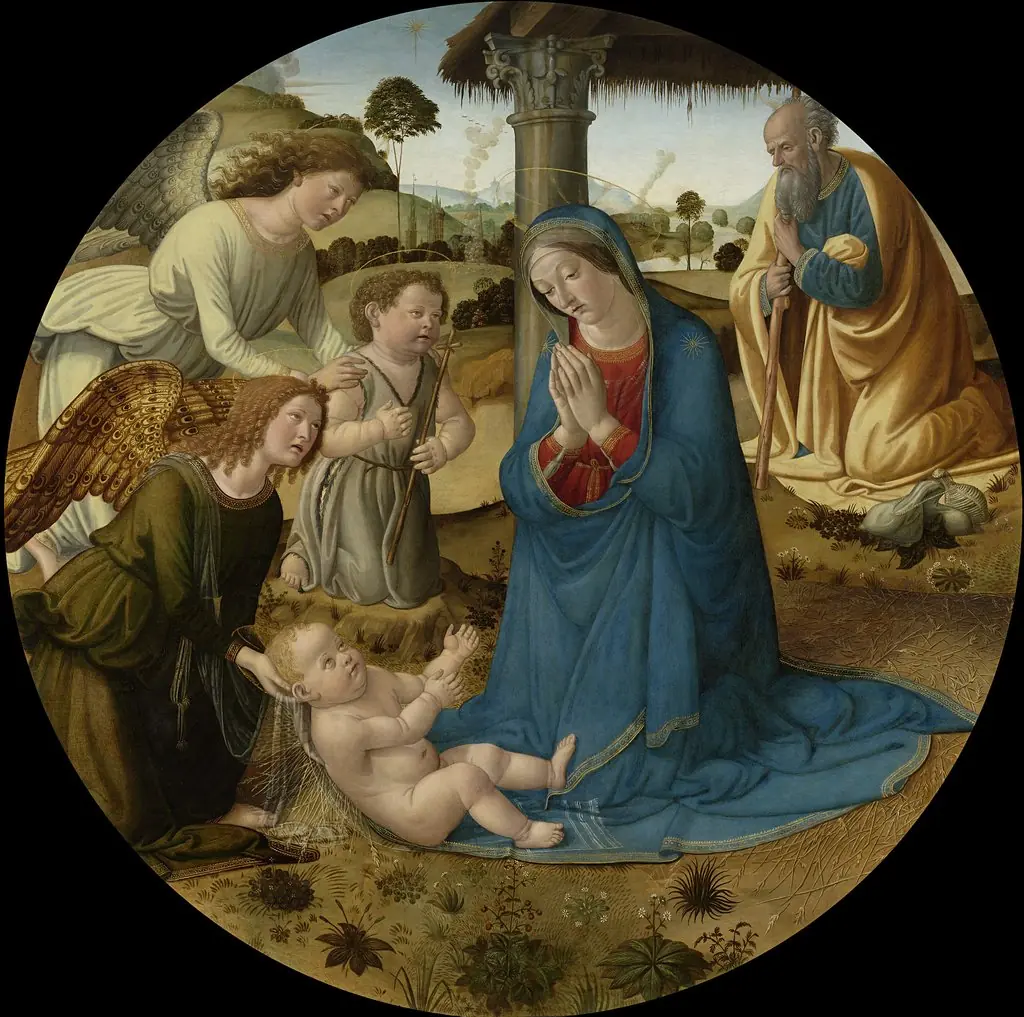 The Adoration of the Christ Child
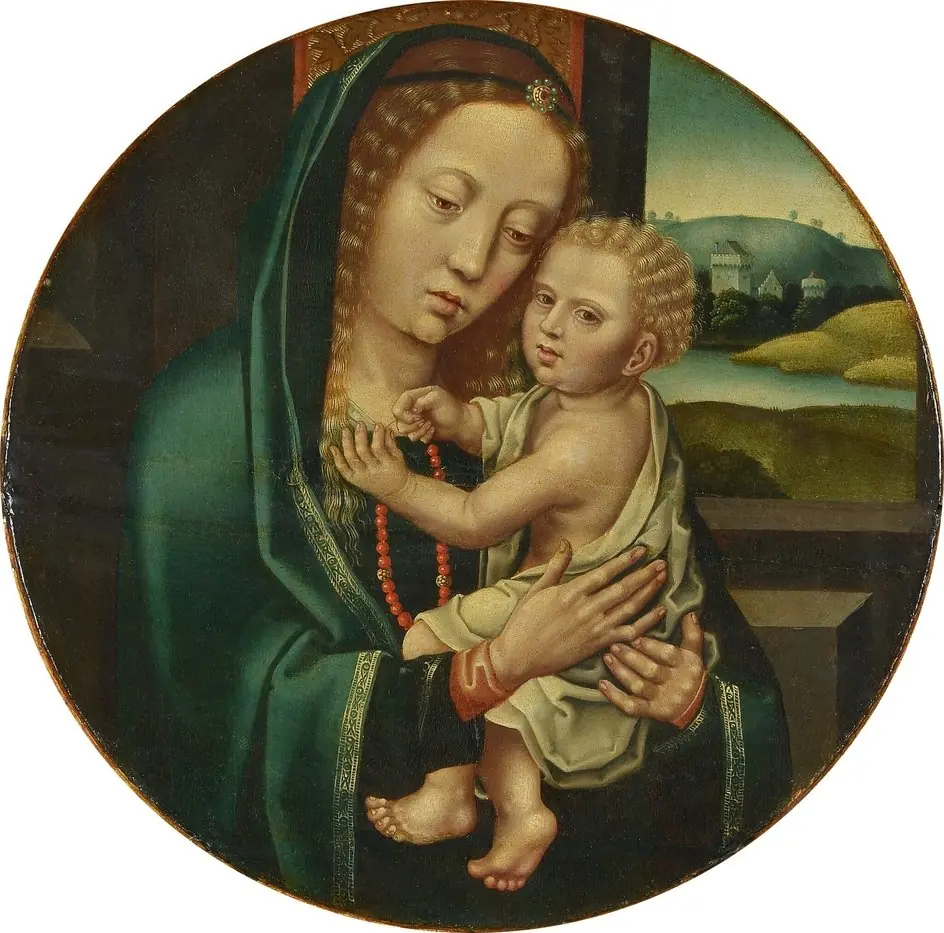 The Virgin and Child
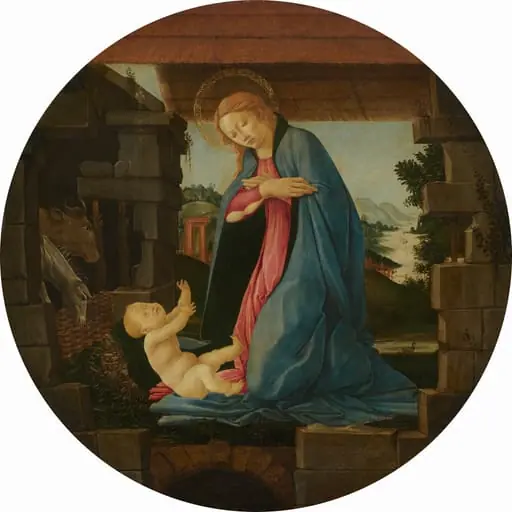 The Virgin Adoring the Child