Artwork
The Judgment of Paris
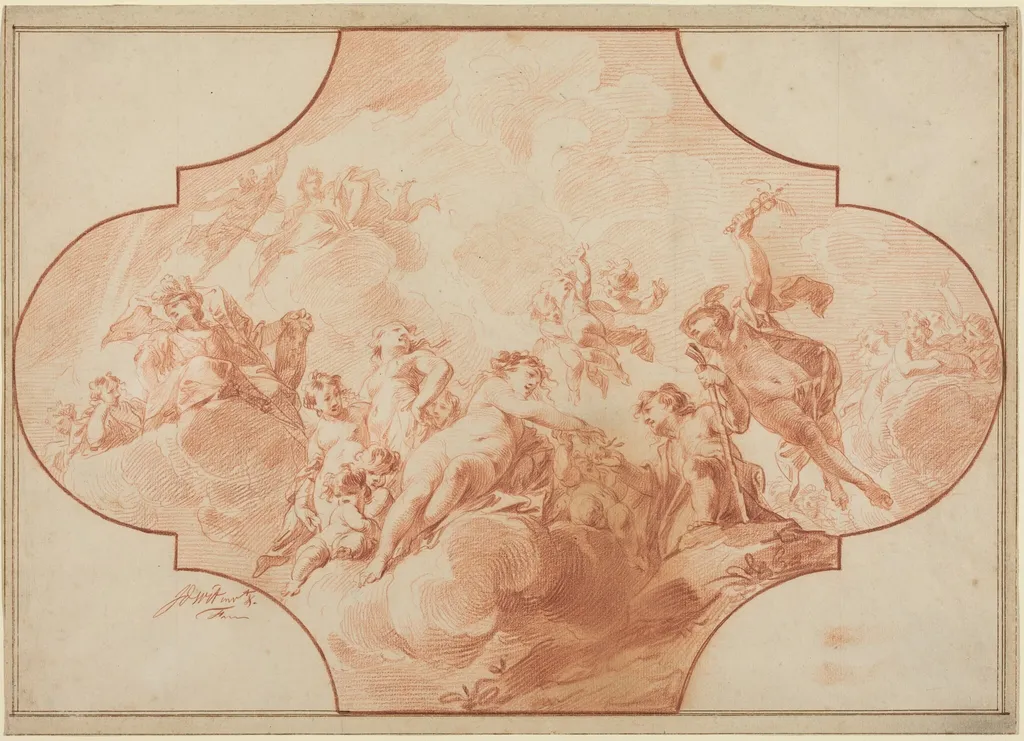
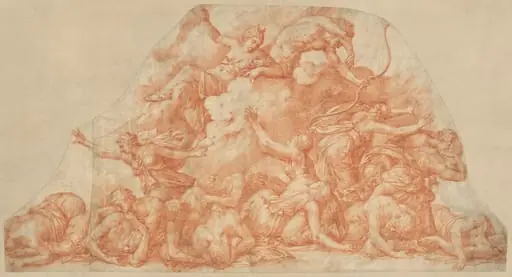
The Judgment of Paris is a chalk drawing by the Baroque artist Jacob de Wit. It dates from 1731 and is held in the collection of the National Gallery of Art.
About this work
Overview
Created around 1731 by Dutch artist Jacob de Wit, this red chalk drawing depicts the mythological scene of the Judgment of Paris.
Created around 1731 by Dutch artist Jacob de Wit, this red chalk drawing depicts the mythological scene of the Judgment of Paris. Executed on laid paper, it exemplifies de Wit’s mastery of linear draftsmanship and his engagement with classical narratives. Though primarily known for decorative interiors and religious compositions, this work stands as a focused study in figure grouping and movement, rooted in the Dutch Golden Age tradition of preparatory drawing.
Subject & Meaning
The drawing illustrates the moment when Paris, a mortal prince, is asked to award a golden apple to the most beautiful goddess among Hera, Athena, and Aphrodite. The central figures—three nude women and a male figure holding the apple—are surrounded by a swirling assembly of attendants and putti, suggesting divine intervention and competing claims. The scene draws from Greek myth, emphasizing themes of desire, judgment, and consequence.
Technique & Style
De Wit employed soft, fluid red chalk to capture dynamic poses and subtle tonal shifts. The lines are rapid and expressive, with smudged areas enhancing volume and depth. Figures are arranged in a compact, almost chaotic composition within a shield-like format, typical of preparatory studies. The loose handling suggests spontaneity, yet the anatomical precision reveals careful observation and technical control.
History & Provenance
The drawing originates from de Wit’s active period in Amsterdam, where he produced numerous designs for ceilings and wall decorations. While the exact provenance before modern collections is undocumented, its condition and medium align with works created as studies for larger commissions. It reflects the 18th-century Dutch practice of refining narrative compositions through rapid, intimate drawings.
Context
Situated within the Baroque tradition, the drawing embraces theatricality and emotional intensity through its crowded composition and dramatic gestures. Though Dutch art of the era often favored quiet realism, de Wit’s work channels the ornamental energy of continental Baroque, blending classical subject matter with the decorative sensibilities of his interior design practice.
Legacy
This drawing exemplifies how Dutch artists of the early 18th century sustained engagement with classical mythology through skilled draftsmanship. It preserves a transitional moment between preparatory study and monumental decoration, offering insight into the working methods of artists who bridged fine art and applied design. Its survival underscores the value placed on drawing as both exercise and artistic record.
Artist & collection
Artist
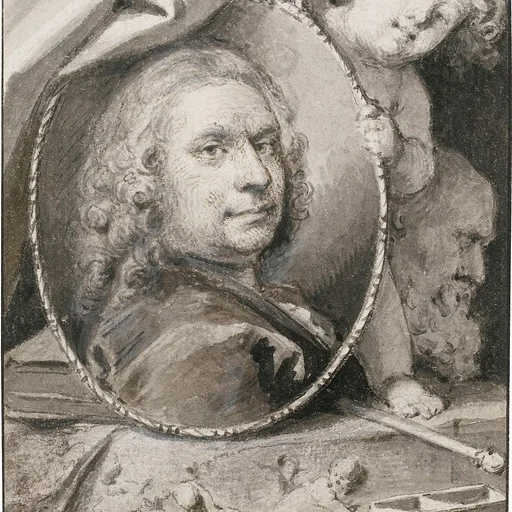
Jacob de Wit (19 December 1695 – 12 November 1754) was a Dutch painter and interior decorator. He is best known for his depictions of religious scenes.


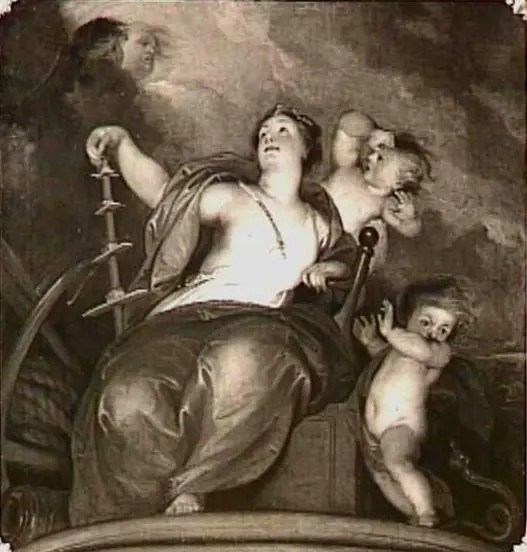
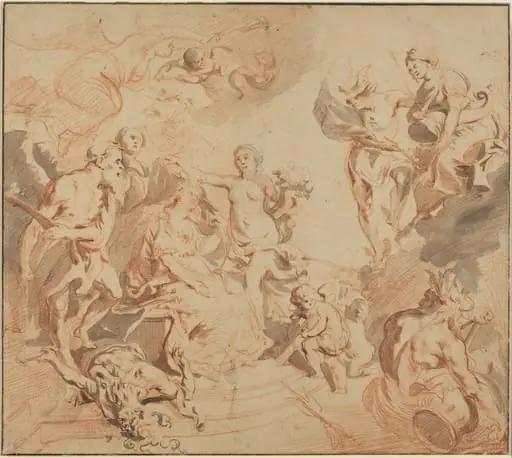 Antwerp Blessed with Abundance
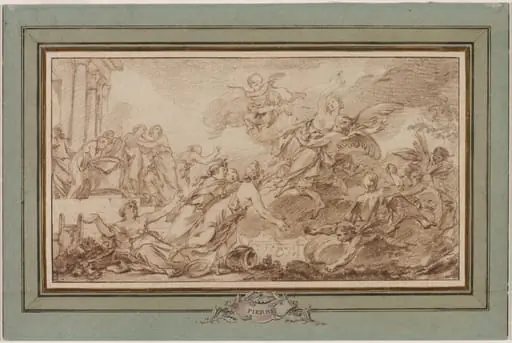 Boreas Abducting Oreithyia
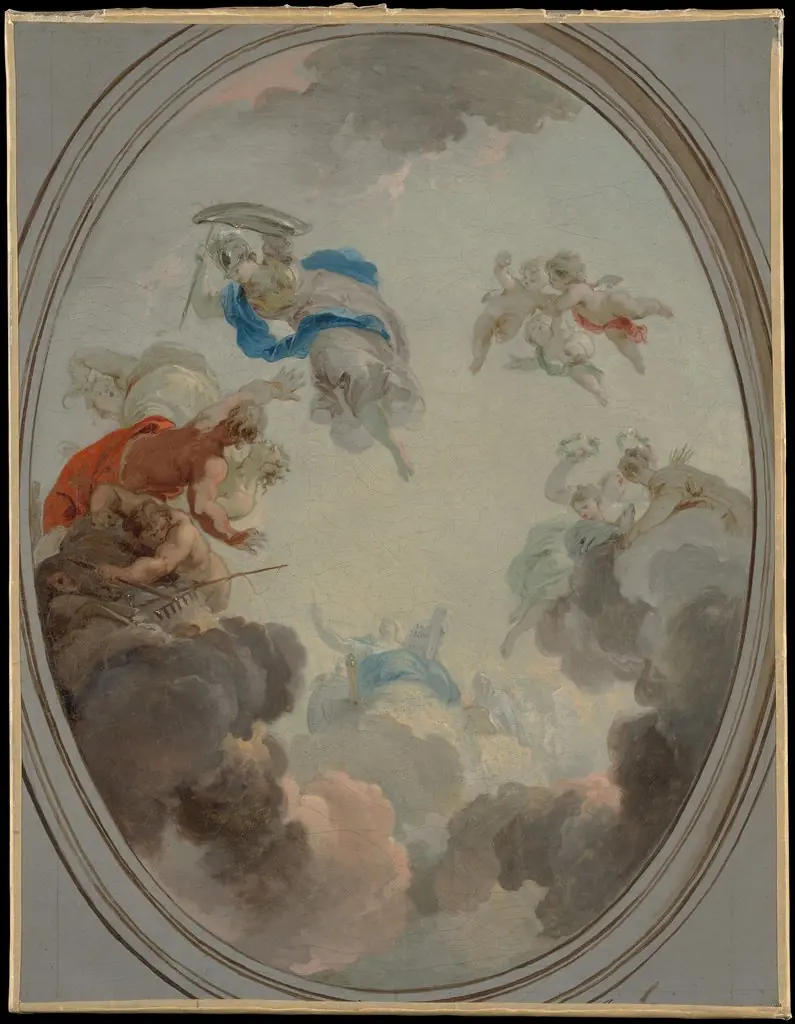
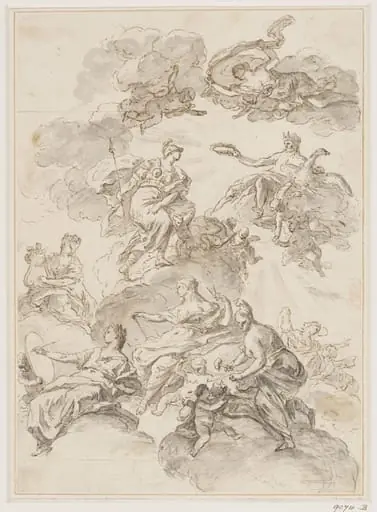 Minerva commending the arts of sculpture, architecture, painting and music to Jupiter
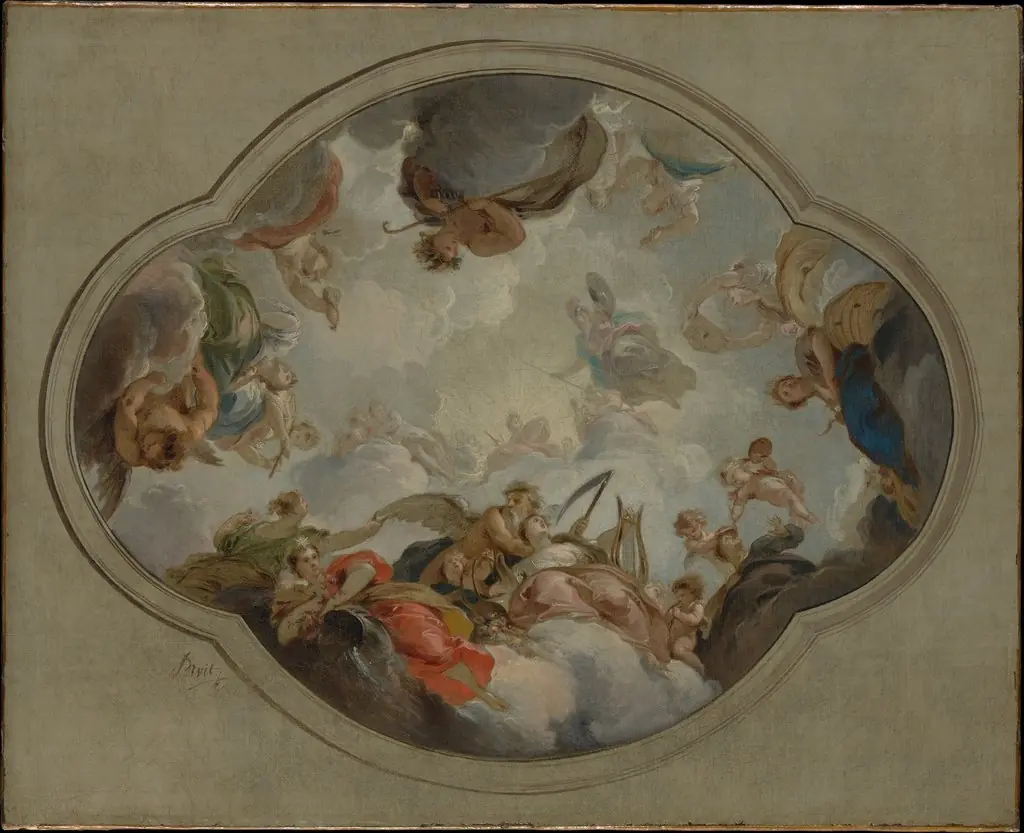
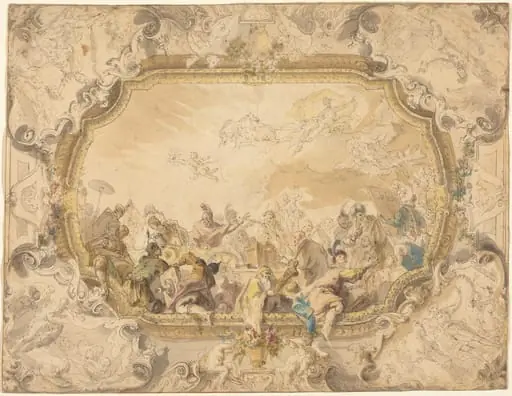 A Ceiling with Apollo Presiding over Military and Historical Learning
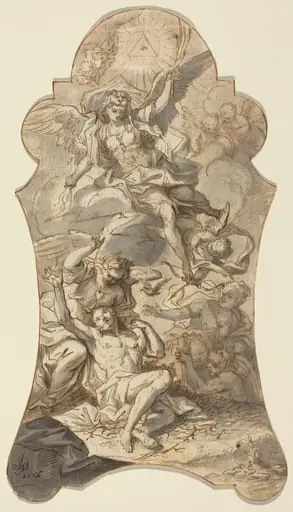 The Holy Angels Protecting a Hermit from Evils
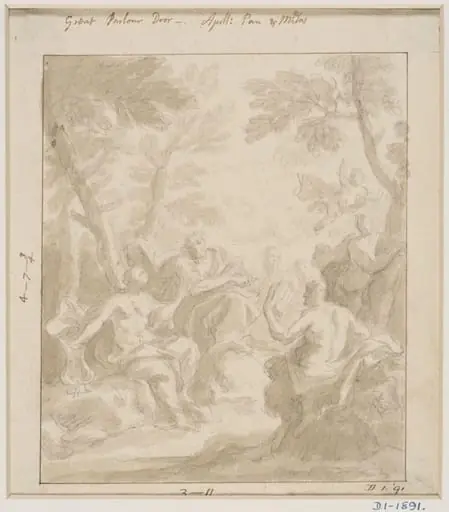 Design for an overdoor painting depicting Apollo, Pan and Midas
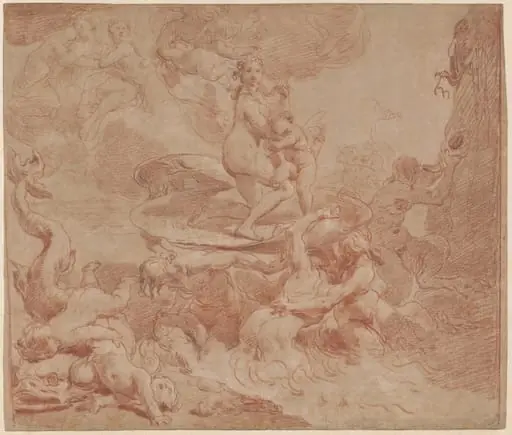 The Birth of Venus
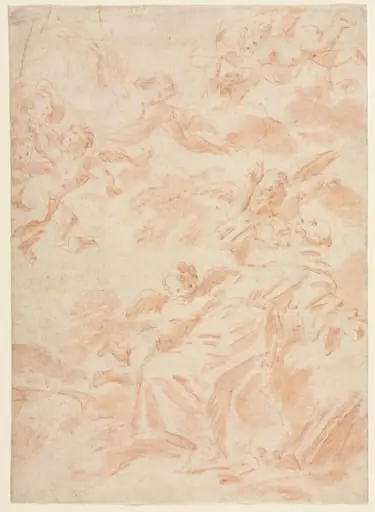 The Stigmatization of Saint Francis
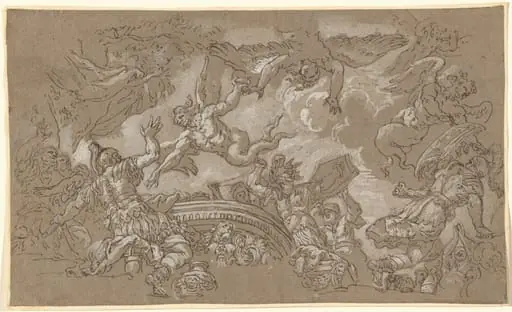 The Harpies Attacking Aeneas and His Companions
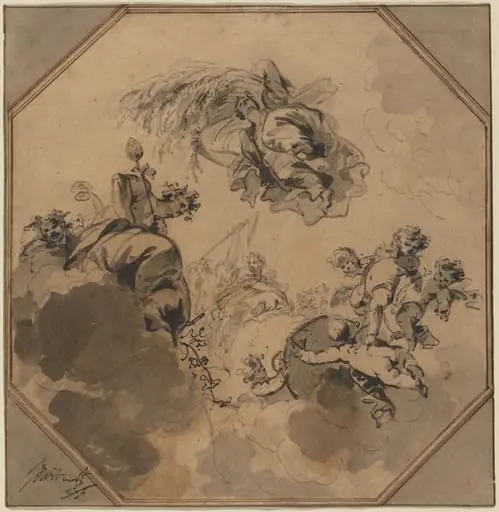 Study for a Ceiling: Allegory of the Harvest with Dionysus and Ceres
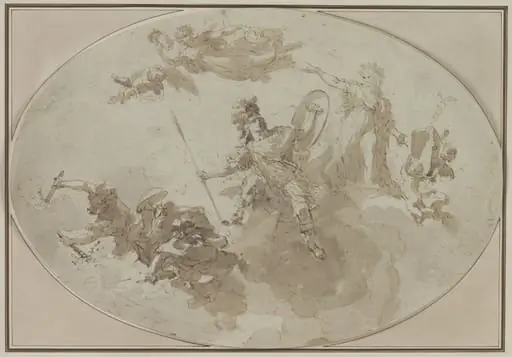 Ceiling Study: Allegory of Peace and War
 Diana and Apollo Slaughtering the Children of Niobe