Artwork
Egypt and Nubia, Volume I: Abyssinian Slaves Resting at Korti-Nubia
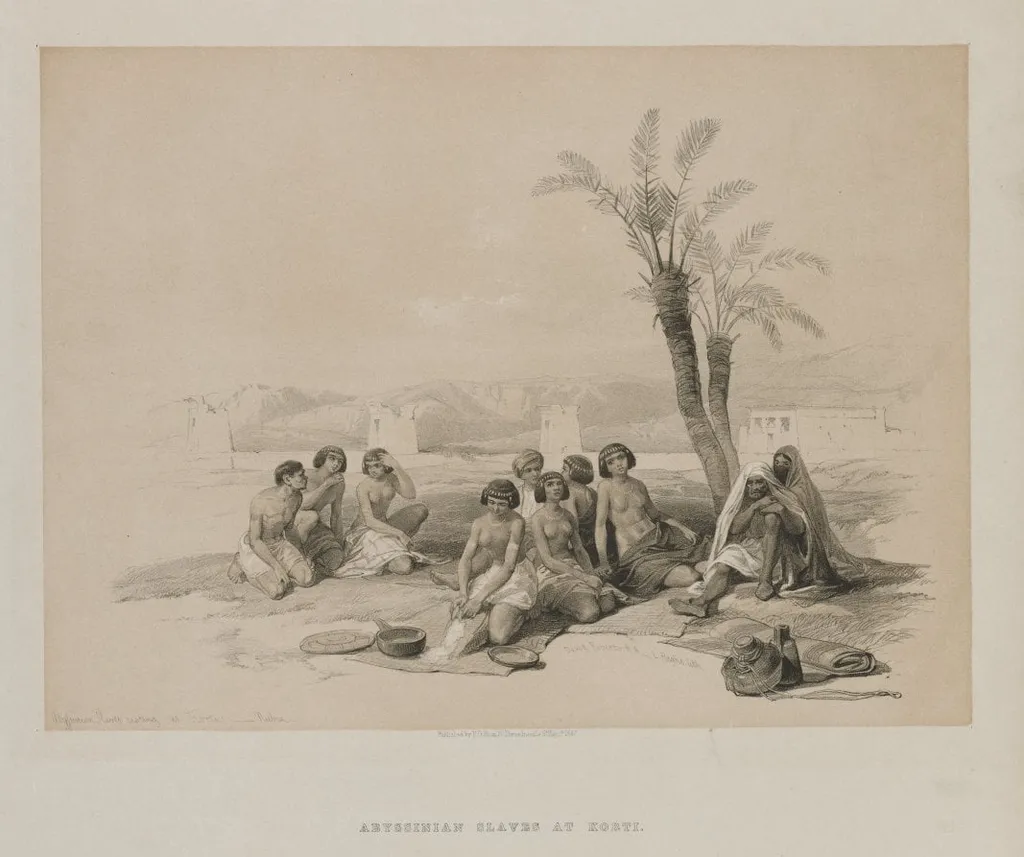
Egypt and Nubia, Volume I: Abyssinian Slaves Resting at Korti-Nubia is a print by the Romanticist artist Louis Haghe. It dates from 1847 and is held in the collection of the Cleveland Museum of Art.
About this work
Next, look up Romanticism to see how this style often showed emotion and real-life stories.
This sketch shows a group of people sitting under a palm tree in a dry, open area. Some are resting, others are talking or adjusting their clothes. A few baskets and a water jug lie on the ground nearby. The background has simple buildings and hills, drawn in soft lines.
The title says these are "Abyssinian slaves" at a place called Korti in Nubia. The artist made this in 1847, focusing on everyday life rather than grand scenes.
Next, look up Romanticism to see how this style often showed emotion and real-life stories.
Overview
Egypt and Nubia, Volume I: Abyssinian Slaves Resting at Korti-Nubia is a lithographic print created by Louis Haghe in 1847. It is one of several works in a series capturing 19th-century Egyptian and Nubian landscapes and daily life.
Subject & Meaning
The print depicts a serene scene of enslaved Abyssinians resting under a palm tree in Korti, Nubia. The focus on everyday activities of slaves, rather than monumental scenes, offers a glimpse into the mundane lives of marginalized individuals during this period.
Technique & Style
Characterized by soft lines and a calm composition, the work reflects Haghe's background in watercolours adapted to lithography. While the style is descriptive, its emphasis on everyday life and emotional subtlety aligns with broader Romanticist tendencies, though without overt dramatic flair.
History & Provenance
Created in 1847 by Louis Haghe, a Belgian-born British artist, as part of his Egyptian and Nubian series. Haghe, who co-founded the lithographic firm Day & Haghe in London around 1830, brought his architectural and watercolour training to the project.
Context
Produced during a time of European fascination with Orientalist themes, this work differs by prioritizing the quotidian over exotic grandeur. It captures a moment in the complex history of slavery and cultural exchange in the region.
Legacy
As part of Haghe's series, it contributes to a visual archive of 19th-century Egypt and Nubia. Its depiction of slaves' daily life adds a layer of humanity to historical records, though its impact is more documentary than influential in broader art historical movements.
Artist & collection
Artist
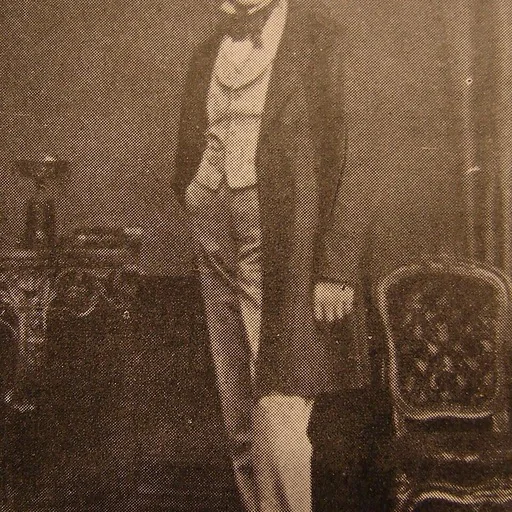
Louis Haghe (17 March 1806 – 9 March 1885) was a lithographer and watercolourist from the Netherlands and then the United Kingdom.

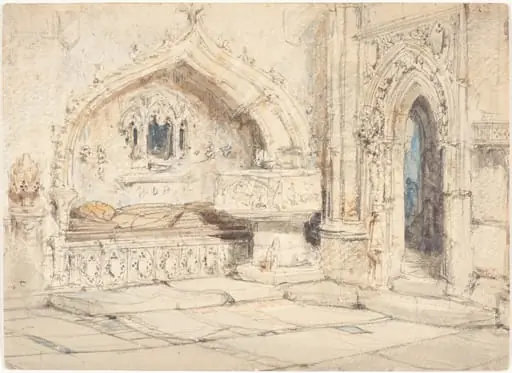 Interior of a Church with a Wall Tomb and Medieval Font
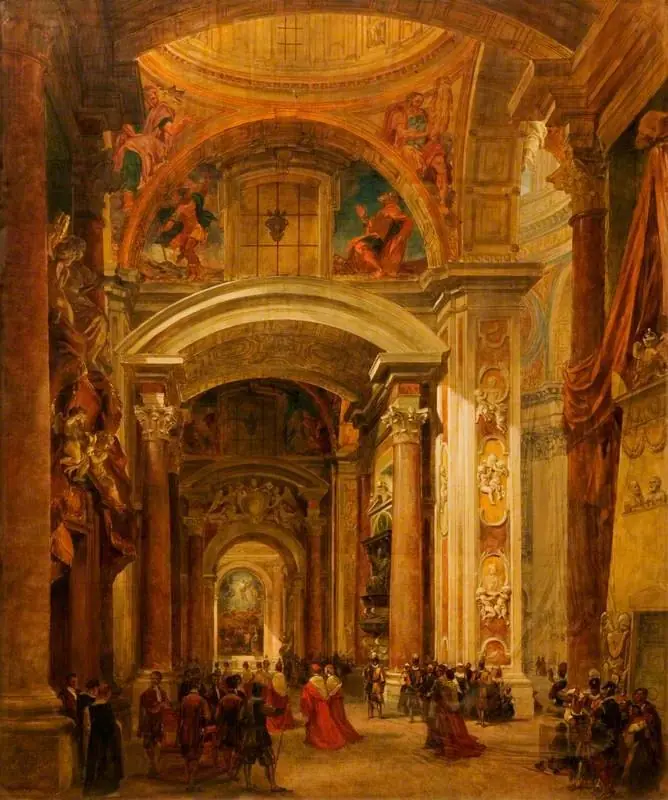 Interior of St Peter's, Rome
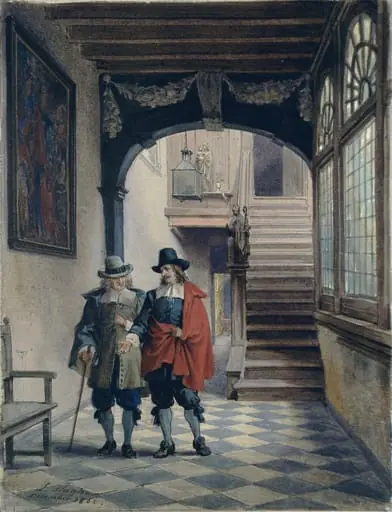 The Corridor, Brewer's Hall, Antwerp
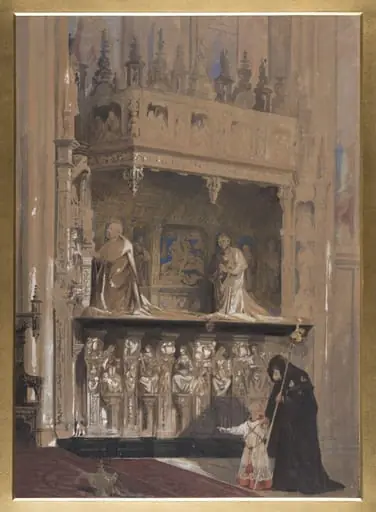 Monument of the Cardinald D'Amboise in Rouen Cathedral
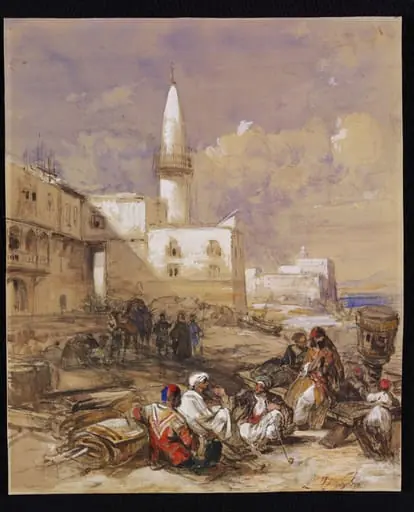 The Quay at Suez
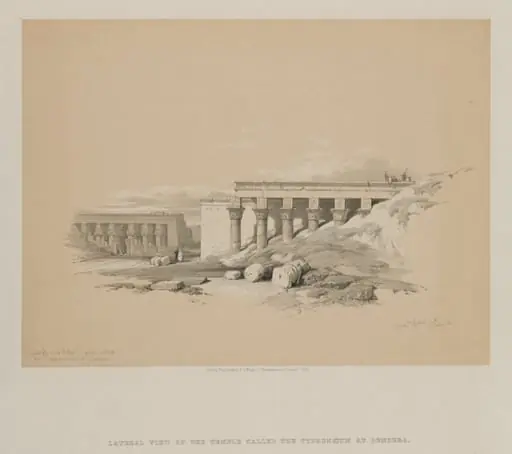 Egypt and Nubia, Volume II: Lateral View of the Temple called The Typhonoeum at Dendera
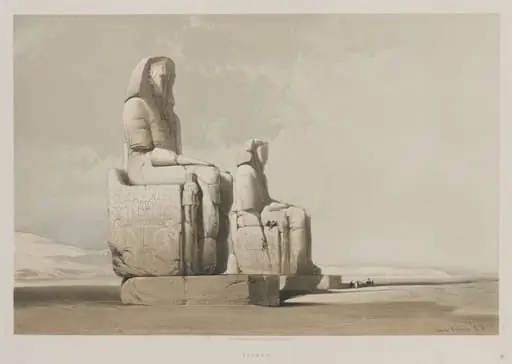 Egypt and Nubia, Volume I: Thebes
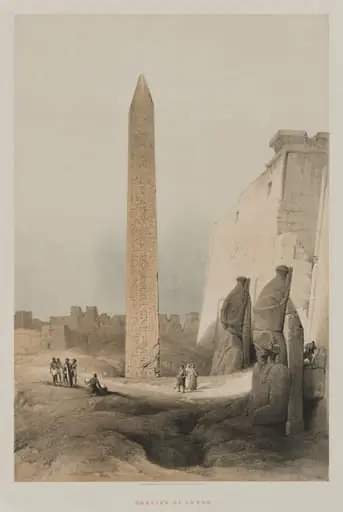 Egypt and Nubia, Volume I: Luxor
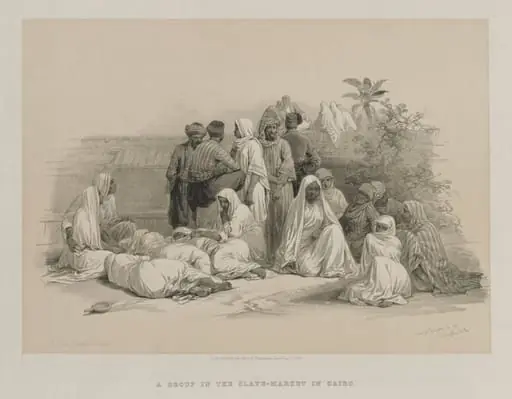 Egypt and Nubia, Volume III: In the Slave Market at Cairo
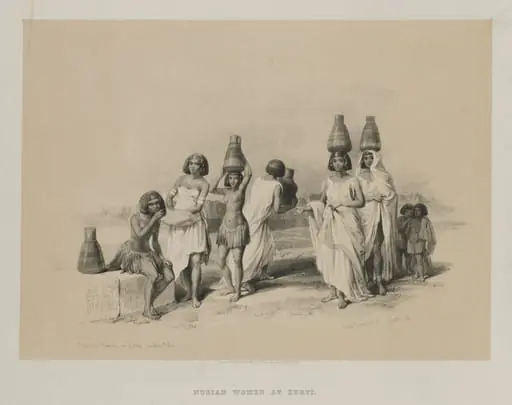 Egypt and Nubia, Volume I: Nubian Women at Kortie, on the Nile
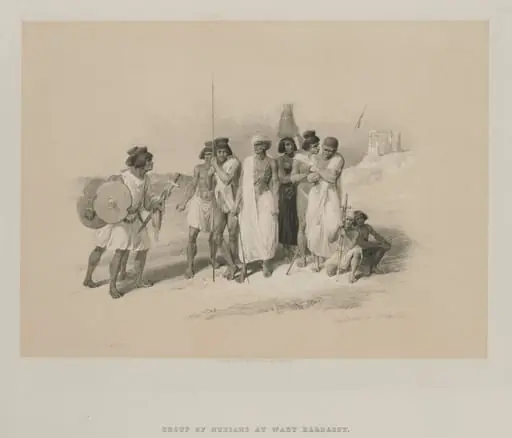 Egypt and Nubia, Volume II: Group of Nubians-Wady Kardasey
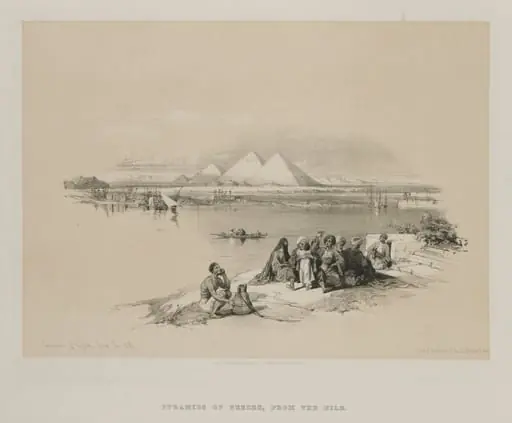 Egypt and Nubia, Volume I: Pyramids of Geezeh, from the Nile
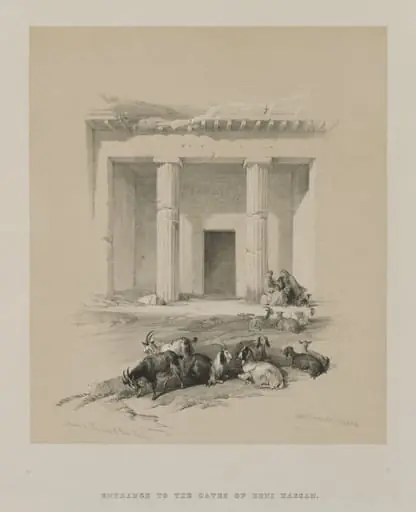 Egypt and Nubia, Volume I: Entrance to the Caves of Beni-Hasan
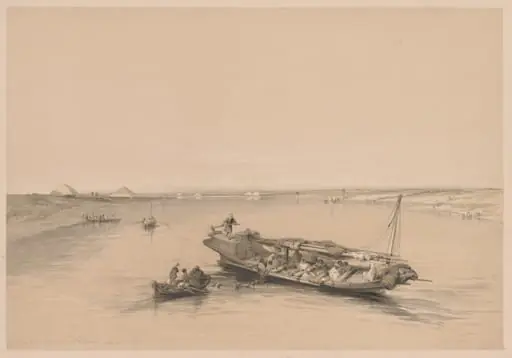 Egypt and Nubia: Volume I - No. 4, Slave Boats on the Nile, View Looking Towards the Pyramids of Dashour and Saccara
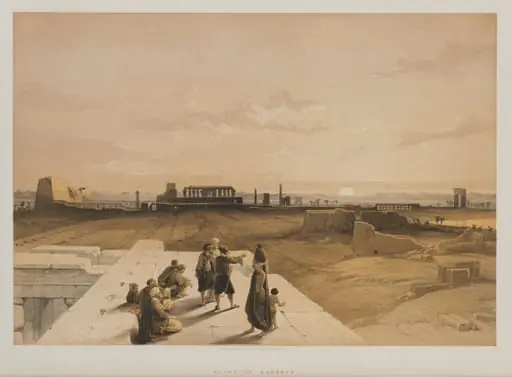 Egypt and Nubia, Volume I: Ruins of Karnac
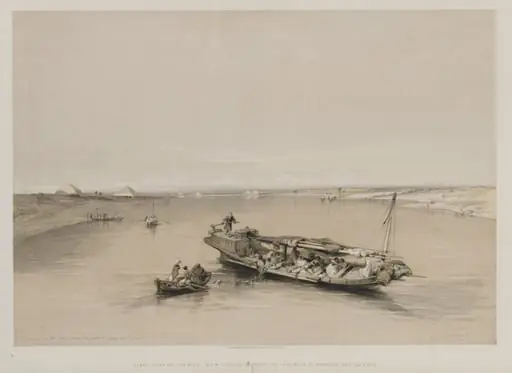 Egypt and Nubia, Volume I: View on the Nile Looking Towards the Pyramids of Dashour and Saccara
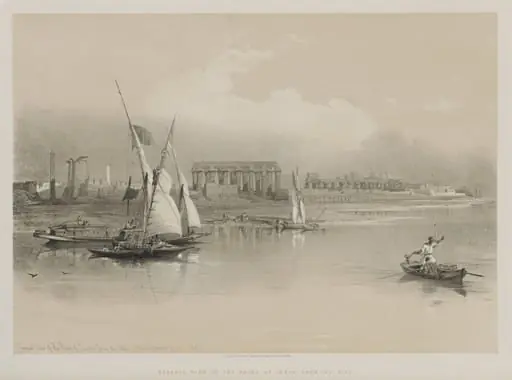 Egypt and Nubia, Volume I: General View of the Ruins of Luxor, From the Nile