Artwork
Egypt and Nubia: Volume I - No. 14, Interior of the Temple Aboo Simbel
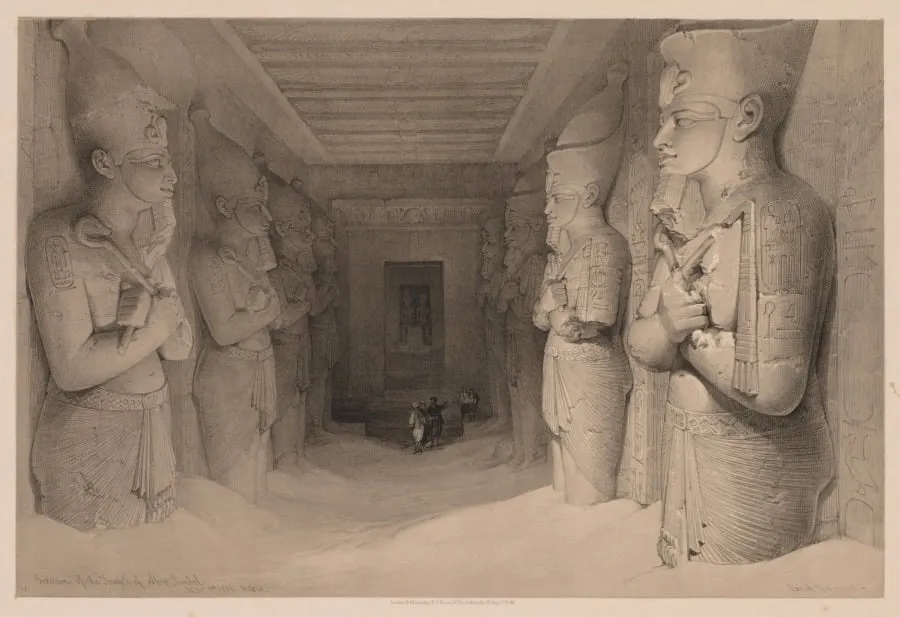
Egypt and Nubia: Volume I - No. 14, Interior of the Temple Aboo Simbel is a print by the Romanticist artist Louis Haghe. It dates from 1836 and is held in the collection of the Cleveland Museum of Art.
About this work
Overview
This 1836 print, *Interior of the Temple Aboo Simbel*, is part of Louis Haghe's *Egypt and Nubia: Volume I*. The work captures the interior of the rock-cut temple at Abu Simbel, showcasing Haghe's documentation of Egyptian and Nubian architectural antiquities.
Subject & Meaning
The print depicts four imposing stone figures in long robes and tall crowns within the dimly lit temple. They are adorned with staffs or scrolls, set against a backdrop of intricate carvings leading to a darker, recessed space. The contrast between the detailed, folded robes and the smooth, blank facial expressions of the figures is notable.
Technique & Style
Haghe employed chiaroscuro to achieve a three-dimensional effect, leveraging shadows to accentuate the textures and depths of the temple's carvings and the figures' attire. This technique, combined with his training in watercolour and lithography, highlights his skill in capturing architectural and sculptural detail.
History & Provenance
Created in 1836 by Louis Haghe, a Belgian-born British artist, this print was part of his work with the prominent Victorian lithographic firm Day & Haghe, which he co-founded around 1830 in London.
Context
As part of *Egypt and Nubia: Volume I*, this print reflects the early Victorian interest in Egyptian and Nubian antiquities. It documents the architectural wonders of the region, contributing to the broader 19th-century European fascination with Orientalism and antiquarian studies.
Artist & collection
Artist
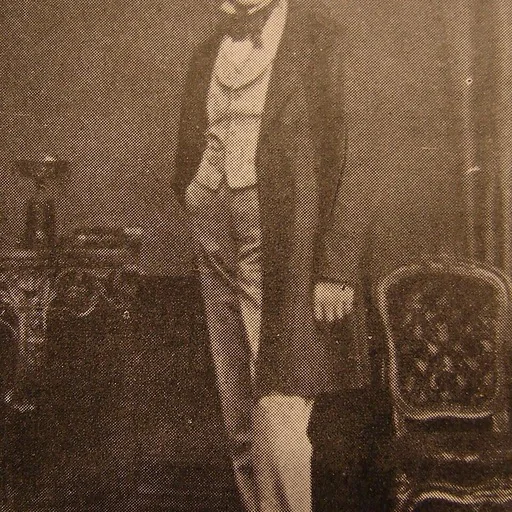
Louis Haghe (17 March 1806 – 9 March 1885) was a lithographer and watercolourist from the Netherlands and then the United Kingdom.

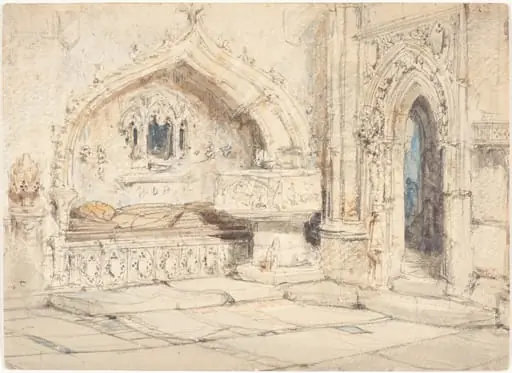 Interior of a Church with a Wall Tomb and Medieval Font
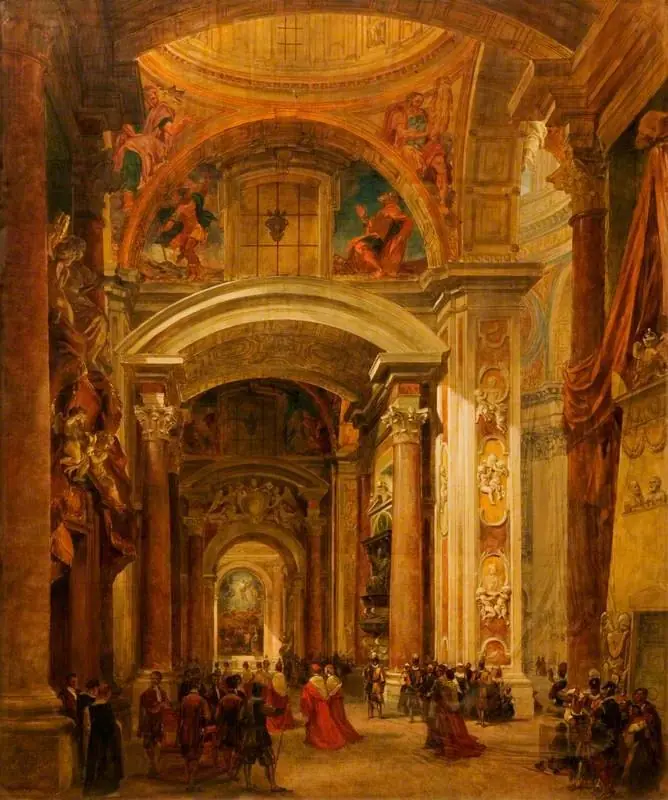 Interior of St Peter's, Rome
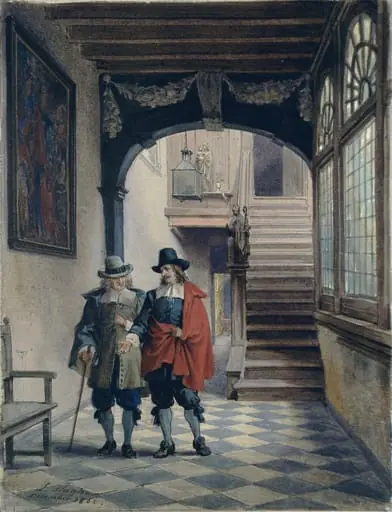 The Corridor, Brewer's Hall, Antwerp
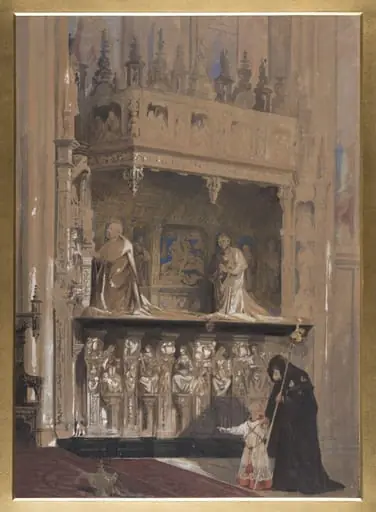 Monument of the Cardinald D'Amboise in Rouen Cathedral
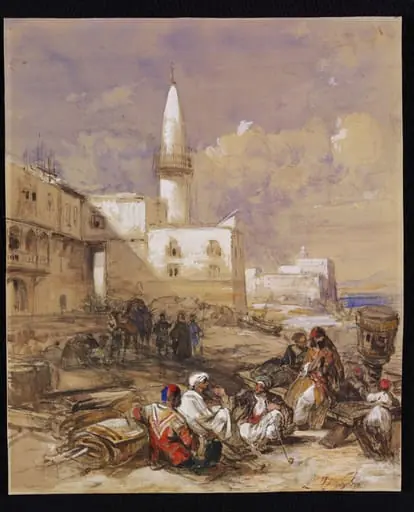 The Quay at Suez
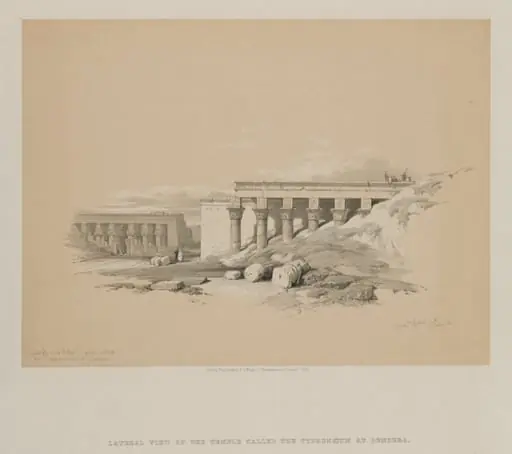 Egypt and Nubia, Volume II: Lateral View of the Temple called The Typhonoeum at Dendera
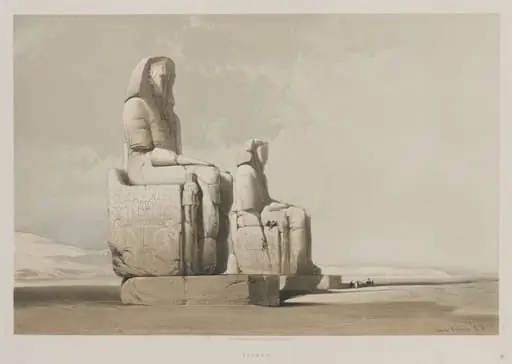 Egypt and Nubia, Volume I: Thebes
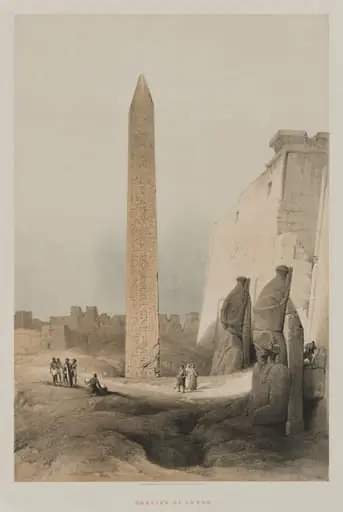 Egypt and Nubia, Volume I: Luxor
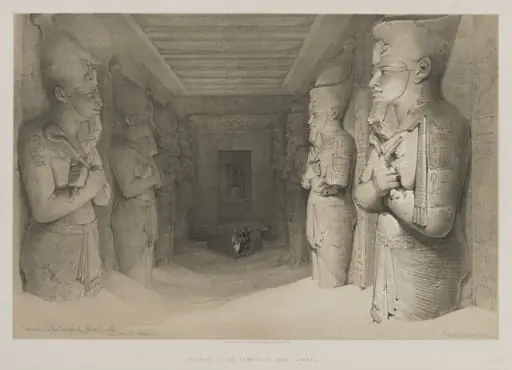 Egypt and Nubia, Volume I: Interior of the Temple of Aboo-Simbel
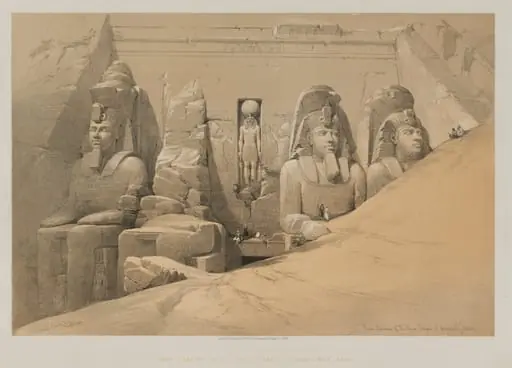 Egypt and Nubia, Volume II: Front Elevation of the Great Temple of Aboo Simbel, Nubia
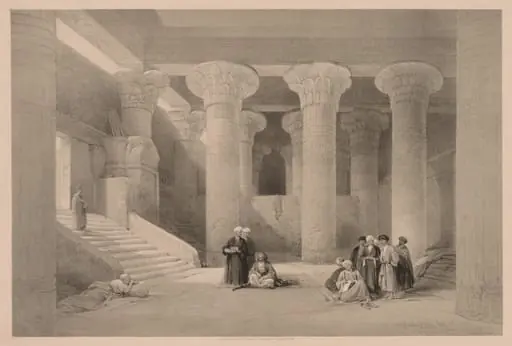 Egypt and Nubia: Volume I - No. 24, Temple at Esneh
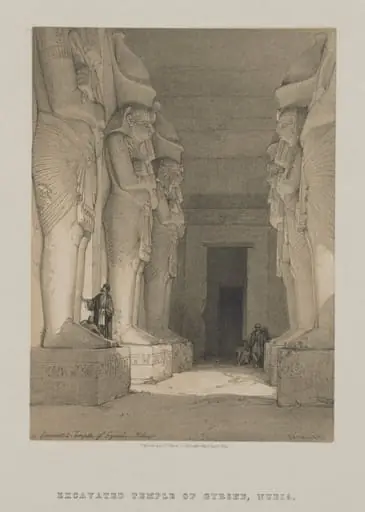 Egypt and Nubia, Volume I: Excavated Temple of Gyrshe, Nubia
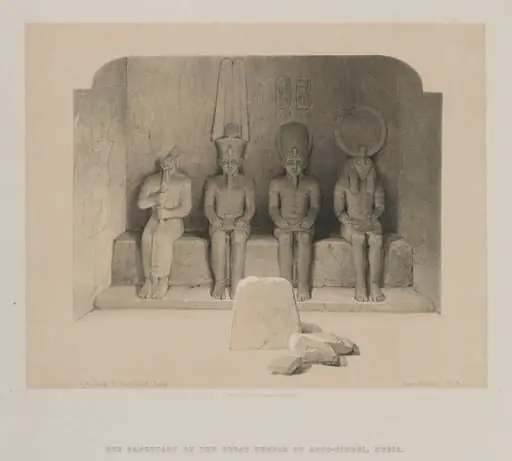 Egypt and Nubia, Volume I: Sanctuary of the Temple of Aboo-Simbel, Nubia
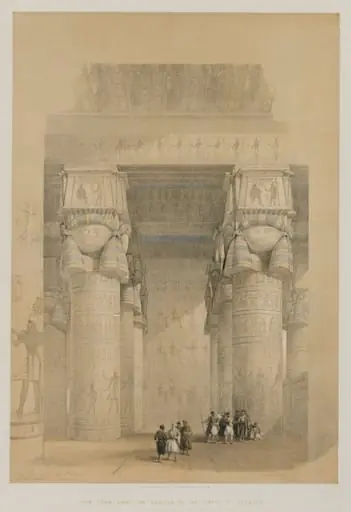 Egypt and Nubia, Volume II: View from Under the Portico of the Temple of Dendera
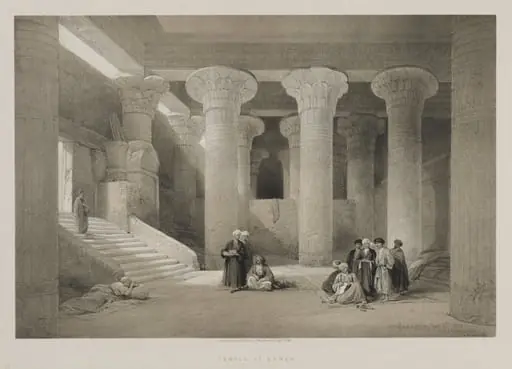 Egypt and Nubia, Volume I: Temple at Esneh
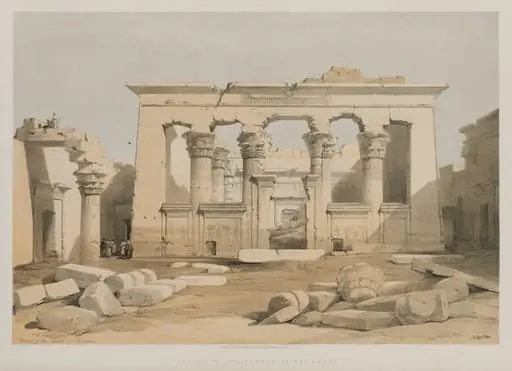 Egypt and Nubia, Volume I: Portico of the Temple of Kalabshe
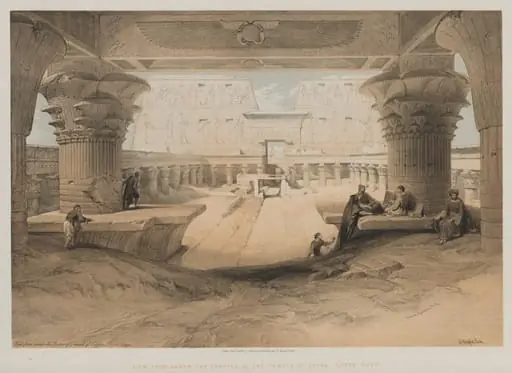 Egypt and Nubia, Volume I: View from Under the Portico of the Temple of Edfou, Upper Egypt
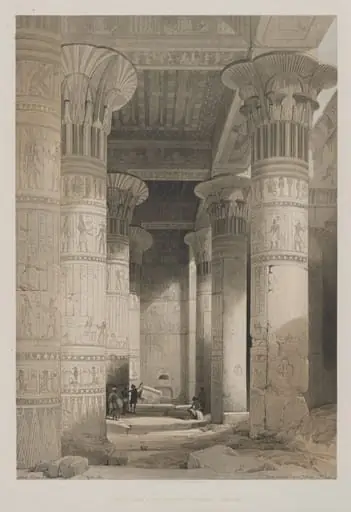 Egypt and Nubia, Volume I: View Under the Grand Portico of the Temple, Philae
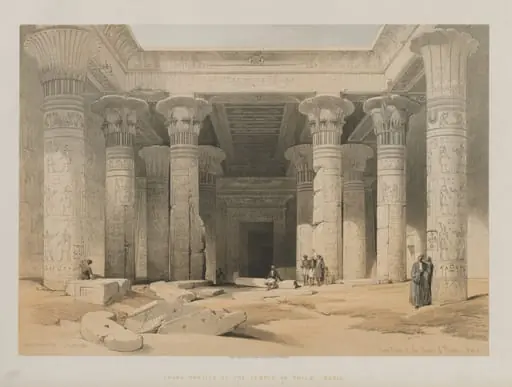 Egypt and Nubia, Volume I: Grand Portico of the Temple of Philae, Nubia
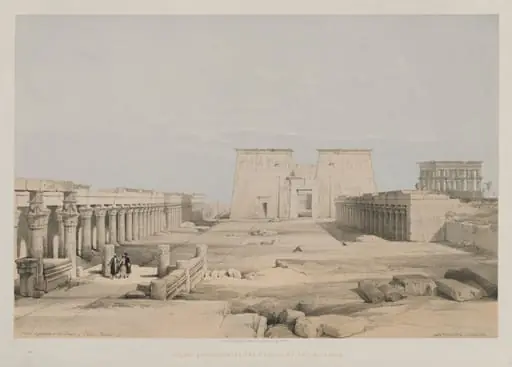 Egypt and Nubia, Volume I: Grand Approach to the Temple of Philae, Nubia