Artwork
Egypt and Nubia: Volume I - No. 18, The Great Sphinx, Pyramids of Gizeh, Front View
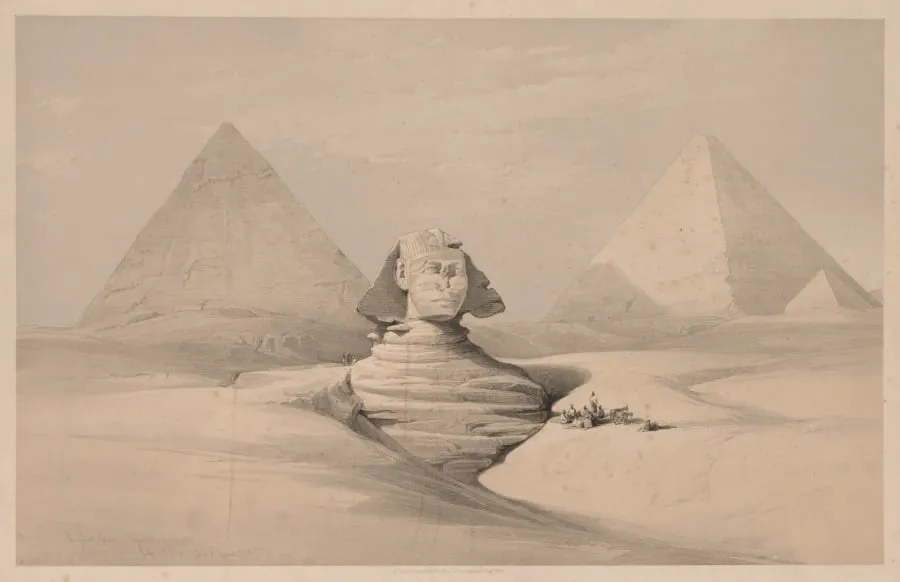
Egypt and Nubia: Volume I - No. 18, The Great Sphinx, Pyramids of Gizeh, Front View is a print by the Romanticist artist Louis Haghe. It dates from 1839 and is held in the collection of the Cleveland Museum of Art.
About this work
Overview
This 1839 lithograph, *The Great Sphinx, Pyramids of Gizeh, Front View*, is part of Louis Haghe's series *Egypt and Nubia: Volume I*. It captures the iconic Great Sphinx and Pyramids of Giza in a serene desert landscape.
Subject & Meaning
The print depicts the Great Sphinx, with its human head and lion’s body, prominently in the foreground, while the three Pyramids of Giza rise in the background. The composition conveys a sense of peaceful coexistence between ancient monuments and the natural desert environment.
Technique & Style
Executed in soft, muted colors, the lithograph evokes the hazy, heat-imbued atmosphere of the desert. Haghe's careful rendering of the monuments contrasts with the flat, empty expanse of the sandy ground, achieving a balance between detail and simplicity.
History & Provenance
Created by Louis Haghe, a Belgian-born British artist, in 1839. Haghe, trained in watercolour and later a pioneer in lithography, co-founded the esteemed Day & Haghe firm in London around 1830.
Context
This work reflects the Romantic era's fascination with exotic landscapes and ancient ruins. While not overtly dramatic, it subtly aligns with Romantic themes by emphasizing the serene, emotive quality of the natural and man-made landscape.
Legacy
As part of *Egypt and Nubia*, this lithograph contributed to 19th-century Europe's growing interest in Egyptian antiquities, providing a widely disseminated visual record of these monuments during a pivotal period of archaeological and public fascination.
Artist & collection
Artist
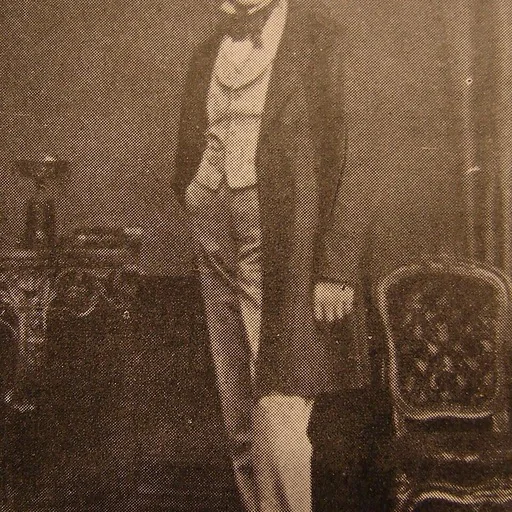
Louis Haghe (17 March 1806 – 9 March 1885) was a lithographer and watercolourist from the Netherlands and then the United Kingdom.

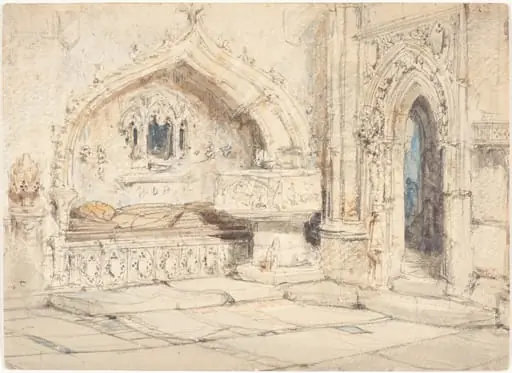 Interior of a Church with a Wall Tomb and Medieval Font
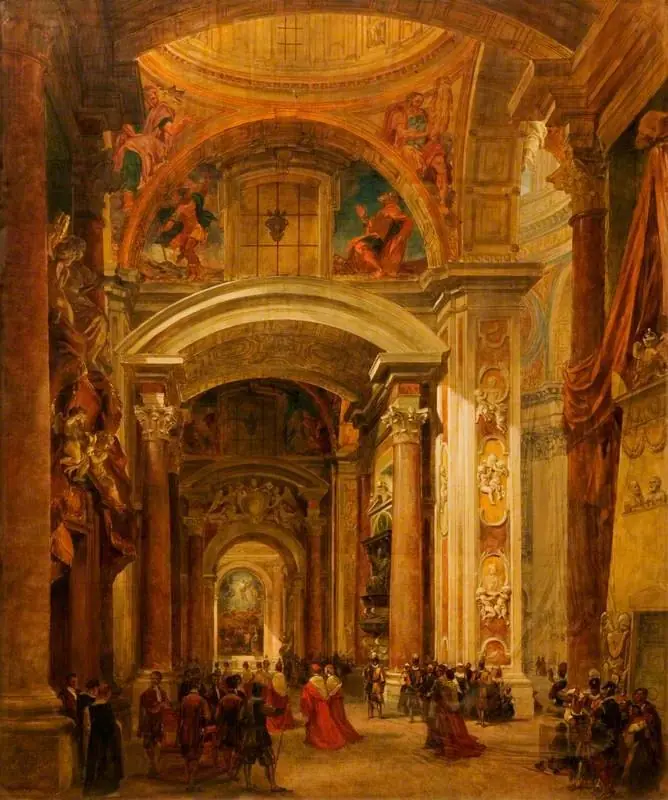 Interior of St Peter's, Rome
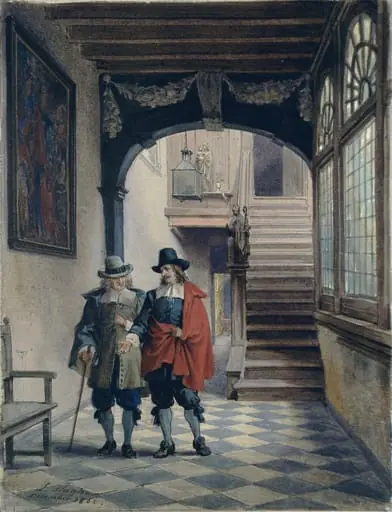 The Corridor, Brewer's Hall, Antwerp
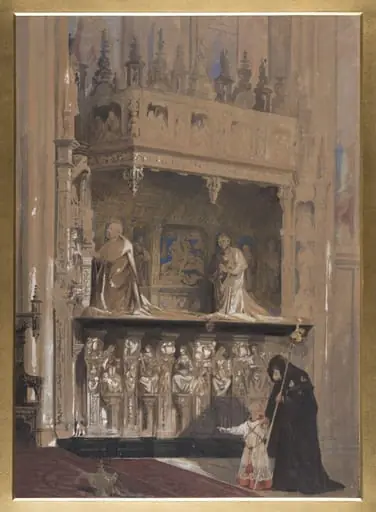 Monument of the Cardinald D'Amboise in Rouen Cathedral
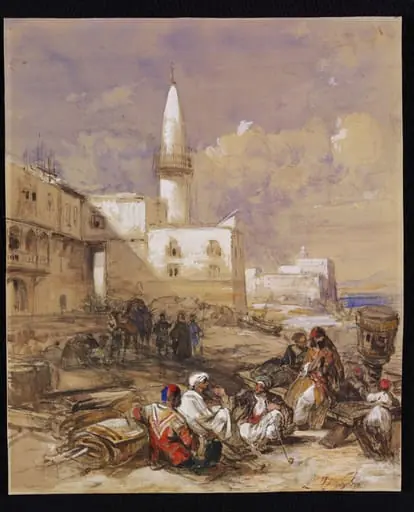 The Quay at Suez
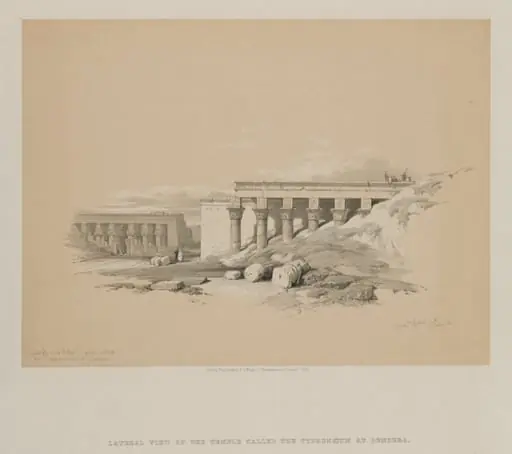 Egypt and Nubia, Volume II: Lateral View of the Temple called The Typhonoeum at Dendera
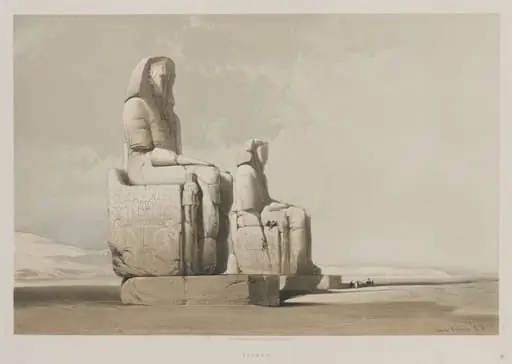 Egypt and Nubia, Volume I: Thebes
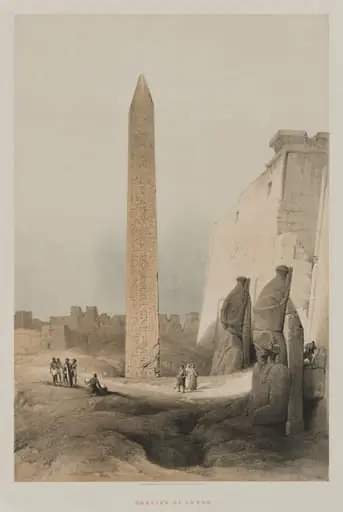 Egypt and Nubia, Volume I: Luxor
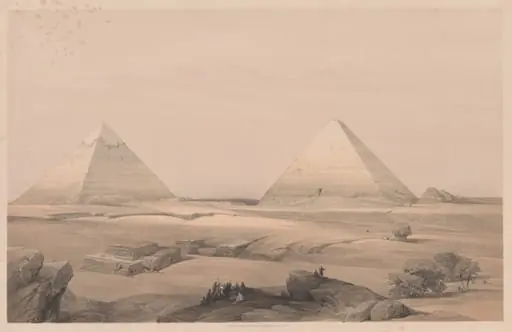 Egypt and Nubia: Volume I - No. 3, Pyramids of Gizeh
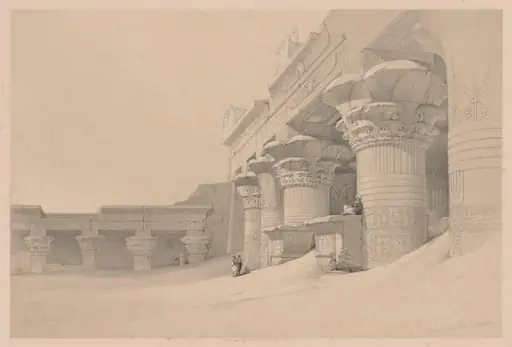 Egypt and Nubia: Volume I - No. 10, Edfou
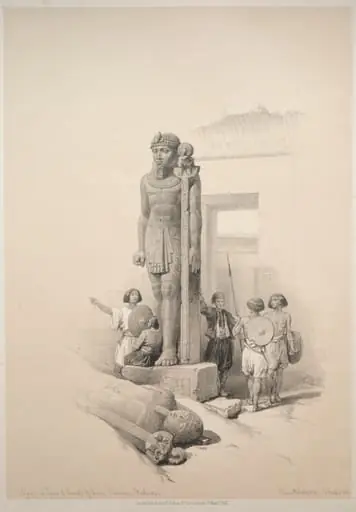 Egypt and Nubia: Volume II - No. 7, Colossi at Wady Saboua
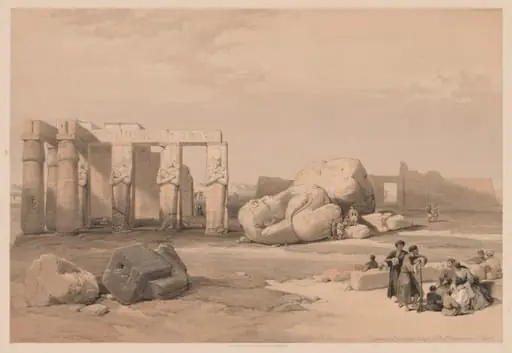 Egypt and Nubia: Volume II - No. 4, Fragments of the Great Colossi, at the Memnonium
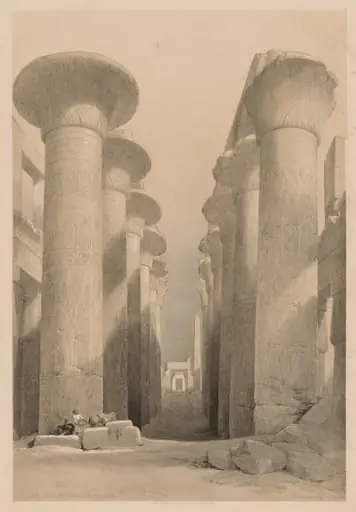 Egypt and Nubia: Volume I - No. 20, Great Hall at Karnak, Thebes
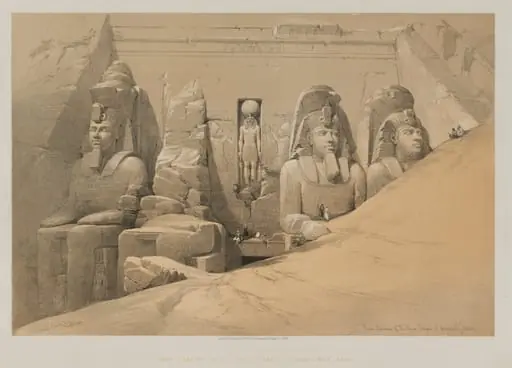 Egypt and Nubia, Volume II: Front Elevation of the Great Temple of Aboo Simbel, Nubia
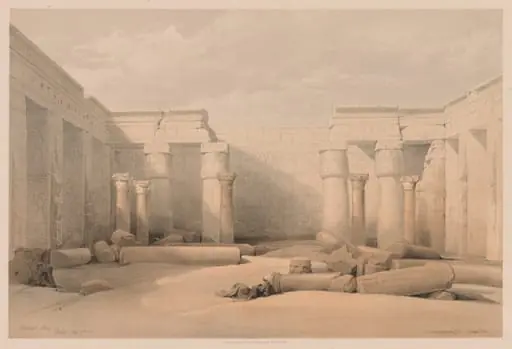 Egypt and Nubia: Volume II - No. 18, Medinet Abou, Thebes
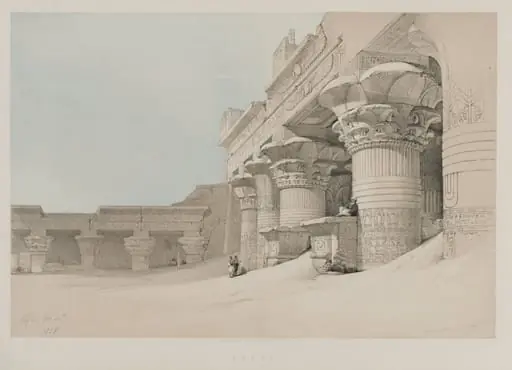 Egypt and Nubia, Volume II: Edfou
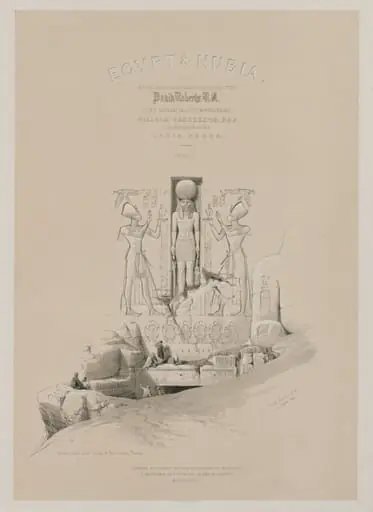 Egypt and Nubia, Volume I: Frontispiece
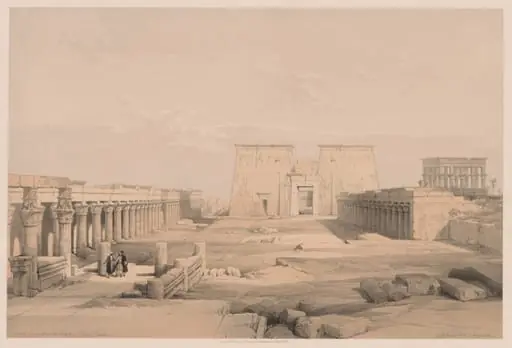 Egypt and Nubia: Volume I - No. 42, Grand Approach to the Temple of Philae, Nubia