Artwork
Egypt and Nubia, Volume II: Karnak
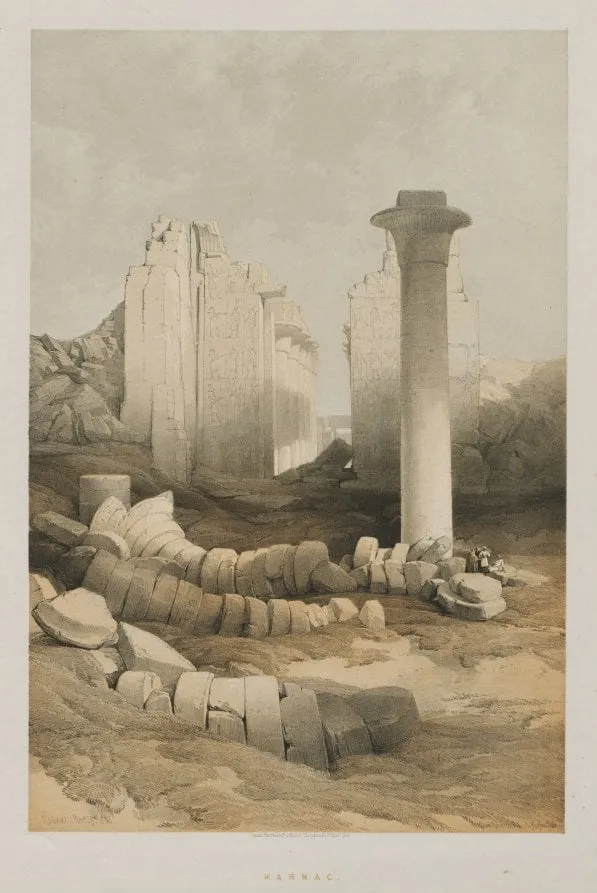
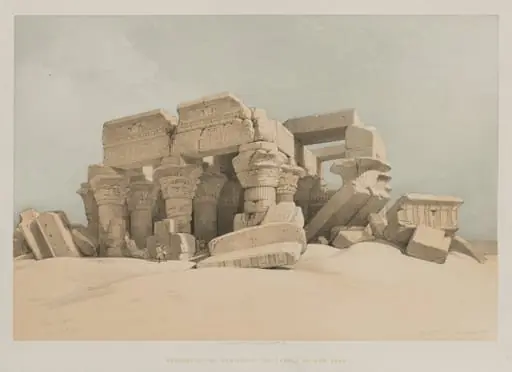
Egypt and Nubia, Volume II: Karnak is a print by the Romanticist artist Louis Haghe. It dates from 1848 and is held in the collection of the Cleveland Museum of Art.
About this work
Overview
Louis Haghe’s 1848 lithograph, titled *Egypt and Nubia, Volume II: Karnak*, presents a desolate view of the ancient Karnak complex. The image shows two weathered columns amid broken stone and scattered debris, with a faint pathway threading through the ruins. Muted tones of gray and tan dominate the composition, while a pale sky looms overhead, emphasizing the site’s quiet abandonment.
Subject & Meaning
The print captures a fragment of the once‑grand Karnak temple precinct, focusing on its deteriorated columns and surrounding rubble. By isolating the ruins without any human presence, Haghe evokes a sense of timeless decay, inviting contemplation of the passage of history and the impermanence of monumental architecture.
Technique & Style
Executed as a lithograph, the work reflects Haghe’s background in watercolor, evident in the subtle gradations of tone and delicate rendering of stone texture. The composition aligns with Romantic sensibilities, using the ruin motif to convey atmosphere and emotional resonance rather than strict archaeological detail.
History & Provenance
Louis Haghe, a British artist who settled in England in 1823, co‑founded the early Victorian lithography firm Day & Haghe around 1830. This print forms part of a larger series documenting Egyptian and Nubian monuments, produced for the growing 19th‑century European interest in antiquities and travel literature.
Artist & collection
Artist
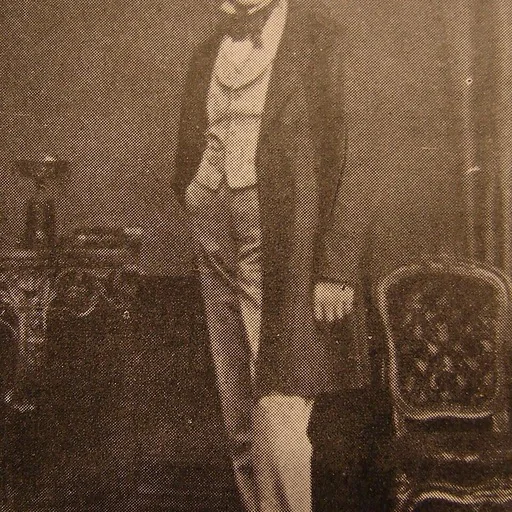
Louis Haghe (17 March 1806 – 9 March 1885) was a lithographer and watercolourist from the Netherlands and then the United Kingdom.

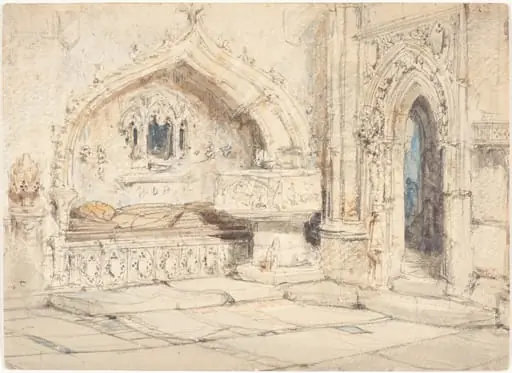 Interior of a Church with a Wall Tomb and Medieval Font
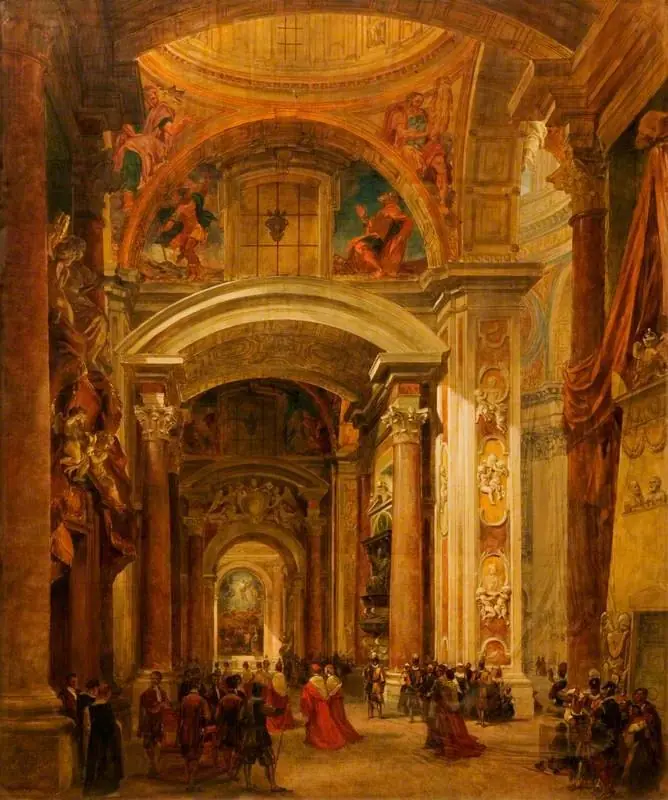 Interior of St Peter's, Rome
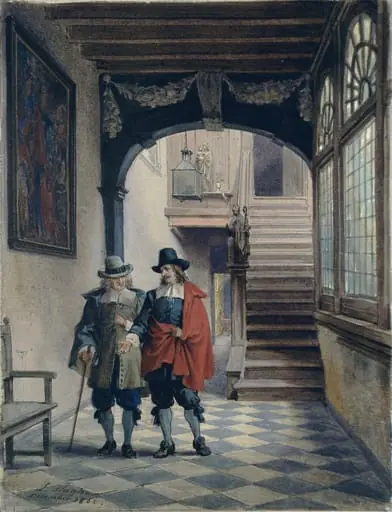 The Corridor, Brewer's Hall, Antwerp
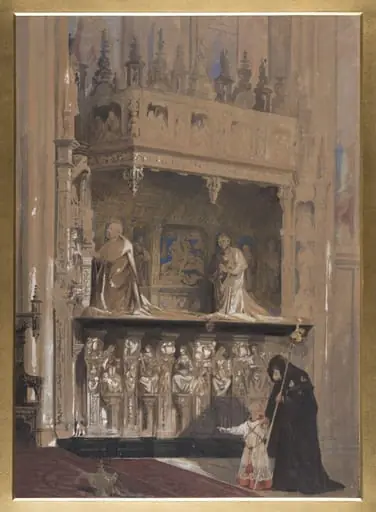 Monument of the Cardinald D'Amboise in Rouen Cathedral
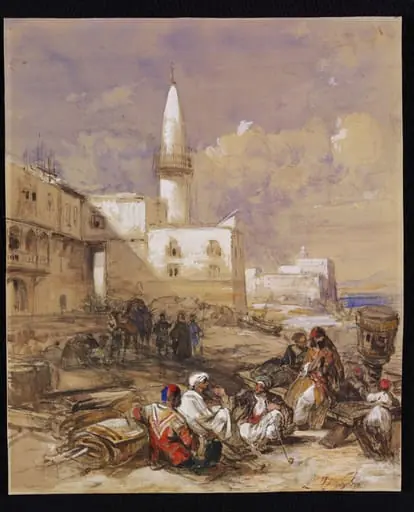 The Quay at Suez
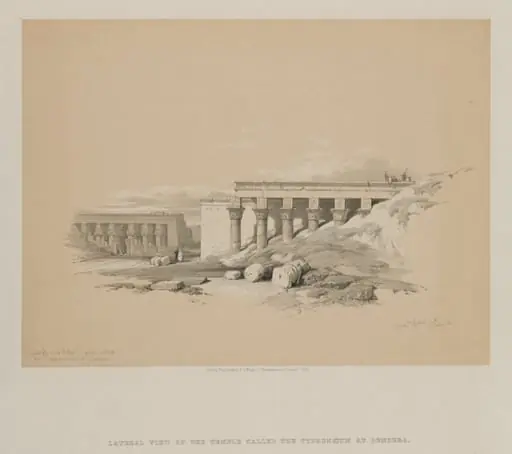 Egypt and Nubia, Volume II: Lateral View of the Temple called The Typhonoeum at Dendera
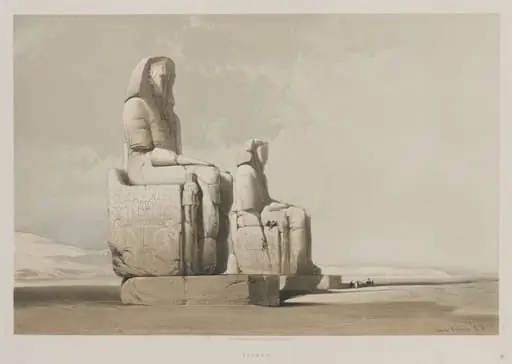 Egypt and Nubia, Volume I: Thebes
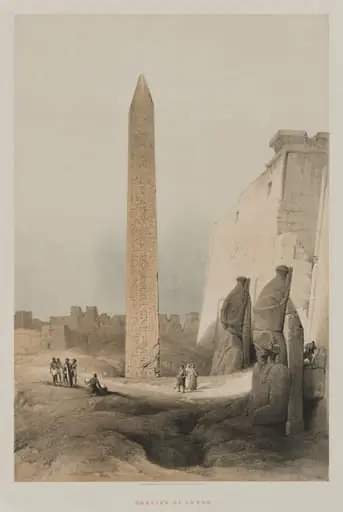 Egypt and Nubia, Volume I: Luxor
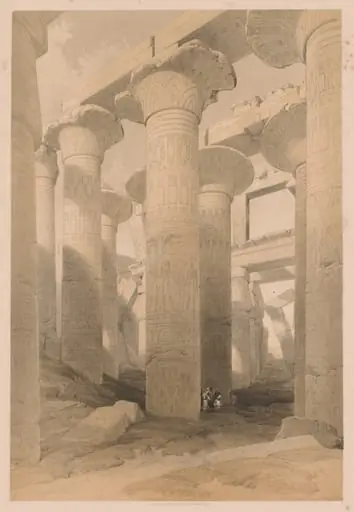 Egypt and Nubia: Volume II - No. 14, Karnak
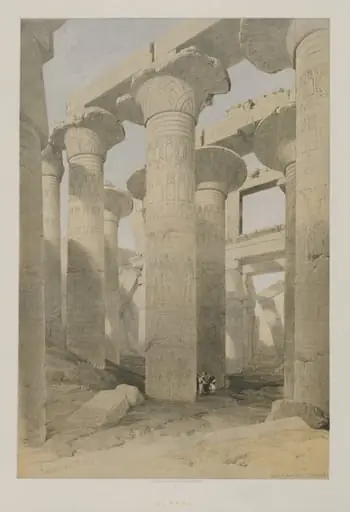 Egypt and Nubia, Volume II: Karnac
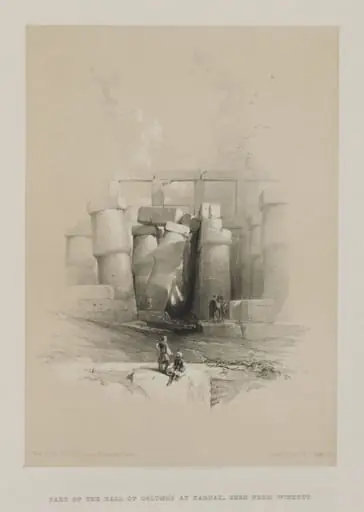 Egypt and Nubia, Volume II: Part of the Hall of Columns at Karnak, Thebes
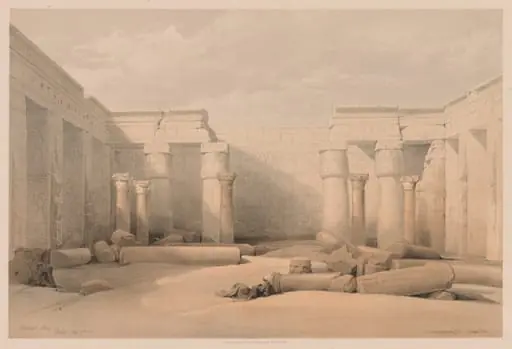 Egypt and Nubia: Volume II - No. 18, Medinet Abou, Thebes
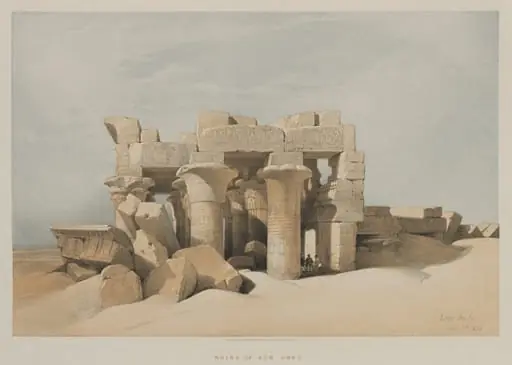 Egypt and Nubia, Volume I: Kom-Ombo
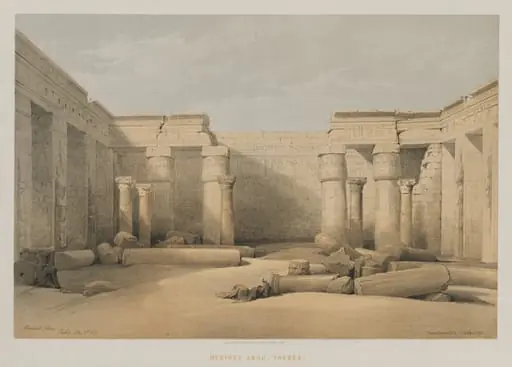 Egypt and Nubia, Volume II: Medinet Abou, Thebes
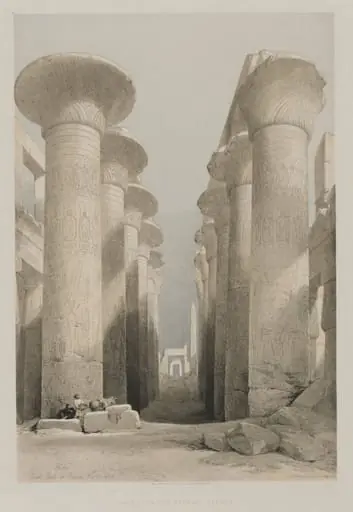 Egypt and Nubia, Volume I: Thebes, Great Hall at Karnac
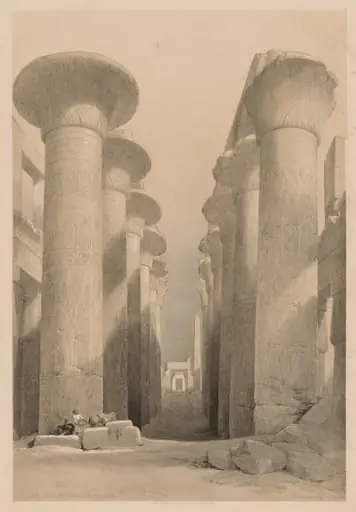 Egypt and Nubia: Volume I - No. 20, Great Hall at Karnak, Thebes
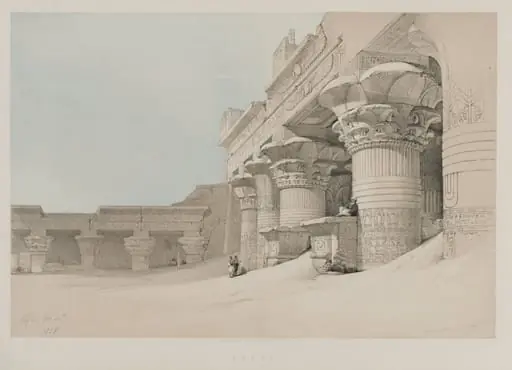 Egypt and Nubia, Volume II: Edfou
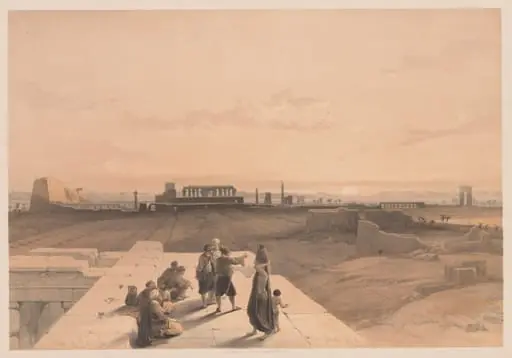 Egypt and Nubia: Volume I - No. 38, Ruins of Karnak
 Egypt and Nubia, Volume II: Kom-Ombo