Artwork
Egypt and Nubia: Volume III - No. 36, Interior of the Mosque of the Sultan El Ghoree
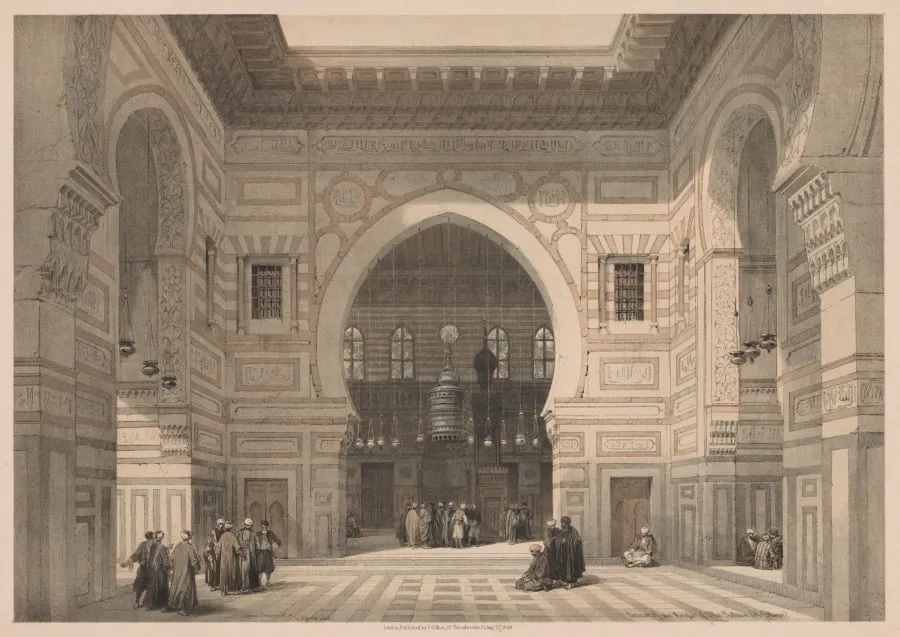
Egypt and Nubia: Volume III - No. 36, Interior of the Mosque of the Sultan El Ghoree is a print by the Romanticist artist Louis Haghe. It dates from 1838 and is held in the collection of the Cleveland Museum of Art. This lithograph captures the interior of the Mosque of Sultan al-Ghuri in Cairo, constructed between 1501 and 1516.
About this work
Louis Haghe used precise lines to show the mosque’s tall arches and carved wood screens.
This print shows the inside of a Cairo mosque built in 1501–1516. Louis Haghe used precise lines to show the mosque’s tall arches and carved wood screens. Soft light filters through lattice windows, warming the stone floors.
The mosque’s main dome once crowned an unused royal tomb. Haghe’s careful lines highlight geometric patterns on the walls and mihrab. You can still visit this mosque today in historic Cairo.
Check out prints by Louis Haghe (British, 1806–1885).
Overview
This lithograph captures the interior of the Mosque of Sultan al-Ghuri in Cairo, constructed between 1501 and 1516. It is one of 247 prints produced from sketches made by David Roberts during his 1838–1839 travels in Egypt. The final images were rendered in lithography by Louis Haghe, who translated Roberts’s watercolors into detailed, finely lined prints that preserved architectural nuance and atmospheric light.
Subject & Meaning
The print depicts the prayer hall of a Mamluk-era mosque complex commissioned by Sultan Qansuh al-Ghuri. Alongside the mosque, the site included a madrasa and a mausoleum intended for the sultan, though he was buried elsewhere after his death in battle. The interior view emphasizes sacred space as a place of contemplation, framed by architectural order and subdued illumination filtering through latticed windows.
Technique & Style
Louis Haghe employed precise lithographic lines to render the mosque’s soaring arches, carved wooden screens, and geometric wall patterns. Soft tonal gradations suggest the gentle diffusion of daylight through mashrabiya windows, casting warmth across stone floors. The technique balances architectural accuracy with a quiet sense of stillness, avoiding theatricality in favor of measured observation.
History & Provenance
David Roberts created the original sketches during his 1838–1839 expedition through Egypt and Nubia. These were later developed into watercolors and then translated into lithographs by Haghe, published in the multi-volume work 'Egypt and Nubia.' The print was part of a broader 19th-century European effort to document Islamic architecture, circulated widely among collectors and institutions.
Context
The mosque stands in historic Cairo, a city where Mamluk architecture remained visibly present through the 19th century. Roberts’s journey occurred during a period of growing Western interest in the region’s heritage, coinciding with early archaeological and topographical surveys. His work contributed to a visual record that preceded modern preservation efforts and colonial-era interventions.
Legacy
The lithograph endures as a documented record of the mosque’s condition in the mid-1800s, preserving details that may have altered over time. Haghe’s prints remain referenced in architectural studies and museum collections, offering insight into how 19th-century artists interpreted Islamic spaces. The mosque itself continues to function as a place of worship within Cairo’s living urban landscape.
Artist & collection
Artist
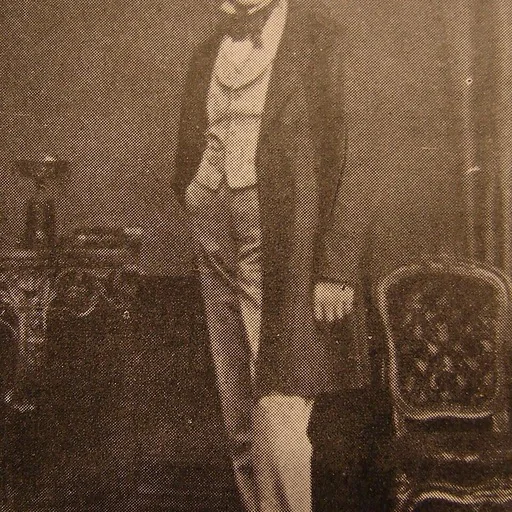
Louis Haghe (17 March 1806 – 9 March 1885) was a lithographer and watercolourist from the Netherlands and then the United Kingdom.

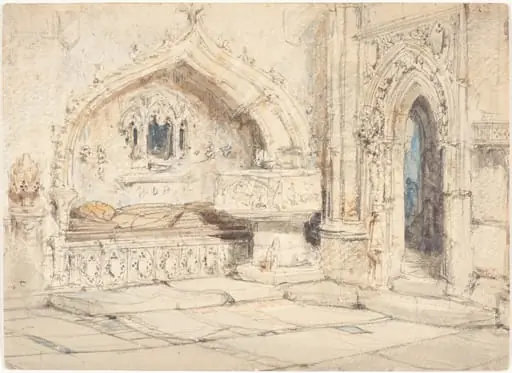 Interior of a Church with a Wall Tomb and Medieval Font
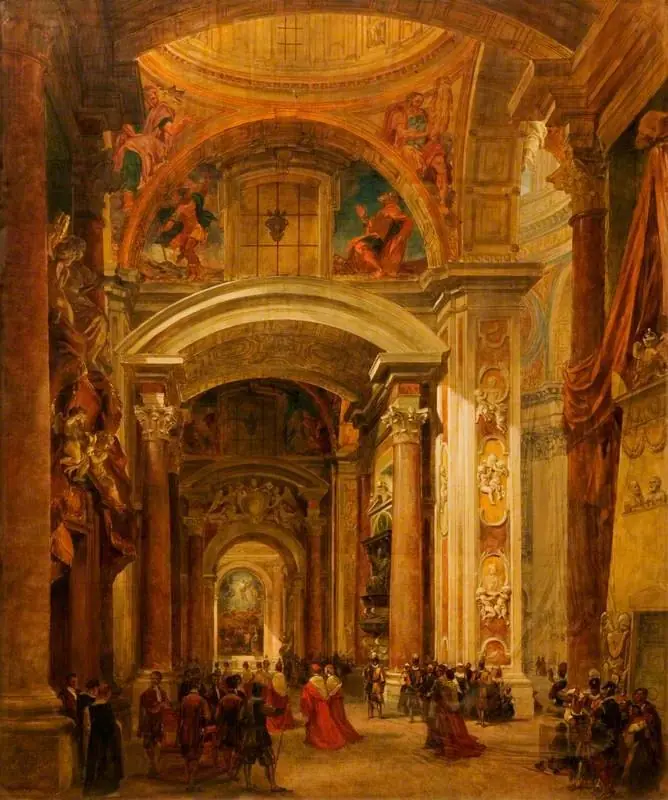 Interior of St Peter's, Rome
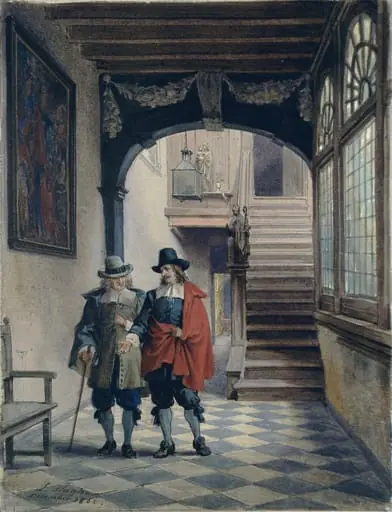 The Corridor, Brewer's Hall, Antwerp
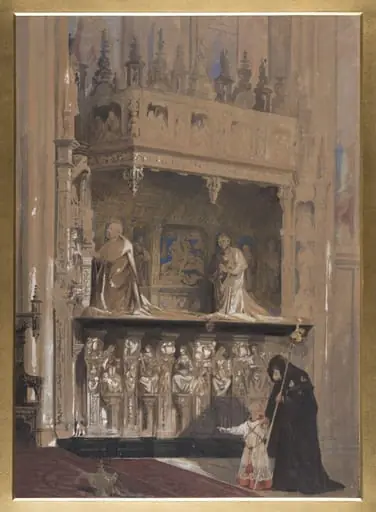 Monument of the Cardinald D'Amboise in Rouen Cathedral
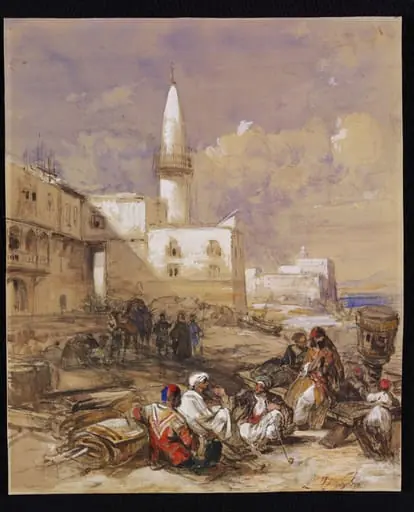 The Quay at Suez
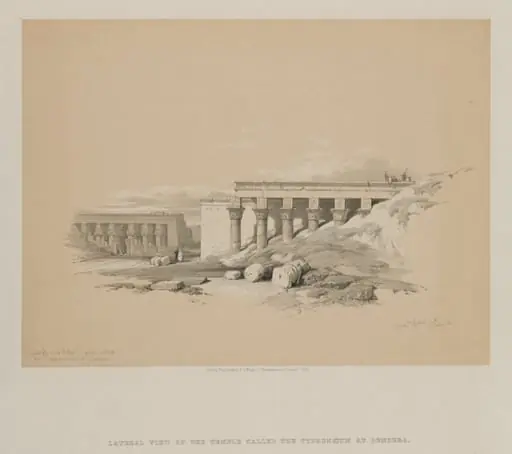 Egypt and Nubia, Volume II: Lateral View of the Temple called The Typhonoeum at Dendera
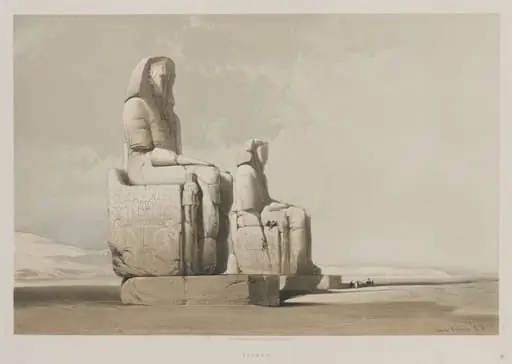 Egypt and Nubia, Volume I: Thebes
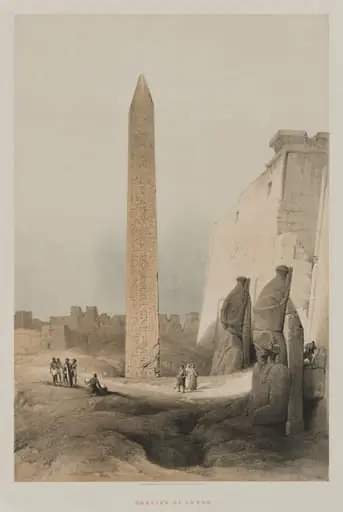 Egypt and Nubia, Volume I: Luxor
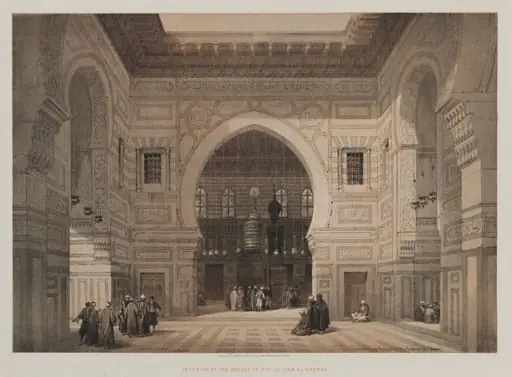 Egypt and Nubia, Volume III: Interior of the Mosque of the Sultan El Ghoree
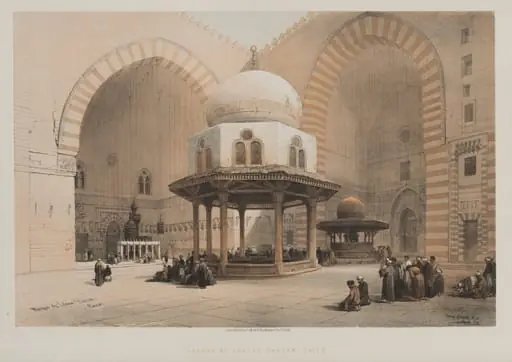 Egypt & Nubia, Volume III, No. 8: Mosque of Sultan Hassan, Cairo
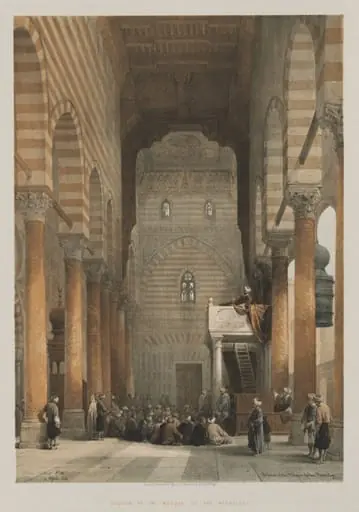 Egypt and Nubia, Volume III: Interior of the Mosque of the Metwalys
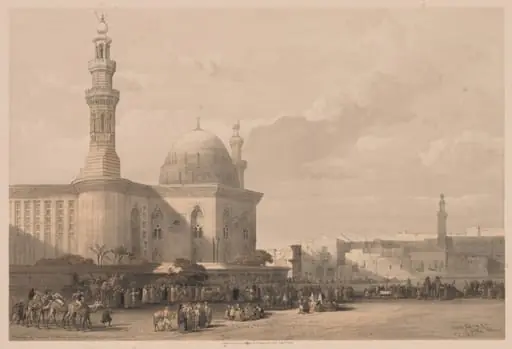 Egypt and Nubia: Volume III–No. 38, Mosque of Sultan Hassan from the Great Square of the Rameyleh
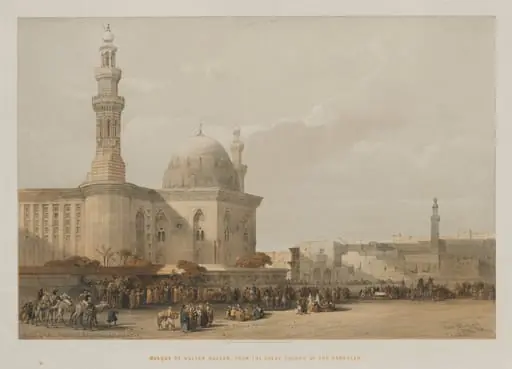 Egypt and Nubia, Volume III: Mosque of Sultan Hassan, from the Great Square of the Rameyleh
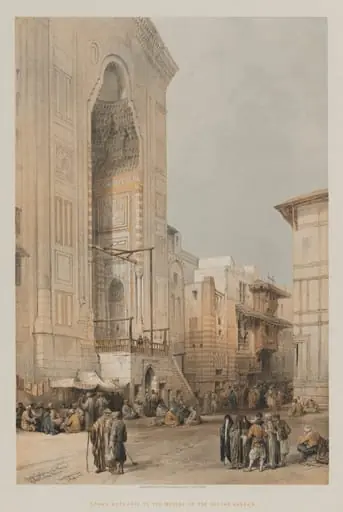 Egypt and Nubia, Volume III: Grand Entrance to the Mosque of the Sultan Hassan
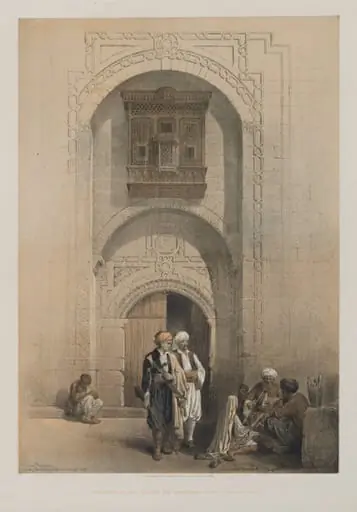 Egypt and Nubia, Volume III: Modern Mansion, showing the Arabesque Architecture of Cairo
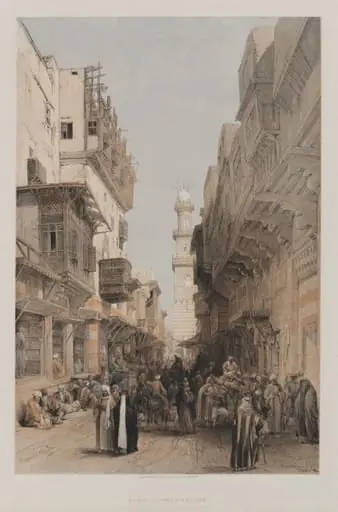 Egypt and Nubia, Volume III: Mosque el Mooristan, Cairo
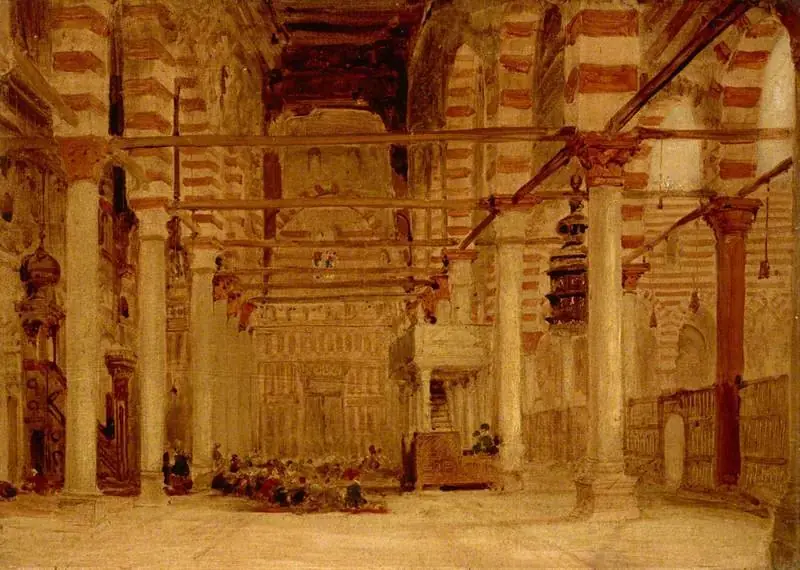 Interior of the Mosque of Metwalis, Cairo
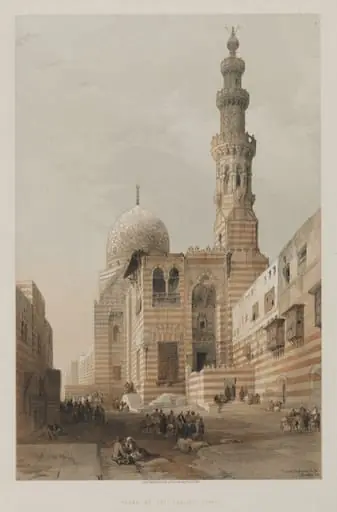 Egypt and Nubia, Volume III: Tombs of the Khalifs, Cairo
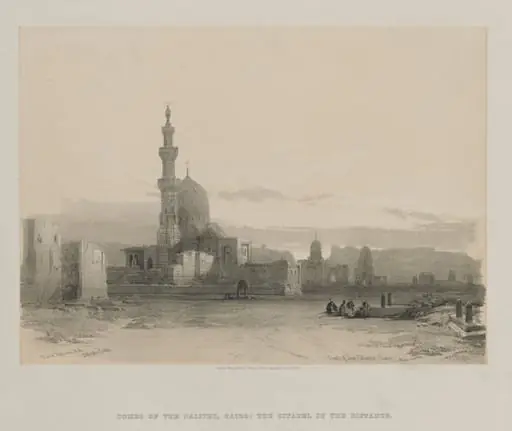 Egypt and Nubia, Volume III: Tombs of the Caliph's, Cairo