Artwork
Egypt and Nubia, Volume III: Tomb of the Memlooks, Cairo
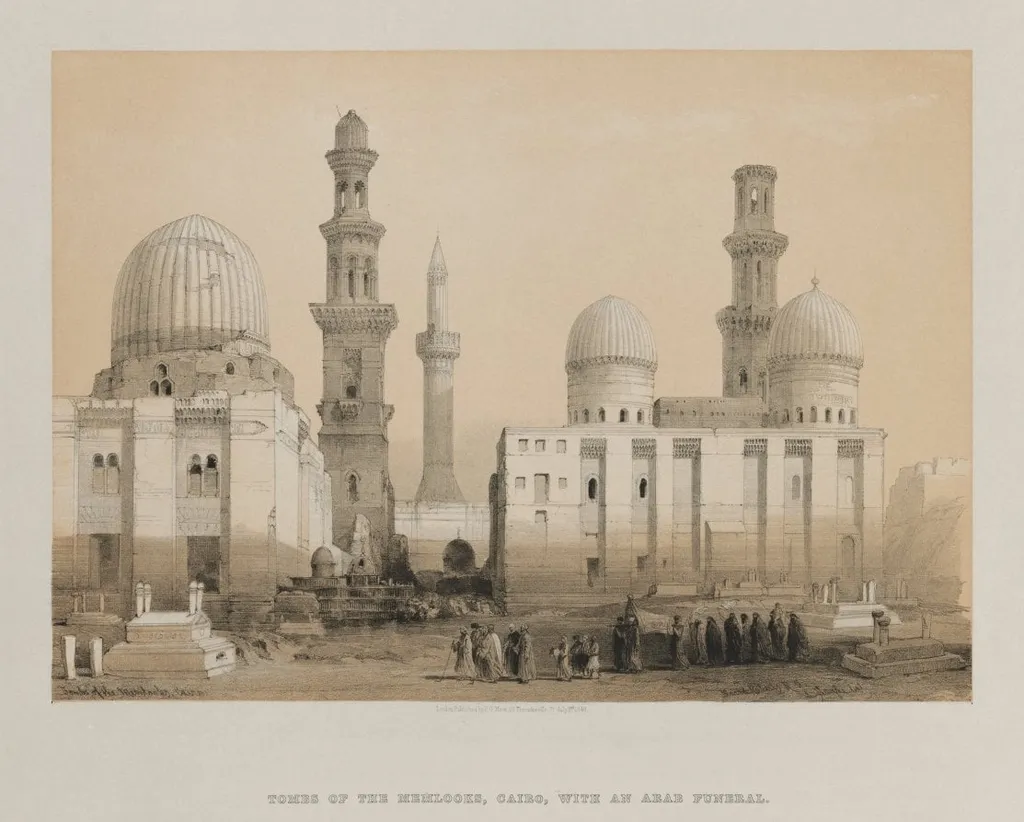
Egypt and Nubia, Volume III: Tomb of the Memlooks, Cairo is a print by the Romanticist artist Louis Haghe. It dates from 1849 and is held in the collection of the Cleveland Museum of Art.
About this work
In front, there’s a group of people gathered around a low platform, maybe for a ceremony.
This drawing shows two big buildings with domes and tall towers, sitting side by side. One dome is cracked, and the other looks smooth. In front, there’s a group of people gathered around a low platform, maybe for a ceremony. The ground is sandy, and the whole scene feels quiet and old.
The title says this is a funeral in Cairo, Egypt. The buildings look like mosques or tombs, with arches and geometric shapes. The artist drew it in 1849, focusing on the details of the architecture.
Next, look up The Cleveland Museum of Art to see more works like this.
Overview
Created in 1849 by Louis Haghe, this lithograph is part of a three-volume series documenting architectural sites in Egypt and Nubia. Haghe, a Belgian-born British artist, specialized in lithography and watercolor, and co-founded the influential London firm Day & Haghe. The print captures a specific funerary complex in Cairo, reflecting mid-19th-century European efforts to record Islamic monuments through precise visual documentation.
Subject & Meaning
The scene portrays the Tomb of the Mamluks, a funerary complex in Cairo featuring two domed structures flanked by minarets. One dome is visibly damaged, suggesting age or decay, while the other remains intact. A small group of figures gathers near a low platform, possibly engaged in ritual or daily observance. The composition emphasizes stillness and time-worn grandeur, conveying reverence for the site without overt narrative.
Technique & Style
Haghe employed fine-line lithography to render architectural details with clarity and restraint. The tonal gradations suggest desert light and shadow, while the precise rendering of arches, geometric patterns, and dome surfaces reflects a topographical approach. Figures are minimized in scale, directing focus to the structures. The quiet, unembellished style aligns with documentary aims rather than romanticized exoticism.
History & Provenance
Produced during a period of heightened European interest in Egyptian antiquities, the print was published as part of a commercial series commissioned for an educated audience. Haghe’s firm, Day & Haghe, was known for high-quality lithographic reproductions of travel sketches. The work likely circulated in private collections and institutions, contributing to the visual record of Islamic architecture in the pre-photographic era.
Context
In the 1840s, European travelers and artists increasingly documented Egypt’s monuments following Napoleon’s campaign and the rise of Egyptology. Haghe’s work emerged alongside archaeological surveys and publications, serving both scholarly and popular audiences. The focus on Mamluk-era tombs reflects a growing recognition of post-classical Islamic architecture as culturally significant, not merely exotic.
Legacy
Haghe’s lithograph remains a valuable historical record of Cairo’s funerary architecture before modern interventions. Its restrained aesthetic and technical precision distinguish it from more theatrical depictions of the Orient. Today, such works inform conservation efforts and provide baseline visual data for sites that have since changed or deteriorated further.
Artist & collection
Artist
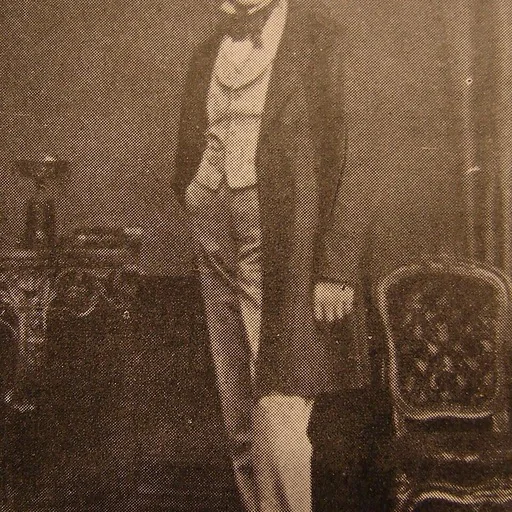
Louis Haghe (17 March 1806 – 9 March 1885) was a lithographer and watercolourist from the Netherlands and then the United Kingdom.

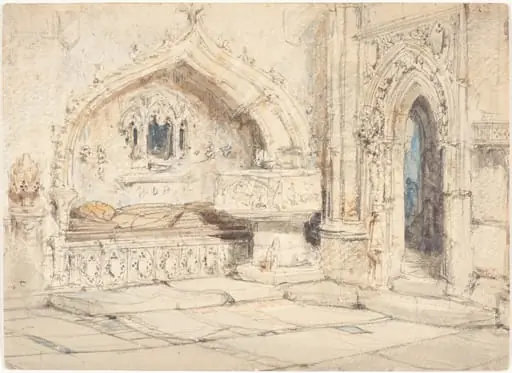 Interior of a Church with a Wall Tomb and Medieval Font
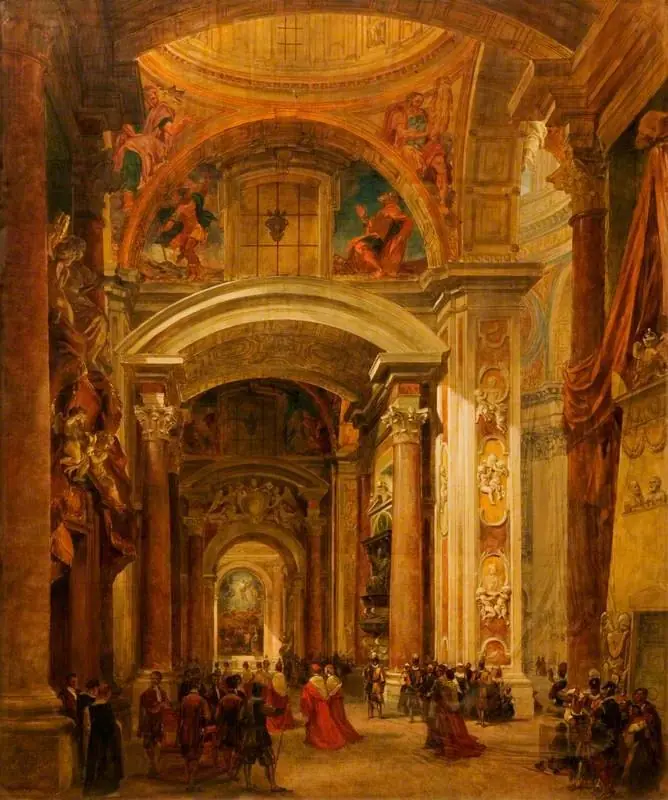 Interior of St Peter's, Rome
 The Corridor, Brewer's Hall, Antwerp
 Monument of the Cardinald D'Amboise in Rouen Cathedral
 The Quay at Suez
 Egypt and Nubia, Volume II: Lateral View of the Temple called The Typhonoeum at Dendera
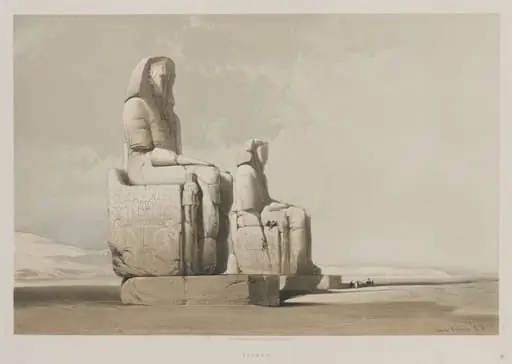 Egypt and Nubia, Volume I: Thebes
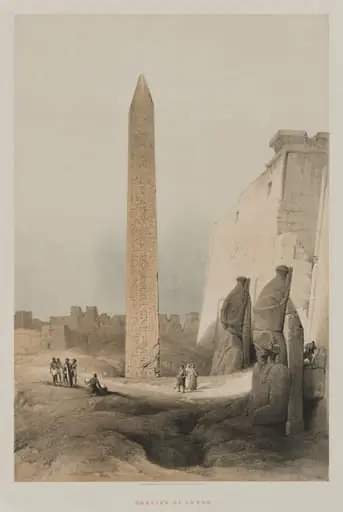 Egypt and Nubia, Volume I: Luxor
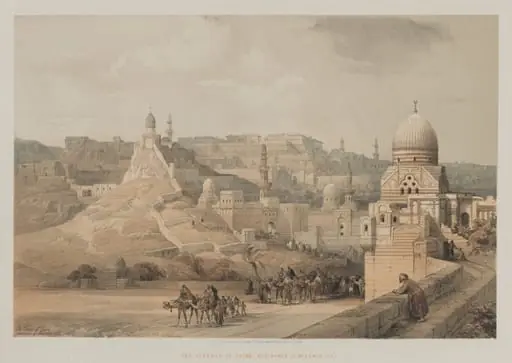 Egypt and Nubia, Volume III: The Citadel of Cairo, Residence of Mehemet Ali
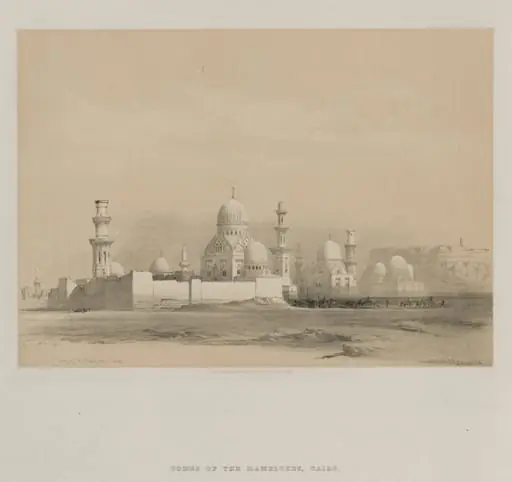 Egypt and Nubia, Volume III: Tombs of the Memlooks, Cairo
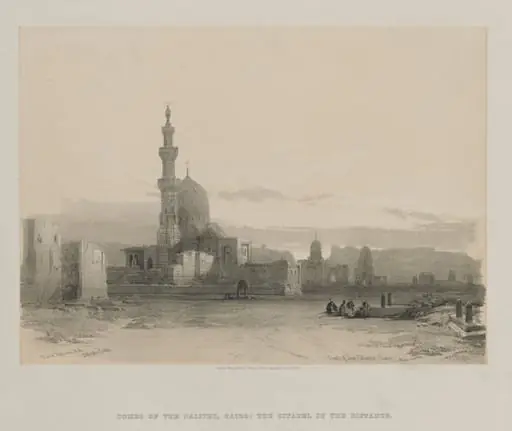 Egypt and Nubia, Volume III: Tombs of the Caliph's, Cairo
![Egypt and Nubia, Volume III: Tombs of the Caliphs-Cairo. Mosque of Ayed Be[y], by Louis Haghe](https://artifactworldgallery.com/img/louis-haghe--egypt-and-nubia-volume-iii-tombs-of-the-caliphs-cairo-mosque--9062e89e981f8684-w320.webp) Egypt and Nubia, Volume III: Tombs of the Caliphs-Cairo. Mosque of Ayed Be[y]
Egypt and Nubia, Volume III: Tombs of the Caliphs-Cairo. Mosque of Ayed Be[y]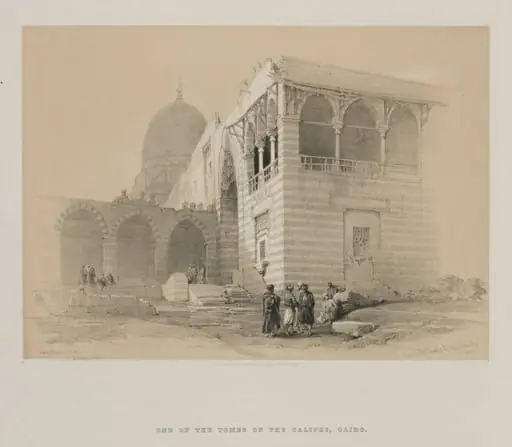 Egypt and Nubia, Volume III: One of the Tombs of the Khalifs, Cairo
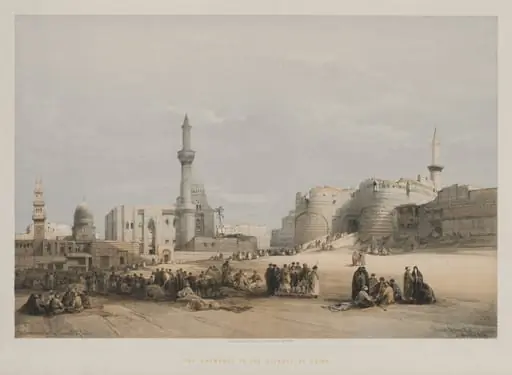 Egypt and Nubia, Volume III: The Entrance to the Citadel of Cairo
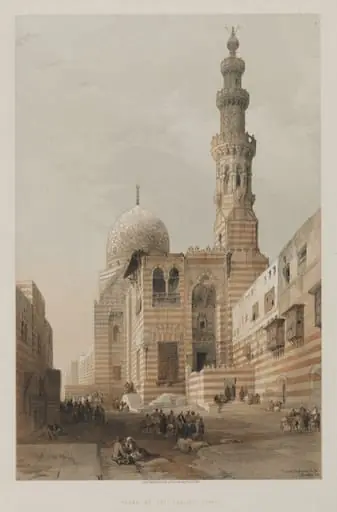 Egypt and Nubia, Volume III: Tombs of the Khalifs, Cairo
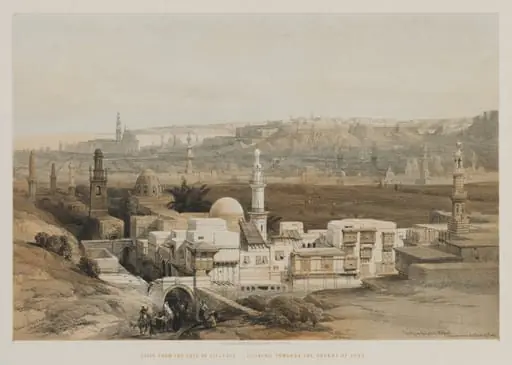 Egypt and Nubia, Volume III: Cairo from the Gate of Citzenib, Looking towards the Desert of Suez
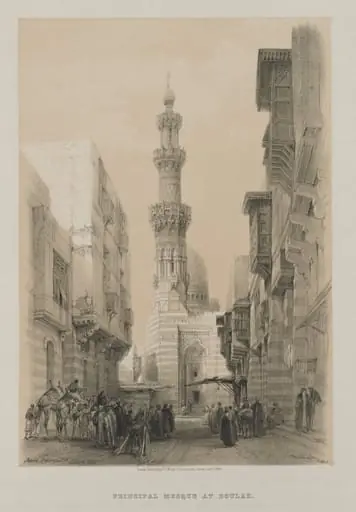 Egypt and Nubia, Volume III: Bullack, Cairo
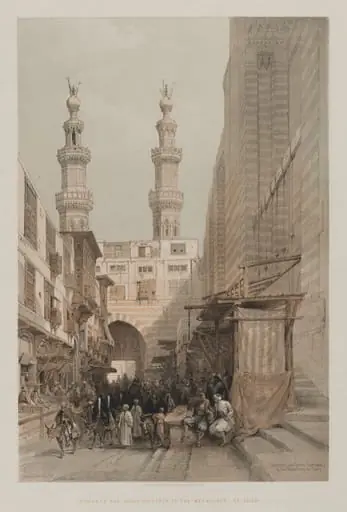 Egypt and Nubia, Volume III: Minarets, and Grand Entrance of the Metwaleys, at Cairo
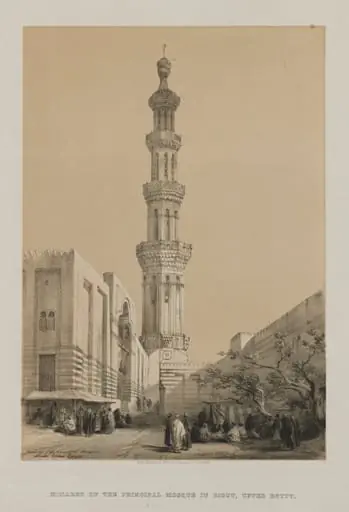 Egypt and Nubia, Volume III: Minaret of the Principal Mosque Siout, Upper Egypt
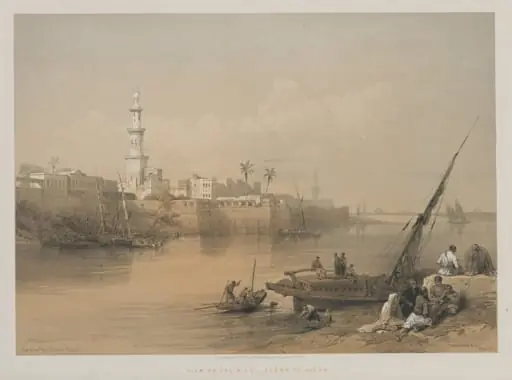 Egypt and Nubia, Volume III: View on the Nile, Ferry to Gizeh