Artwork
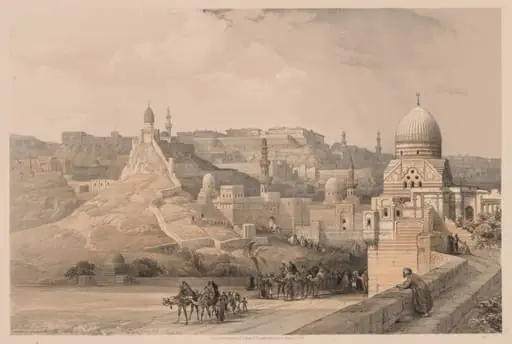
Egypt and Nubia, Volume III: Tombs of the Memlooks, Cairo
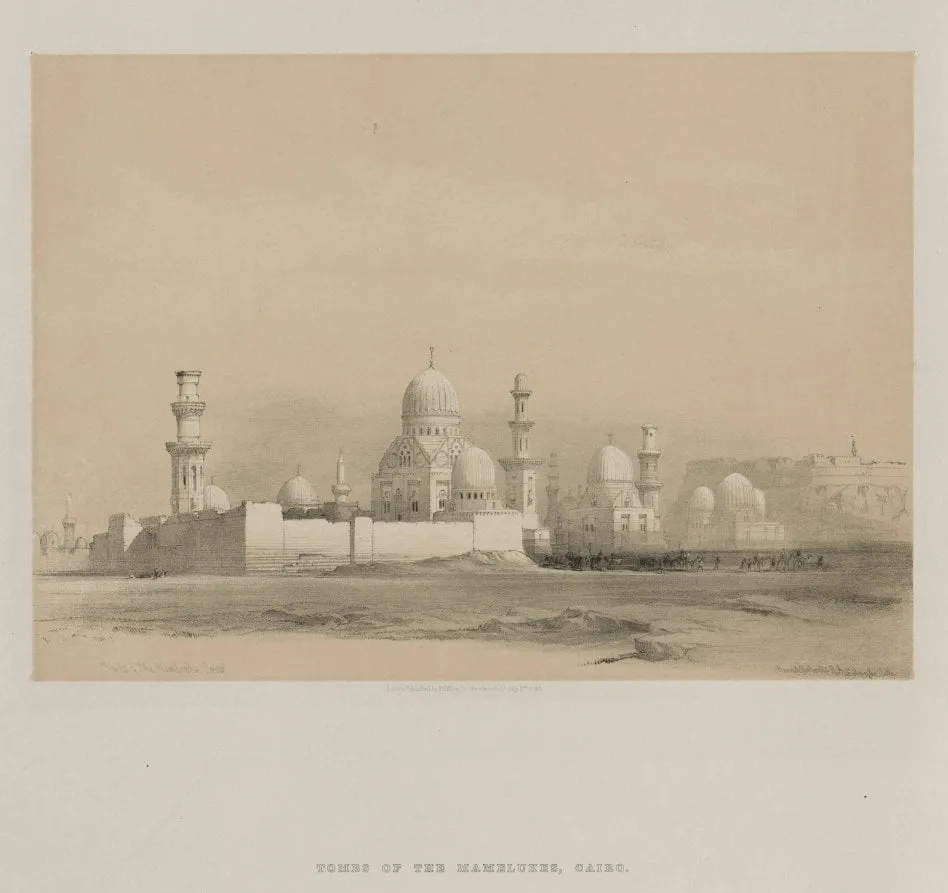
Egypt and Nubia, Volume III: Tombs of the Memlooks, Cairo is a print by the Romanticist artist Louis Haghe. It dates from 1849 and is held in the collection of the Cleveland Museum of Art.
About this work
Overview
The work belongs to a broader 19th-century effort to record and disseminate images of the Islamic monuments of Cairo for European audiences.
Created in 1849 by Louis Haghe, this lithograph is part of a three-volume series documenting architectural sites in Egypt and Nubia. Haghe, a Belgian-born artist active in London, specialized in lithographic reproduction of topographical subjects. The print was produced through the firm Day & Haghe, which helped popularize color lithography in Victorian Britain. The work belongs to a broader 19th-century effort to record and disseminate images of the Islamic monuments of Cairo for European audiences.
Subject & Meaning
The scene centers on the tombs and mosque complex associated with the Mamluk elite in Cairo, rendered with attention to architectural precision. Figures in the foreground suggest daily life around the site, subtly emphasizing the enduring presence of these structures within an active urban environment. Rather than portraying ruins, the image presents them as living landmarks, reflecting contemporary European fascination with the continuity of Islamic heritage in Egypt.
Technique & Style
Haghe employed color lithography to achieve subtle tonal gradations and fine detail in the stone surfaces, arches, and decorative motifs. The soft gray sky and muted palette create a quiet, atmospheric mood, while careful shading enhances the three-dimensionality of the buildings. The composition guides the viewer’s eye from the foreground figures toward the receding minarets, using perspective to convey spatial depth without theatricality.
History & Provenance
The print was produced as part of a commercial publication series aimed at collectors and scholars interested in the Near East. It entered the collection of The Cleveland Museum of Art through documented acquisition, likely as part of a larger set of topographical prints collected during the 19th century. Its preservation reflects the institutional interest in documenting cross-cultural visual records from the period.
Context
This work emerged amid heightened European exploration and documentation of Egypt following Napoleon’s campaign and the rise of Egyptology. While often framed as scholarly, such publications also served colonial-era curiosity and aesthetic tastes. Haghe’s images contributed to a visual lexicon of the Orient, balancing factual observation with the prevailing Romantic sensibility for serene, contemplative landscapes.
Legacy
Haghe’s lithographs remain valuable as historical records of Cairo’s Mamluk architecture before modern interventions. They illustrate the role of print technology in shaping Western perceptions of Islamic monuments. Though not overtly political, these images participated in a broader cultural project of visual cataloging that influenced both archaeological study and artistic representation of the region in the 19th century.
Artist & collection
Artist
Louis Haghe (17 March 1806 – 9 March 1885) was a lithographer and watercolourist from the Netherlands and then the United Kingdom.

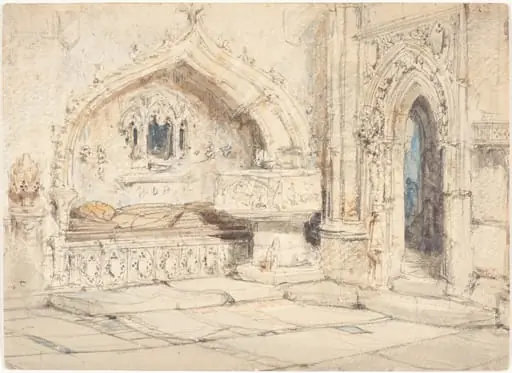 Interior of a Church with a Wall Tomb and Medieval Font
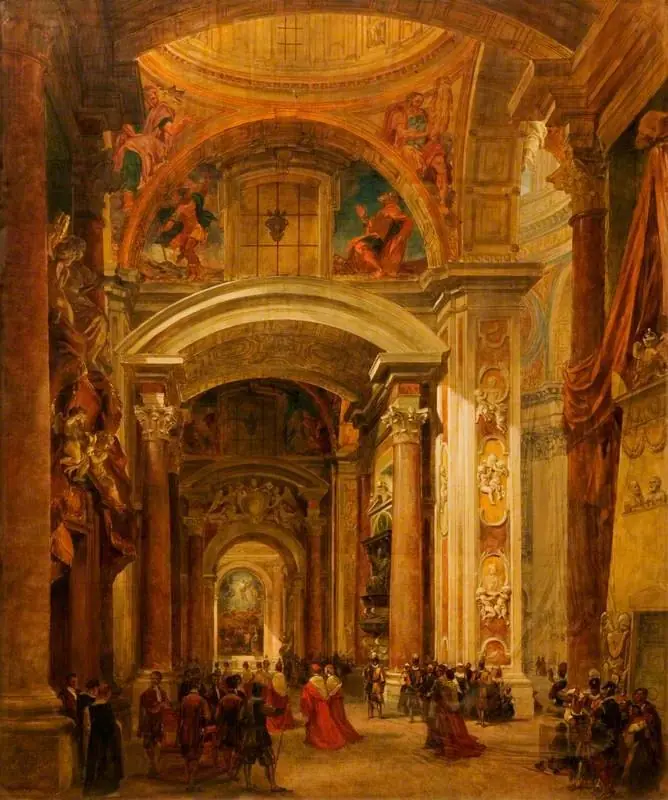 Interior of St Peter's, Rome
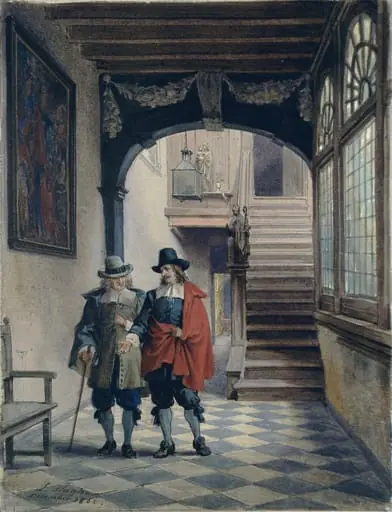 The Corridor, Brewer's Hall, Antwerp
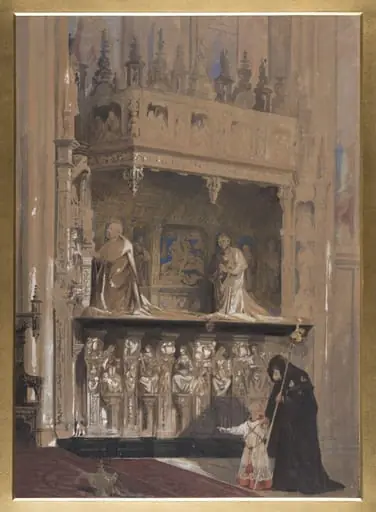 Monument of the Cardinald D'Amboise in Rouen Cathedral
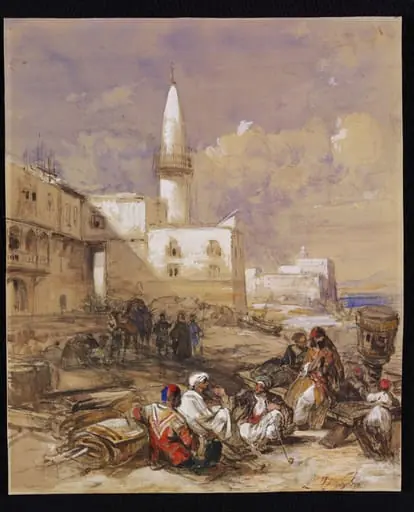 The Quay at Suez
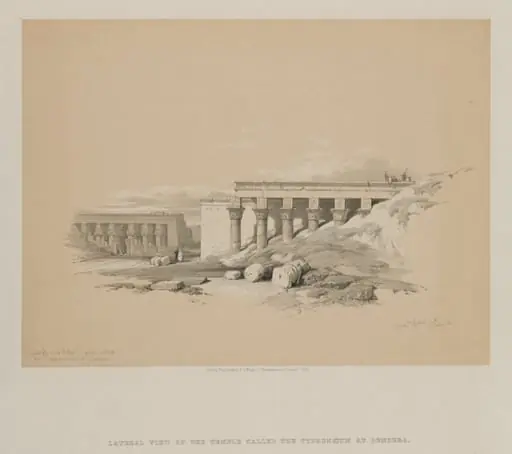 Egypt and Nubia, Volume II: Lateral View of the Temple called The Typhonoeum at Dendera
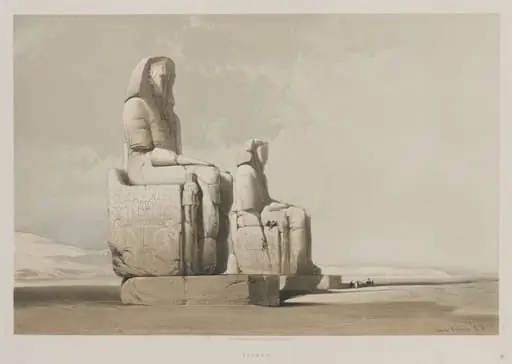 Egypt and Nubia, Volume I: Thebes
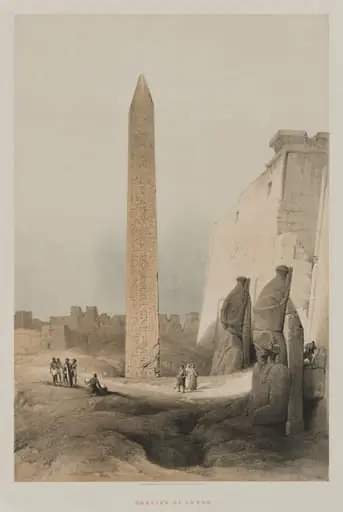 Egypt and Nubia, Volume I: Luxor
![Egypt and Nubia, Volume III: Tombs of the Caliphs-Cairo. Mosque of Ayed Be[y], by Louis Haghe](https://artifactworldgallery.com/img/louis-haghe--egypt-and-nubia-volume-iii-tombs-of-the-caliphs-cairo-mosque--9062e89e981f8684-w320.webp) Egypt and Nubia, Volume III: Tombs of the Caliphs-Cairo. Mosque of Ayed Be[y]
Egypt and Nubia, Volume III: Tombs of the Caliphs-Cairo. Mosque of Ayed Be[y]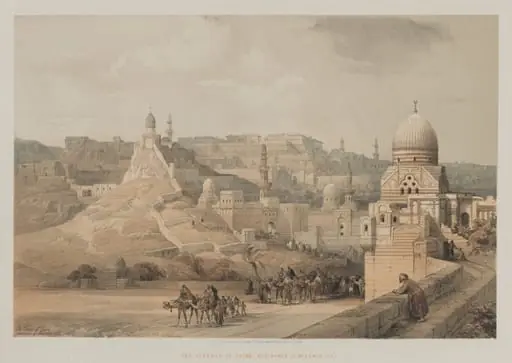 Egypt and Nubia, Volume III: The Citadel of Cairo, Residence of Mehemet Ali
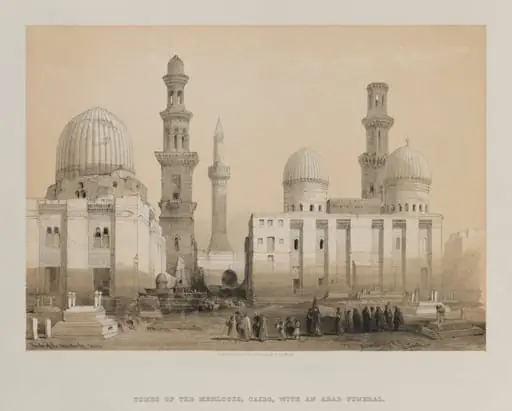 Egypt and Nubia, Volume III: Tomb of the Memlooks, Cairo
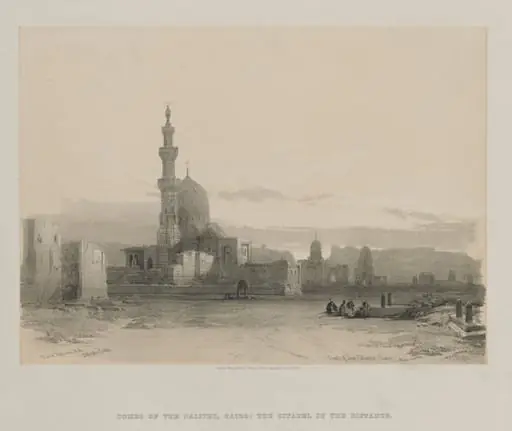 Egypt and Nubia, Volume III: Tombs of the Caliph's, Cairo
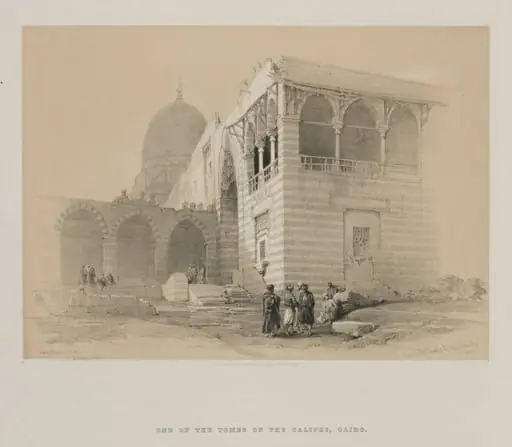 Egypt and Nubia, Volume III: One of the Tombs of the Khalifs, Cairo
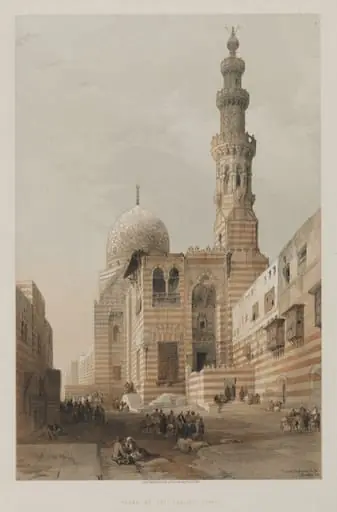 Egypt and Nubia, Volume III: Tombs of the Khalifs, Cairo
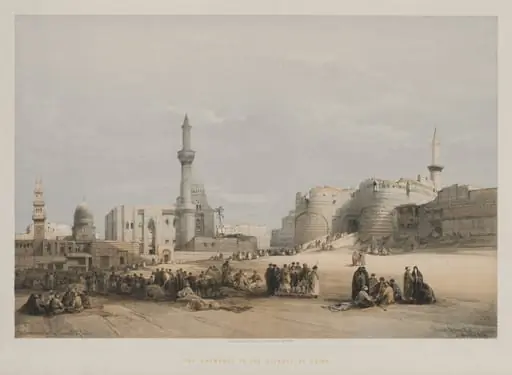 Egypt and Nubia, Volume III: The Entrance to the Citadel of Cairo
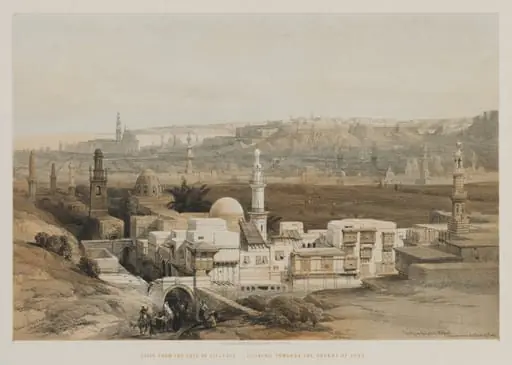 Egypt and Nubia, Volume III: Cairo from the Gate of Citzenib, Looking towards the Desert of Suez
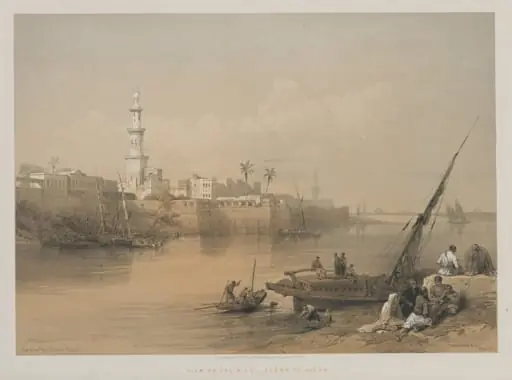 Egypt and Nubia, Volume III: View on the Nile, Ferry to Gizeh
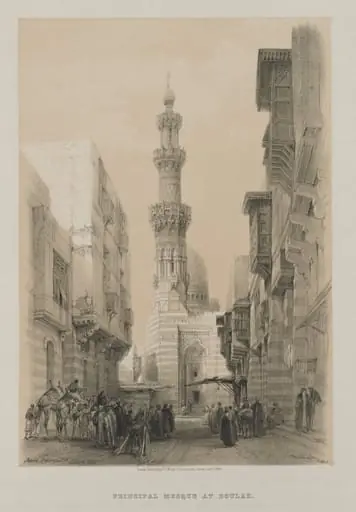 Egypt and Nubia, Volume III: Bullack, Cairo
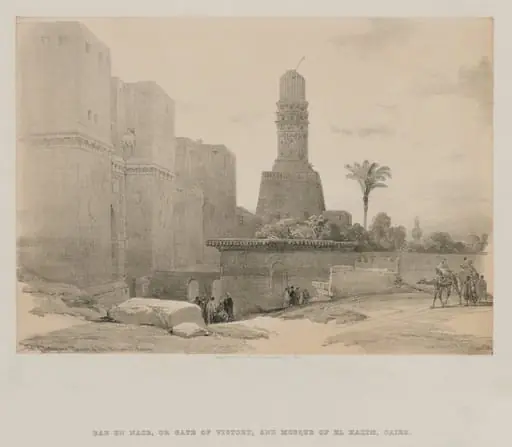 Egypt and Nubia, Volume III: Gate of Victory and Minaret of the Mosque El Hakim
 Egypt and Nubia: Volume III - No. 34, The Citadel of Cairo, Residence of Mehemet Ali