Artwork
The Holy Land, Syria, Idumea, Arabia, Egypt & Nubia (Vol. III): Petra, Looking South
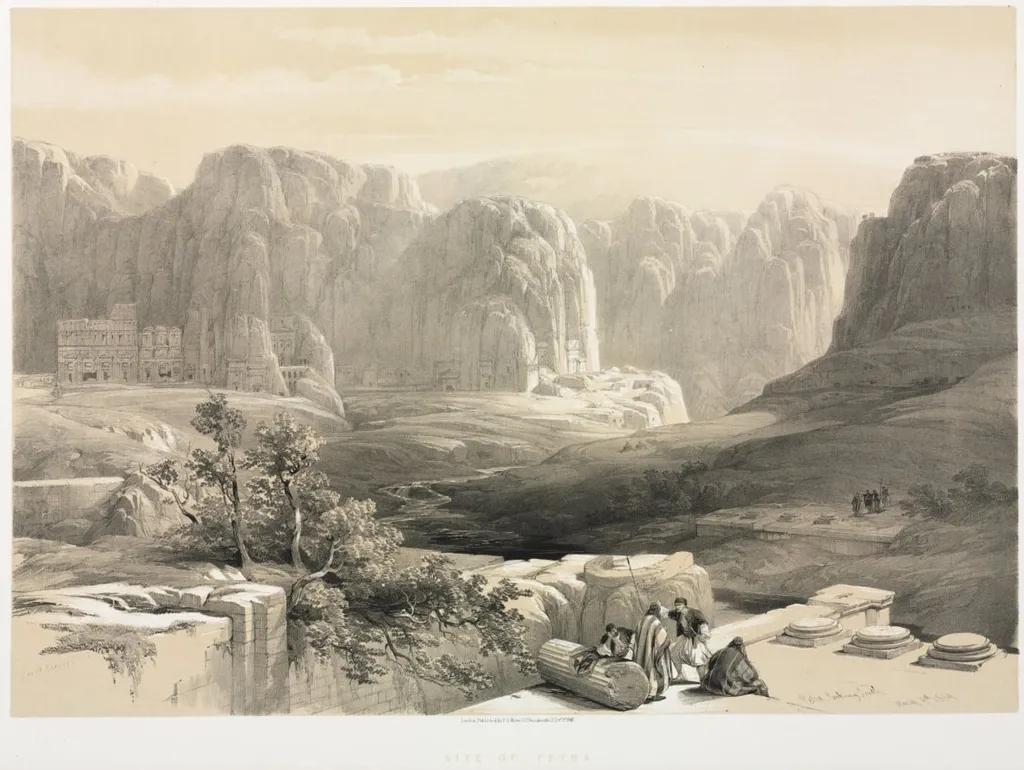
The Holy Land, Syria, Idumea, Arabia, Egypt & Nubia (Vol. III): Petra, Looking South is a print by the Romanticist artist Louis Haghe. It dates from 1842 and is held in the collection of the Cleveland Museum of Art.
About this work
You see a detailed drawing of an ancient city, Petra, looking south.
The drawing is interesting because it shows a mix of old and new structures.
It was made from a trip to the area, which was a big deal back then.
You can learn more about this style by looking at the work of artist: Louis Haghe (British, 1806–1885)
Overview
Haghe’s work was produced in London, where he collaborated with Day & Haghe, a leading firm in lithographic reproduction during the period.
This 1842 lithograph by Louis Haghe captures a southern vista of Petra, an ancient Nabataean city carved into sandstone cliffs. Part of a three-volume illustrated series on Middle Eastern and North African sites, the print reflects early Victorian efforts to document archaeological landscapes through precise visual records. Haghe’s work was produced in London, where he collaborated with Day & Haghe, a leading firm in lithographic reproduction during the period.
Subject & Meaning
The view presents Petra’s monumental façades and ruins as they appeared in the mid-19th century, with structures both intact and eroded. The inclusion of contemporary figures and tents suggests the presence of local inhabitants and travelers, grounding the ancient site in its living context. The image does not idealize the ruins but records them as they were encountered, blending historical presence with contemporary observation.
Technique & Style
Haghe employed lithography to achieve fine tonal gradations and intricate detail, a technique he helped refine through his firm. The print’s precision in rendering rock textures, architectural forms, and atmospheric perspective reflects the technical advancements of early Victorian lithographic printing. His background as a watercolorist informed the delicate handling of light and shadow, lending the image a sense of depth and realism.
History & Provenance
Created after Haghe’s 1839 expedition to the region, the print was published as part of a scholarly series commissioned by British patrons interested in biblical and classical geography. The volume was distributed to libraries and institutions across Europe, contributing to the growing European fascination with the Levant. Its production coincided with increased Western archaeological interest in the Ottoman-controlled territories of the time.
Context
In the 1830s and 1840s, travel to Petra remained rare and arduous, making visual documentation a significant act of exploration. European audiences had limited access to firsthand accounts of the region, so illustrated volumes like this served as primary sources of information. Haghe’s work aligned with broader imperial and academic projects seeking to catalog and interpret the ancient world through systematic visual survey.
Legacy
Haghe’s lithograph became a reference for later scholars and travelers, preserving a record of Petra’s condition before modern excavation and tourism altered the site. While later photographers would supplant lithography, his images remain valuable for their detailed observation and technical craftsmanship. The print endures as a historical artifact of 19th-century visual culture and the early documentation of archaeological heritage.
Artist & collection
Artist
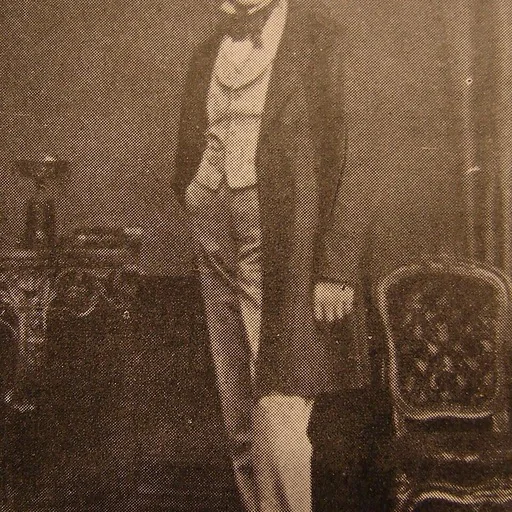
Louis Haghe (17 March 1806 – 9 March 1885) was a lithographer and watercolourist from the Netherlands and then the United Kingdom.

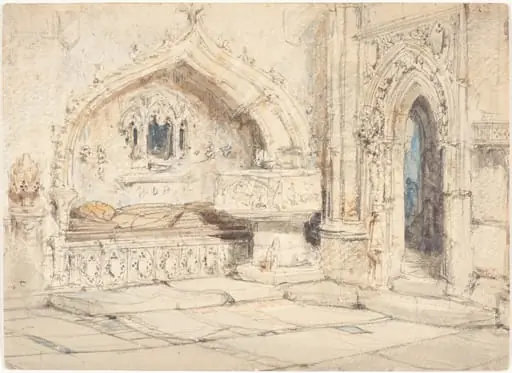 Interior of a Church with a Wall Tomb and Medieval Font
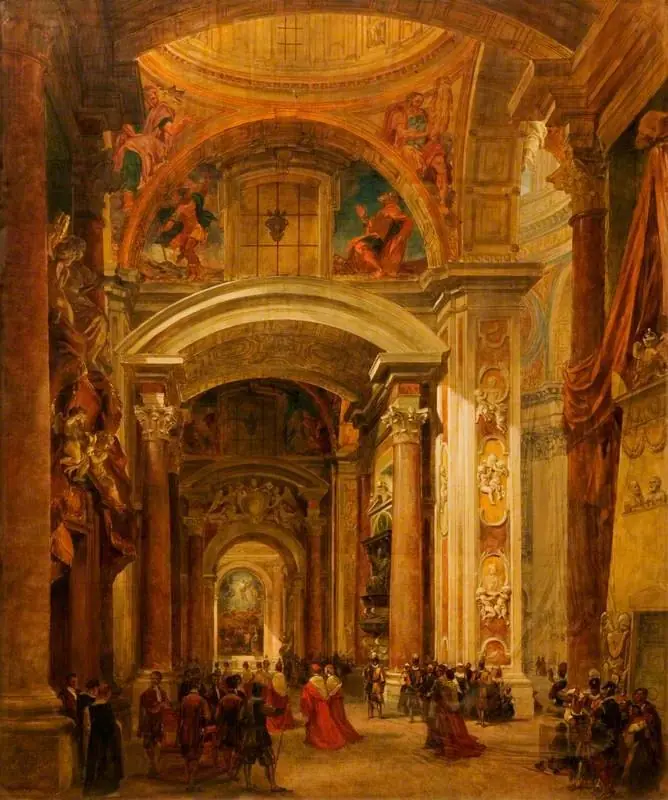 Interior of St Peter's, Rome
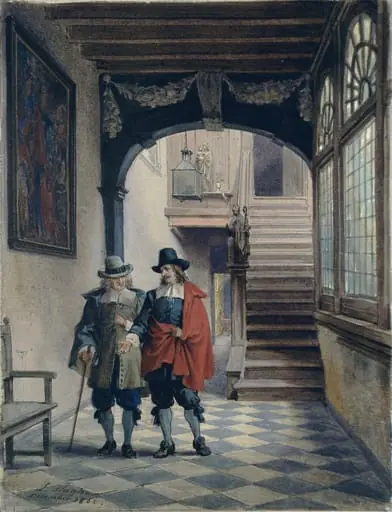 The Corridor, Brewer's Hall, Antwerp
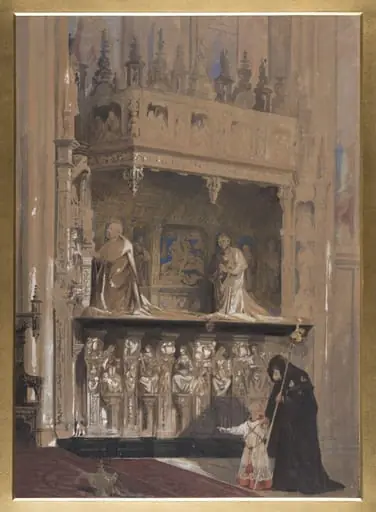 Monument of the Cardinald D'Amboise in Rouen Cathedral
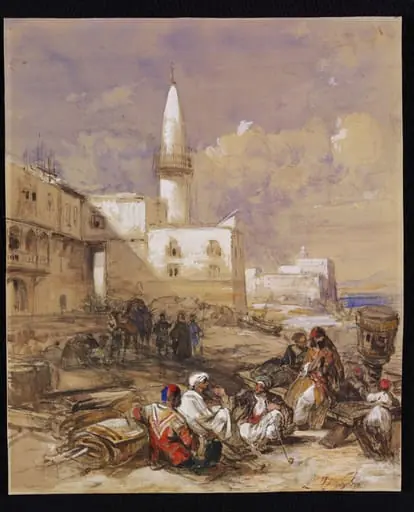 The Quay at Suez
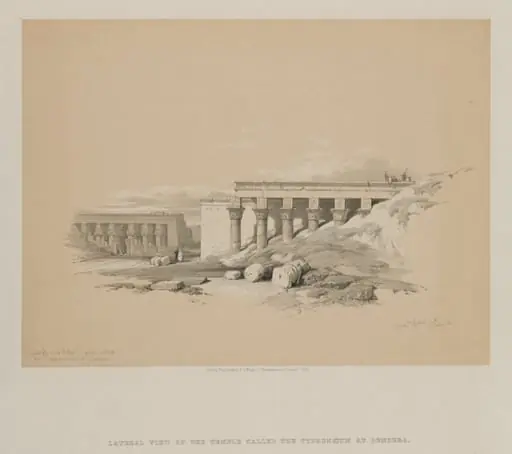 Egypt and Nubia, Volume II: Lateral View of the Temple called The Typhonoeum at Dendera
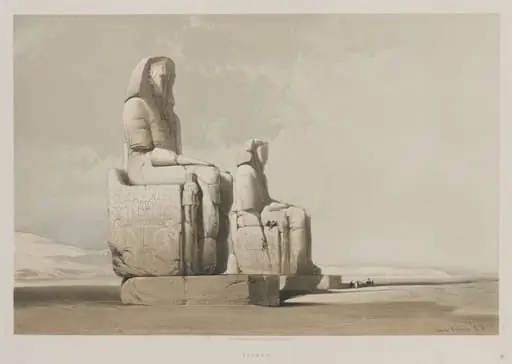 Egypt and Nubia, Volume I: Thebes
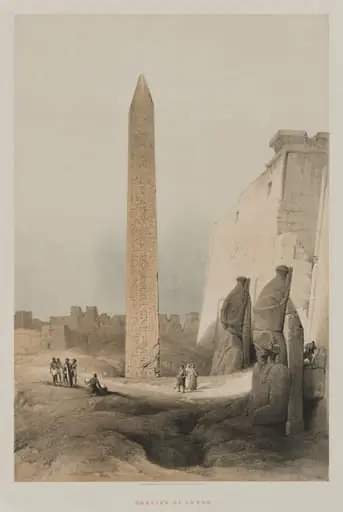 Egypt and Nubia, Volume I: Luxor
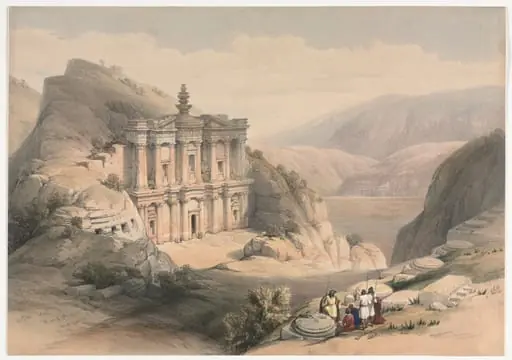 El Deir Petra
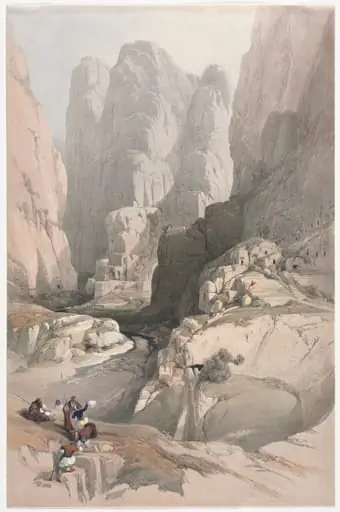 Entrance to Petra, the Theatre
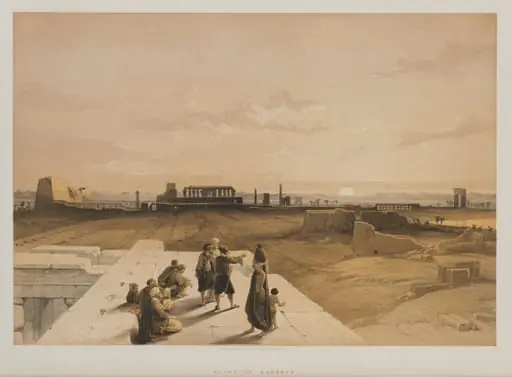 Egypt and Nubia, Volume I: Ruins of Karnac
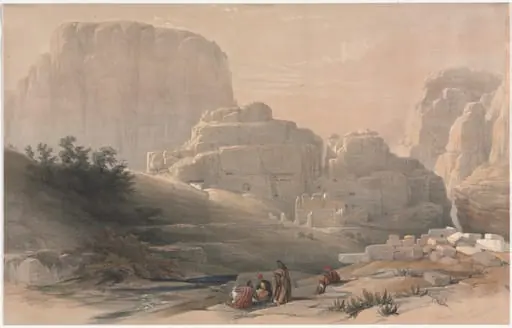 Petra, Lower End of the Valley, Viewing the Acropolis
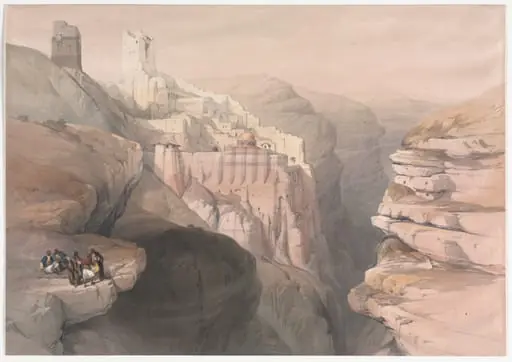 Convent of St. Saba
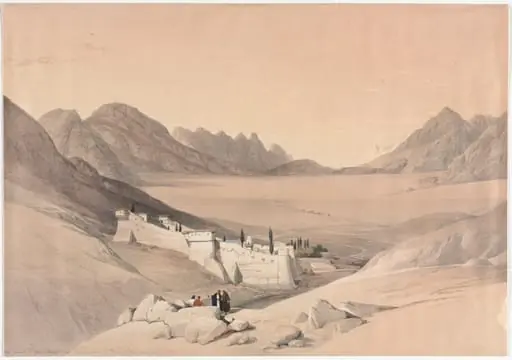 The Convent of St. Catherine, Mount Sinai, Looking towards the Plain of the Encampment
 Egypt and Nubia: Volume II - No. 34, Entrance to the Tombs of the Kings of Thebes, Biban-el-molook
 Ehrenbreitstein