Artwork
Madame Lvebout
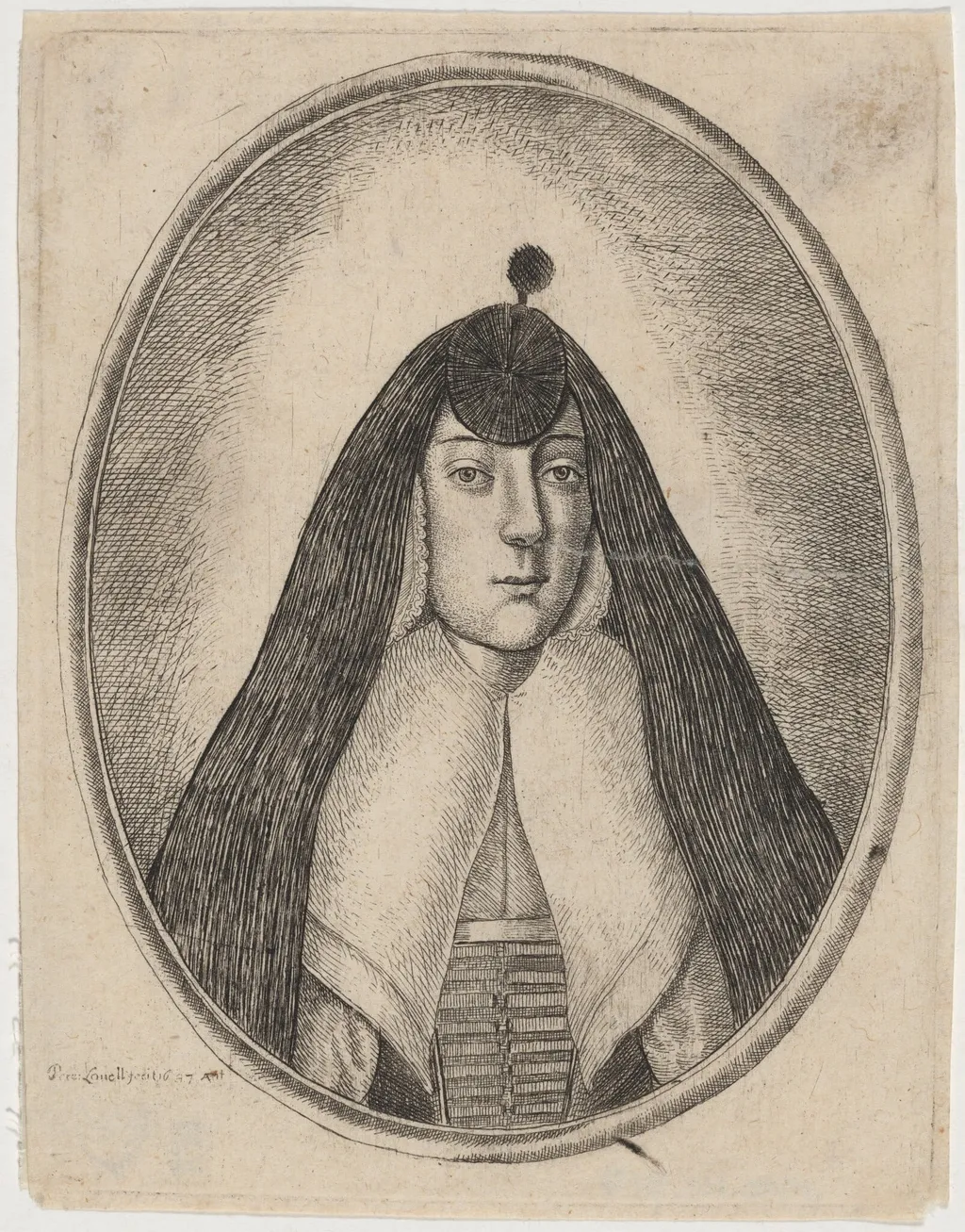
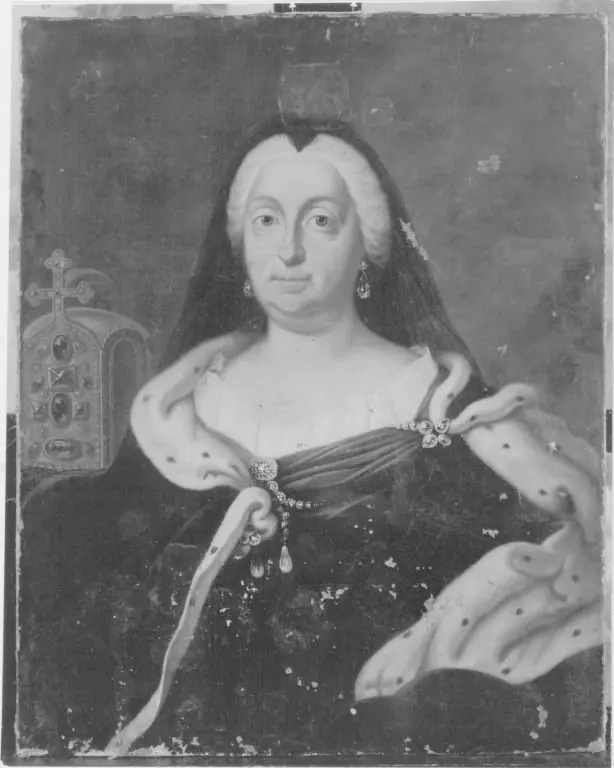
Madame Lvebout is an ink print by the Renaissance artist Peregrine Lovell. It dates from 1620 and is held in the collection of the National Gallery of Art.
About this work
Overview
The print belongs to the tradition of early 17th-century portraiture in England, where engraved likenesses served as intimate records of individuals.
Madame Lvebout is a black-and-white engraving produced in 1620 by Peregrine Lovell. The work presents a seated woman in profile, rendered with fine linear detail using cross-hatching to suggest volume and texture. The composition centers on the subject’s face and attire, with minimal background elements to direct attention toward her presence. The print belongs to the tradition of early 17th-century portraiture in England, where engraved likenesses served as intimate records of individuals.
Subject & Meaning
The sitter, identified as Madame Lvebout, is depicted with quiet composure, her gaze directed slightly to the right. Her attire—a white shawl draped over a striped gown—suggests modest affluence, while the round hat reflects contemporary fashion. The absence of symbolic objects or elaborate setting implies a focus on personal identity rather than status or allegory. The portrait conveys dignity through restraint, typical of private portraiture in this period.
Technique & Style
Lovell employed fine-line engraving to build form through controlled cross-hatching, particularly evident in the folds of the shawl and the contours of the face. The background is left lightly shaded, allowing the subject to emerge through contrast. The technique avoids dramatic lighting, favoring even illumination that enhances clarity and subtlety. The precision of the lines reflects the engraver’s skill in translating three-dimensional form into two-dimensional inkwork.
History & Provenance
Created in 1620, the engraving likely originated as a personal commission or reproduction for domestic circulation. No documented ownership chain is widely recorded, and the work survives primarily in institutional print collections. Its survival suggests it was valued as a faithful likeness, though its circulation appears limited compared to more prominent contemporary portraits. The name 'Lvebout' may indicate French or Huguenot heritage, common among London’s merchant classes at the time.
Context
In early 17th-century England, engraved portraits were produced for private use, often by artists trained in continental techniques. While large-scale painting dominated public display, engravings offered accessible, reproducible likenesses. Lovell’s work aligns with a small but active group of printmakers who catered to urban elites seeking personal mementos. The style reflects influences from Dutch and Flemish engraving traditions, adapted to English tastes for understated realism.
Legacy
Madame Lvebout remains a representative example of modest, non-royal portraiture from the Jacobean era. It contributes to the understanding of how ordinary individuals were visually documented outside the courtly sphere. Though not widely exhibited, the engraving is studied for its technical discipline and its insight into domestic identity in early modern England. It stands as a quiet testament to the role of print in preserving personal memory.
Artist & collection

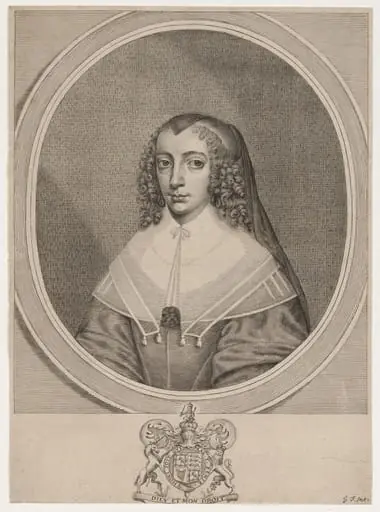 Henrietta Maria
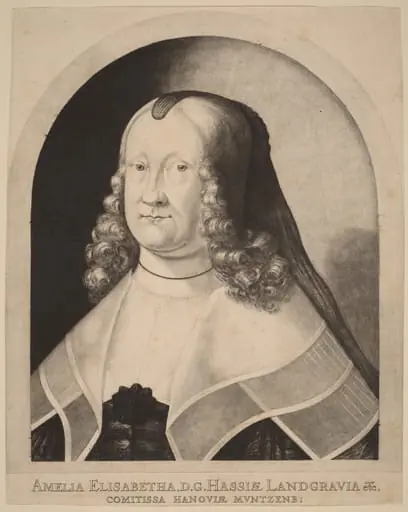 Amelia Elizabeth, Countess of Hesse
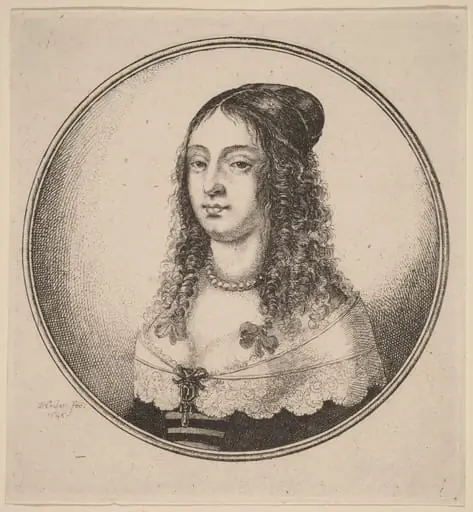 Lady with Ribbons on Curls
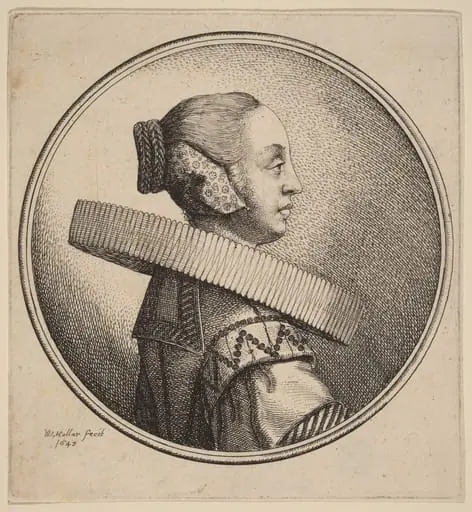 Woman with a Ruff in Profile
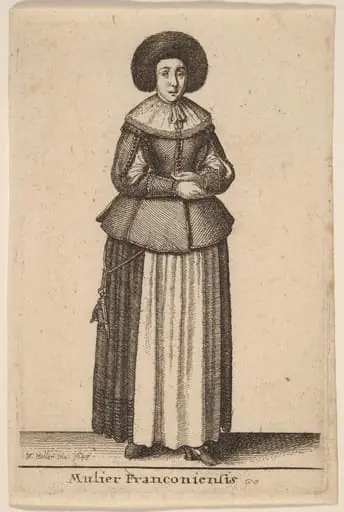 Mulier Franconiensis
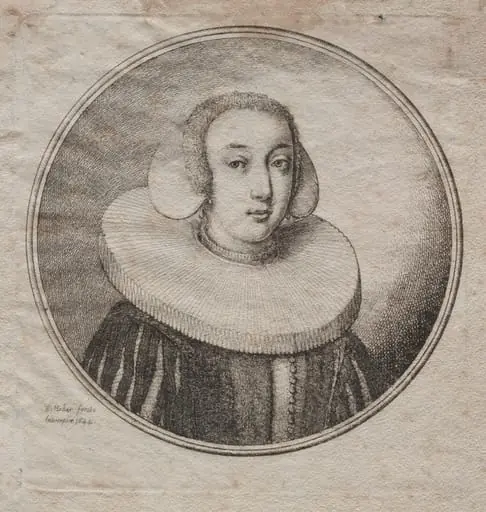 Woman with a Millstone Ruff
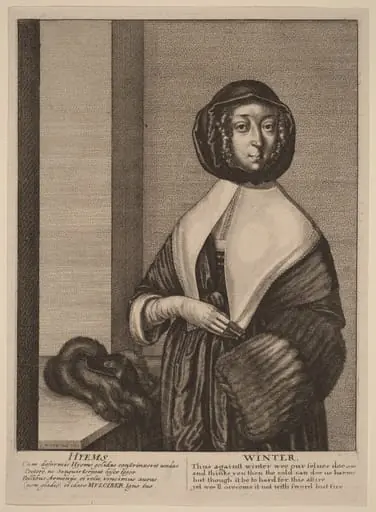 Winter
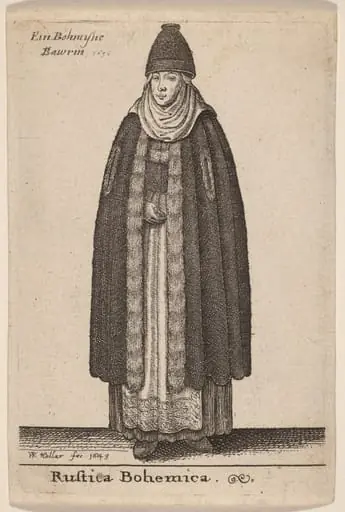 Rustica Bohemica
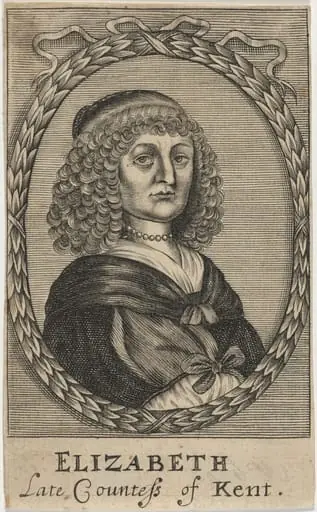 Elizabeth Talbot, Countess of Kent, Authoress
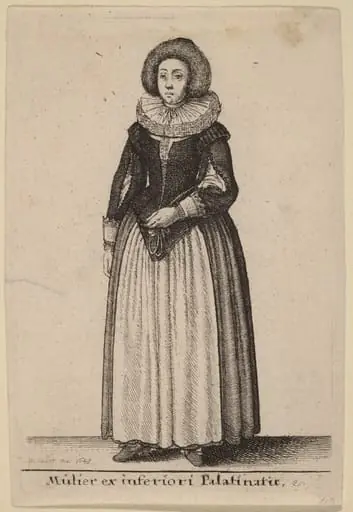 Mulier ex inferiori Palainatu
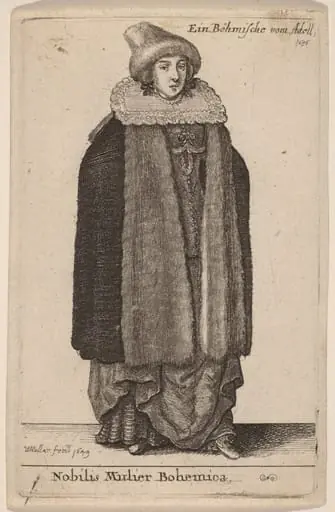 Nobilis Mulier Bohemica
 Maria Amalia of Austria as widow