Artwork
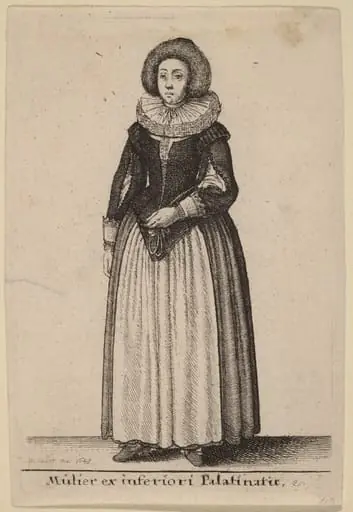
Woman with a Millstone Ruff
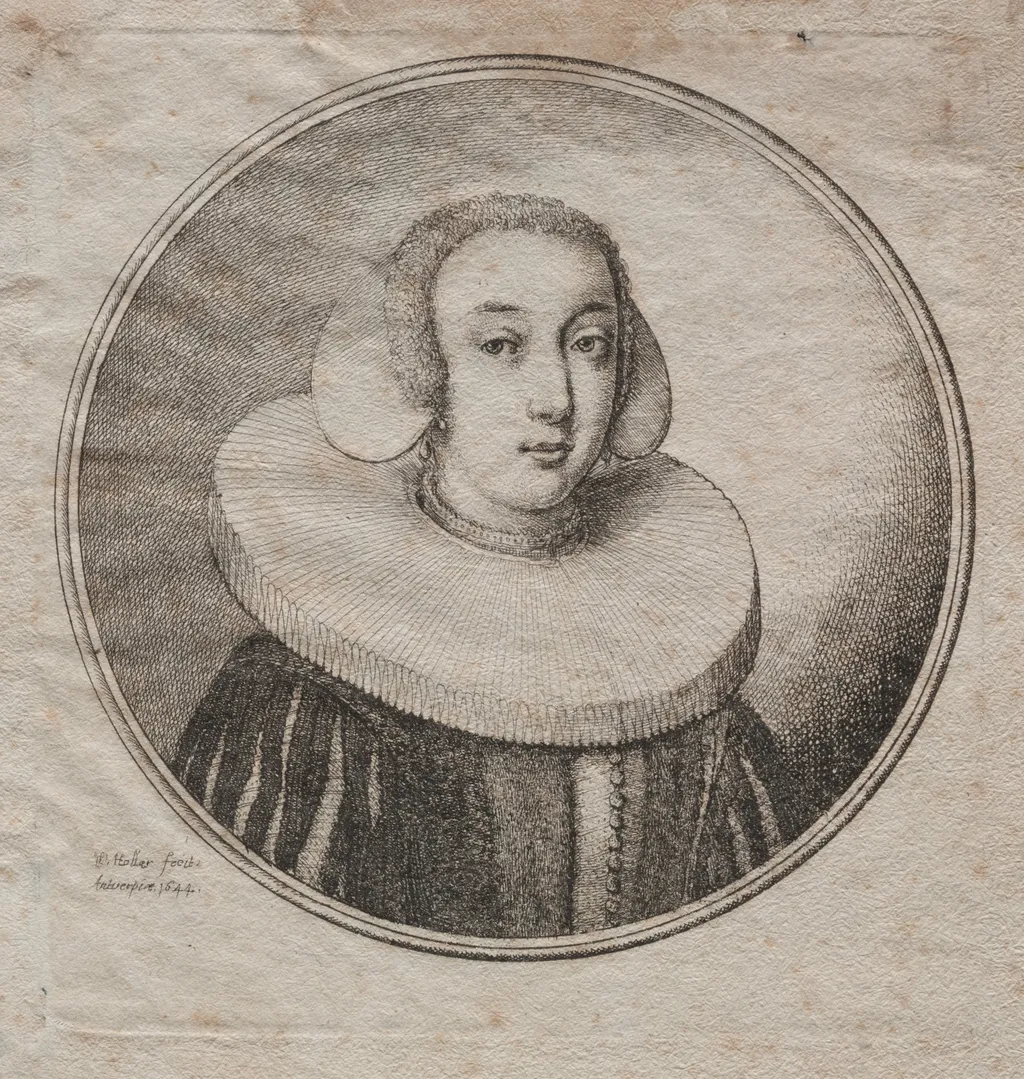
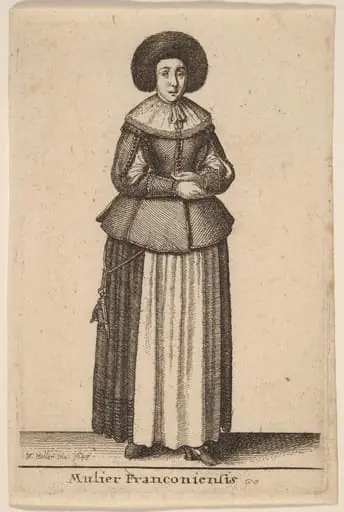
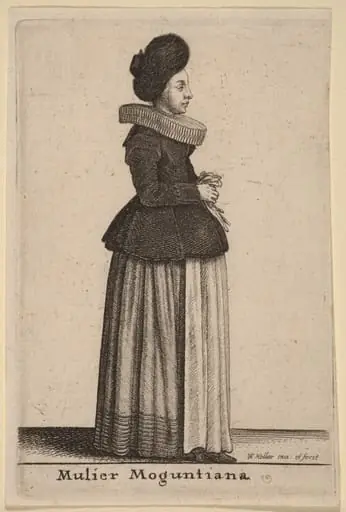
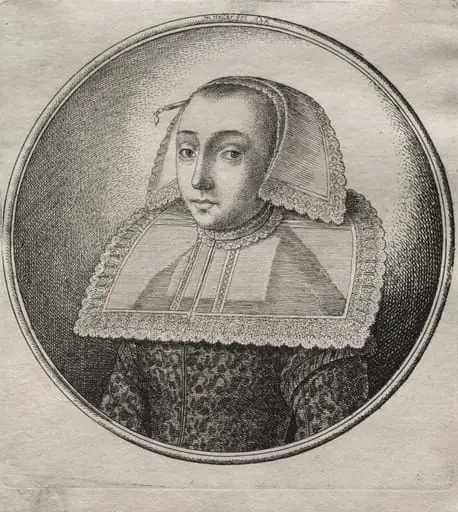
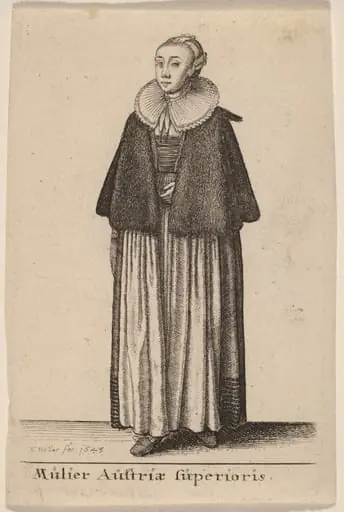
Woman with a Millstone Ruff is a print by the Baroque artist Wenceslaus Hollar. It dates from 1644 and is held in the collection of the Cleveland Museum of Art.
About this work
Overview
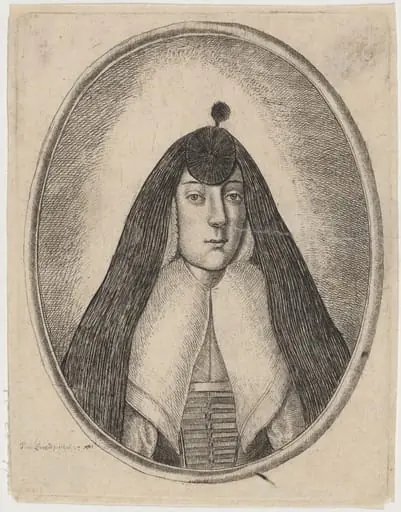
Wenceslaus Hollar, a Bohemian artist active in 17th-century England, produced this etching in 1644. Though best known for topographical views, he also turned his precision to portraiture. The work captures a woman in formal attire, rendered with meticulous line work typical of his engraving practice. It resides today in the Cleveland Museum of Art’s print collection.
Subject & Meaning
The figure is a woman dressed in the conservative fashion of mid-1600s Europe, her identity unrecorded. The exaggerated millstone ruff—large, rigid, and intricately folded—signals social status and adherence to elite norms. Her solemn gaze and restrained posture suggest dignity rather than vanity, reflecting the era’s emphasis on decorum in portraiture.
Technique & Style
Hollar employed fine, controlled etching lines to render the ruff’s complex folds and the texture of fabric and hair. The contrast between the dark dress and the luminous white collar creates visual weight. His technique emphasizes detail over emotional expression, aligning with the precision valued in Northern European printmaking of the period.
History & Provenance
Created during Hollar’s years in London, the print emerged amid political upheaval and cultural exchange between continental Europe and England. It was likely made for a private audience interested in fashion and portraiture. The work entered the Cleveland Museum of Art’s collection in the 20th century, preserved as an example of Baroque-era graphic art.
Context
The millstone ruff, though declining in popularity by the 1640s, persisted among conservative elites as a symbol of tradition. Hollar’s depiction reflects the lingering influence of earlier Tudor and Stuart styles, even as newer, softer collars gained favor. His focus on textile detail mirrors broader European interest in material culture during the Baroque era.
Legacy
This print endures as a record of early modern dress and engraving technique. Hollar’s ability to translate texture and form into ink on paper influenced later generations of printmakers. While not widely exhibited, it remains a valuable reference for scholars studying fashion, gender, and visual culture in 17th-century Europe.
Artist & collection
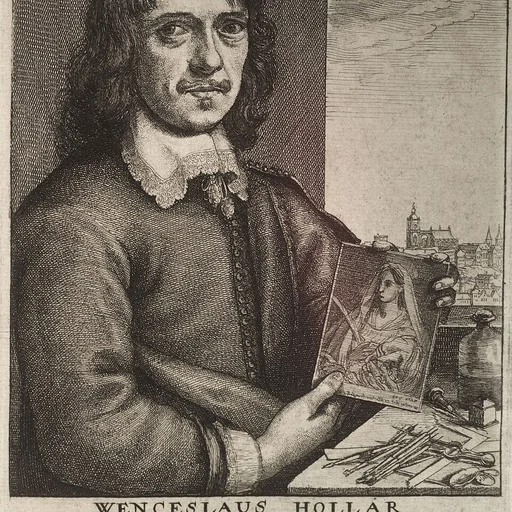
Artist
Wenceslaus Hollar (Czech: Václav Hollar (Czech pronunciation: ), German: Wenzel Hollar; 23 July 1607 – 25 March 1677) was a Czech engraver, etcher and painter.