Artwork
Mulier Franconiensis
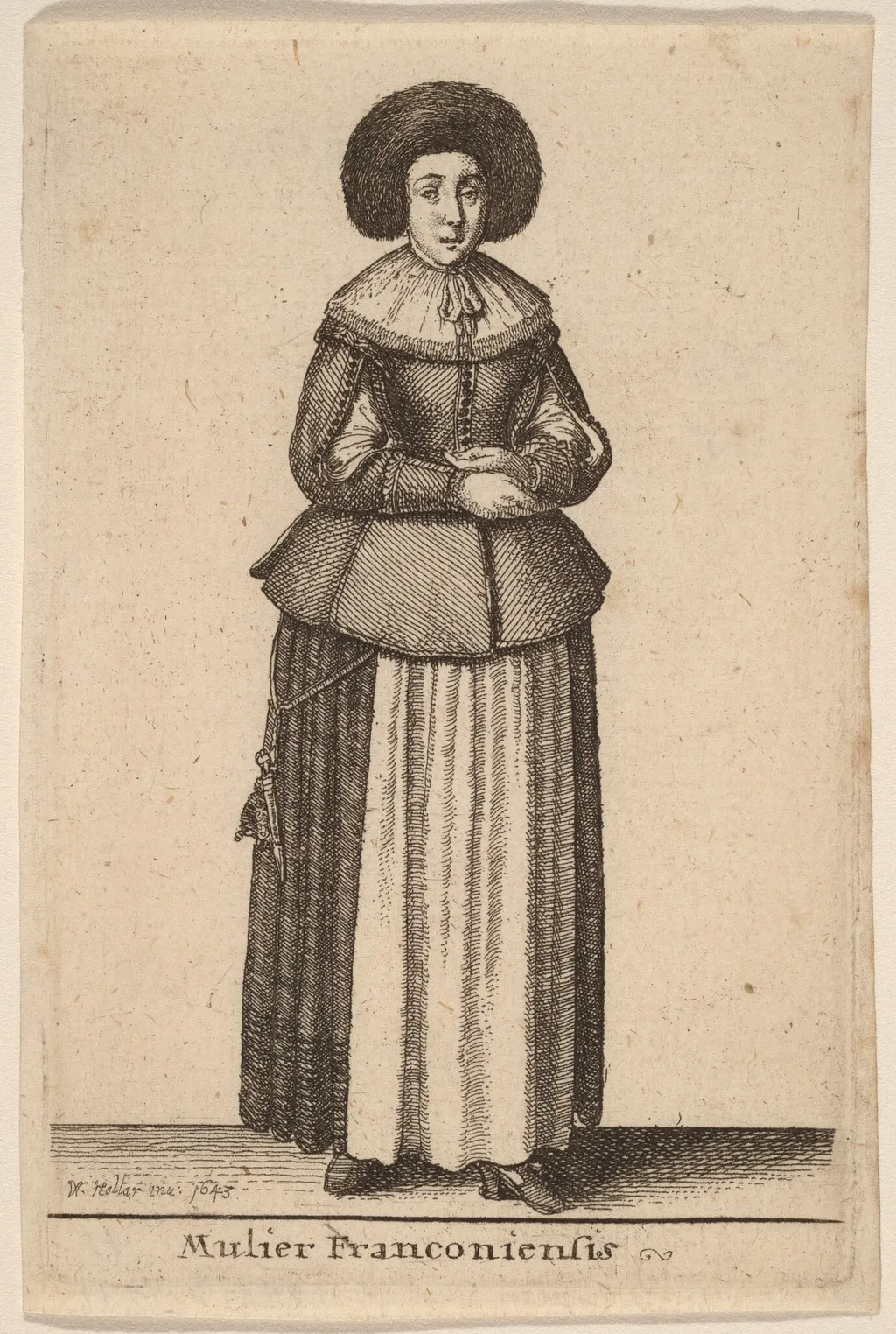
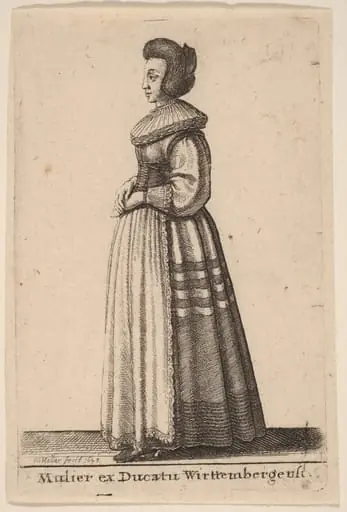
Mulier Franconiensis is an ink print by the Baroque artist Wenceslaus Hollar. It dates from 1643 and is held in the collection of the National Gallery of Art.
About this work
Overview
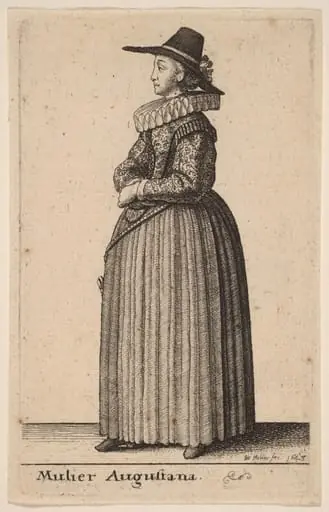
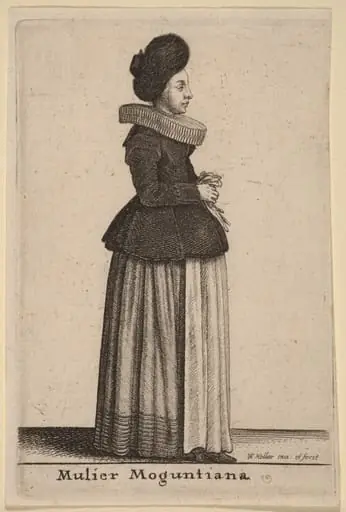
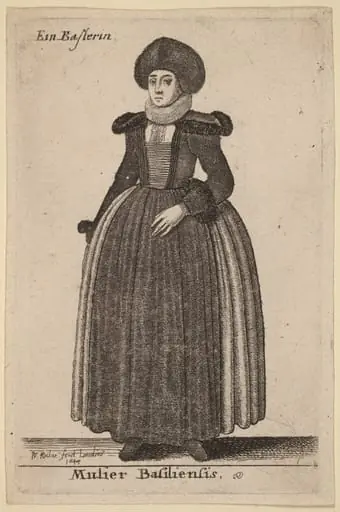
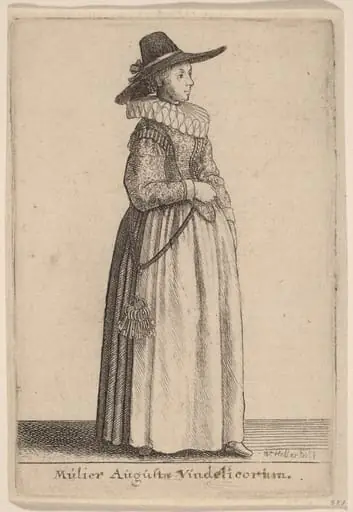
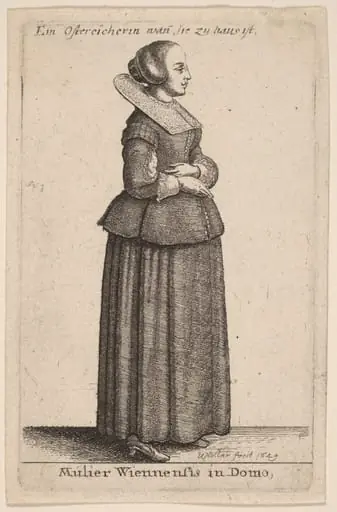
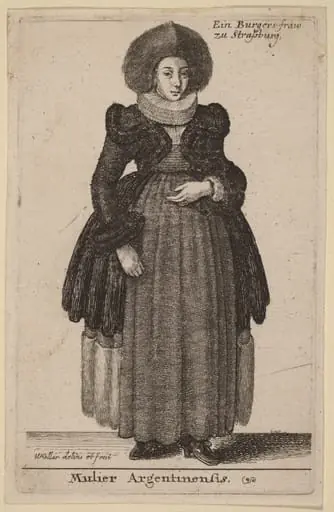
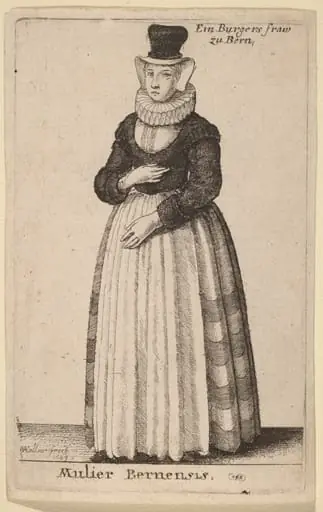
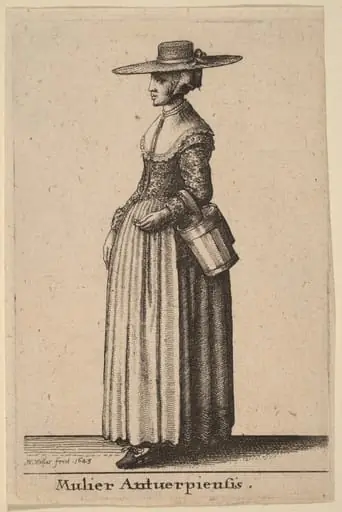
Created in 1643, *Mulier Franconiensis* is an etching by the Czech-born printmaker Wenceslaus Hollar, who worked extensively in England. The work presents a solitary female figure rendered in monochrome, captured with precise line work that emphasizes the texture of her clothing and the calm demeanor of her pose.
Subject & Meaning
The figure is dressed in the traditional costume of Franconia, a historic region of present‑day Germany. She wears a broad hat, a puffed collar, a striped skirt bound by a wide belt, and modest shoes, her hands clasped before her. The image serves as a visual record of regional dress in the mid‑17th century, reflecting contemporary interest in documenting local customs.
Technique & Style
Hollar employed the etching process, incising the design onto a copper plate with a needle before treating it with acid to create the lines. His characteristic fine, controlled strokes render the folds of fabric and subtle details such as shoe buckles, demonstrating his skill in rendering texture and form within the limits of black‑and‑white printmaking.
History & Provenance
The print was produced during Hollar’s prolific period in England, when he was known for topographical and genre subjects drawn from his travels across Europe. While specific ownership records are scarce, the work is catalogued among his series of ethnographic studies, illustrating his broader interest in the peoples and places he encountered.
Artist & collection
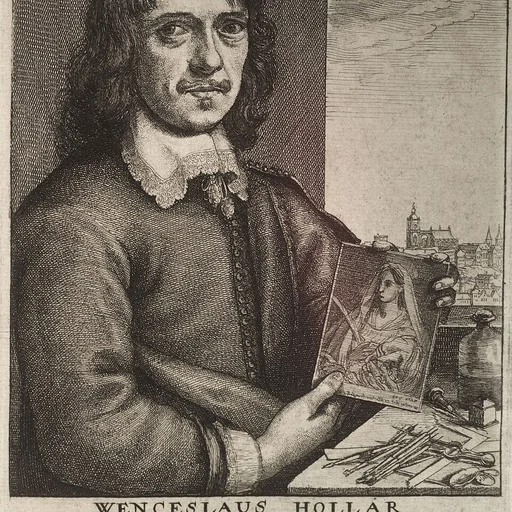
Artist
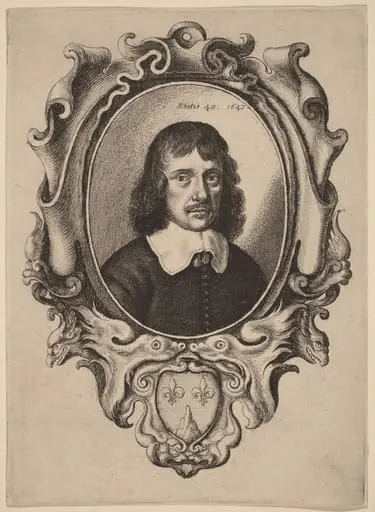
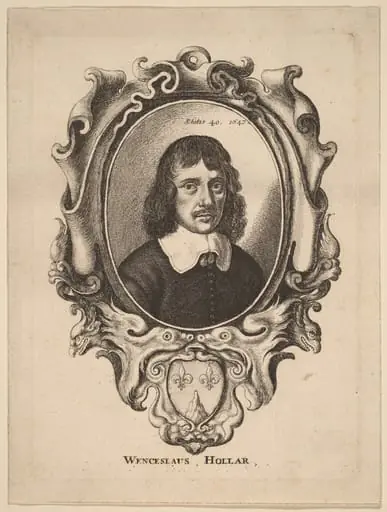
Wenceslaus Hollar (Czech: Václav Hollar (Czech pronunciation: ), German: Wenzel Hollar; 23 July 1607 – 25 March 1677) was a Czech engraver, etcher and painter.