Artwork
A Faun and His Family with a Slain Lion
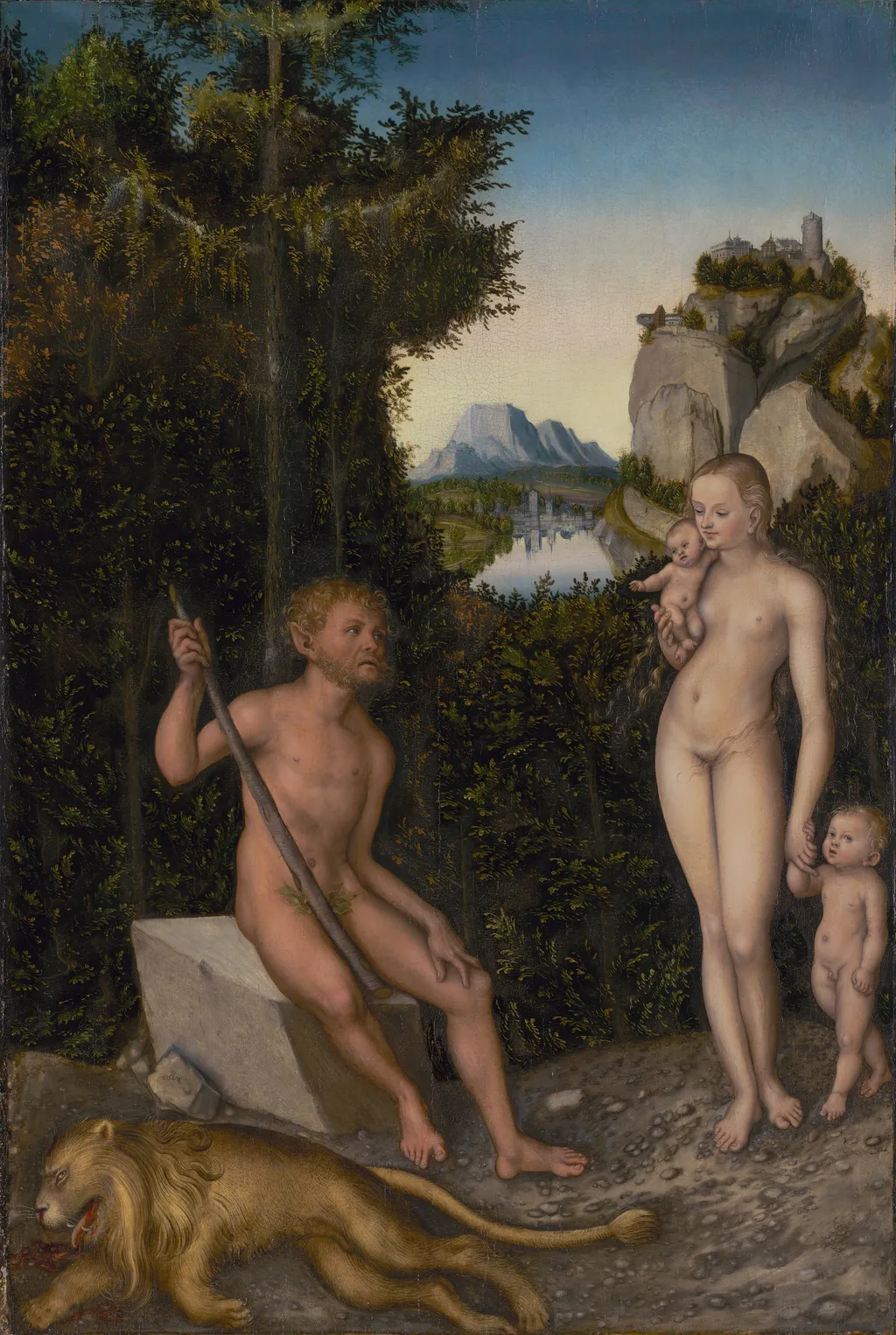
A Faun and His Family with a Slain Lion is an oil painting by the Northern Renaissance artist Lucas Cranach the Elder. It dates from 1526 and is held in the collection of the J. Paul Getty Museum.
About this work
Overview
Painted in 1526 by Lucas Cranach the Elder, this oil-on-panel work presents a mythological scene centered on a faun, a hybrid figure from classical lore.
Painted in 1526 by Lucas Cranach the Elder, this oil-on-panel work presents a mythological scene centered on a faun, a hybrid figure from classical lore. The composition includes a woman with two children and the carcass of a lion, arranged in a quiet, pastoral setting. The painting resides in the collection of the J. Paul Getty Museum, where it is noted for its unusual fusion of pagan symbolism and Northern Renaissance detail.
Subject & Meaning
The faun, traditionally a woodland spirit, is depicted as a domestic patriarch, holding a staff and presiding over a family unit. The slain lion, once a symbol of power, lies inert at their feet, suggesting triumph or tamed nature. The nude woman and children evoke themes of fertility and protection, possibly reflecting Renaissance humanist interests in classical myth reinterpreted through moral or domestic lenses.
Technique & Style
Cranach employs precise, linear brushwork typical of his Northern Renaissance style, with sharp contours and muted earth tones. The figures are rendered with elongated proportions and stylized anatomy, characteristic of his aesthetic. The background features a flattened landscape with delicate tree forms and a hazy horizon, creating depth without naturalistic perspective, emphasizing symbolic arrangement over realism.
History & Provenance
The painting was completed in 1526 during Cranach’s tenure at the Saxon court. It remained in European private collections until the 20th century, when it entered the Getty Museum’s holdings. Its early documentation is sparse, but its consistent attribution to Cranach and its stylistic alignment with his mid-career output support its dating and authorship.
Context
Created during the Reformation, the painting reflects a period when classical mythology was still widely referenced in art, even amid religious upheaval. Cranach, a Protestant supporter, often blended pagan imagery with moral or allegorical undertones. This work may have served as a secular decoration, appealing to humanist patrons interested in antiquity’s symbolic language.
Legacy
The painting exemplifies Cranach’s unique ability to merge classical themes with Northern European realism. While not widely replicated, it influenced later depictions of mythological families in German art. Its quiet, enigmatic tone distinguishes it from more dramatic Renaissance treatments of similar subjects, offering a contemplative take on myth that endures in scholarly discussion.
Own this work as a print
Artist & collection
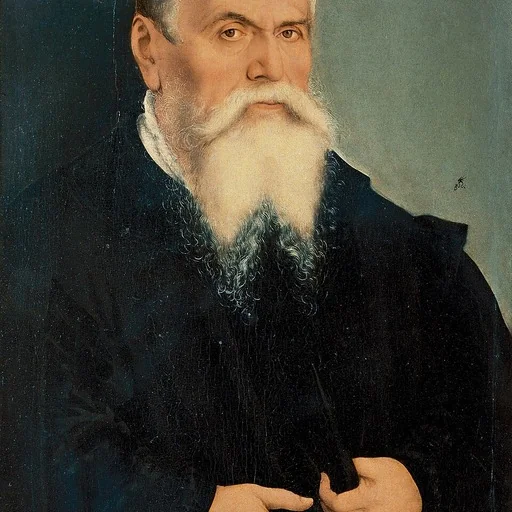
Artist
Lucas Cranach the Elder was a German Renaissance painter and printmaker in woodcut and engraving.