Artwork
Samson and Delilah
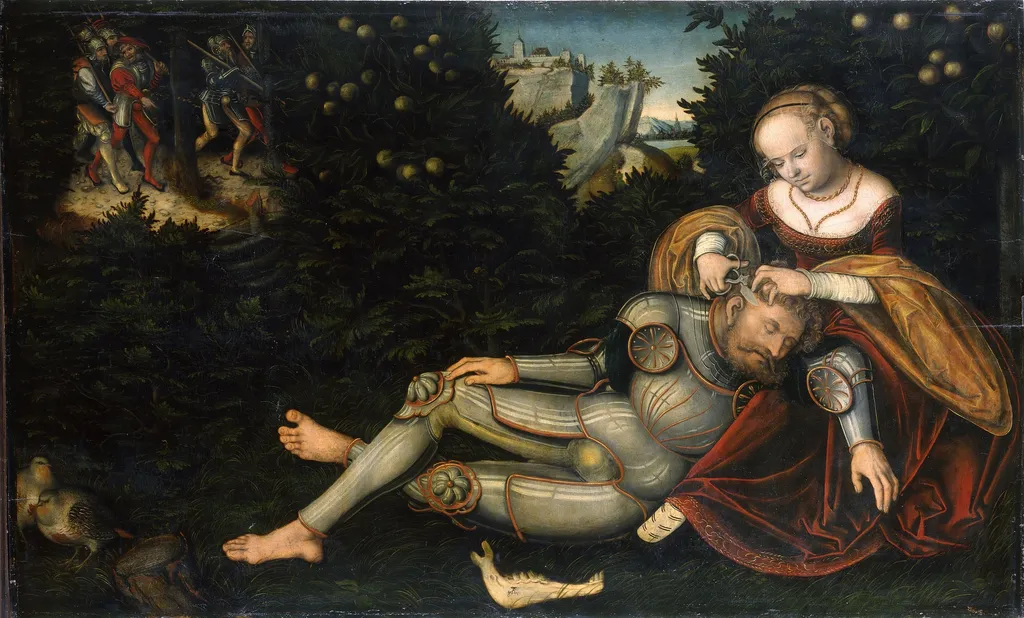
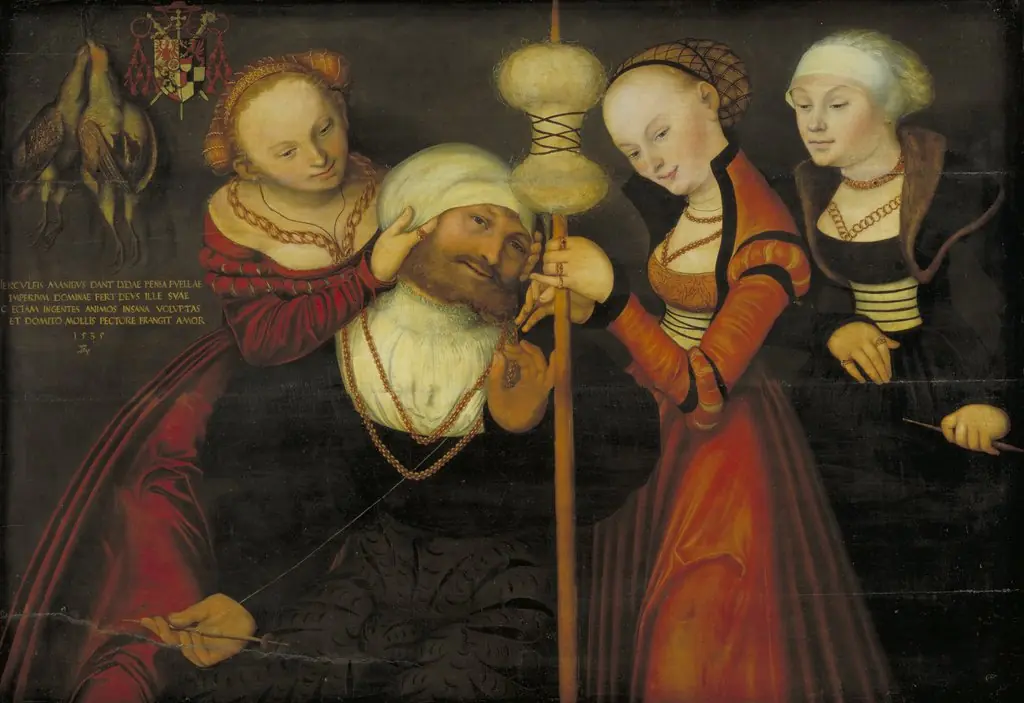
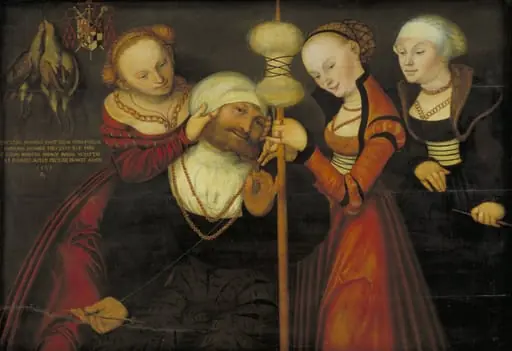
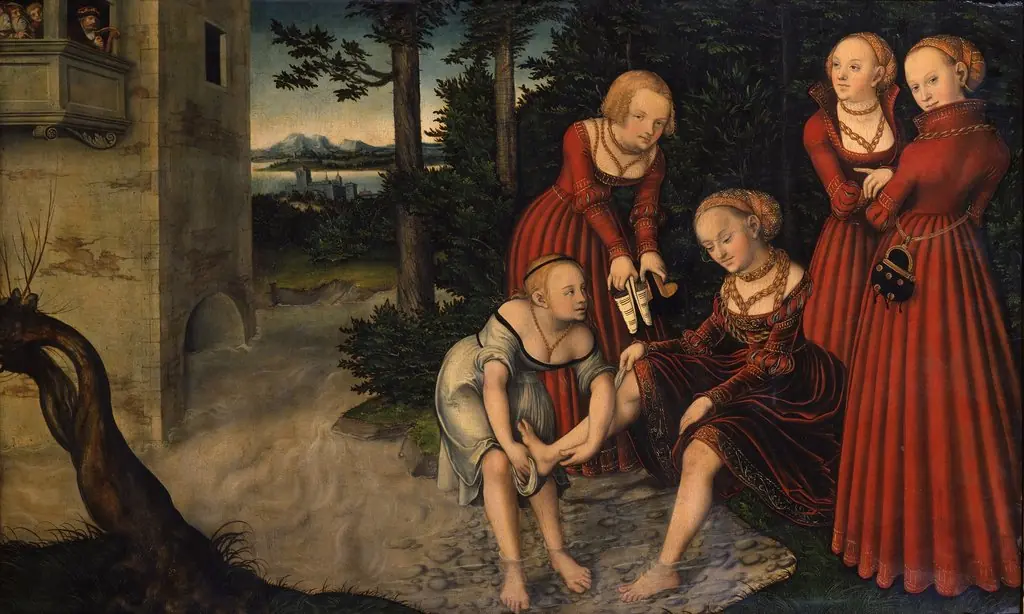
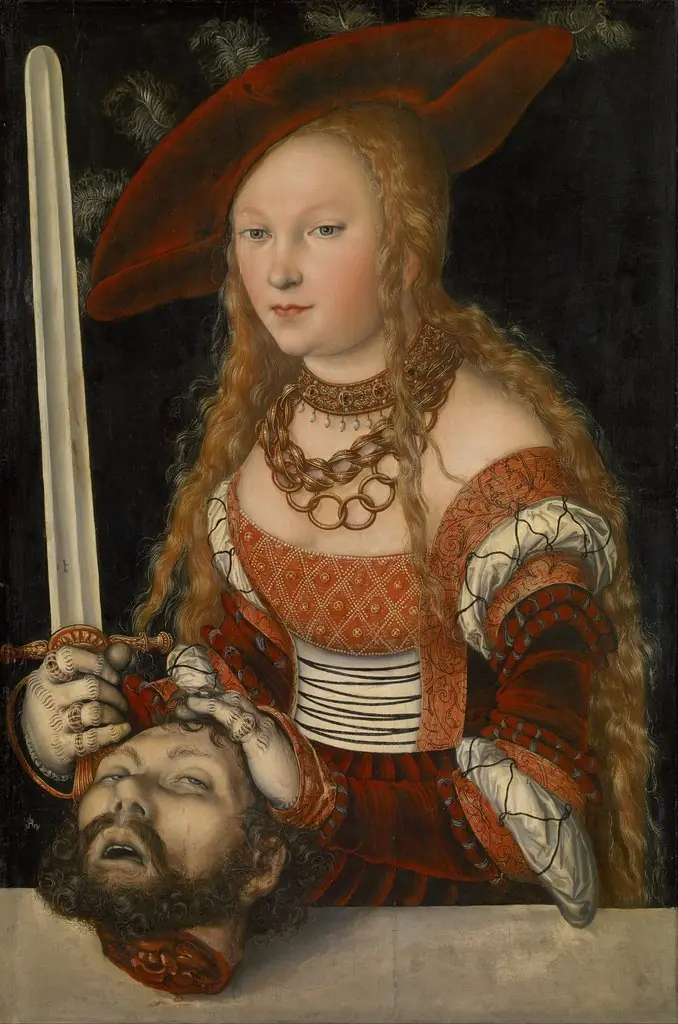
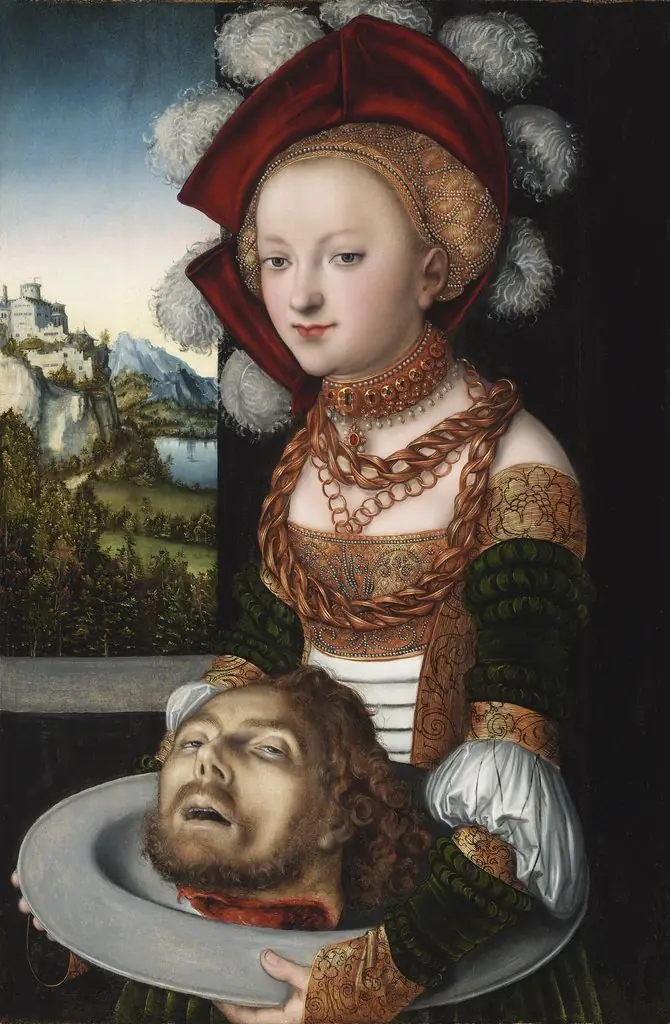
Samson and Delilah is a paint painting by the Northern Renaissance artist Lucas Cranach the Younger. It dates from 1537 and is held in the collection of the Gemäldegalerie Alte Meister.
About this work
Overview
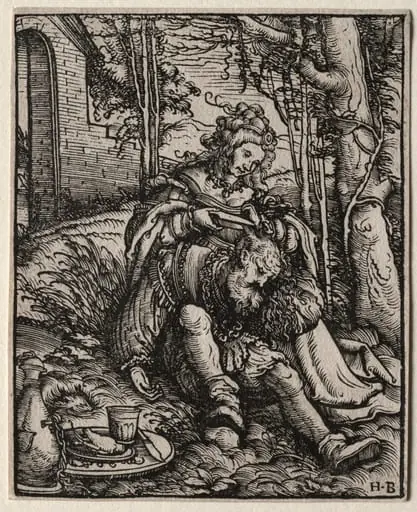
It portrays a pivotal moment from the Book of Judges, capturing the betrayal of the Israelite hero Samson by Delilah.
Painted in 1537 by Lucas Cranach the Younger, this oil-on-panel work belongs to the Northern Renaissance tradition. It portrays a pivotal moment from the Book of Judges, capturing the betrayal of the Israelite hero Samson by Delilah. The painting is part of the Gemäldegalerie Alte Meister’s permanent collection in Dresden, reflecting its early significance in German artistic patronage and religious narrative painting.
Subject & Meaning
The scene illustrates Delilah’s act of cutting Samson’s hair, the source of his divine strength, as he sleeps unaware. The moment conveys themes of trust violated and vulnerability exposed. The presence of hidden warriors in the background suggests impending capture, reinforcing the narrative’s tension. The composition emphasizes the quiet intimacy of betrayal, contrasting the calm of the act with its catastrophic consequences.
Technique & Style
Cranach employs precise brushwork and a controlled palette to distinguish figures from the landscape. Delilah’s crimson gown and gold cloak draw immediate attention, while Samson’s polished armor reflects subtle highlights. The background, rendered in muted greens and blues, recedes to frame the central figures. Soft modeling of forms and delicate shading create a sense of volume without overt chiaroscuro, characteristic of Cranach’s refined Northern style.
History & Provenance
Commissioned during the early Reformation, the painting likely served a private or courtly context, where biblical stories were used to explore moral and political themes. It remained within German collections after its creation, eventually entering the Gemäldegalerie Alte Meister in the 19th century. Its survival through centuries of political change underscores its enduring status as a work of cultural importance.
Context
Created during a period of religious upheaval in Germany, the painting reflects the continued use of biblical narratives in Protestant regions, even as iconoclasm challenged religious imagery. Cranach the Younger, working in his father’s workshop, adapted traditional subjects to contemporary tastes, blending devotional content with courtly aesthetics favored by Saxon nobility.
Legacy
Though less celebrated than his father’s works, Lucas Cranach the Younger’s *Samson and Delilah* exemplifies the continuation of Renaissance narrative painting in Central Europe. Its careful composition and restrained emotional tone influenced later German artists who sought to reconcile biblical storytelling with secular visual culture, preserving its relevance in the evolving artistic landscape.
Own this work as a print
Artist & collection
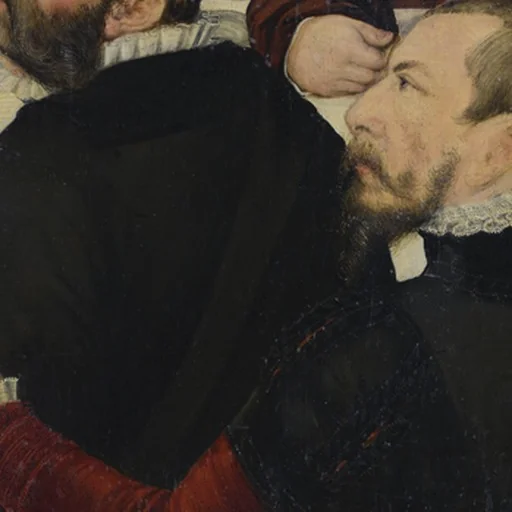
Artist
Lucas Cranach the Younger (German: Lucas Cranach der Jüngere, IPA: ; 4 October 1515 – 25 January 1586) was a German Renaissance painter and portraitist, the son of Lucas Cranach the Elder and brother of Hans Cranach.