Artwork
The First Prohibition
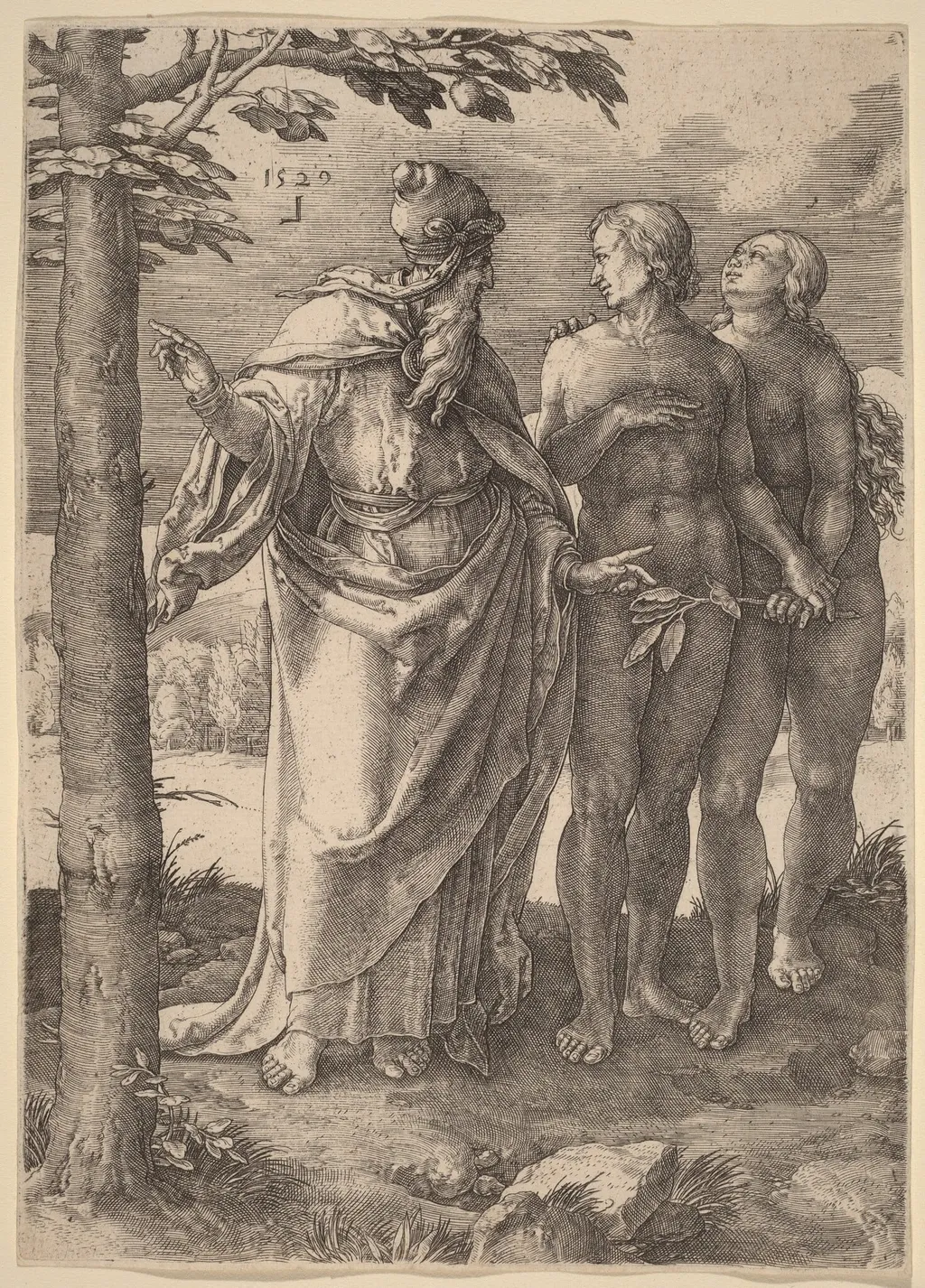
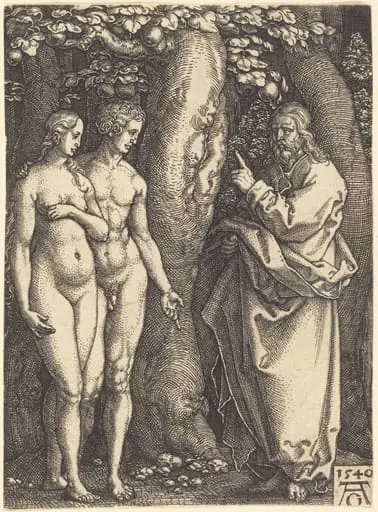
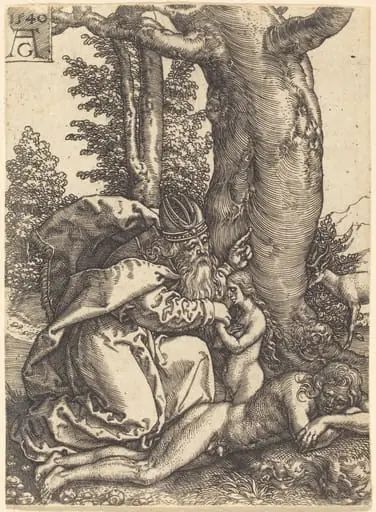
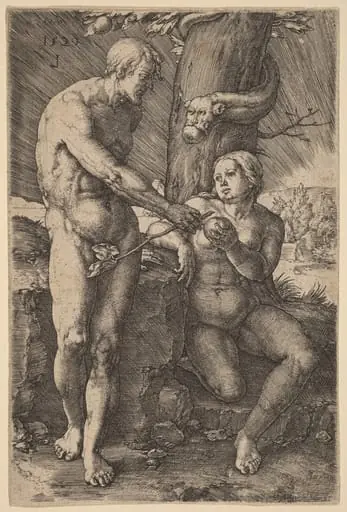
The First Prohibition is an ink print by the Renaissance artist Lucas van Leyden. It dates from 1529 and is held in the collection of the National Gallery of Art.
About this work
Overview
The First Prohibition is an engraving on laid paper created by Lucas van Leyden in 1529. It is a black-and-white print that showcases the artist's skill in using fine lines and shading to create depth.
Subject & Meaning
The engraving depicts three figures in a wooded area, likely representing a biblical scene where Adam and Eve are forbidden from the Garden of Eden. The central figure, dressed in flowing robes, appears to be explaining something to the other two.
Technique & Style
The artist employed cross-hatching, a technique that uses closely spaced parallel lines to create shading and texture. This method allowed van Leyden to achieve a high level of detail in the engraving, adding depth to the scene.
Context
As a Dutch printmaker working in the early 16th century, Lucas van Leyden was among the first to explore genre painting and was recognized as a leading engraver of his time.
Artist & collection

Artist
Lucas van Leyden (1494 – 8 August 1533), was a Dutch painter and printmaker in engraving and woodcut. Lucas van Leyden was among the first Dutch exponents of genre painting and was a very accomplished engraver.

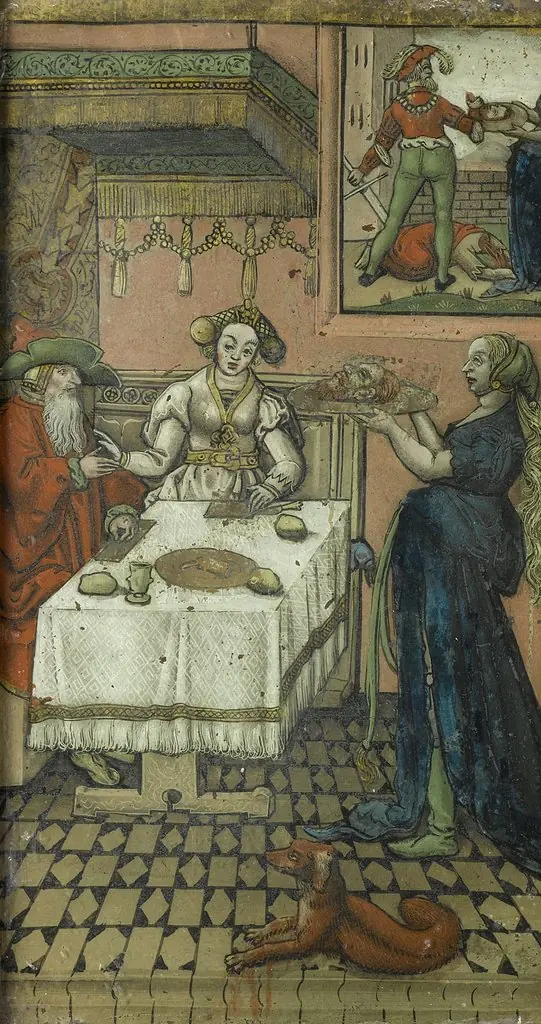 Salome with the head of St John the Baptist
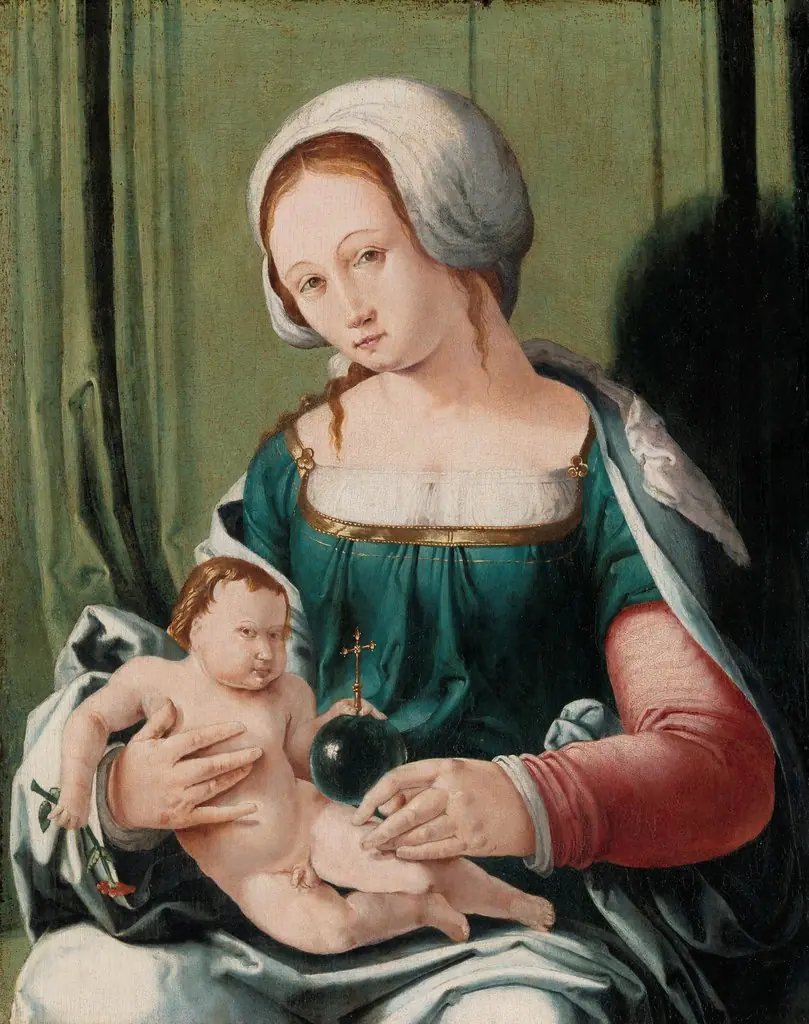 The Virgin and Child
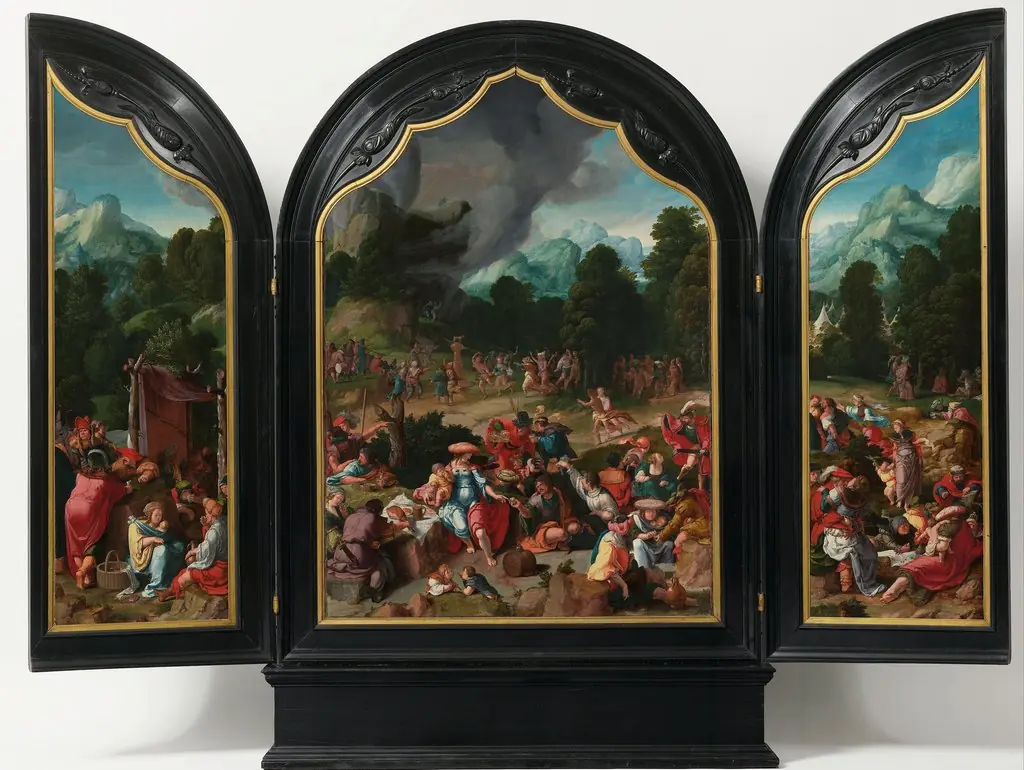 Worship of the Golden Calf
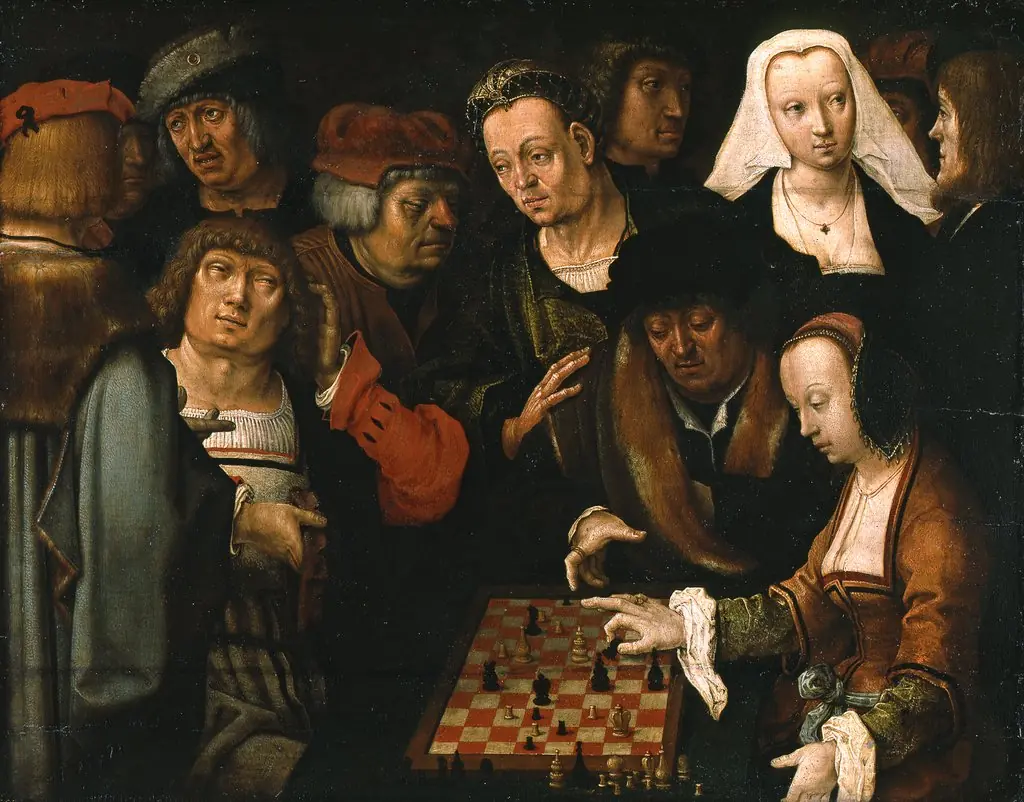 A Game of Chess
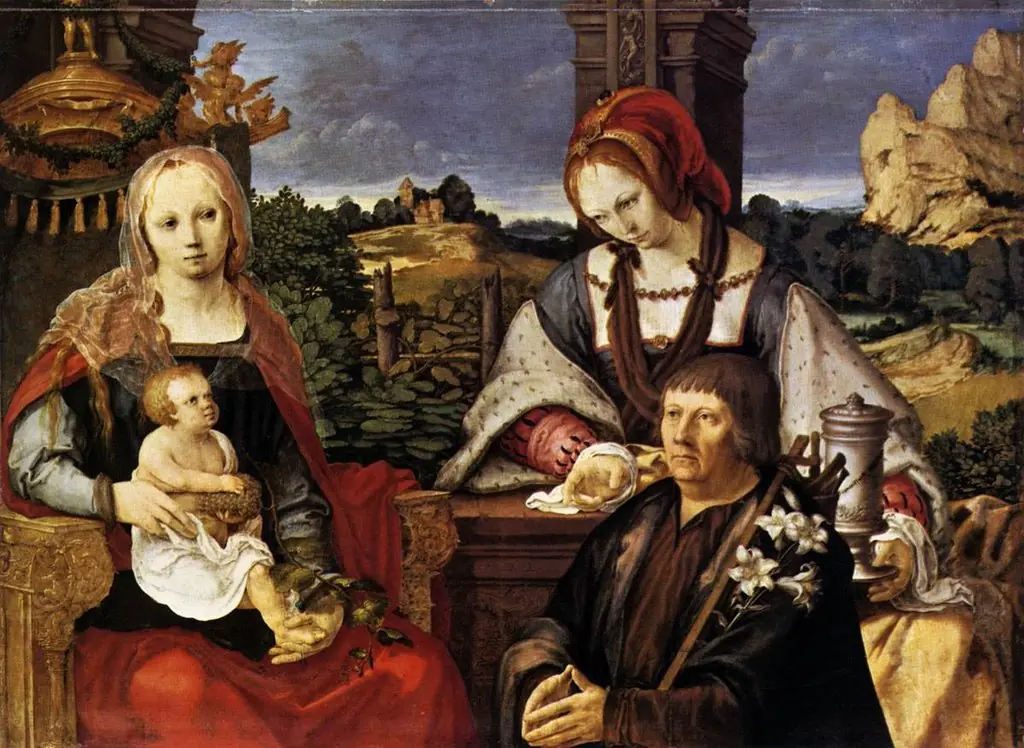 Mary with Child, St. Maria Magdalena and founder (separate outside, Inv. No. 7713)
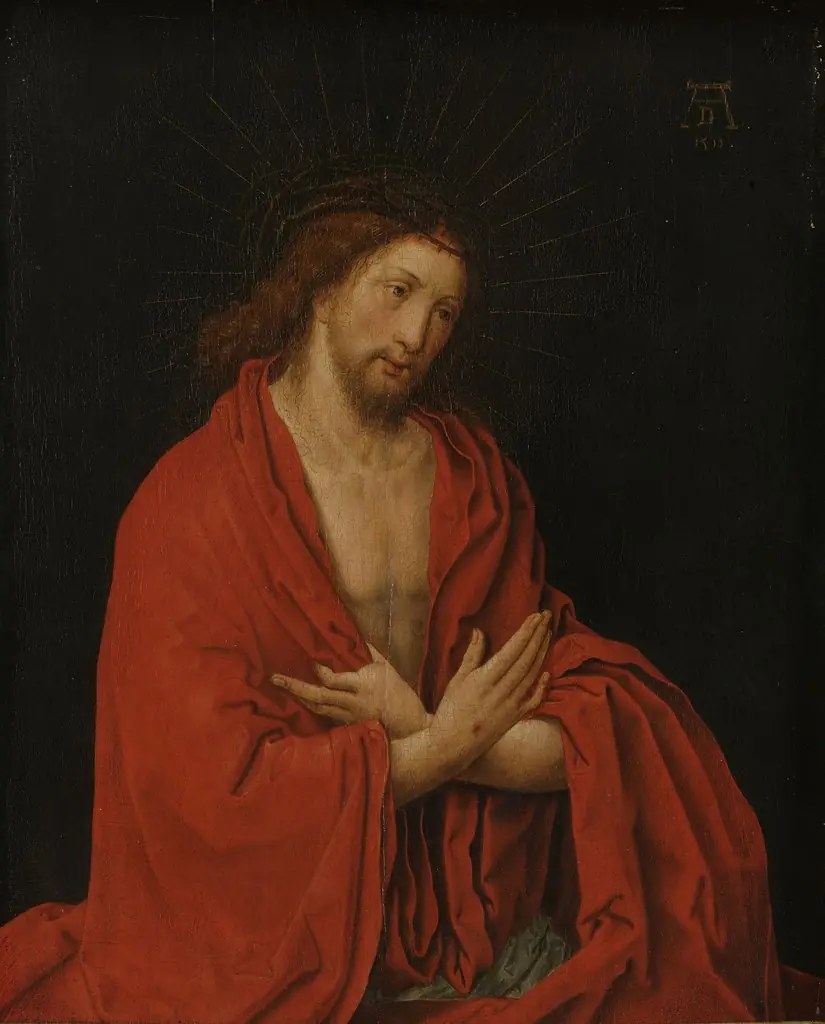 Inner left wing of a diptych with Christ as the Man of Sorrows
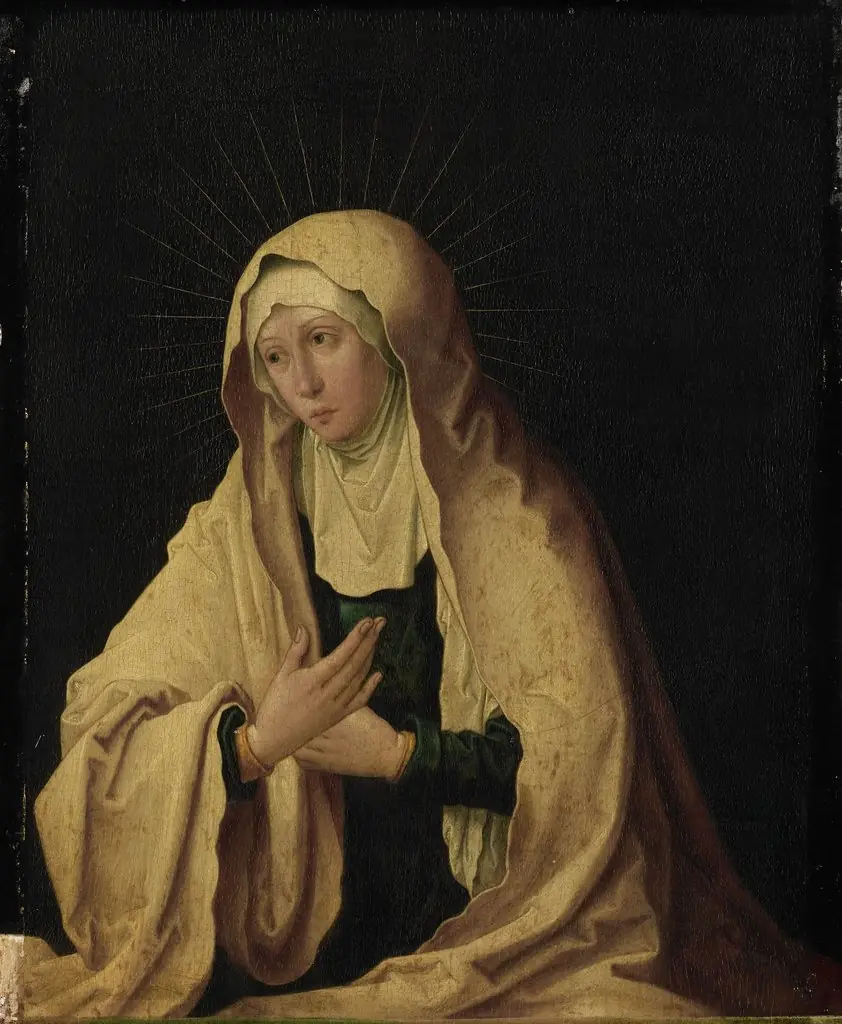 Inner right wing of a diptych with the Virgin as Mater Dolorosa
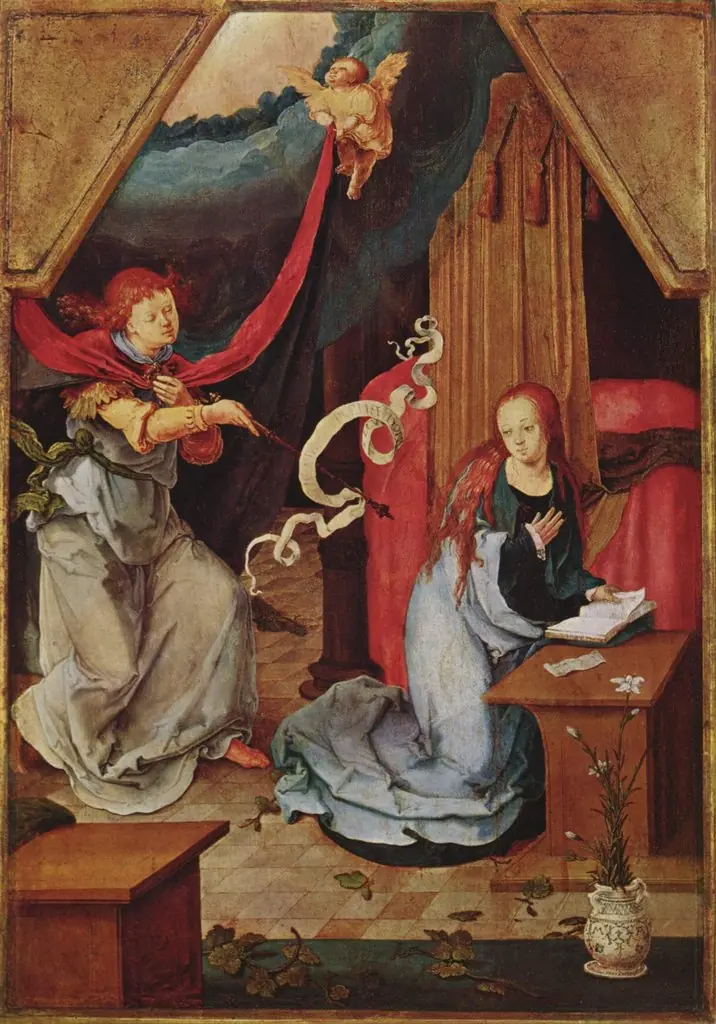 Annunciation