Artwork
Zizi Cioflec
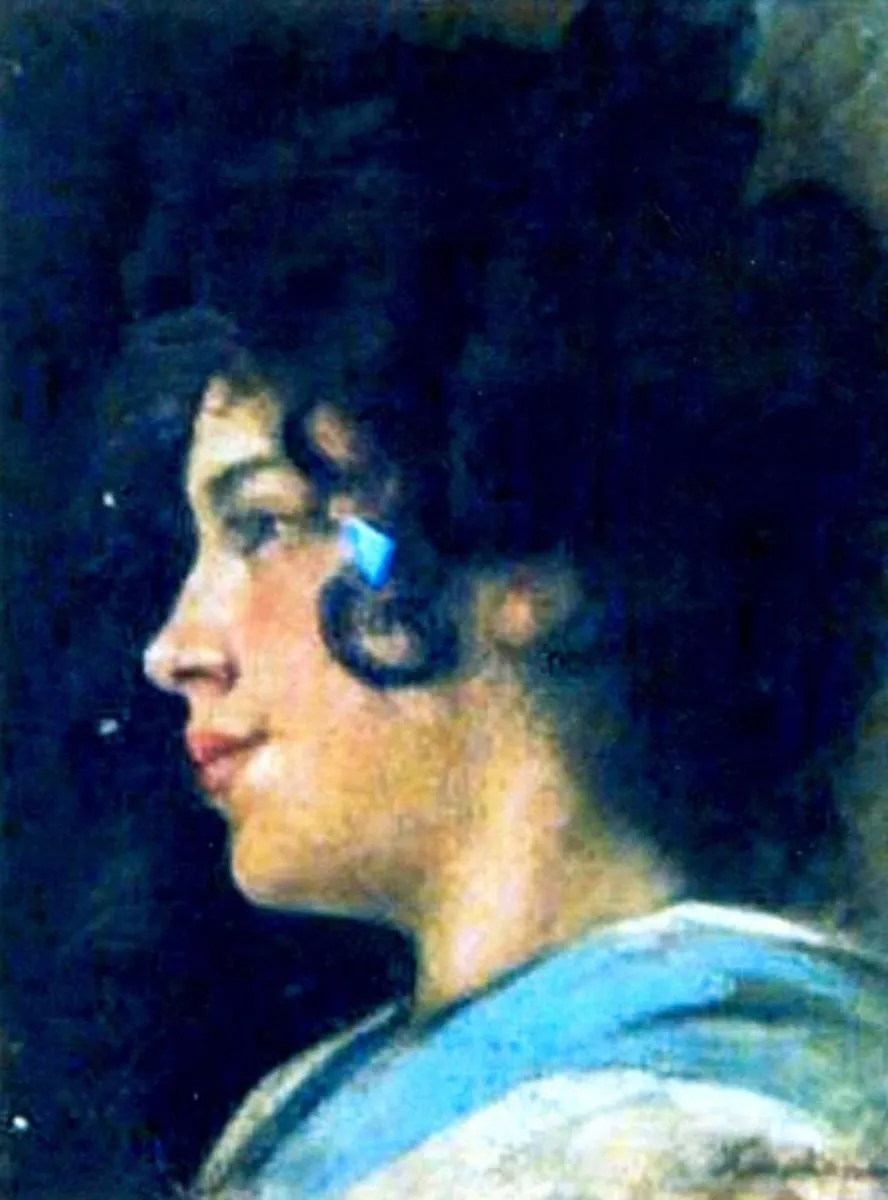
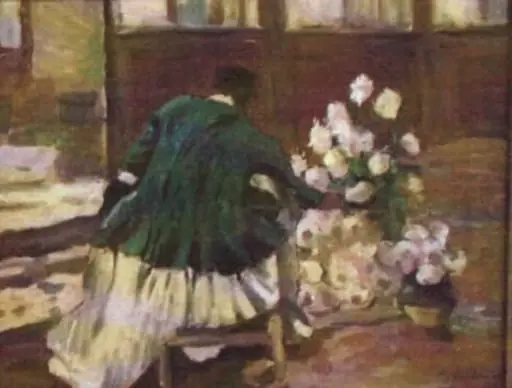
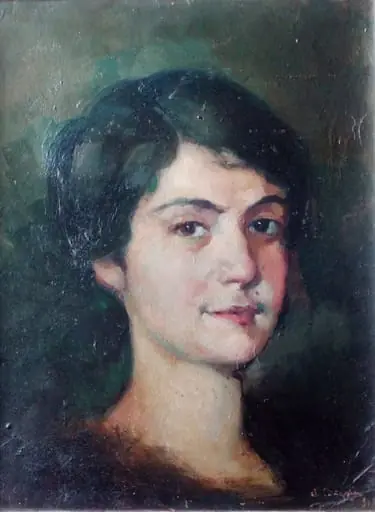
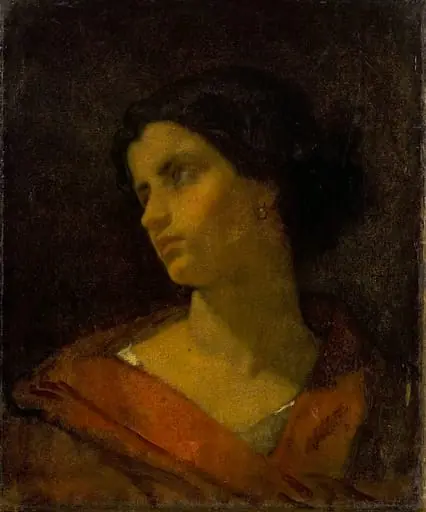
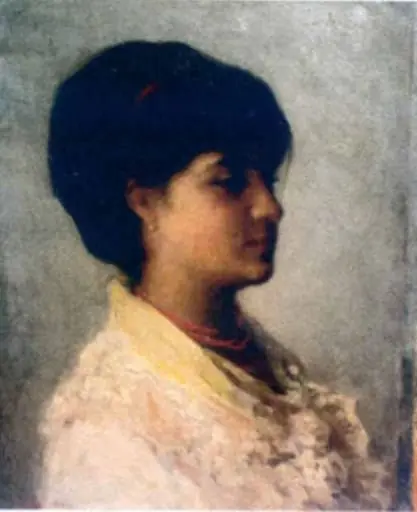
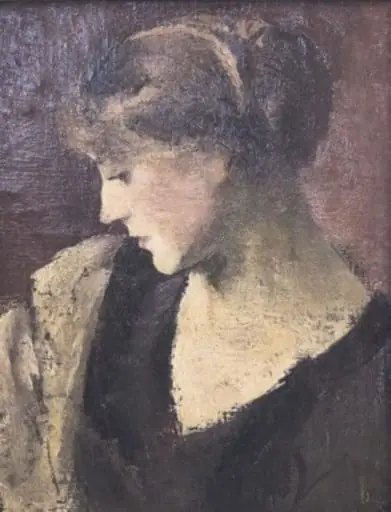
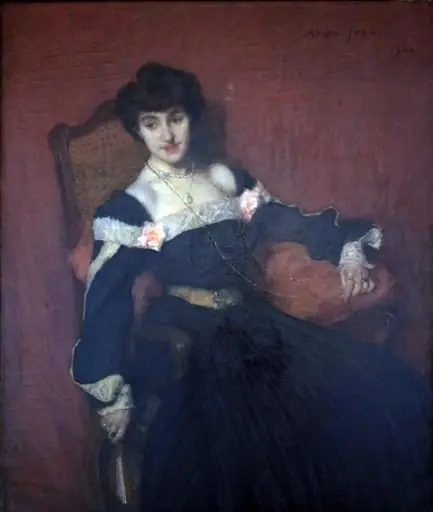
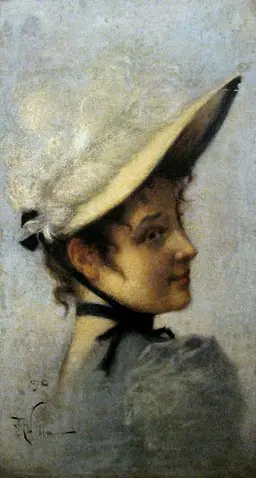
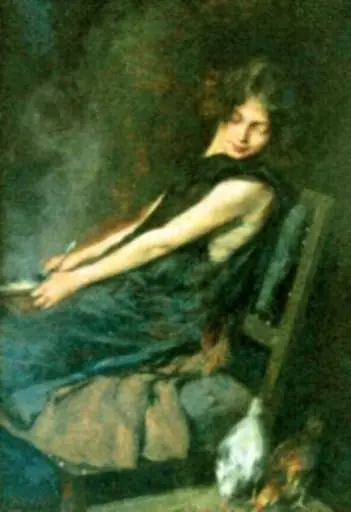
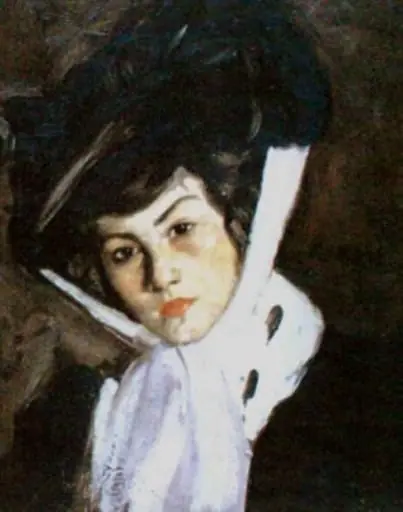
Zizi Cioflec is an unspecified painting by the Art Nouveau artist Ștefan Luchian. It dates from 1902 and is held in the collection of the Museum of Art Cluj-Napoca.
About this work
Overview
Its intimate scale and restrained palette reflect Luchian’s interest in psychological presence over theatrical display.
Painted around 1902 by Ștefan Luchian, this portrait captures Zizi Cioflec, a woman known within the artist’s circle. Executed in oil on canvas, the work is part of the Museum of Ethnography’s collection. Its intimate scale and restrained palette reflect Luchian’s interest in psychological presence over theatrical display. The composition focuses entirely on the sitter, eliminating extraneous detail to emphasize her inner state.
Subject & Meaning
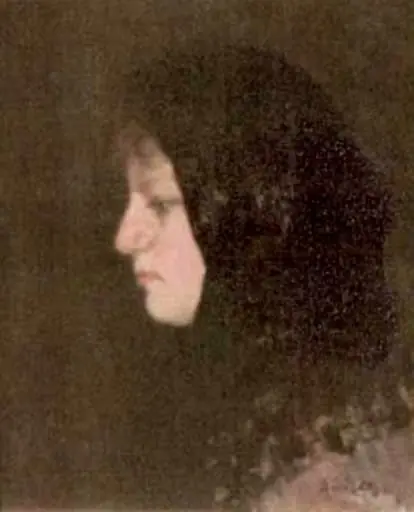
The subject, Zizi Cioflec, is portrayed in quiet solitude, her gaze directed slightly outward as if caught in private reflection. Her profile, softened by the curve of her neck and the drape of a blue scarf, conveys a sense of stillness rather than narrative. Luchian avoids idealization; her features are rendered with subtle realism, suggesting an unposed, authentic moment. The painting invites contemplation without imposing interpretation.
Technique & Style
Luchian employs loose, economical brushwork to define form, favoring tone over line. The dark, unmodulated background isolates the figure, enhancing the luminosity of her skin and the scarf’s muted blue. Delicate transitions between shadow and light model her face without heavy modeling, aligning with late 19th-century trends in intimate portraiture. The texture of the scarf contrasts subtly with the smoother skin, adding tactile depth without distraction.
History & Provenance
The portrait entered the Museum of Ethnography’s holdings in the early 20th century, likely through direct acquisition or donation linked to Luchian’s network. Its presence in an ethnographic institution, rather than a fine arts collection, reflects early 20th-century Romanian curatorial practices that sometimes blurred boundaries between art and cultural documentation. The painting has remained in the museum’s care since, with no known public exhibitions beyond regional displays.
Context
Created during Luchian’s mature period, the portrait aligns with Romanian Symbolist and Post-Impressionist currents that valued emotional resonance over academic precision. While contemporaries like Nicolae Grigorescu emphasized light and landscape, Luchian turned inward, exploring psychological depth in portraiture. This work reflects a broader European shift toward introspective representation, influenced by French and Belgian artists who prioritized mood over grandeur.
Legacy
Though not widely reproduced, Zizi Cioflec remains a key example of Luchian’s approach to portraiture—quiet, unadorned, and psychologically attuned. It contributes to understanding how Romanian artists adapted international styles to local sensibilities. The painting’s endurance in a specialized museum collection underscores its role as a document of personal and cultural identity, rather than a public monument.
Artist & collection

Artist
Ștefan Luchian was a Romanian painter, famous for his landscapes and still life works.