Artwork
Anna Selbdritt
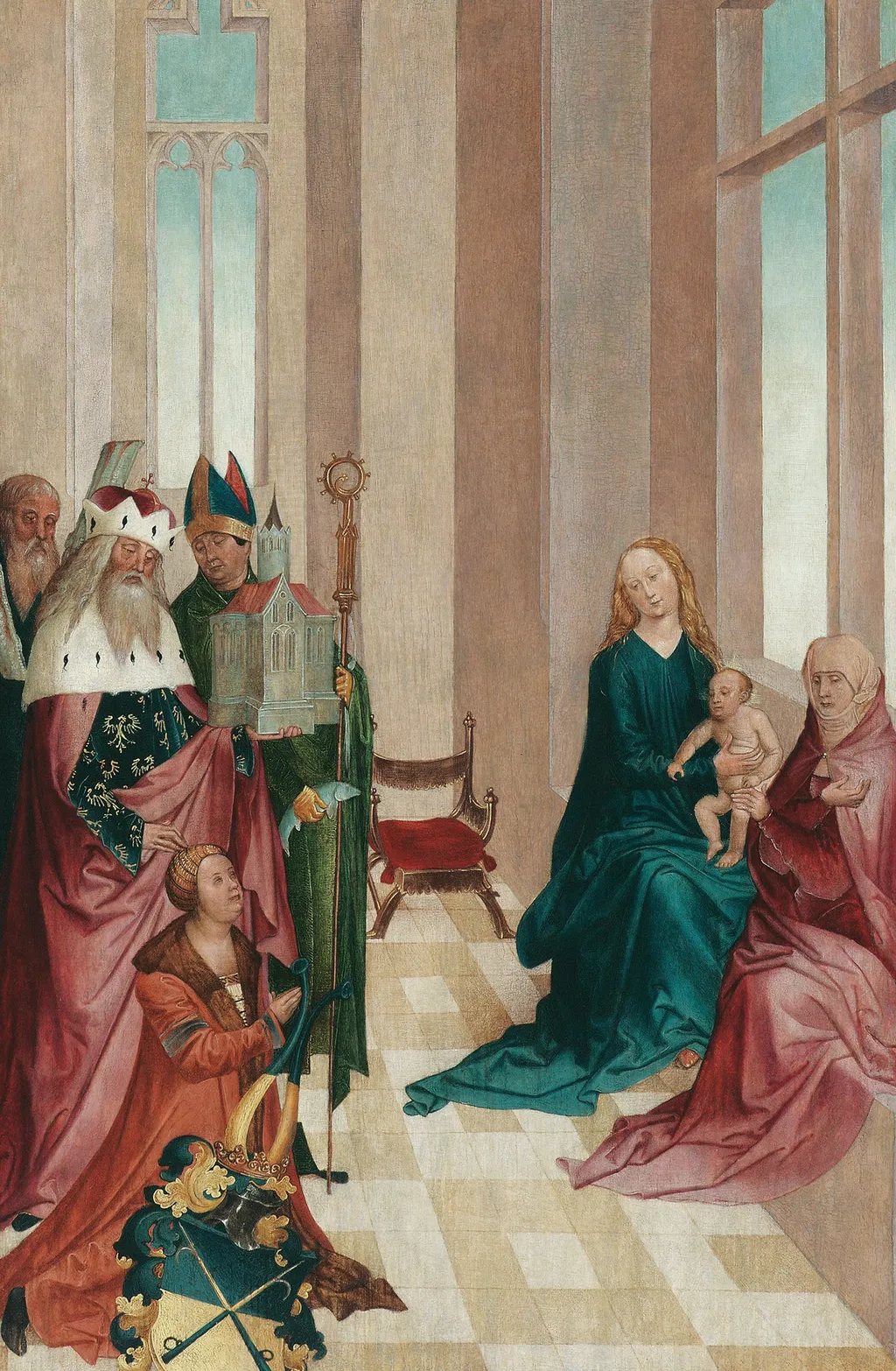
Anna Selbdritt is an oil painting by the Northern Renaissance artist Rueland Frueauf the Younger. It dates from 1508 and is held in the collection of the Kunsthistorisches Museum.
About this work
Overview
Painted in 1508 by Rueland Frueauf the Younger, this oil-on-panel work depicts the Virgin Mary with the infant Jesus, accompanied by three male figures.
Painted in 1508 by Rueland Frueauf the Younger, this oil-on-panel work depicts the Virgin Mary with the infant Jesus, accompanied by three male figures. It resides in the Kunsthistorisches Museum in Vienna. The composition is formal and devotional, emphasizing stillness and reverence. The figures are arranged in a shallow interior space, framed by architectural details that ground the sacred scene in a tangible, earthly setting.
Subject & Meaning
The painting illustrates the Anna Selbdritt motif—Saint Anne holding the Virgin Mary, who in turn holds the Christ Child. The three men behind them are likely representations of Saint Joachim, King David, and Saint Joseph, symbolizing the ancestral lineage of Christ. Their attentive postures convey solemn recognition of the divine lineage, reinforcing theological themes of heritage and prophecy.
Technique & Style
Frueauf employs a restrained palette of deep blues, rich reds, and gold accents to convey solemnity. Light is carefully modulated to model forms with subtle chiaroscuro, enhancing the three-dimensionality of the figures without dramatic contrast. The textures of fabric, tile, and wood are rendered with precise detail, reflecting Northern Renaissance attention to material reality while maintaining a quiet, meditative tone.
History & Provenance
Commissioned during the late medieval period in Austria, the painting remained within ecclesiastical or noble collections before entering the Kunsthistorisches Museum’s holdings. Its preservation reflects its continued religious significance and the value placed on devotional art in Habsburg territories. No major alterations or restorations are documented, preserving its original condition.
Context
Created during a time when devotional imagery was central to personal and communal piety, the painting aligns with regional traditions of depicting the Holy Kinship—Saint Anne’s family lineage. Such works were common in German-speaking areas, serving both spiritual instruction and visual meditation. The inclusion of royal figures underscores Christ’s divine right and earthly ancestry, a theme popular in late medieval theology.
Legacy
Though not widely known outside specialist circles, the painting exemplifies the quiet intensity of late Gothic devotional art in Central Europe. Its restrained emotion and meticulous detail influenced regional workshop practices and contributed to the evolution of sacred portraiture before the full emergence of the High Renaissance. It remains a key example of Austrian religious painting from the early 16th century.
Own this work as a print
Artist & collection
Artist
Rueland Frueauf the Younger (1470–1545) was an artist, born in Salzburg.

 Darmstadt Altarpiece: The Epiphany
 Adoration of the Magi
 The Adoration of the Magi
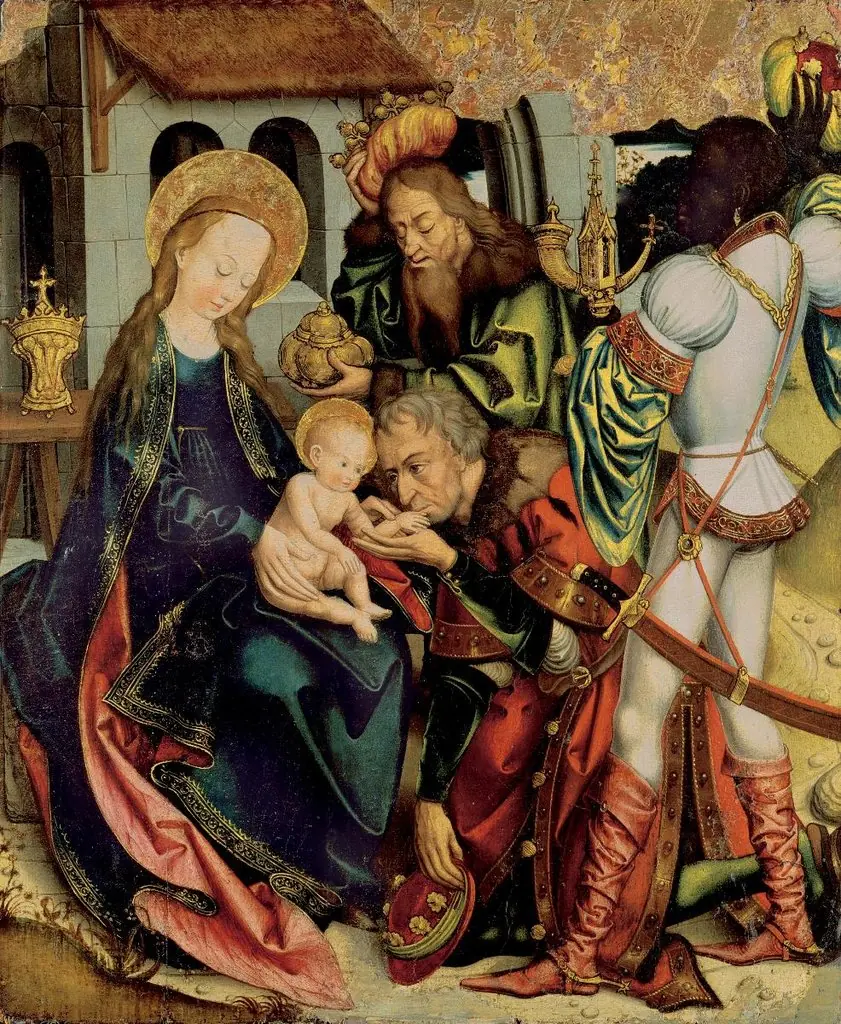 Anbetung der Heiligen Drei Könige
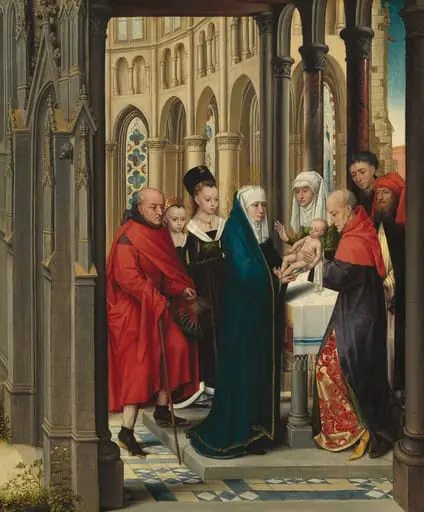 The Presentation in the Temple
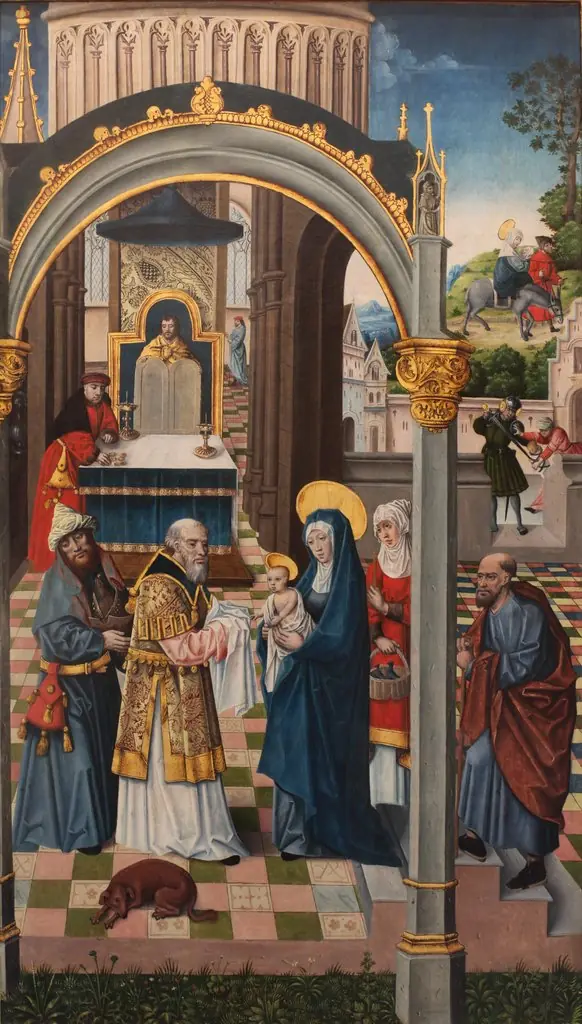 Presentation of Jesus Christ at the Temple
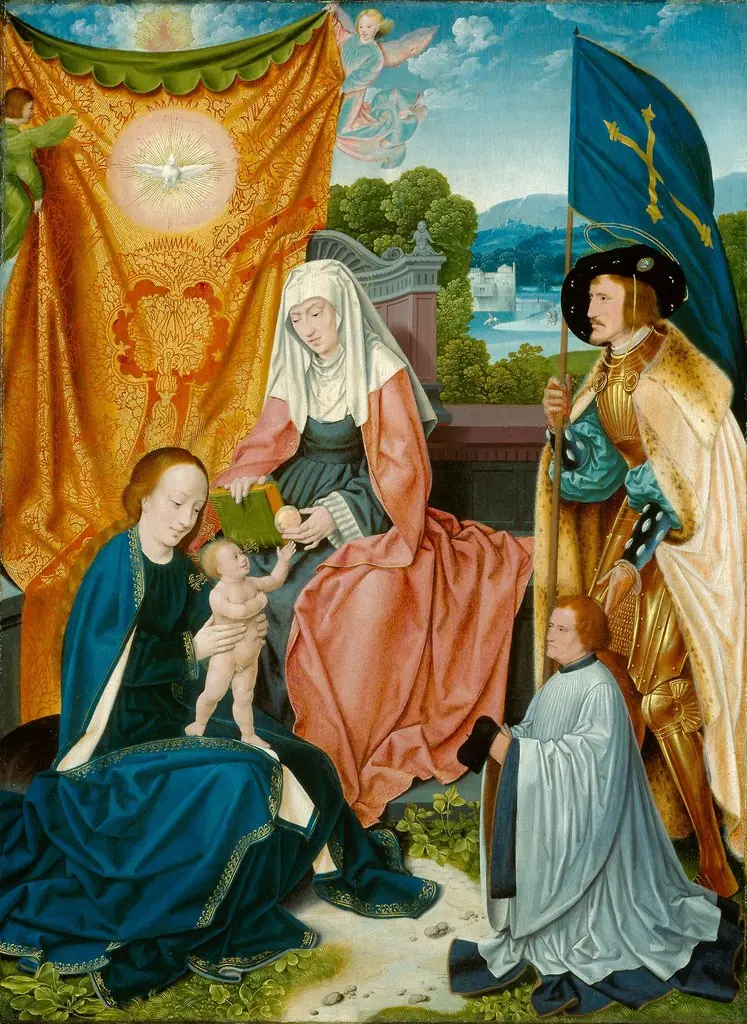 Virgin and Child with Saint Anne, Saint Gereon, and a Donor
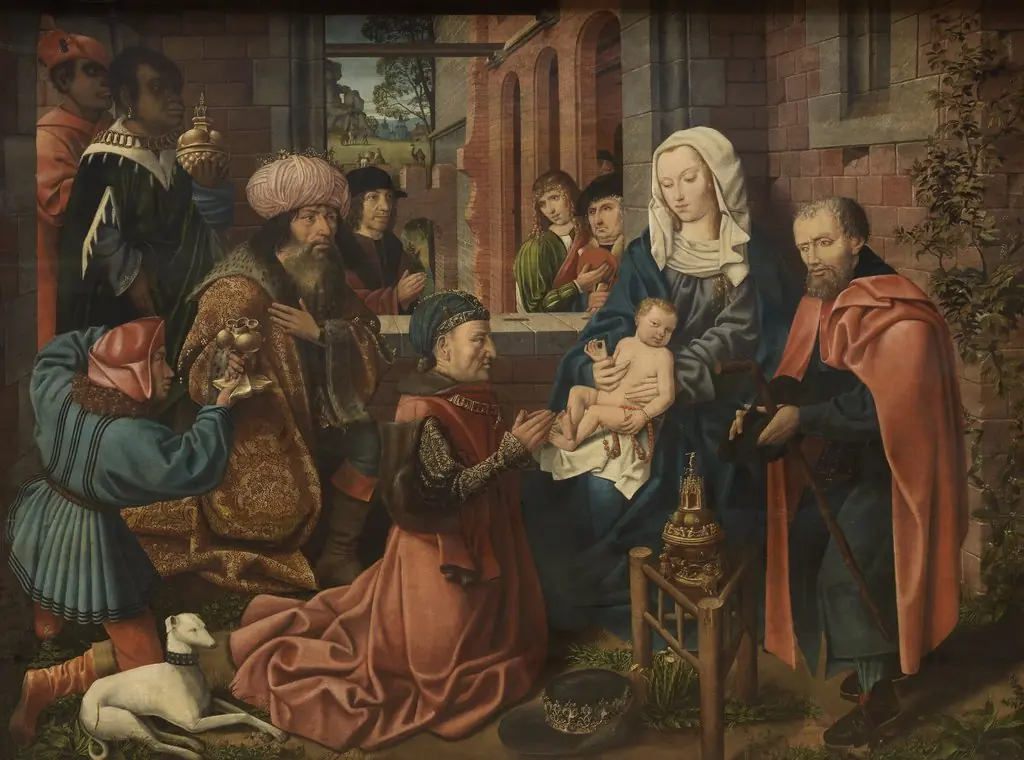 The Adoration of the Magi
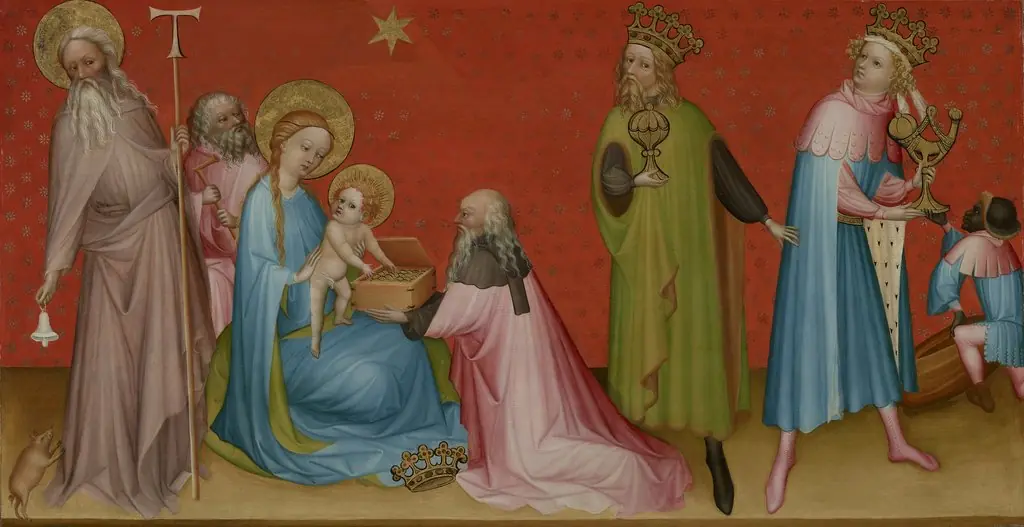 The Adoration of the Magi with Saint Anthony Abbot
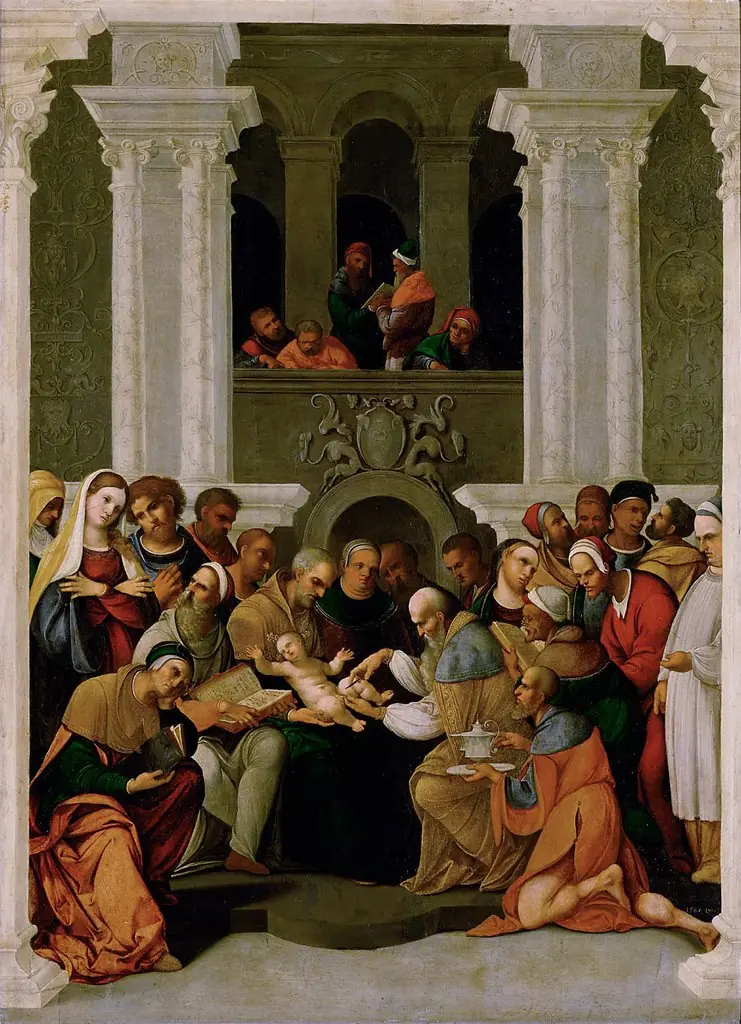 Beschneidung Christi
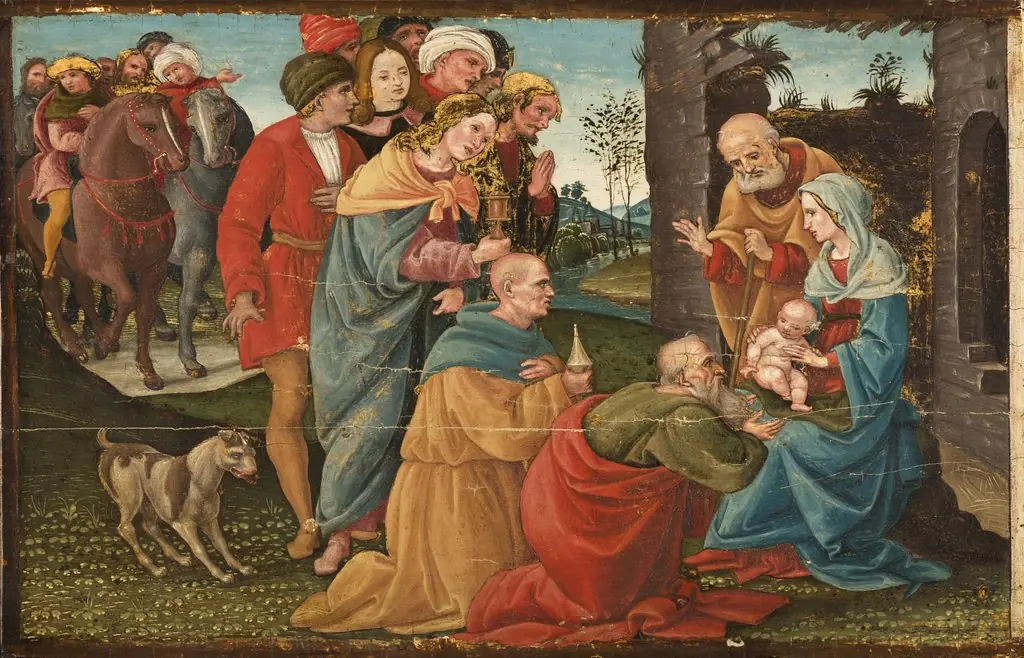 The Adoration of the Magi
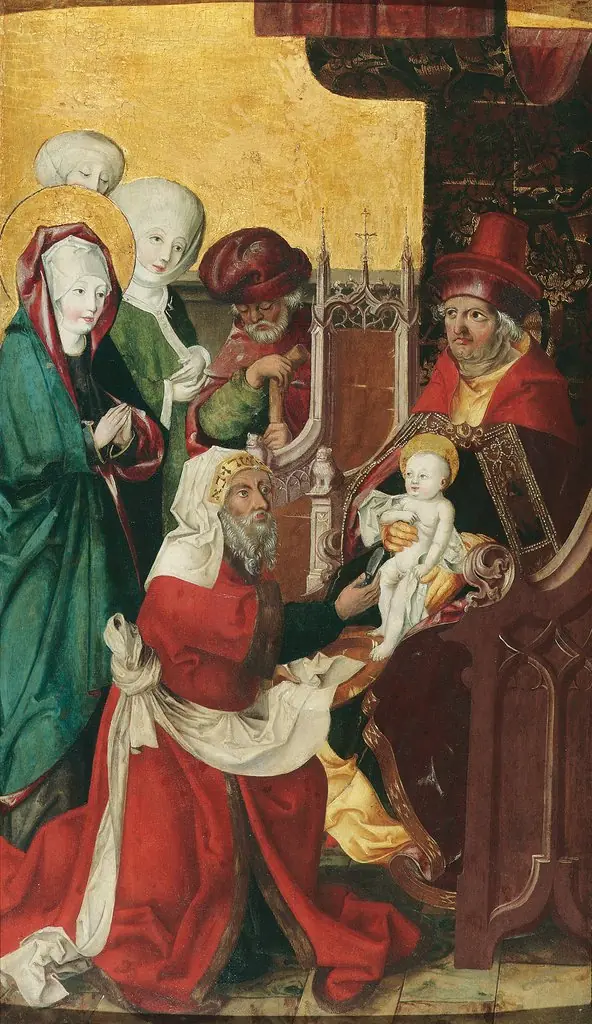 The circumcision of Christ