Artwork
Lady Mary Josephine Drummond, Countess of Castelblanco
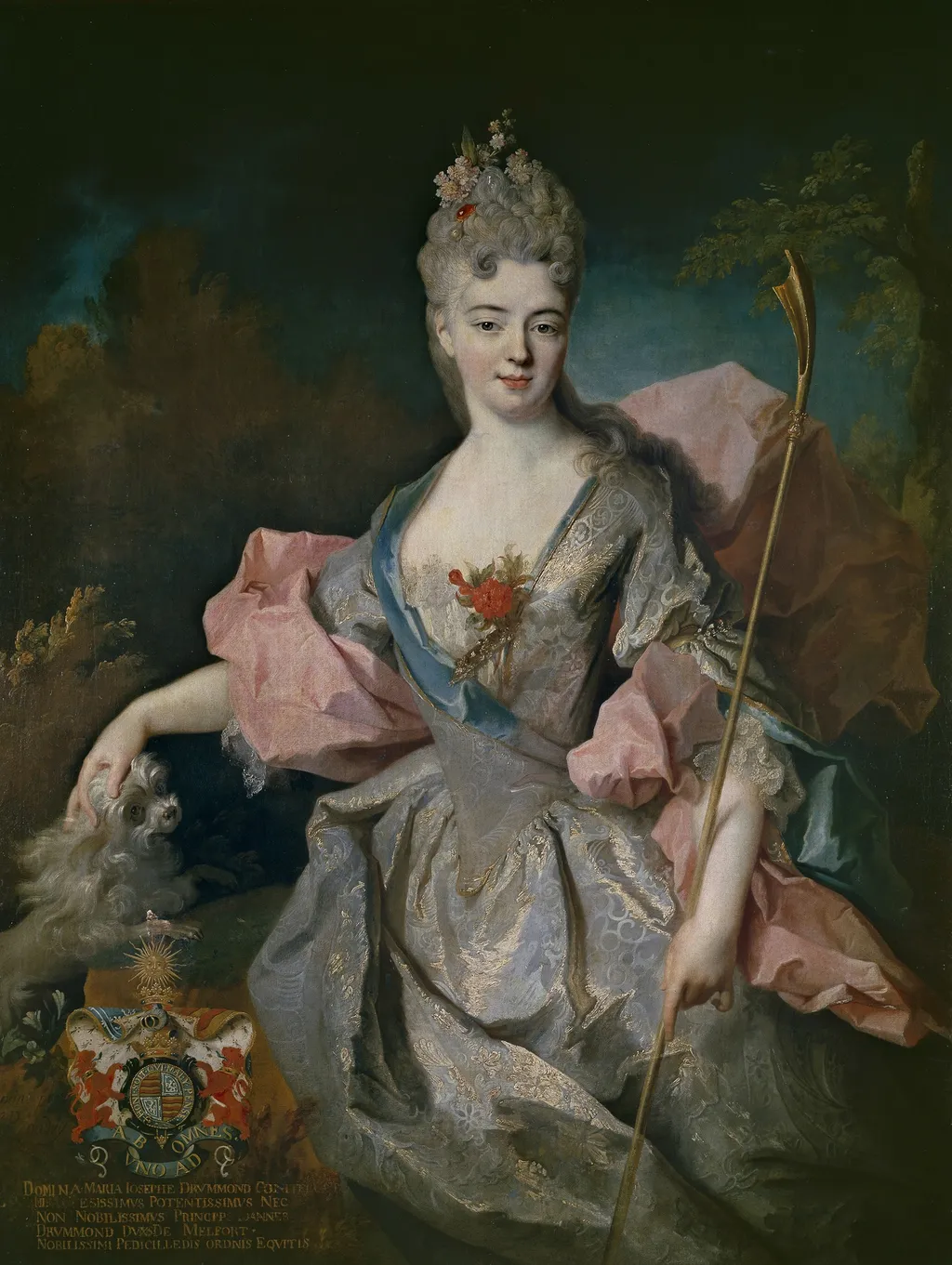
Lady Mary Josephine Drummond, Countess of Castelblanco is an oil painting by the Rococo painting artist Jean-Baptiste Oudry. It dates from 1716 and is held in the collection of the Museo del Prado.
About this work
Overview
It presents a formal, full-length representation of a noblewoman, rendered with precision and attention to textile detail.
Painted in 1716 by Jean-Baptiste Oudry, this oil portrait depicts Lady Mary Josephine Drummond, Countess of Castelblanco. The work is part of the collection at the Museo del Prado in Madrid. It presents a formal, full-length representation of a noblewoman, rendered with precision and attention to textile detail. The composition emphasizes status through costume and symbolic elements, set against a muted, naturalistic backdrop.
Subject & Meaning
The sitter, Lady Mary Josephine Drummond, is portrayed as a member of European aristocracy, her attire and accessories signaling rank and lineage. The gold staff suggests authority or ceremonial role, while the floral hair ornament and elaborate dress reflect contemporary fashion among noblewomen. The coat of arms in the lower left, crowned and detailed, affirms her familial heritage and social position, anchoring the portrait in genealogical identity rather than personal expression.
Technique & Style
Oudry employs fine brushwork to render the textures of silk, lace, and metalwork with meticulous care. The dress features intricate embroidery, while the pink shawl and blue sash are rendered with subtle gradations of light. The background, softly modeled with dark foliage, recedes to isolate the figure. The rendering of the coat of arms demonstrates precision in heraldic detail, aligning with the conventions of aristocratic portraiture in early 18th-century Europe.
History & Provenance
The painting entered the Museo del Prado’s collection through royal Spanish holdings, likely acquired during the 18th century as part of diplomatic or marital alliances between British and Iberian nobility. Its presence in Madrid reflects the transnational networks of aristocratic patronage. No record of prior ownership before its arrival at the Prado is widely documented, though its style suggests it was commissioned during the sitter’s time on the continent.
Context
Created during the early 1700s, the portrait aligns with the tradition of aristocratic portraiture in which clothing, heraldry, and pose conveyed lineage and power. Oudry, known for animal and hunting scenes, here applies his skill in texture and detail to human subjects, reflecting the versatility of French painters working for international courts. The portrait’s formality echoes similar works by contemporaries in Britain and Spain, where noblewomen were depicted as embodiments of family prestige.
Legacy
This portrait remains a representative example of early 18th-century aristocratic imagery, valued for its technical refinement and historical specificity. While not among Oudry’s most widely studied works, it contributes to understanding his range beyond animal painting. Its preservation in the Prado ensures continued access for scholars examining cross-cultural noble representation and the role of portraiture in sustaining dynastic identity across Europe.
Own this work as a print
Artist & collection

Artist
Jean-Baptiste Oudry was a French Rococo painter, engraver, and tapestry designer. He is particularly well known for his naturalistic pictures of animals and his hunt pieces depicting game. His son, Jacques-Charles Oudry, was also a painter.

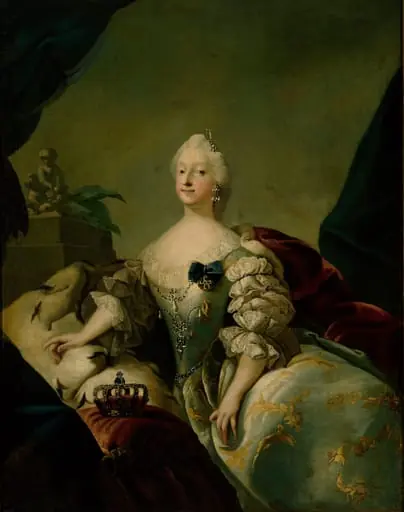 Tanskan kuningatar Louise
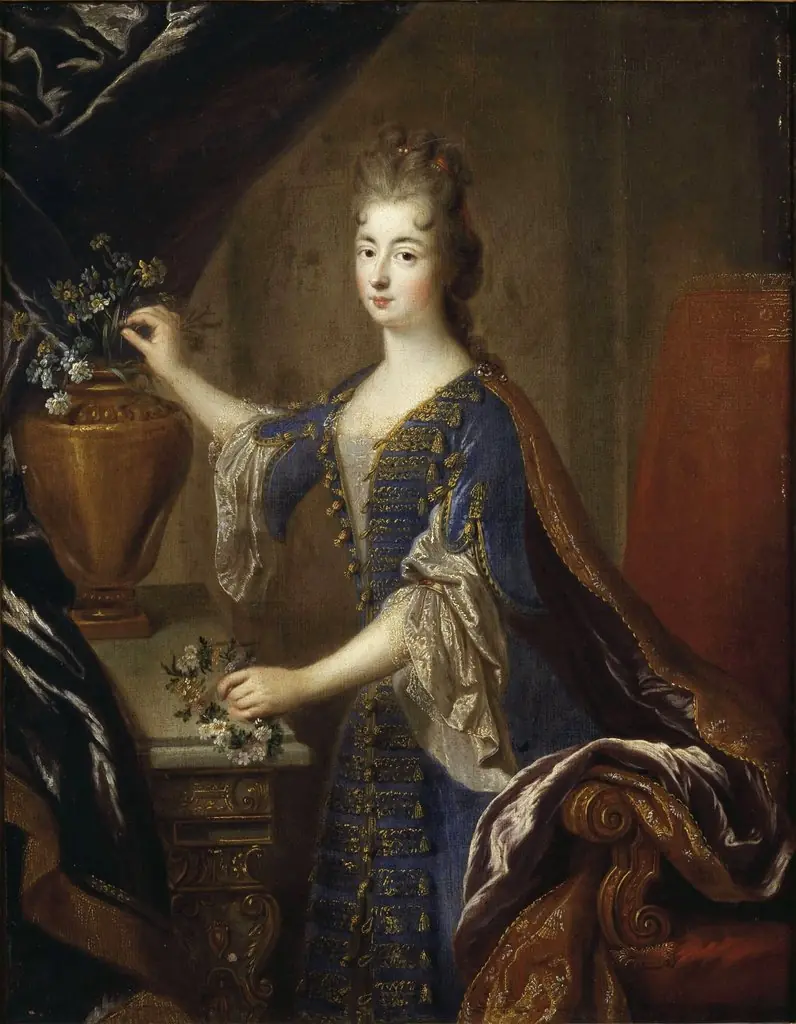 Marie-Anne de Bourbon, Princess of Conti (1666-1739)
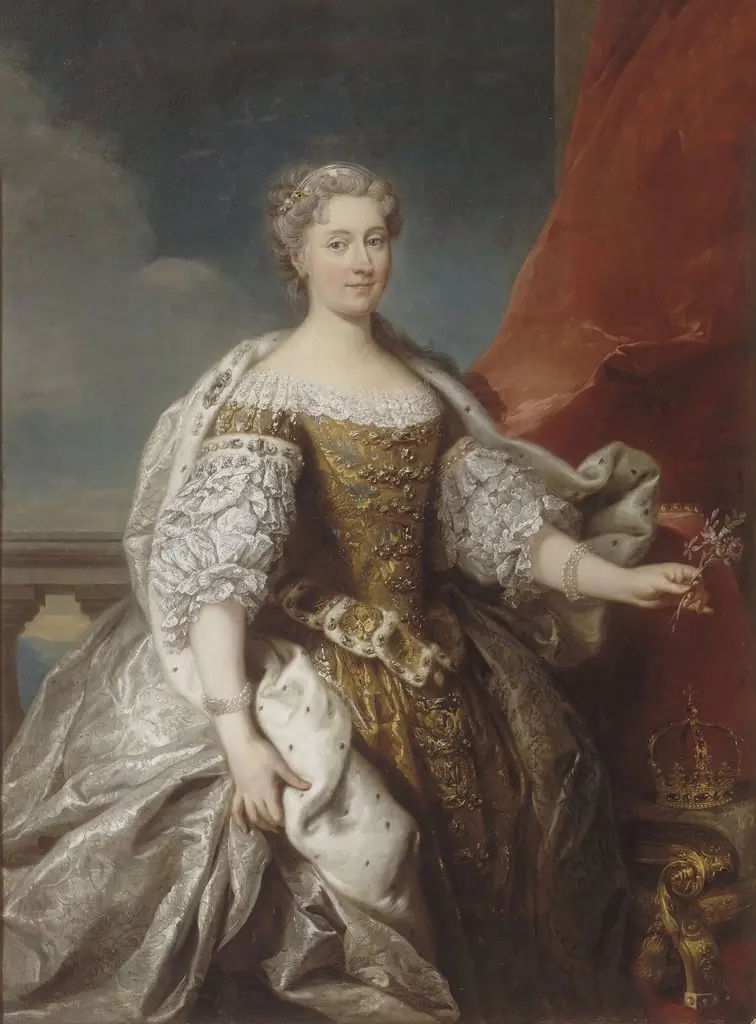 Catherine Opalińska, Queen of Poland
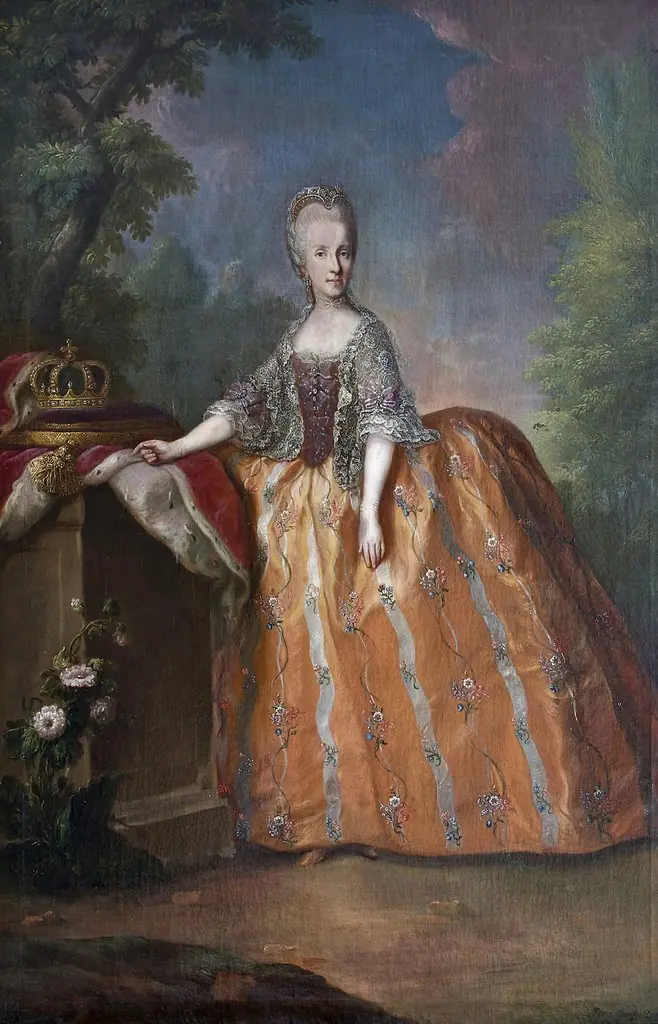 Maria Luisa of Spain, Holy Roman Empress
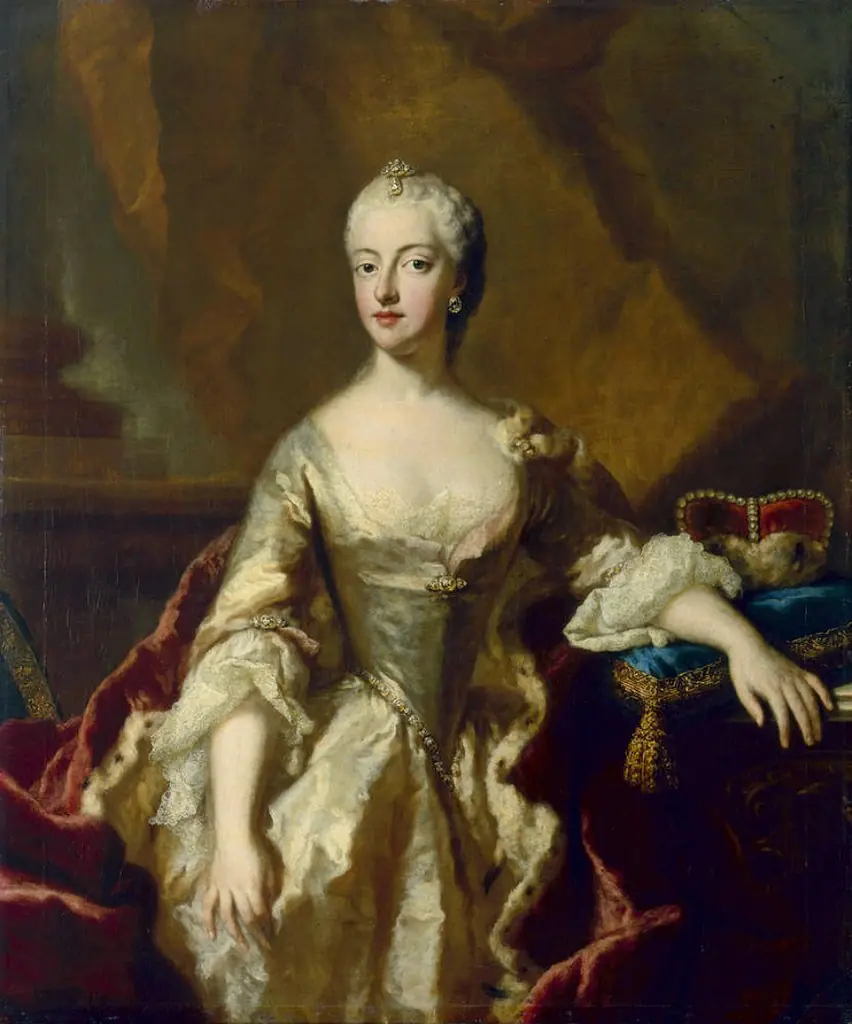 Margravine Maria Anna Josepha of Baden-Baden
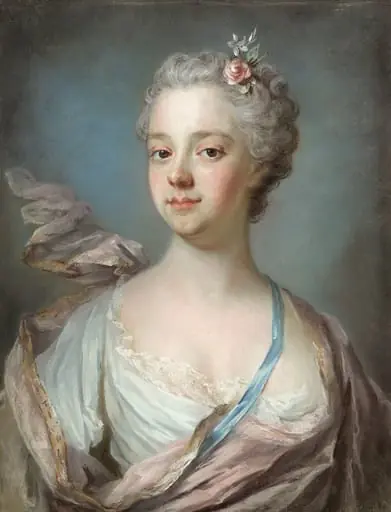 Kreivitär Ulrika Eleonora von Fersen
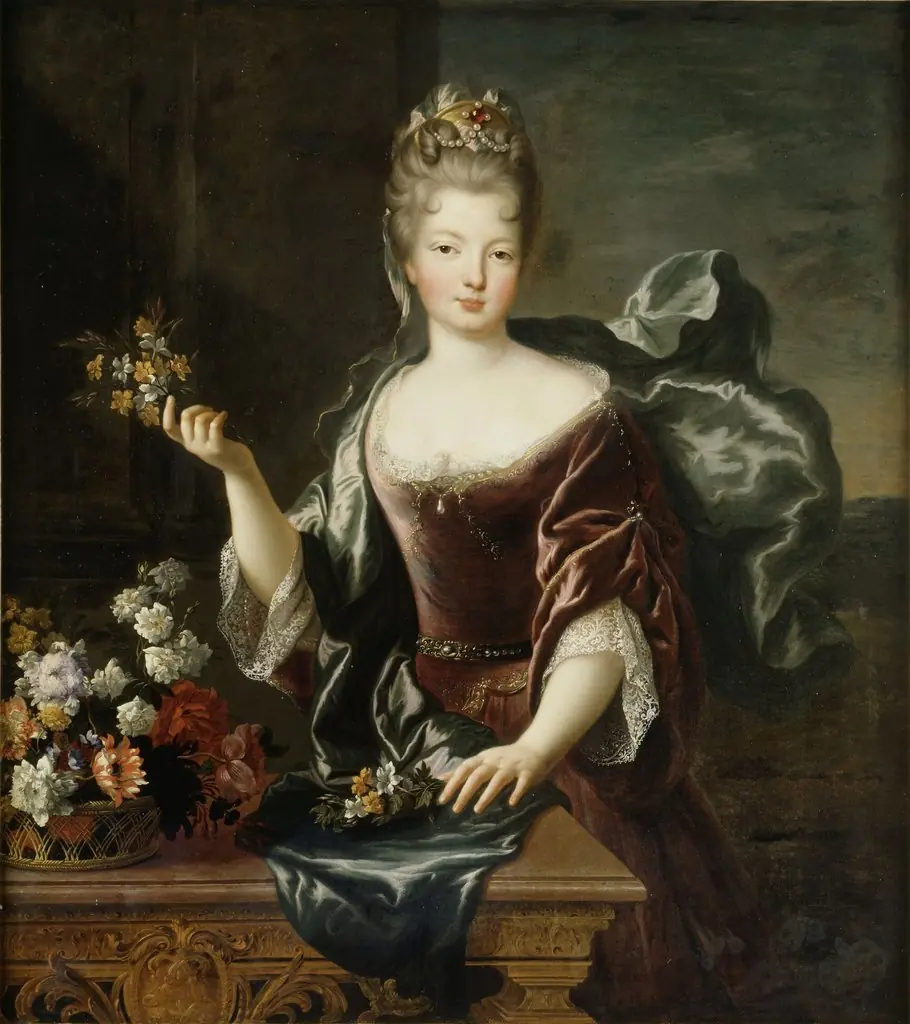 Françoise-Marie de Bourbon, Mademoiselle de Blois, Duchess of Orleans
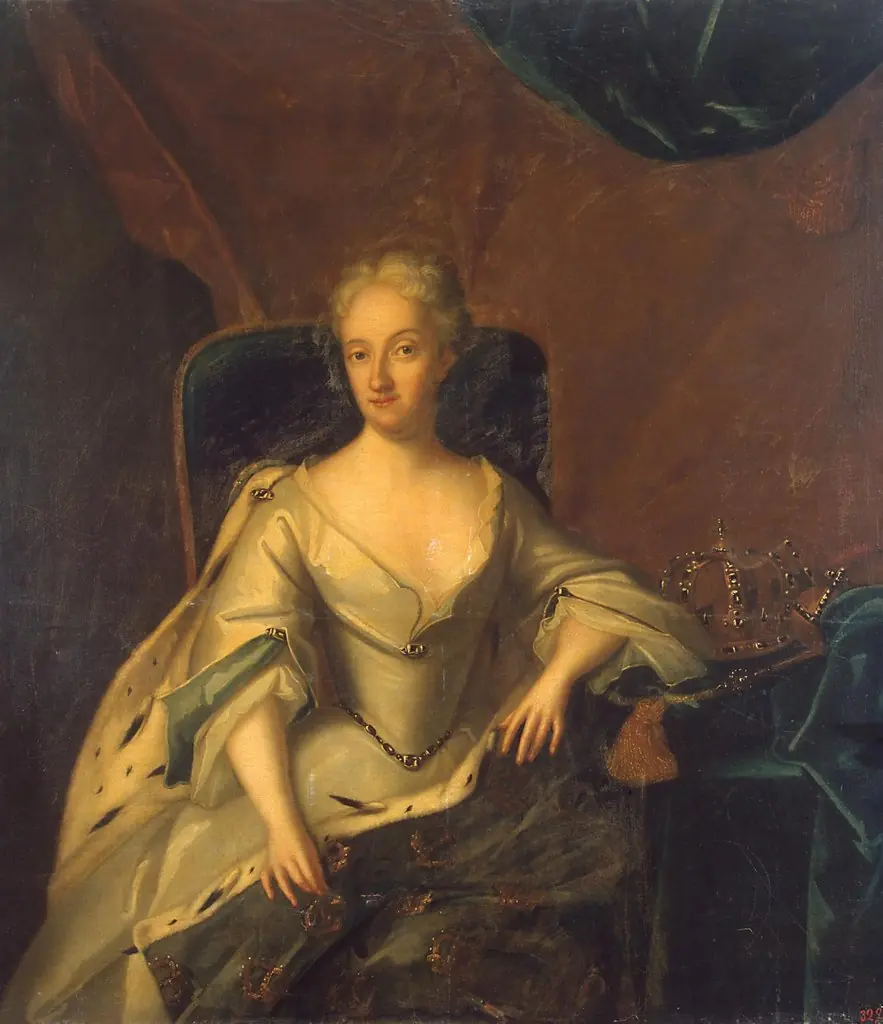 Portrait of Ulrika Eleonora the Younger, Queen of Sweden
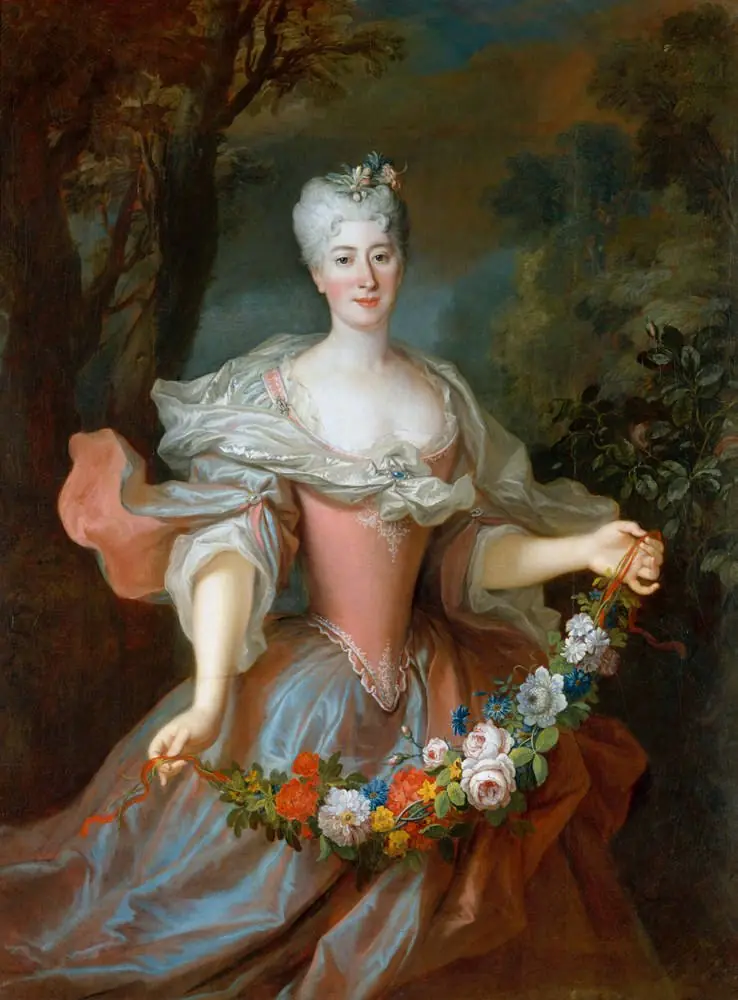 Marcybela Ogiński
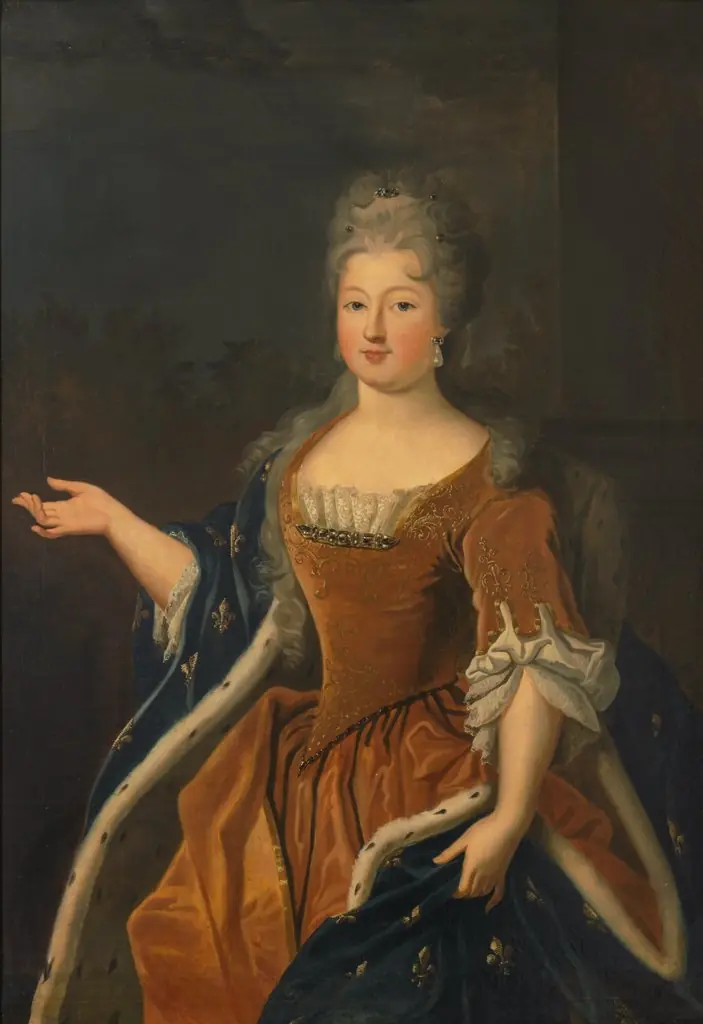 Portrait of Marie Louise-Elisabeth d'Orléans
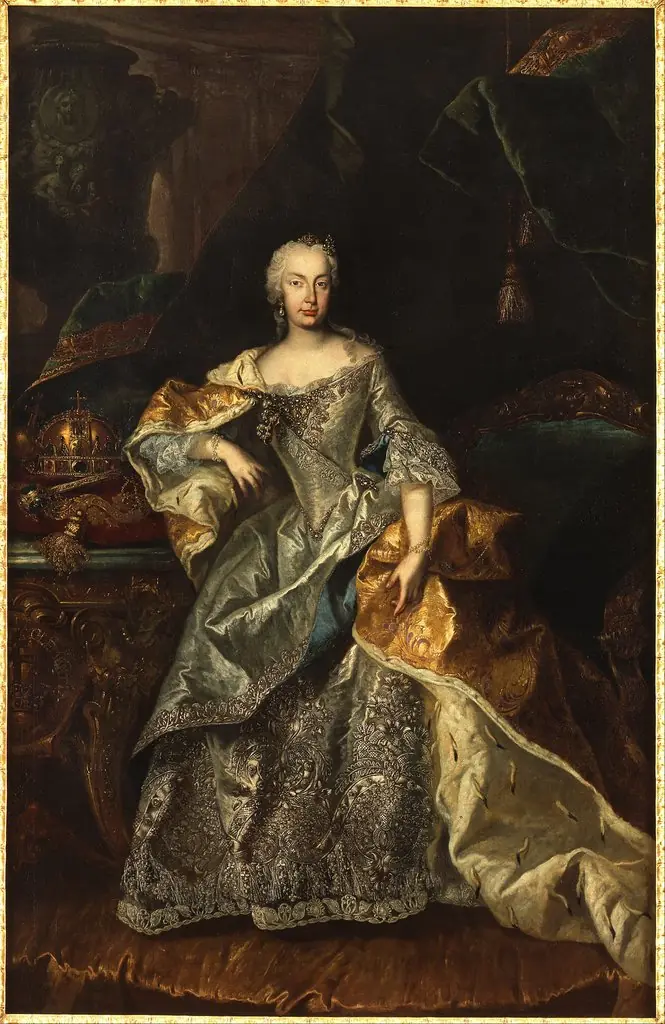 Maria Theresa as Queen of Hungary
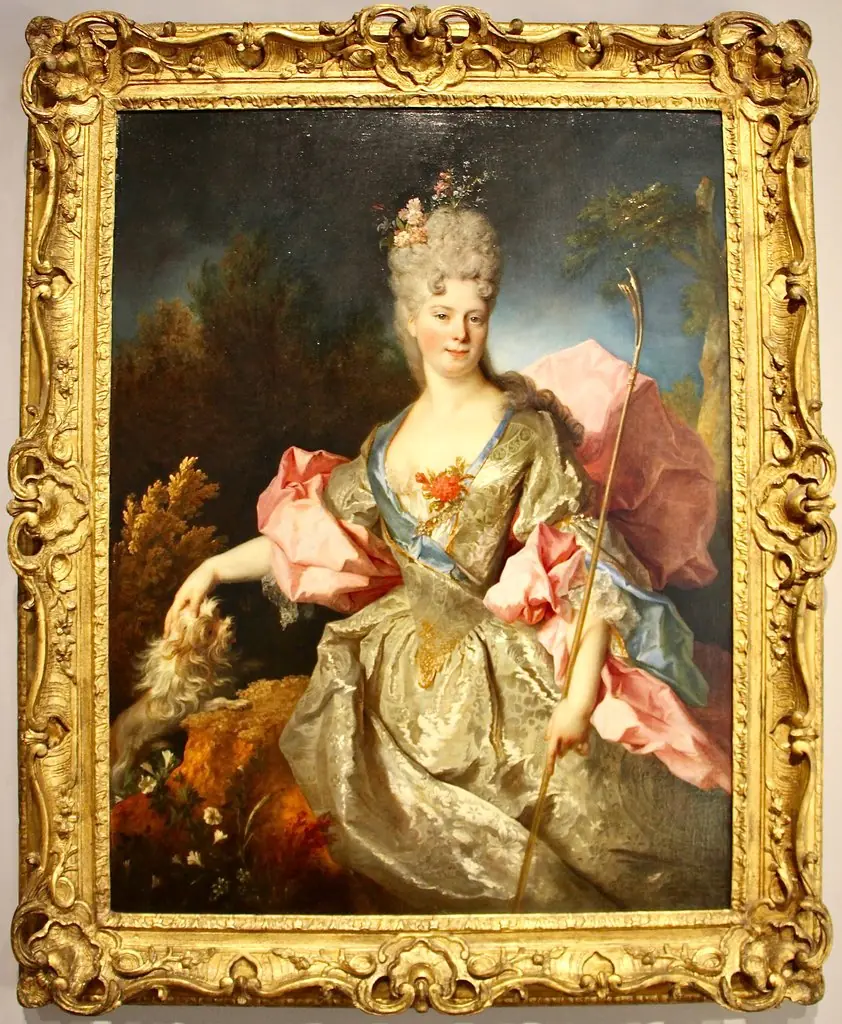 Portrait of a Woman as Astrea, Probably Mary Josephine Drummond, Condesa de Castelblanco