Artwork
Ecce Homo
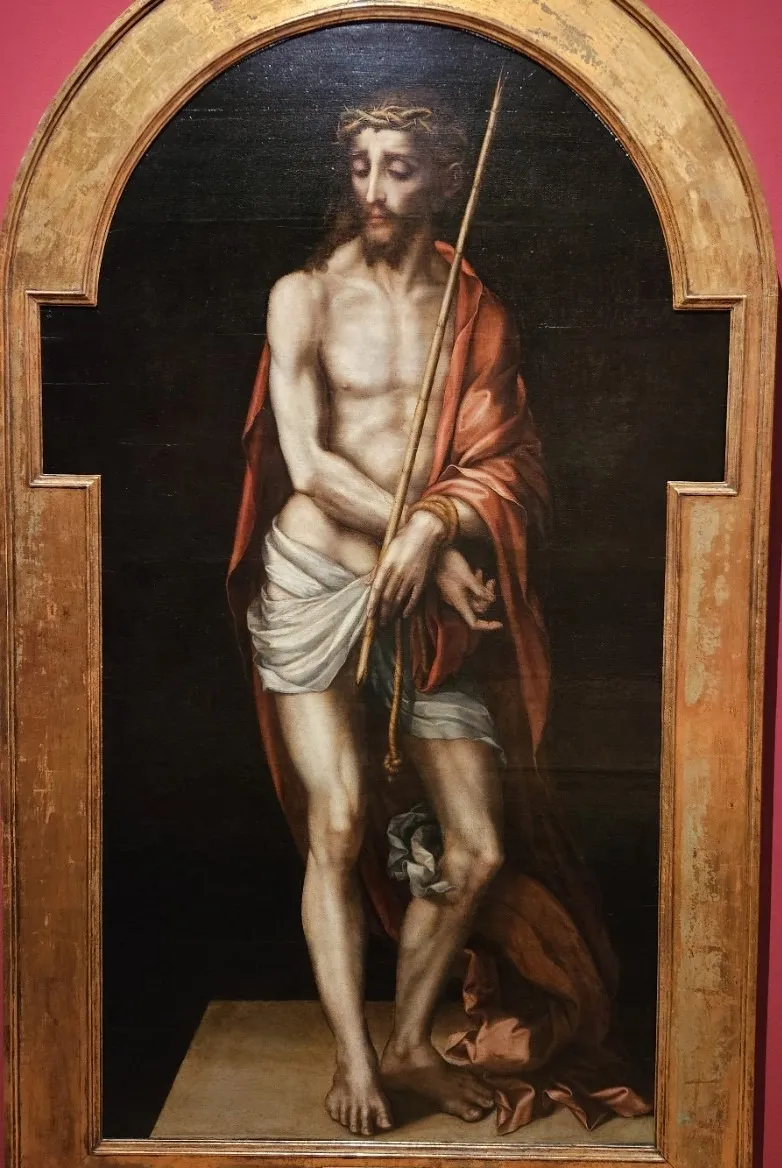
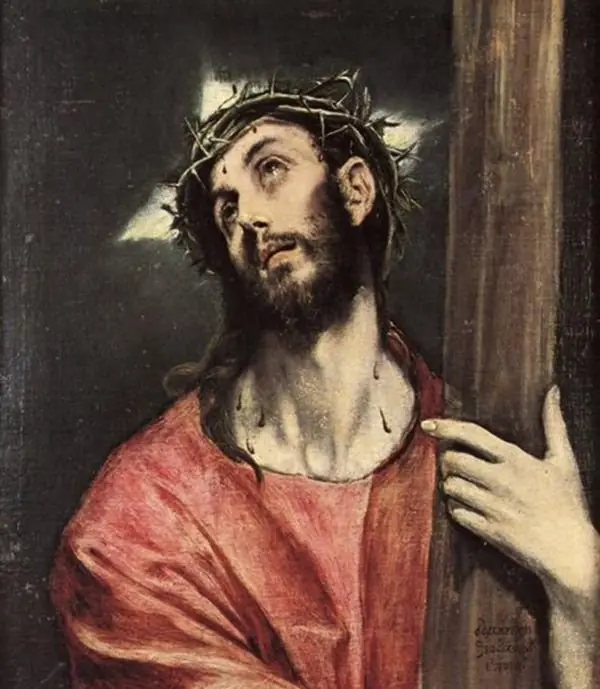
Ecce Homo is an unspecified painting by the Mannerist artist Luis de Morales. It dates from 1565 and is held in the collection of the National Museum of Ancient Art.
About this work
Overview
Morales, known for his deeply emotive religious subjects, rendered Christ in a moment of quiet suffering.
Painted in 1565 by Luis de Morales, *Ecce Homo* is a devotional image from the Spanish Renaissance, reflecting the intense spiritual climate of 16th-century Iberia. Morales, known for his deeply emotive religious subjects, rendered Christ in a moment of quiet suffering. The work is now housed in the National Museum of Ancient Art in Lisbon, where it remains a key example of Spanish Mannerist painting, distinguished by its psychological depth and refined handling of form.
Subject & Meaning
The painting presents Christ immediately after his scourging, wearing the crown of thorns and draped in a simple white loincloth and a rich red mantle. His downward gaze and still posture convey resignation rather than outrage, emphasizing inner torment over physical agony. The staff and bound wrist suggest both his submission and the weight of his impending fate. This image was intended to provoke personal meditation on sacrifice, aligning with Counter-Reformation ideals of empathetic devotion.
Technique & Style
Morales employed a muted palette with warm flesh tones against a near-black background to heighten the figure’s presence. The drapery is rendered with careful attention to fabric weight and fold, while the crown of thorns is meticulously detailed. His brushwork is smooth and controlled, avoiding dramatic chiaroscuro in favor of subtle modeling. The figure’s contrapposto stance adds a quiet tension, characteristic of Mannerist interest in elegant, emotionally charged poses.
History & Provenance
Created during Morales’s mature period, the painting likely originated in a private devotional context, possibly commissioned by a religious confraternity or noble patron. It entered the collection of the National Museum of Ancient Art in the 19th century, having passed through Spanish ecclesiastical holdings. Its survival in good condition reflects its continued veneration and careful preservation within religious and aristocratic circles over centuries.
Context
In mid-16th-century Spain, religious imagery was central to spiritual life, especially under the influence of the Counter-Reformation. Morales’s focus on Christ’s humanity, rather than divine majesty, responded to a growing demand for accessible, emotionally resonant devotional art. His style, blending Northern European detail with Italianate form, reflected Spain’s position at the crossroads of European artistic currents during a time of intense theological reflection.
Legacy
Morales’s *Ecce Homo* helped define a distinctly Spanish mode of religious painting, influencing later artists who prioritized psychological realism over grandeur. Though less widely known outside Spain, his work remains a touchstone for understanding how devotional intensity was cultivated through restraint. The painting continues to be studied for its quiet power and the precision with which it translates spiritual contemplation into visual form.
Artist & collection
Artist
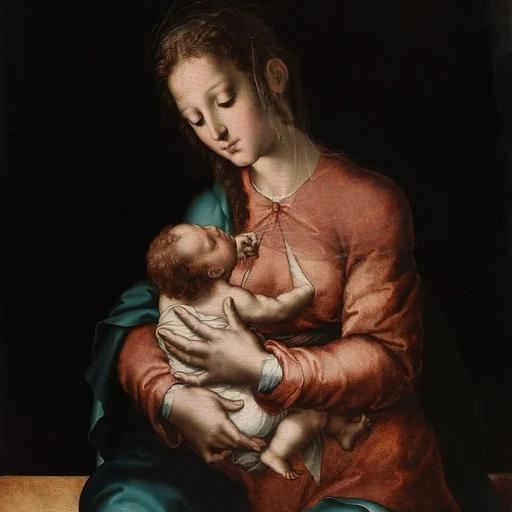
Luis de Morales (1509 – 9 May 1586) was a Spanish painter active during the Spanish Renaissance in the 16th century.

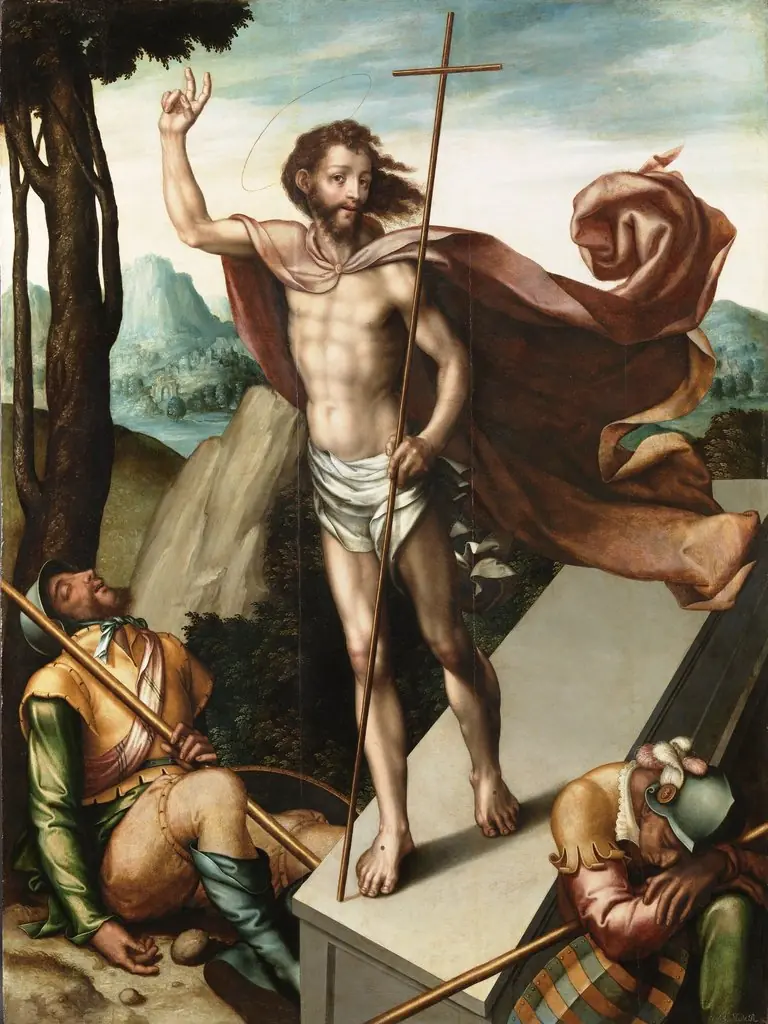
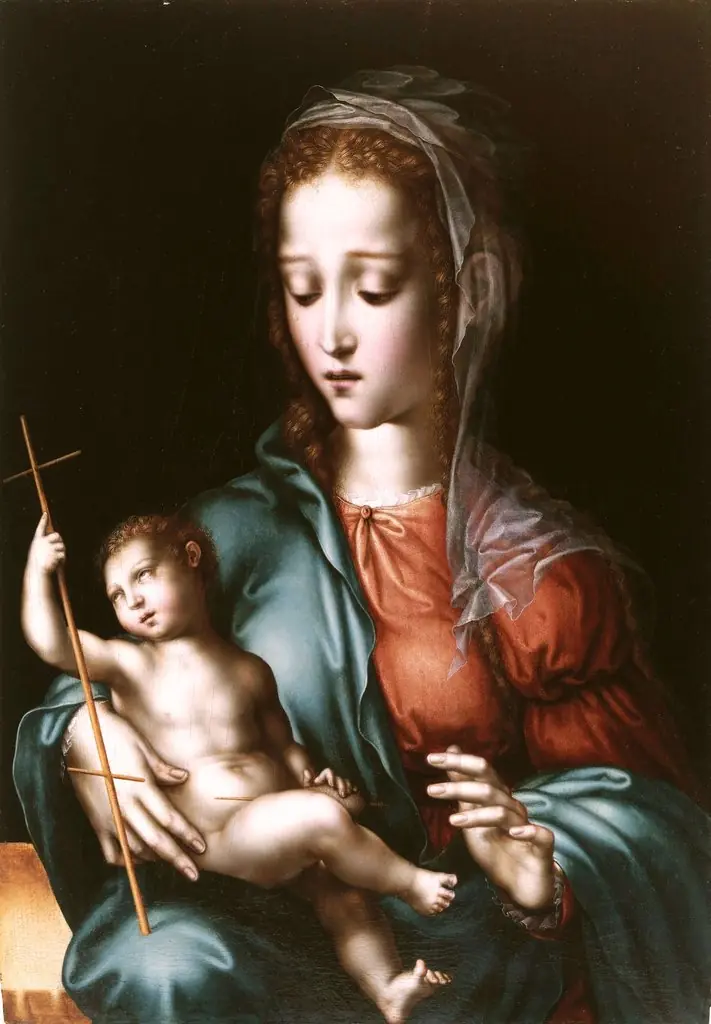
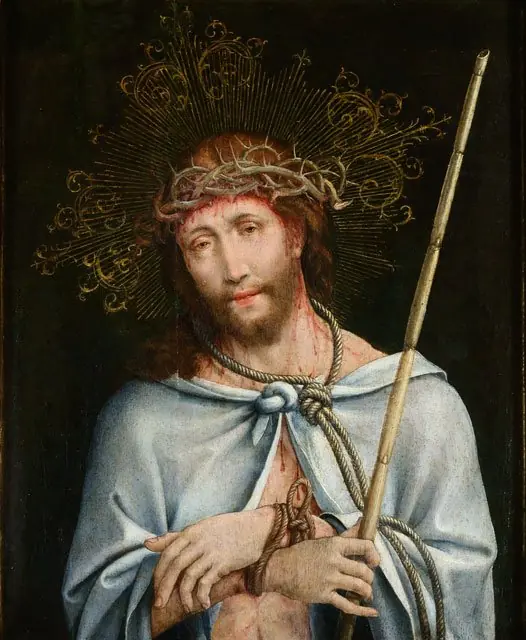 Ecce Homo
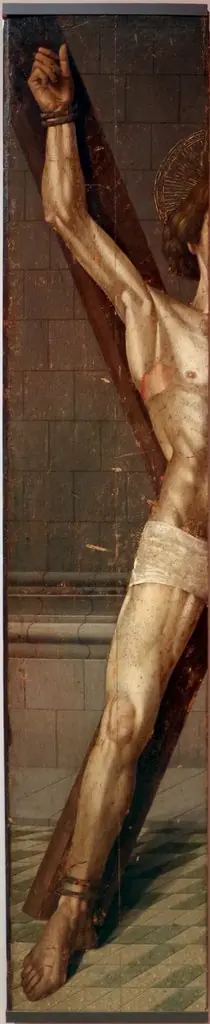 São Vicente na Cruz em Aspa
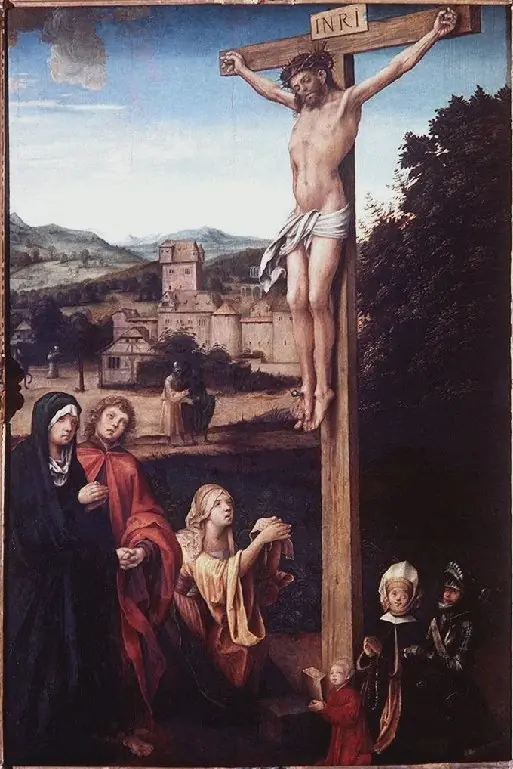 Crucifixion of Christ
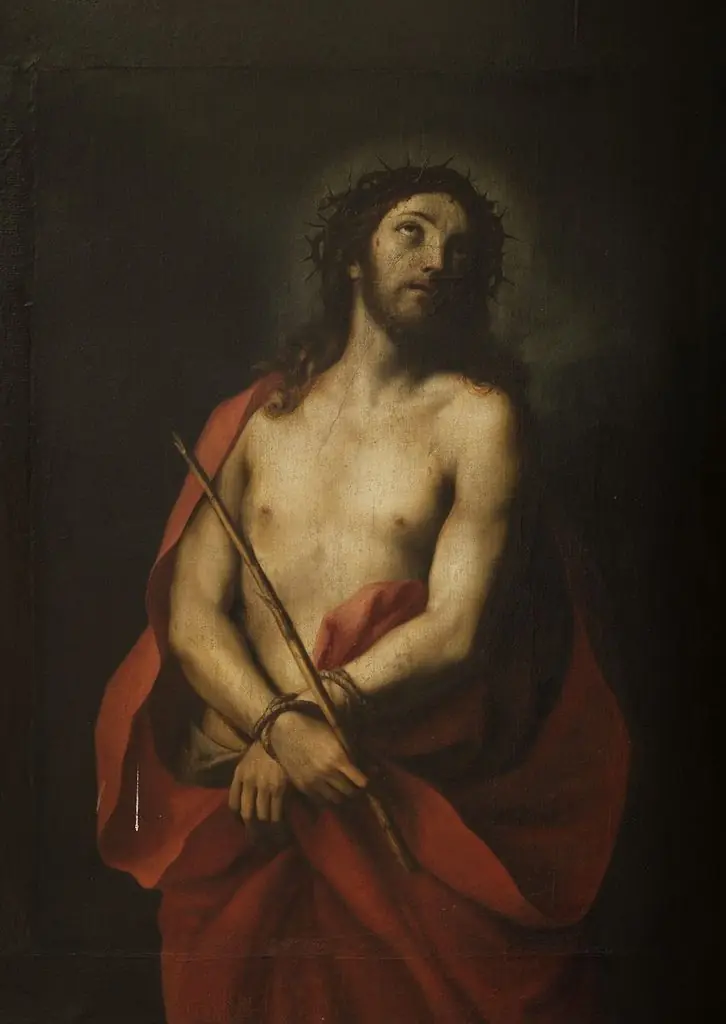 Ecce Homo
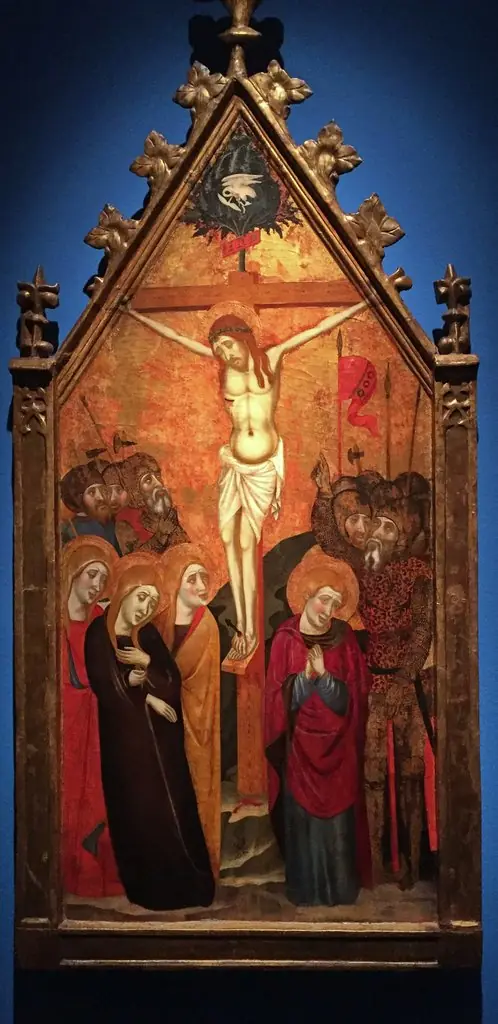 Calvari
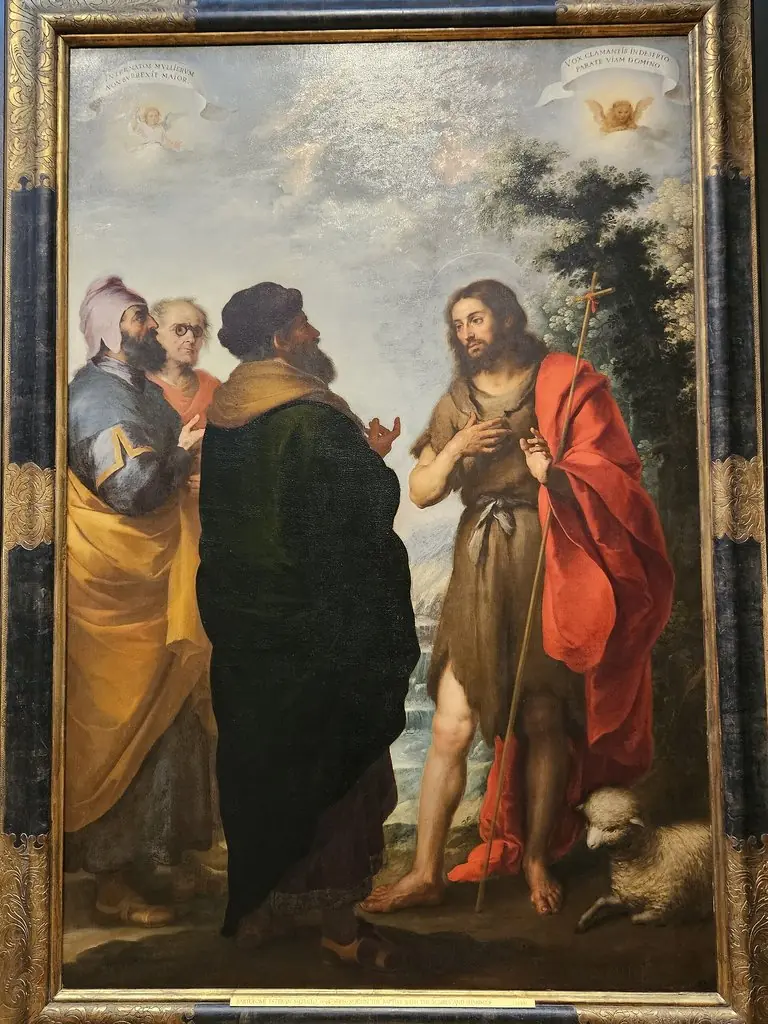 St. John the Baptist with the Scribes and Pharisees
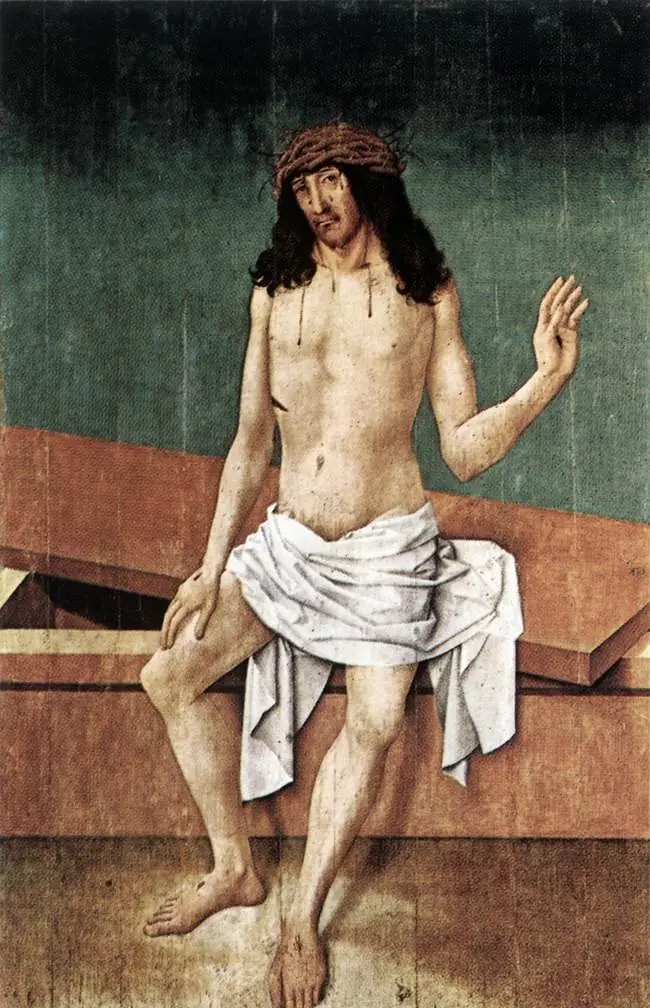 Christ as Man of Sorows
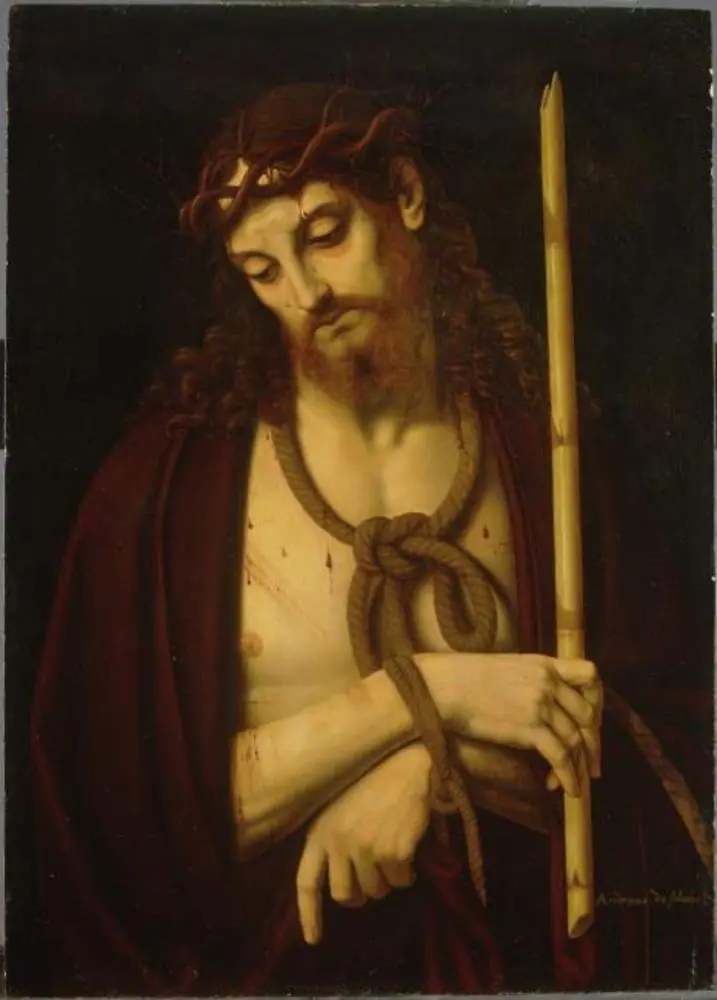 Christ Bound and Crowned with Thorns
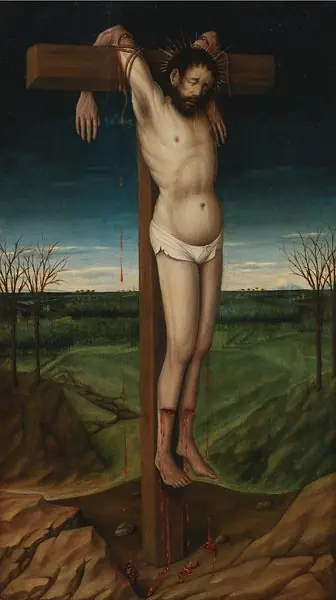 The Good Thief (Saint Dismas)
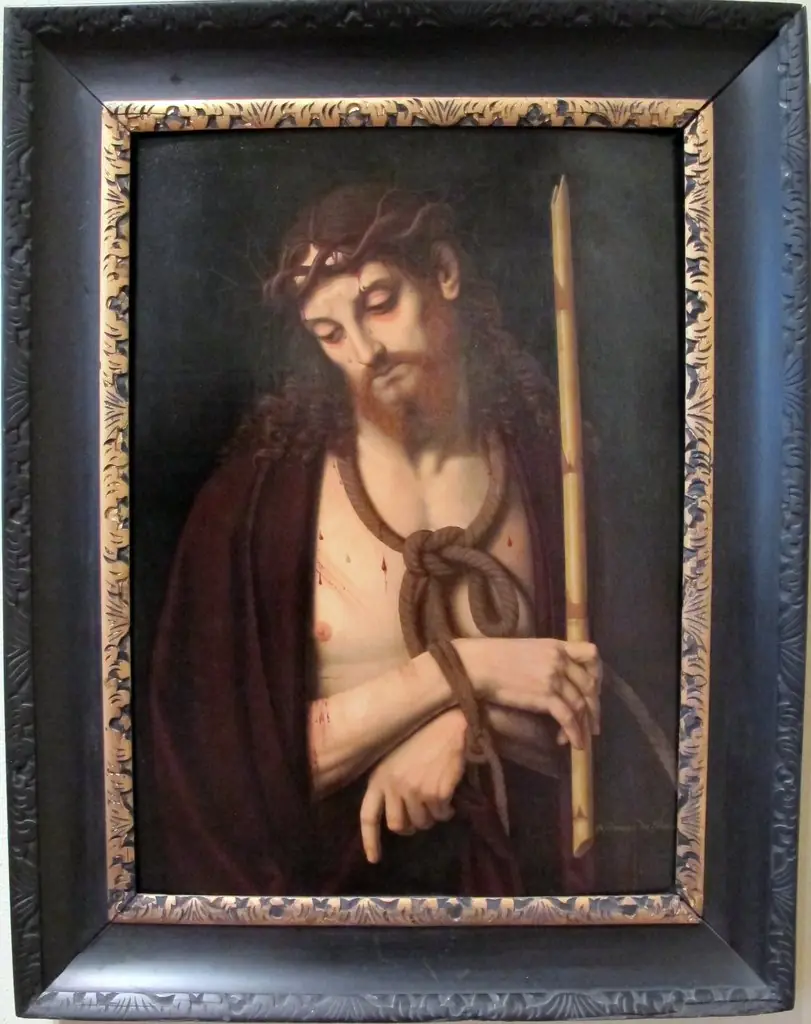 cristo legato e coronato di spine
 Christ with the Cross
 Крестьянская девушка за вышиванием