Artwork
Ecce Homo
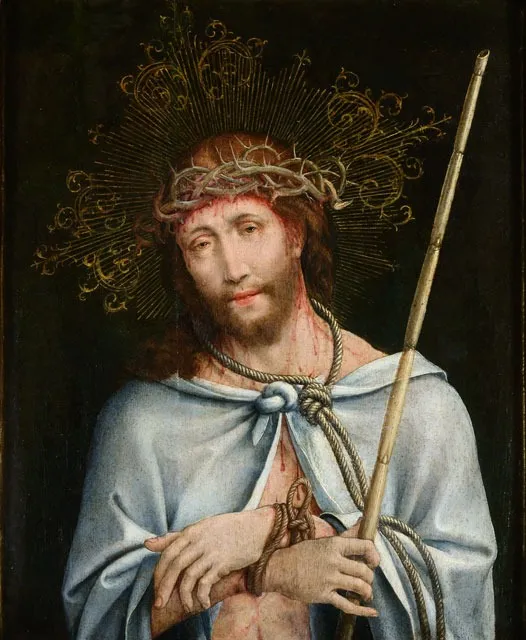
Ecce Homo is an unspecified painting by the Mannerist artist Frei Carlos. It dates from 1530 and is held in the collection of the National Museum of Ancient Art.
About this work
Overview
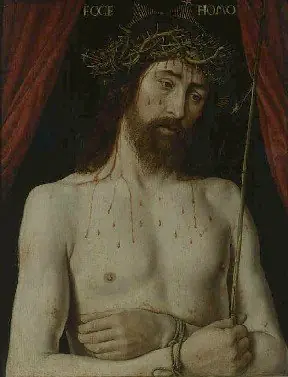
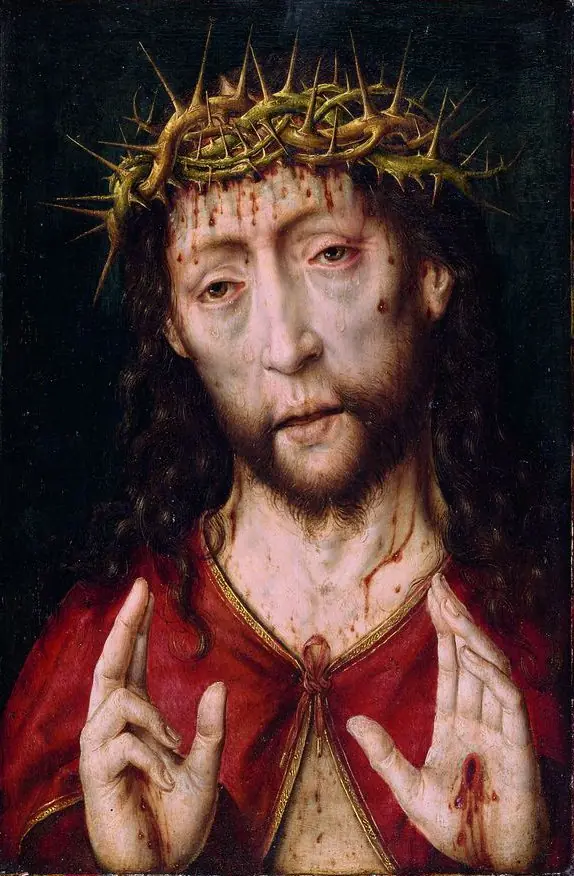
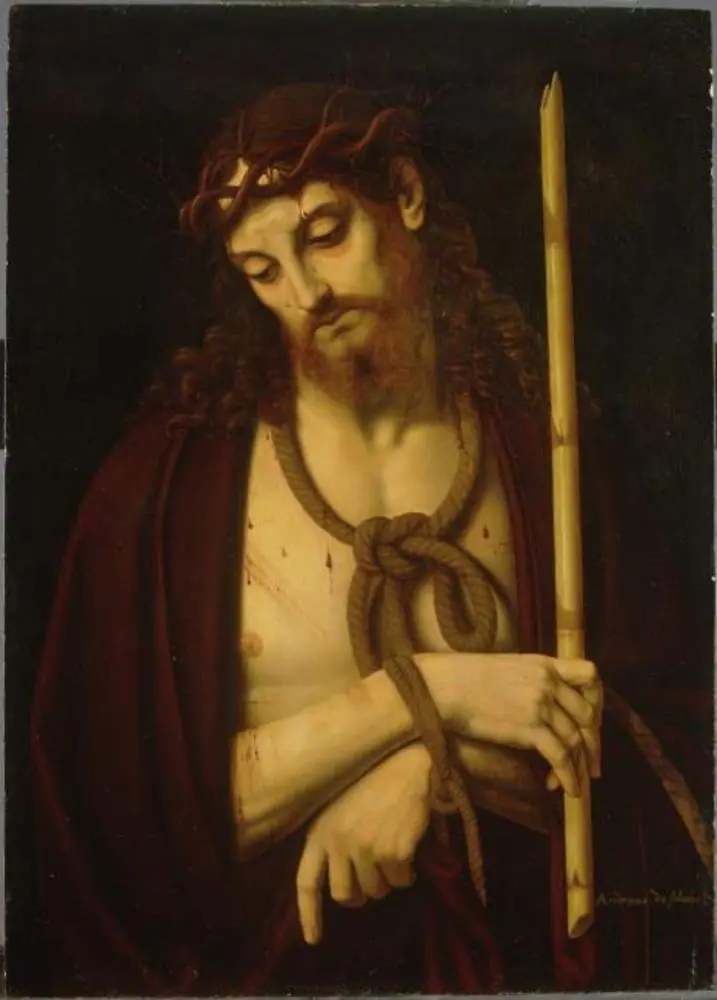
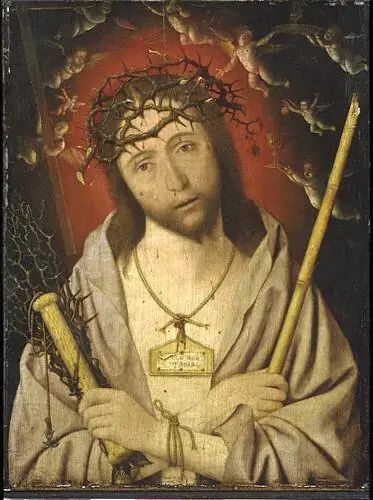
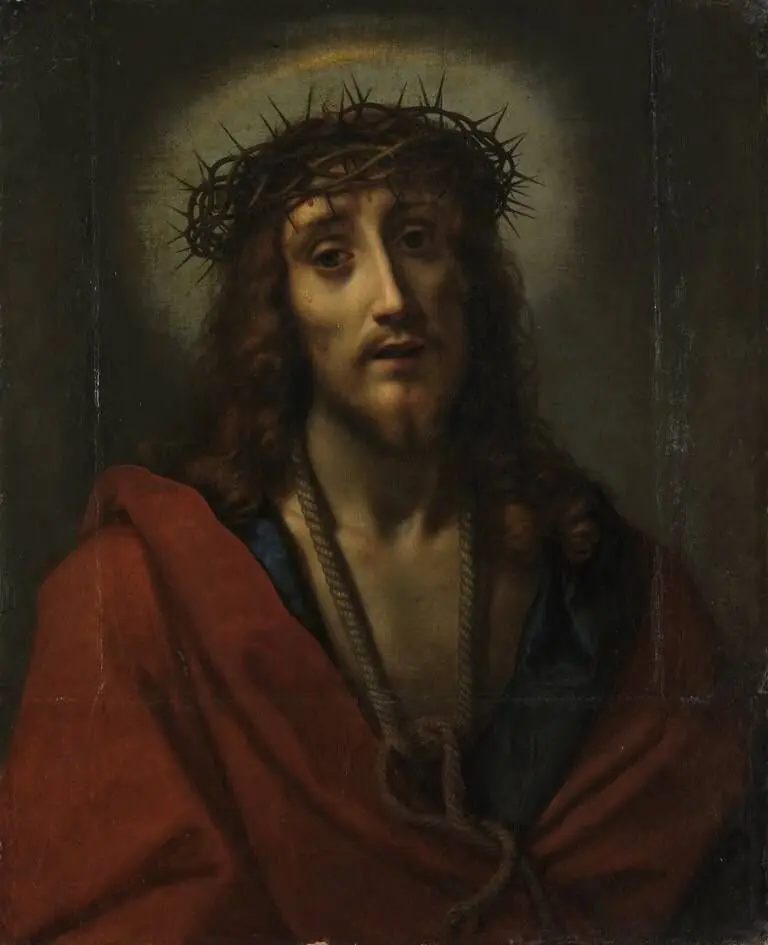
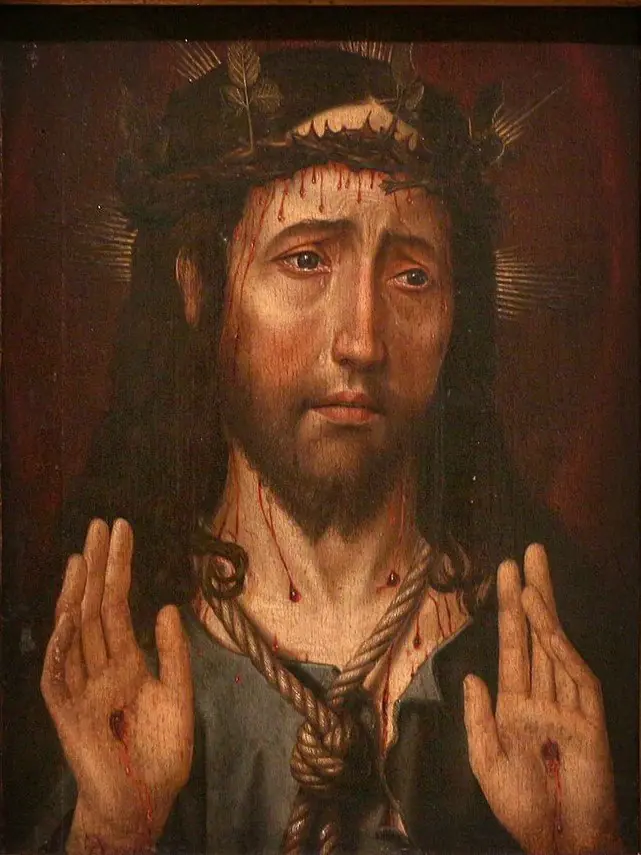
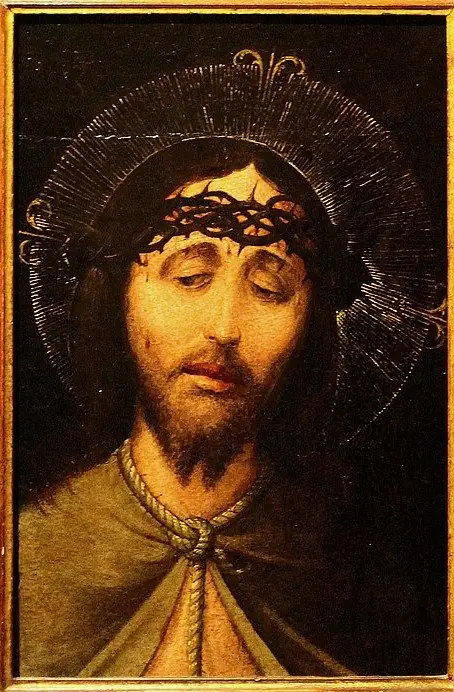
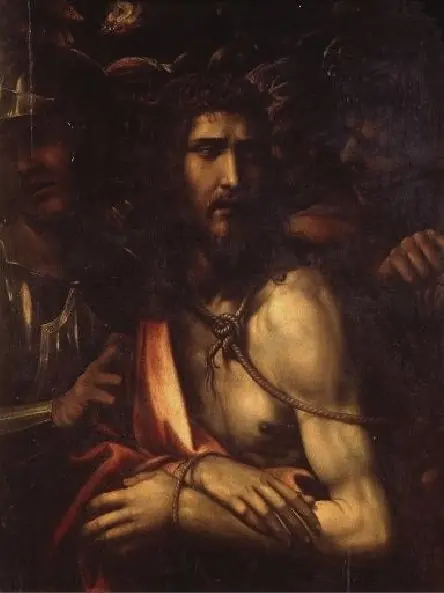
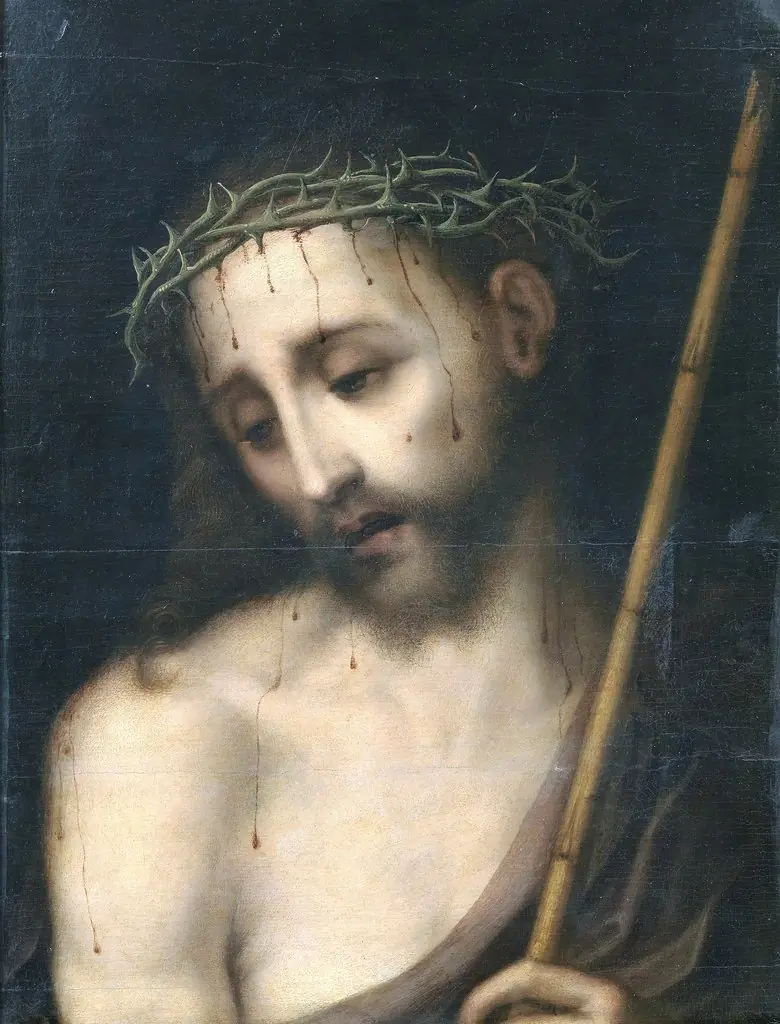
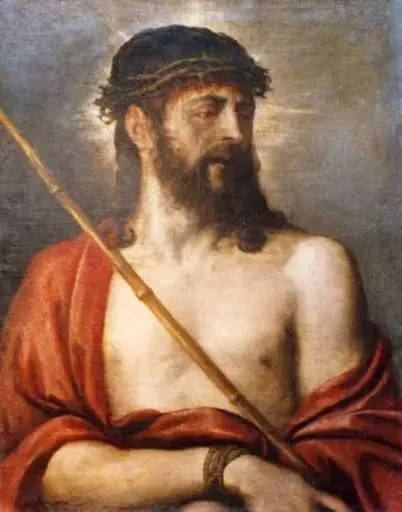
Painted in 1530 by the Portuguese friar and artist Frei Carlos, this work portrays the moment Pilate presents Jesus to the crowd with the words 'Ecce Homo.' Executed in oil on panel, it belongs to the collection of the National Museum of Ancient Art in Lisbon. The composition emphasizes spiritual stillness amid physical torment, characteristic of early 16th-century Portuguese devotional art.
Subject & Meaning
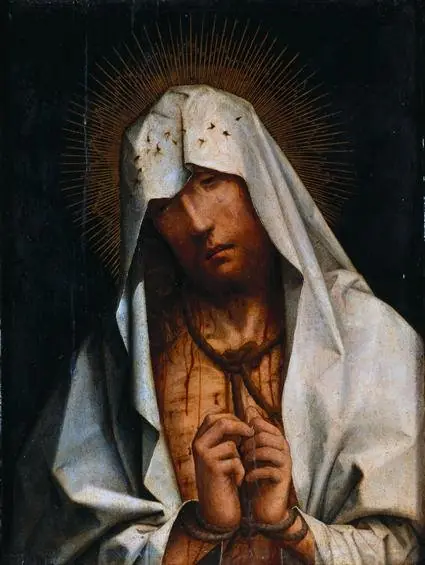
The figure is Christ, shown after scourging and before crucifixion, wearing a crown of thorns and a white robe bound at the neck with rope.
The figure is Christ, shown after scourging and before crucifixion, wearing a crown of thorns and a white robe bound at the neck with rope. His hands are tied, and his body bears visible wounds, yet his face remains composed. This calmness conveys acceptance of suffering, aligning with the theological theme of Christ’s voluntary sacrifice. The image invites contemplation rather than outrage, typical of monastic devotional imagery.
Technique & Style
Frei Carlos employs a restrained palette dominated by earth tones and gold highlights. The background is dark, enhancing the figure’s presence, while the halo is rendered in fine, linear gold strokes rather than solid gilding. Brushwork is precise but not ornate, favoring clarity over drama. The figure’s anatomy is simplified, emphasizing symbolic weight over naturalism, reflecting the influence of Northern European religious prints.
History & Provenance
The painting was likely created for private devotion within a monastic context, given the artist’s status as a friar. It entered the collection of the National Museum of Ancient Art in the 19th century, having been preserved in Portuguese ecclesiastical holdings. Its survival through centuries of political and religious change suggests it was valued as a sacred object, not merely an artistic piece.
Context
Created during the height of Portugal’s Age of Discovery, the painting reflects a domestic religious culture focused on personal piety amid global expansion. While Italian Renaissance ideals influenced Portuguese art, this work retains a more austere, northern European aesthetic. It aligns with the Counter-Reformation’s emphasis on Christ’s humanity and suffering as a focus for spiritual reflection.
Legacy
Frei Carlos’s Ecce Homo stands as a representative example of Portuguese monastic painting from the early 1500s. Its quiet intensity and devotional clarity distinguish it from more theatrical contemporaries. Though not widely known outside Portugal, it remains a key artifact for understanding how religious imagery functioned in small-scale, contemplative settings during a period of profound cultural transformation.
Artist & collection